





US President Donald Trump has openly tied his aggressive push to acquire Greenland to his long-standing frustration over not receiving the Nobel Peace Prize, according to a letter he sent to Norwegian Prime Minister Jonas Gahr Støre. The contents of the message, reported by Public Broadcasting Service (PBS), reveal how Trump is linking personal grievance with a major geopolitical demand.
In the letter, Trump suggested that the Nobel Peace Prize snub fundamentally altered his approach to global affairs. He claimed that after being denied the award, he no longer felt bound to prioritise peace above all else and was now free to focus squarely on what he believes is best for the United States.
Trump used this reasoning to justify a hardline stance on Greenland, openly questioning Denmark’s sovereignty over the autonomous Arctic territory. He argued that Copenhagen lacks the capacity to defend Greenland from Russian or Chinese influence and dismissed Denmark’s historical claim to ownership as weak and outdated.
Prime Minister Støre confirmed receiving the message, telling Norwegian media that Trump’s letter was a response to an earlier communication sent jointly by him and Finnish President Alexander Stubb. That message had opposed Trump’s decision to impose new tariffs on Norway, Finland and other European countries.
The episode has added to mounting tensions between Washington and European capitals. Trump has repeatedly insisted that he will accept nothing short of full US ownership of Greenland, calling it strategically vital for American national security. He has also threatened escalating tariffs on European allies unless they agree to his demands.
Denmark and Greenland’s leadership have firmly rejected Trump’s claims, reiterating that Greenland is not for sale and does not wish to become part of the United States. European officials have also pointed out that Greenland already falls under NATO’s collective defence umbrella, undermining Trump’s argument that Denmark has failed to secure the territory.
The letter underscores how Trump’s grievance over the Nobel Peace Prize has become intertwined with his foreign policy posture, turning a personal snub into a justification for one of the most controversial territorial demands made by a US president in decades.
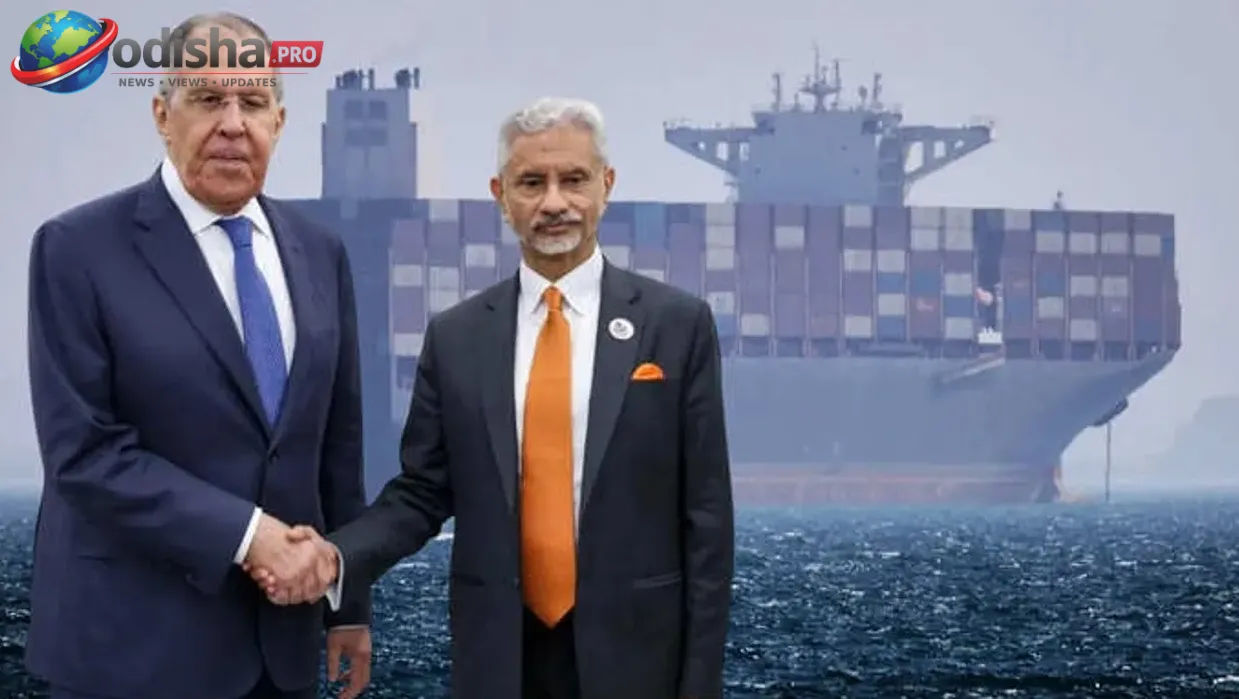
: ୟୁକ୍ରେନ ସଂଘର୍ଷ ଅଞ୍ଚଳରେ କାର୍ଯ୍ୟରତ ଭାରତୀୟ ନାବିକଙ୍କ...
ରାଜଧାନୀ ଦିଲ୍ଲୀର ଜନ୍ତର ମନ୍ତରରେ ଚାଲିଥିବା ଛାତ୍ର ଆନ୍ଦୋ...
ଅନଲାଇନ୍ ସପିଂ ବର୍ତ୍ତମାନ ସମୟରେ ଦୈନନ୍ଦିନ ଜୀବନର ଏକ ଅଂଶ...
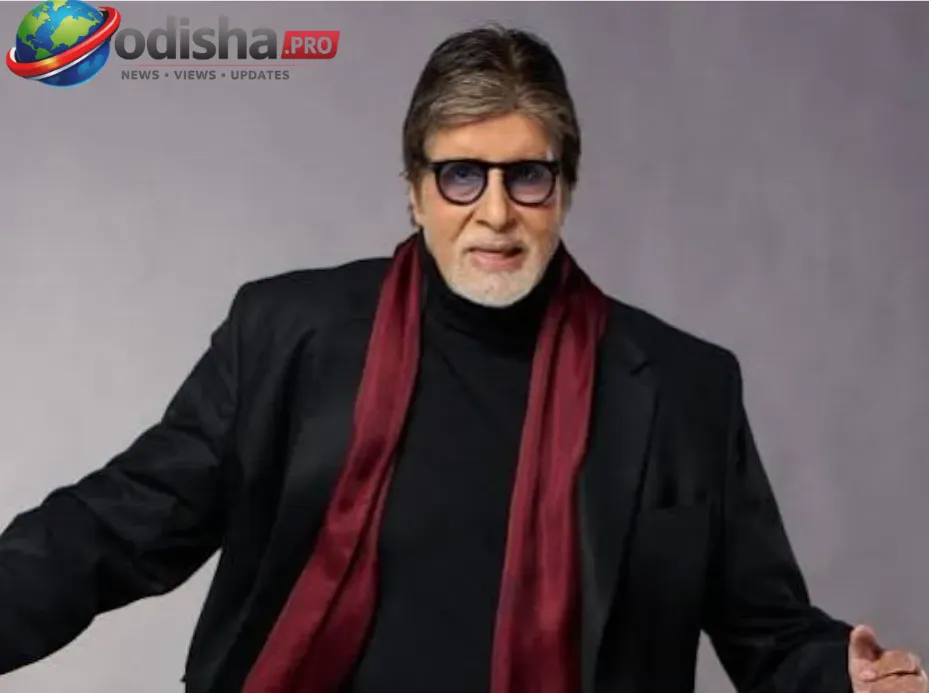
ବଲିଉଡ୍‌ର ‘ଶେହେନଶାହ’ ଅମିତାଭ ବଚ୍ଚନଙ...
ଓଡ଼ିଶାର ଆଦିବାସୀ ଅଞ୍ଚଳରେ ପୌଷ୍ଟିକ ସଙ୍କଟ ଗଭୀର ହେଉଥିବା...

ସିକ୍କିମରେ ଘଟିଥିବା ଭୟଙ୍କର ଟନେଲ ଦୁର୍ଘଟଣା ସମଗ୍ର ଦେଶକୁ...
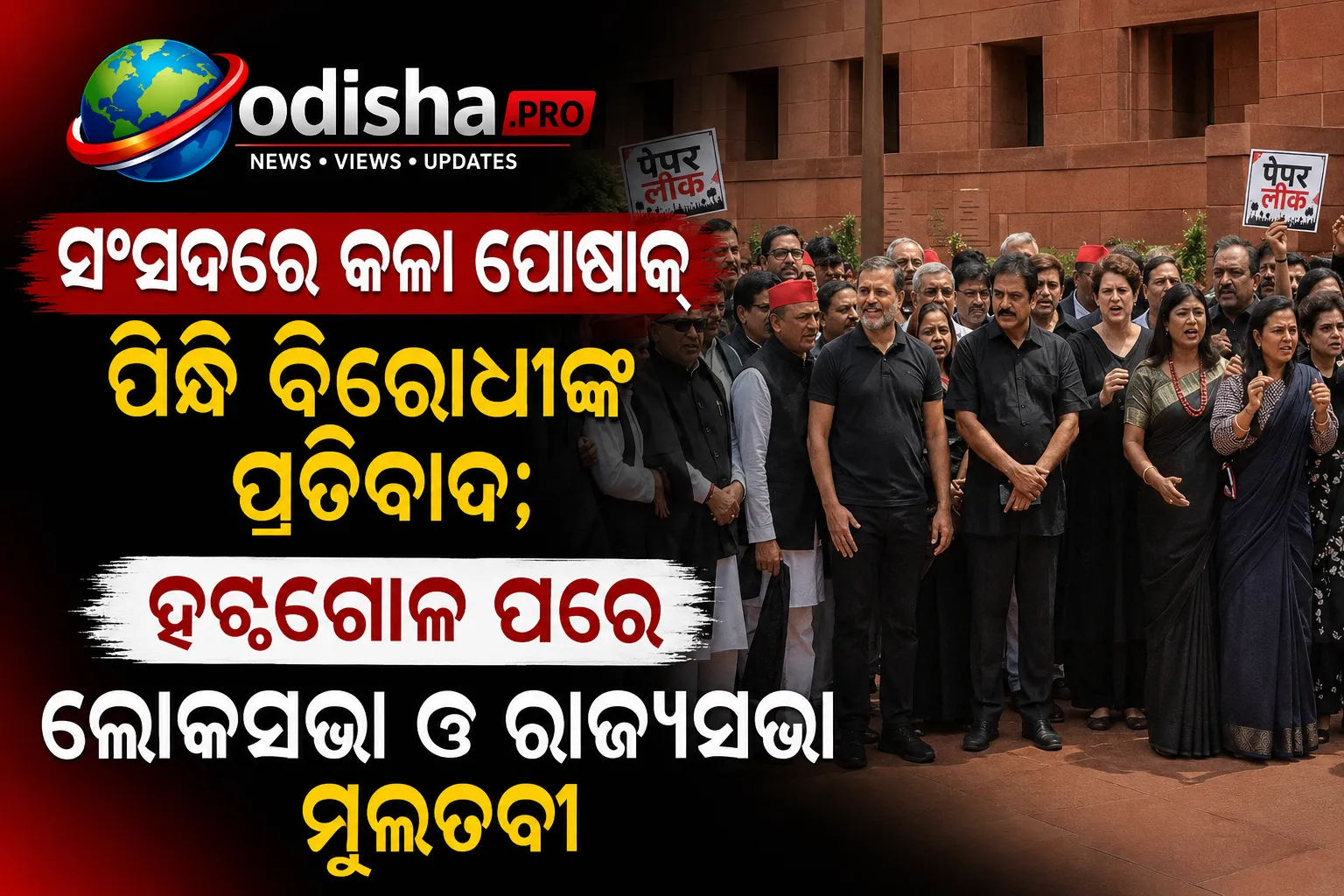
ସଂସଦର ମୌସୁମୀ ଅଧିବେଶନର ତୃତୀୟ ଦିନ ବୁଧବାର ବିରୋଧୀ ସାଂସ...
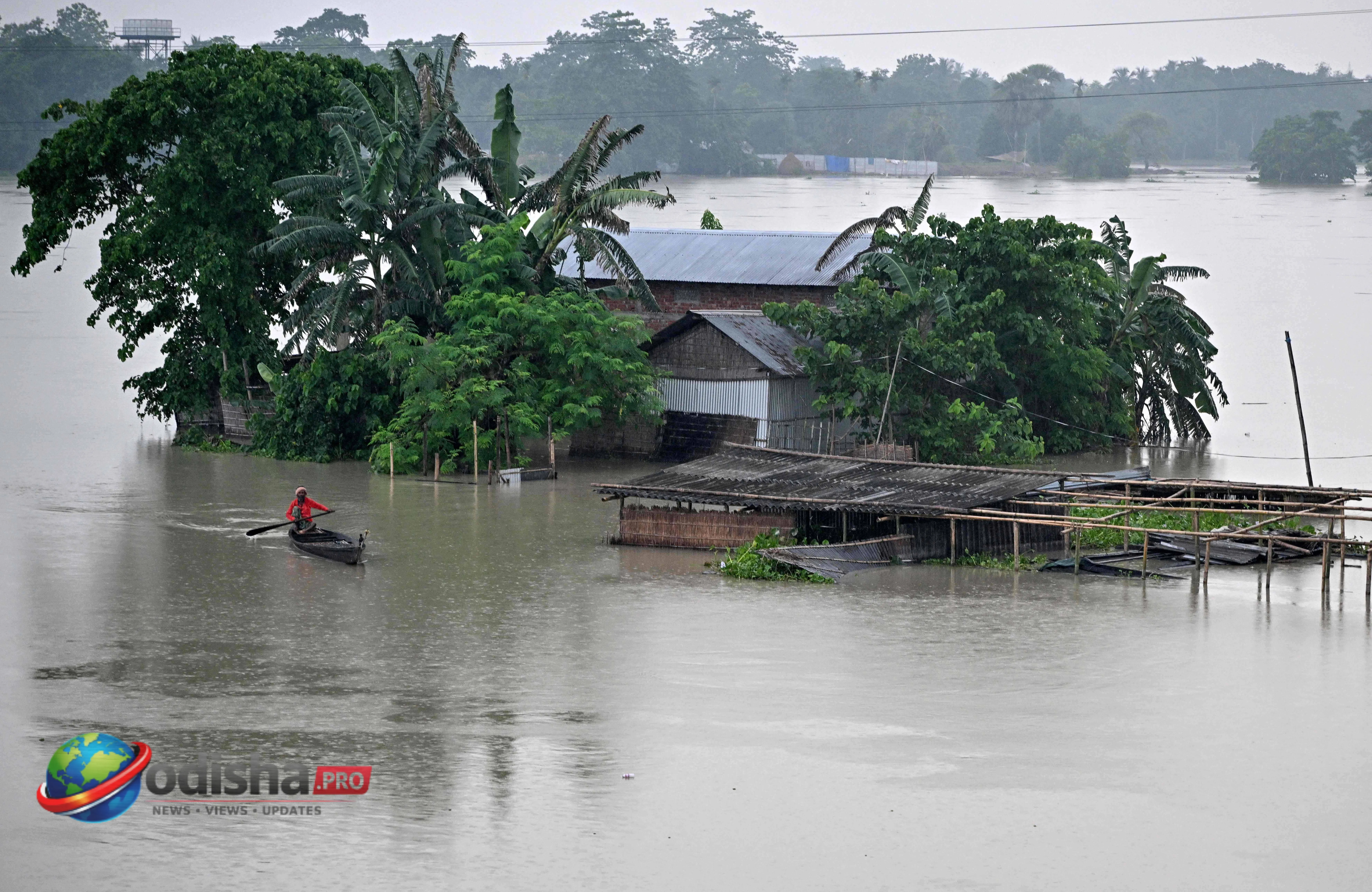
ଲଗାଣ ବର୍ଷା ପରେ ଆସାମରେ ପ୍ରକୃତିର ପ୍ରଳୟଙ୍କରୀ ରୂପ ଦେଖି...
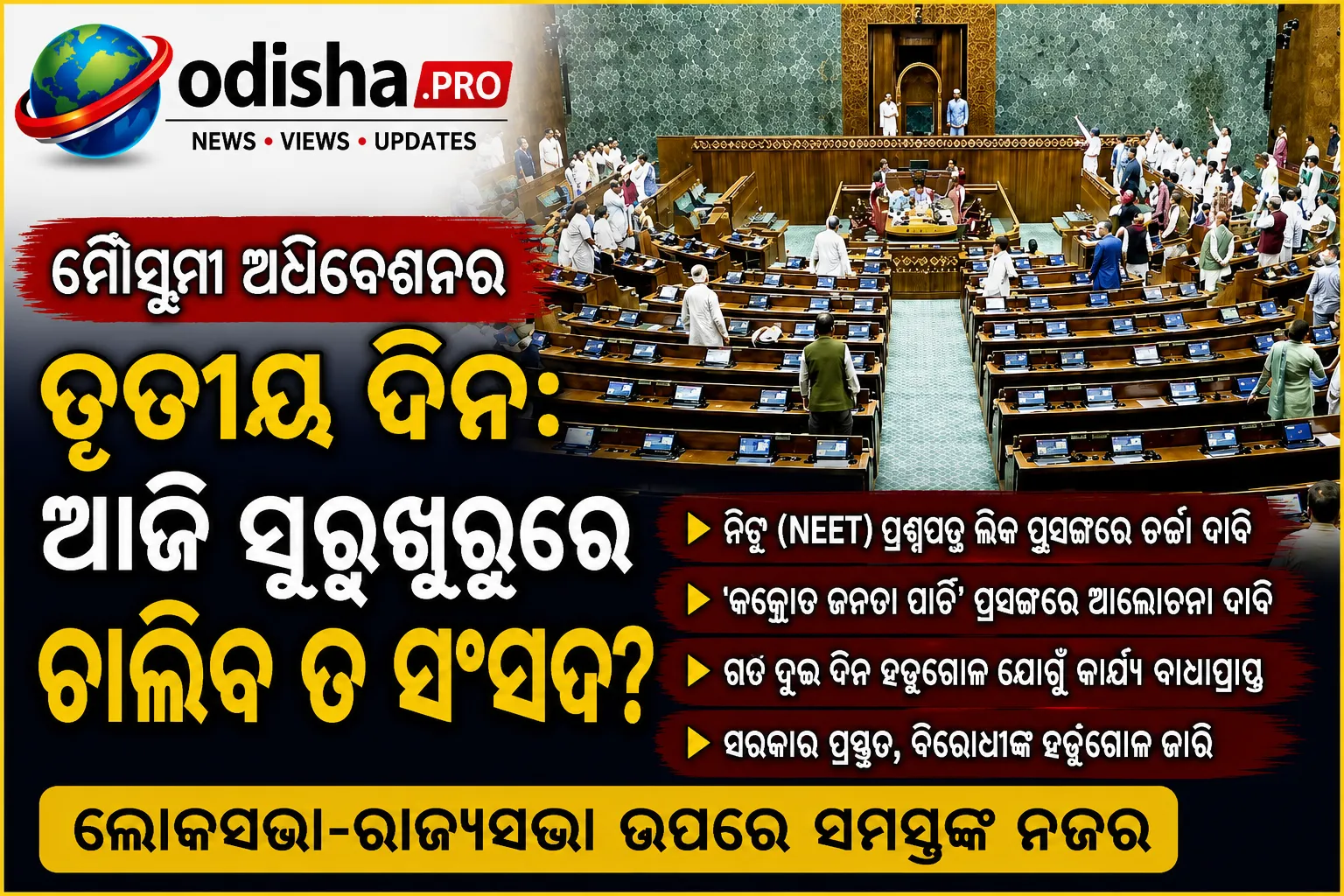
ସଂସଦର ମୌସୁମୀ ଅଧିବେଶନର ଆଜି ତୃତୀୟ ଦିନ। ଗତ ଦୁଇ ଦିନ ଧର...

ରାଜଧାନୀ ଦିଲ୍ଲୀରେ ଚାଲିଥିବା ତୀବ୍ର ପ୍ରତିବାଦ ଓ ଆନ୍ଦୋଳନ...
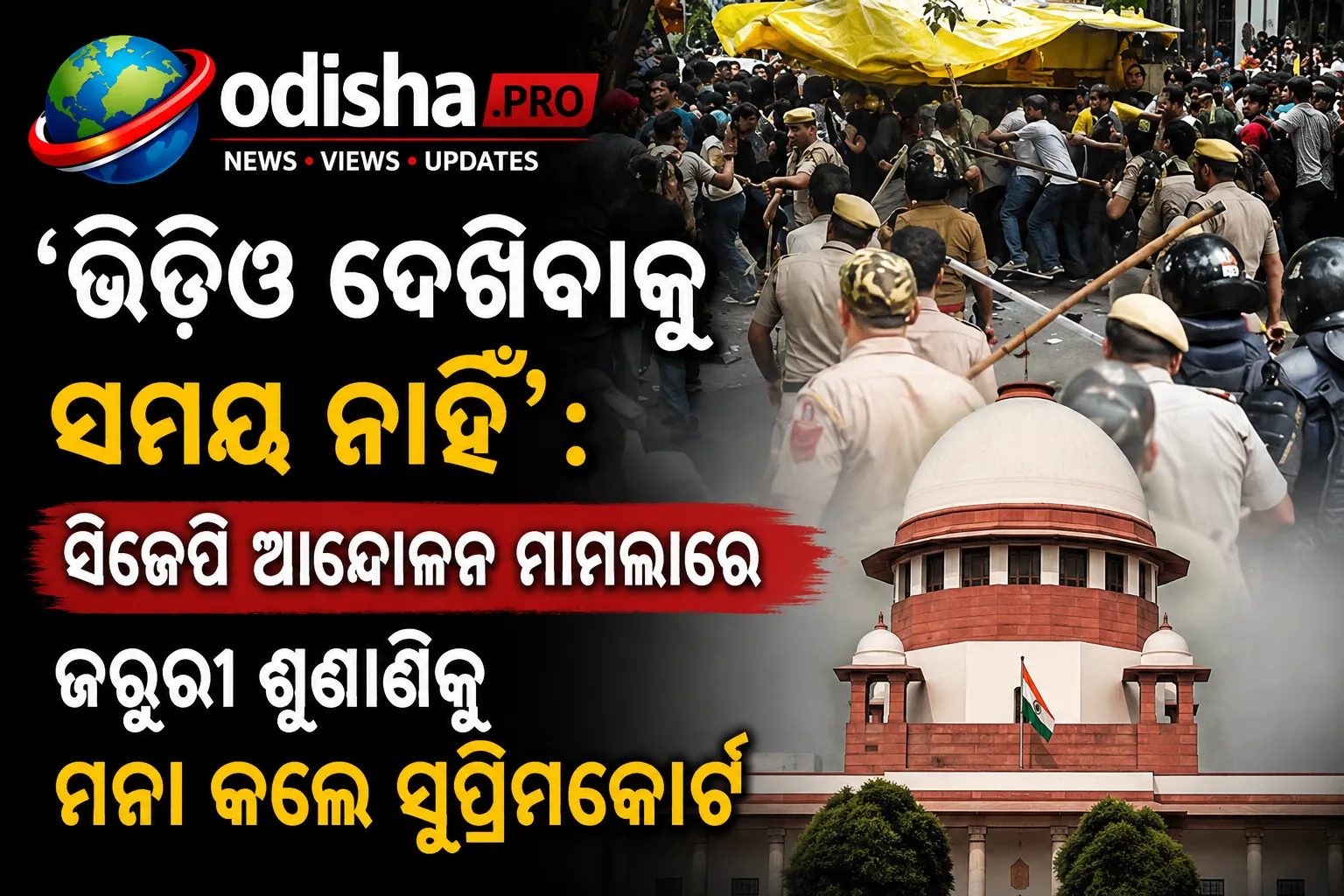
ଦିଲ୍ଲୀର ଜନ୍ତର ମନ୍ତରରେ **‘କୋକରୋଚ୍ ଜନତା ପାର୍ଟି...
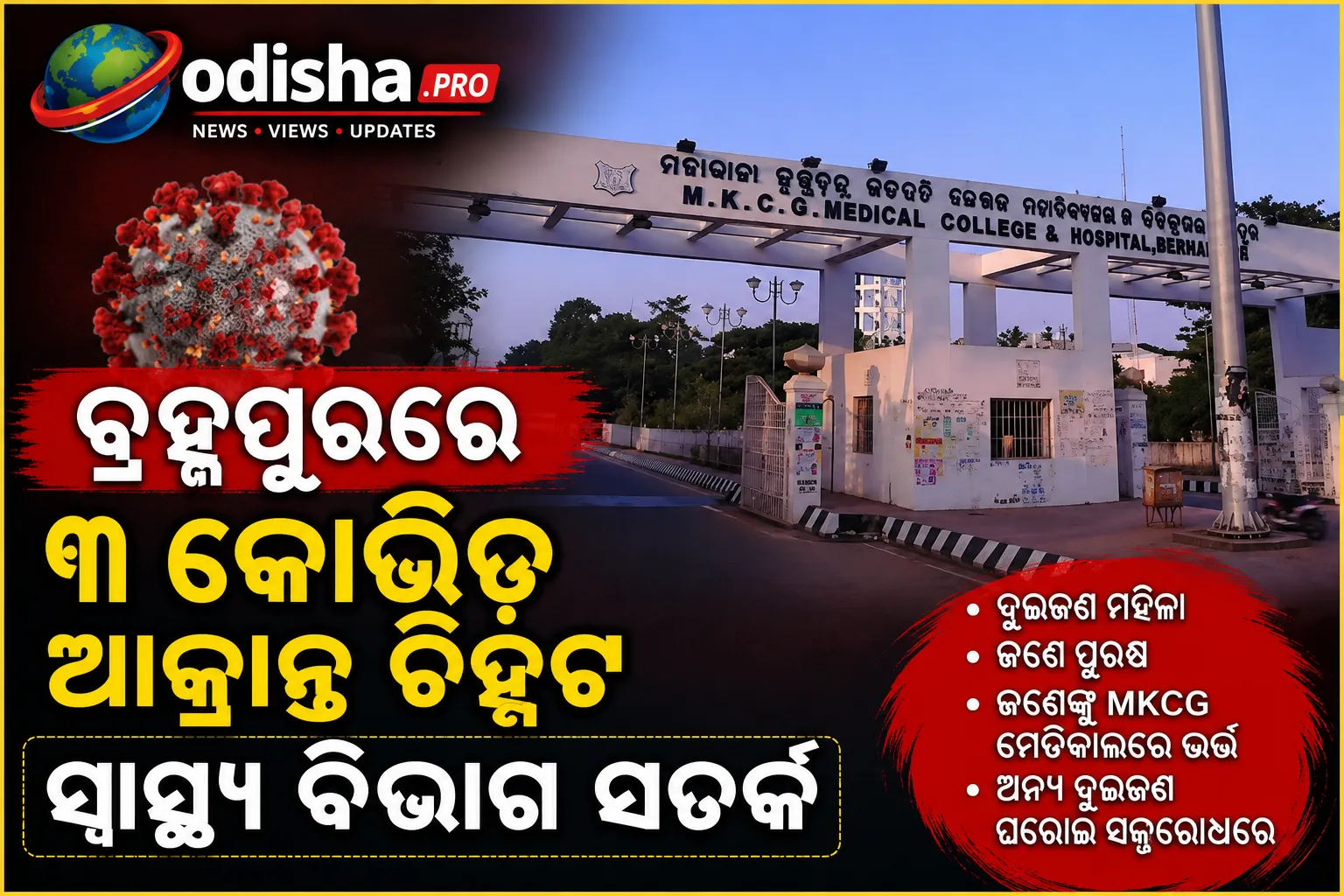
ବ୍ରହ୍ମପୁର ସହରରେ ପୁଣିଥରେ କୋଭିଡ୍ ସଂକ୍ରମଣ ଦେଖିବାକୁ ମି...