




India’s sensational start against New Zealand in the ongoing T20I series has showcased why they are favourites heading into the 2026 T20 World Cup. However, one concern looms large: the Indian team’s constant experimentation with the playing XI.
From Ishan Kishan replacing the injured Tilak Varma in the first match, to resting Jasprit Bumrah and Axar Patel in the second T20I, and leaving out Varun Chakravarthy in the third, team selection has been inconsistent. Even key bowlers and all-rounders are being rotated without a clear pattern, raising concerns about rhythm and match readiness ahead of the World Cup.
Former India batter Ajinkya Rahane highlighted the importance of consistent game time for main players. “Going into the World Cup, Varun Chakravarthy is your main bowler, and bowling in this format is all about rhythm. You don’t want your main bowler to sit out just before the World Cup,” Rahane said, stressing that management’s rotation policies could affect key players’ performance.
Past experiments, such as the Shubman Gill experiment in T20 cricket, have disrupted team chemistry, affecting players like Sanju Samson, who was sidelined and has struggled to regain form. Current rotation and benching of consistent performers could similarly disrupt the team’s momentum and cohesion.
While some changes are unavoidable due to injuries or poor form, experts and former players argue that unnecessary rotation of in-form stars—such as Abhishek Sharma, Bumrah, or Hardik Pandya—could hurt team balance. With the T20 World Cup just weeks away on home soil, India needs stability, continuity, and rhythm to maintain its advantage and avoid last-minute chaos.
The Indian team’s unpredictable selection approach continues to be a talking point among fans and analysts, who hope that the squad is finalised and settled well before the marquee tournament begins.
ଉଚ୍ଚଶିକ୍ଷା ପାଇଁ ବଢ଼ୁଥିବା ଖର୍ଚ୍ଚ ଅନେକ ପରିବାରଙ୍କ ପାଇ...
ଉଚ୍ଚଶିକ୍ଷା ଅନୁଷ୍ଠାନଗୁଡ଼ିକରେ ନିଯୁକ୍ତି ପ୍ରକ୍ରିୟାକୁ ଅ...
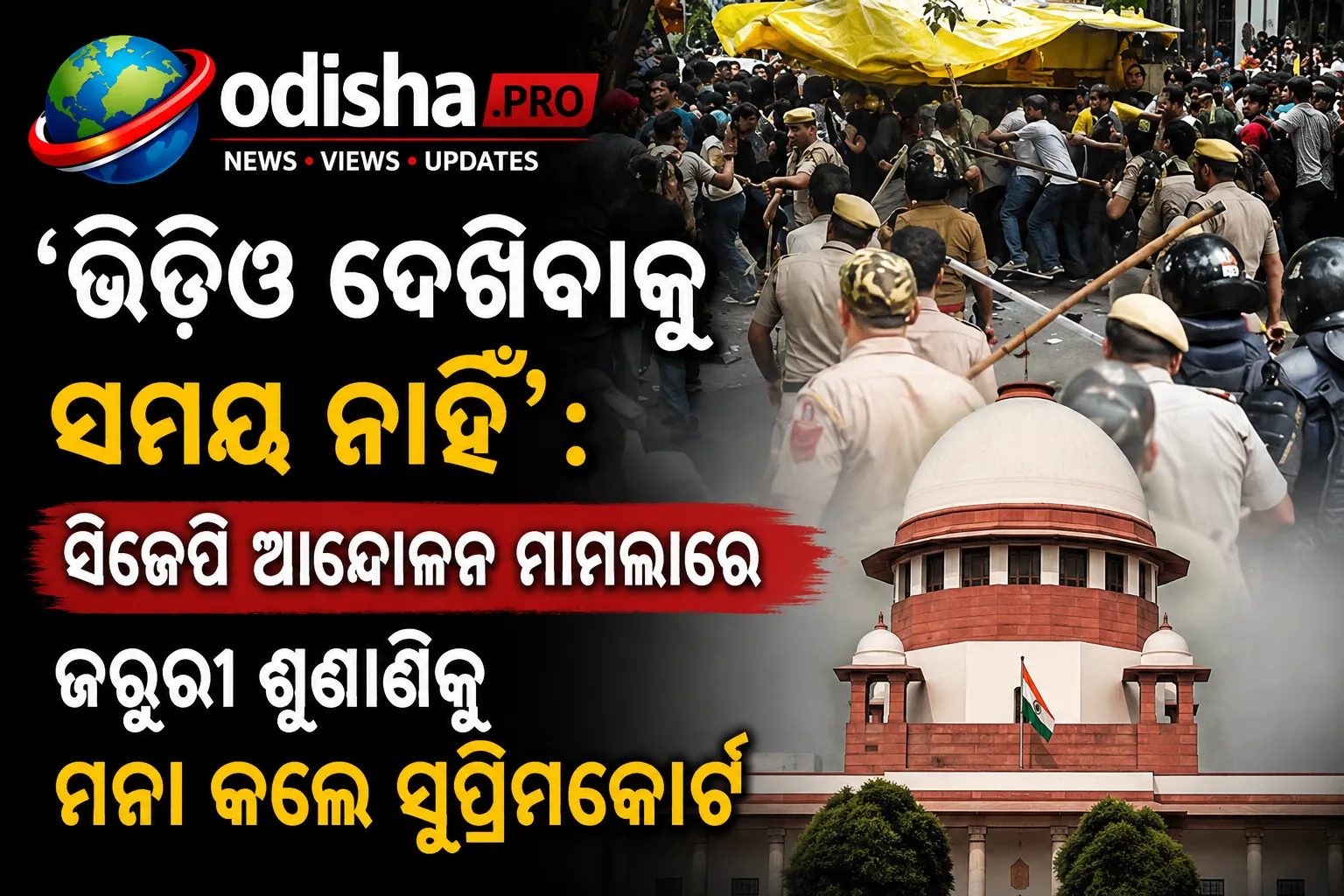
ଦିଲ୍ଲୀର ଜନ୍ତର ମନ୍ତରରେ **‘କୋକରୋଚ୍ ଜନତା ପାର୍ଟି...
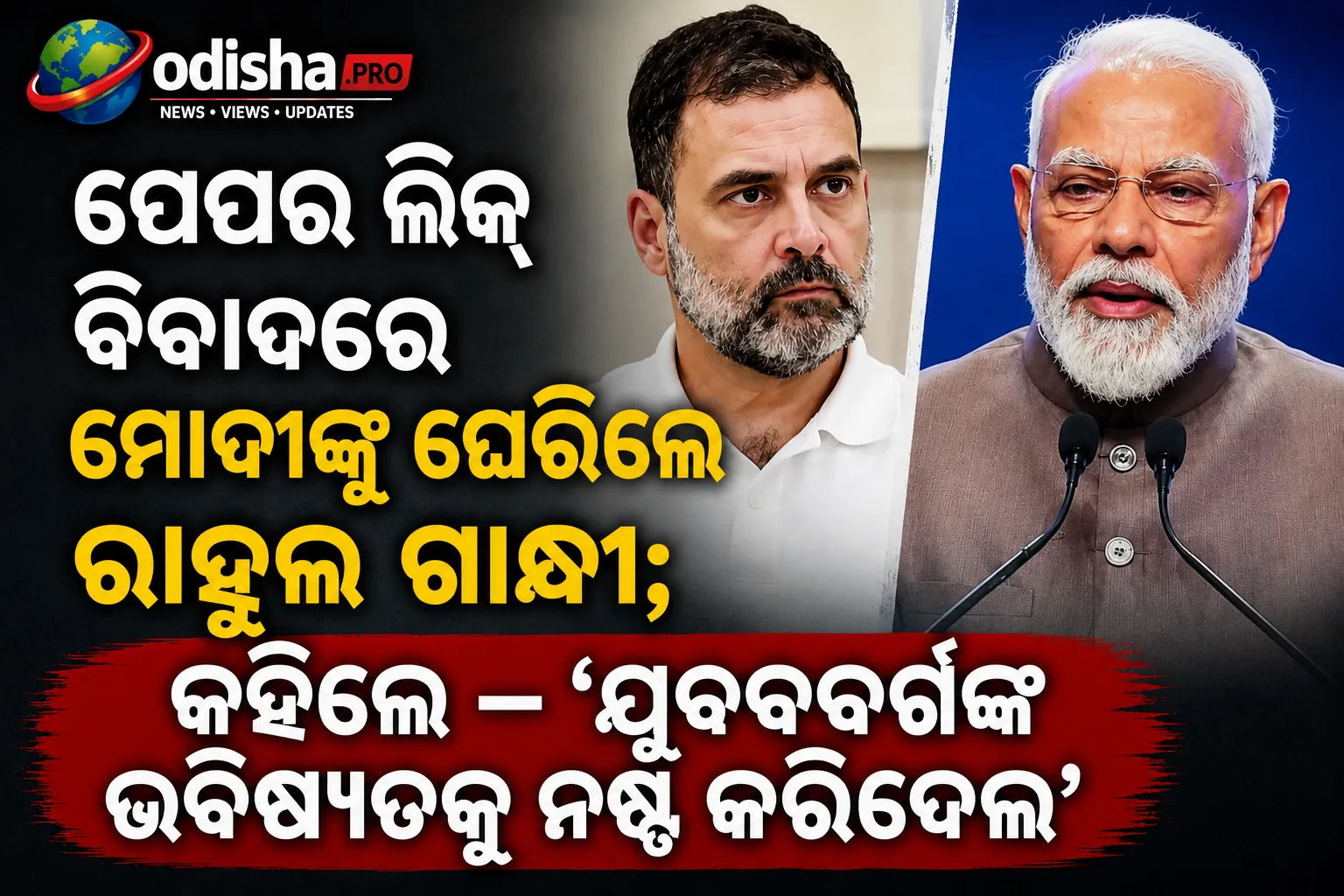
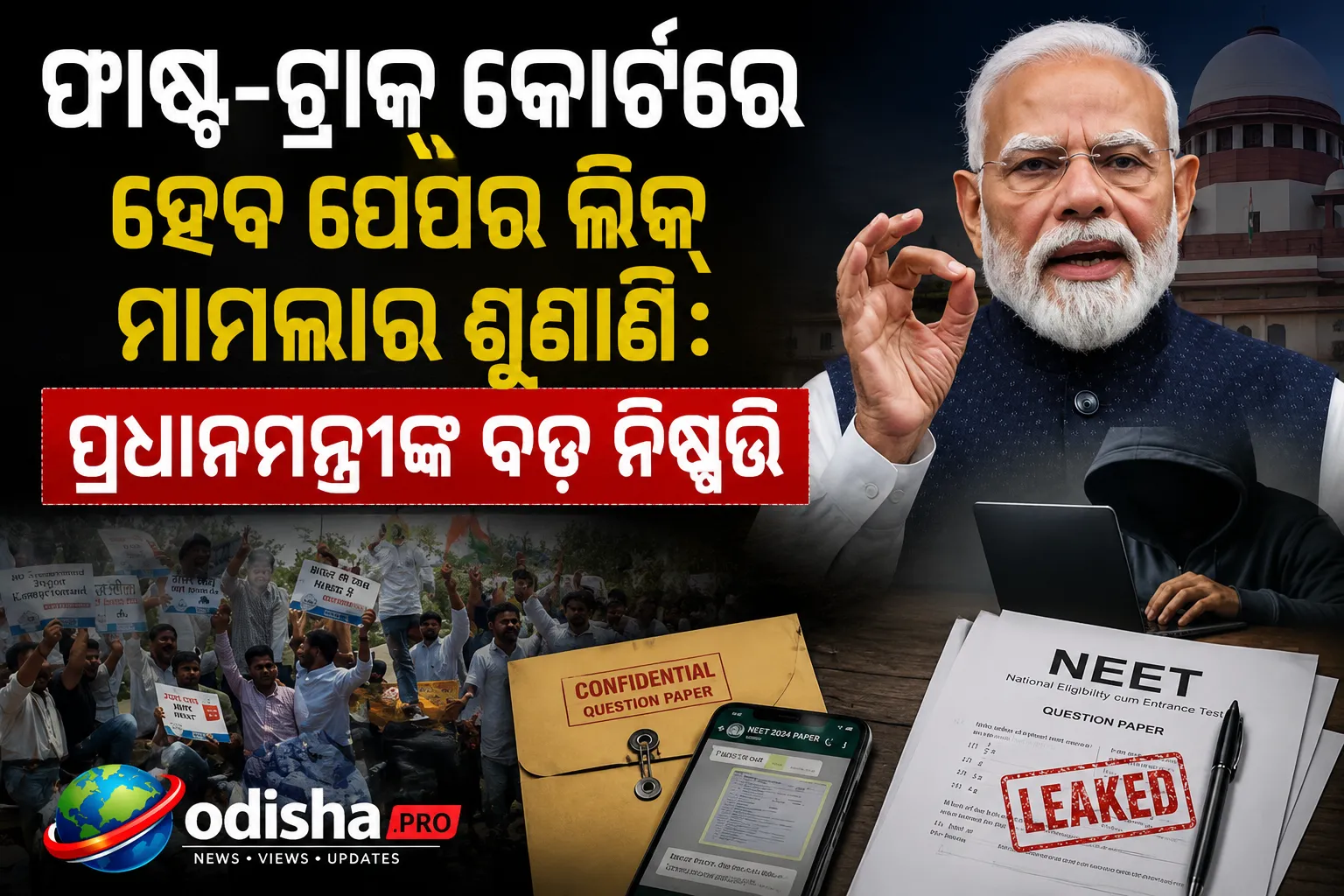
ଦେଶରେ ପେପର ଲିକ୍ ବିବାଦ ଏବେ ଚରମ ସୀମାରେ ପହଞ୍ଚିଛି। ଏହି...
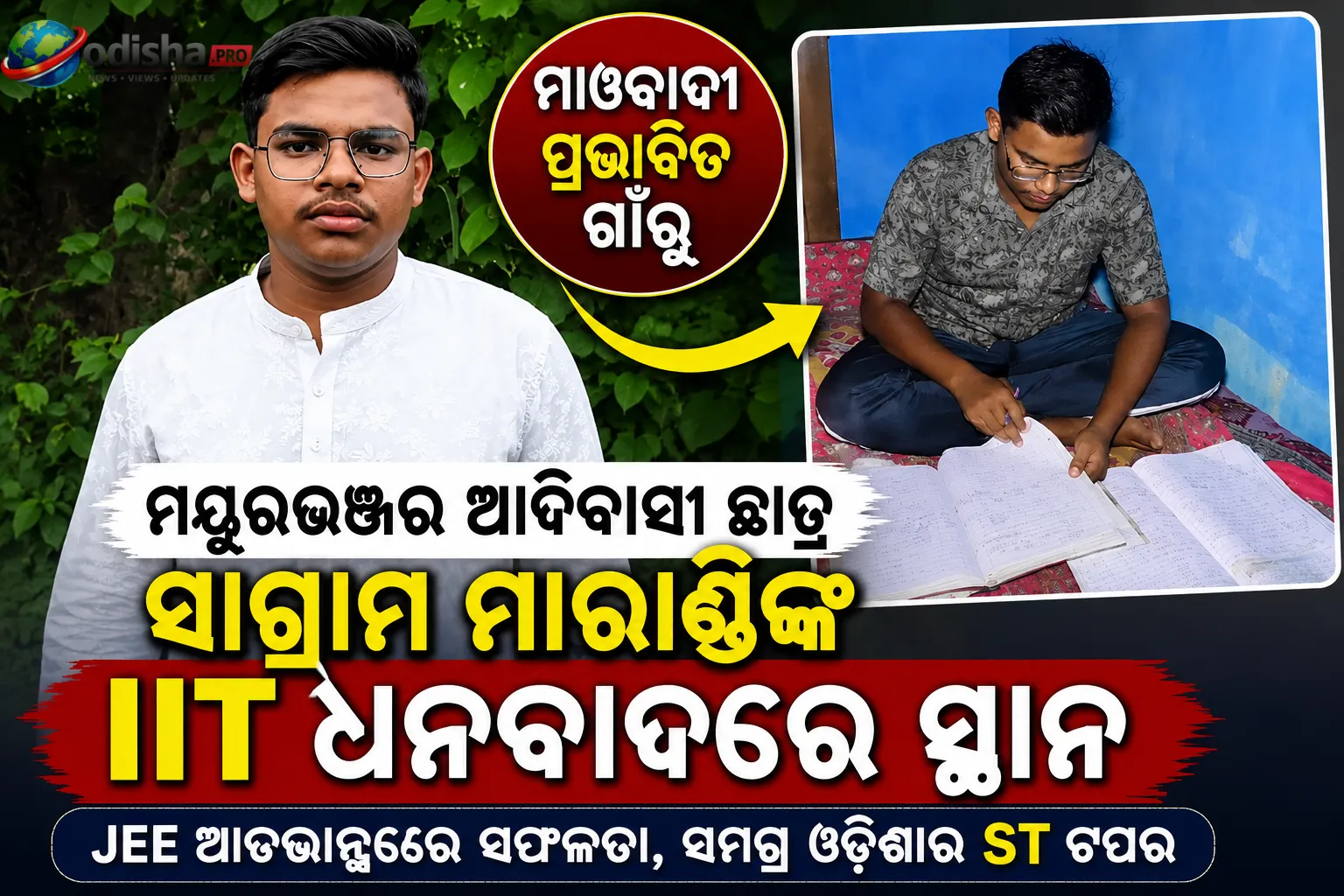
ମାଓବାଦୀ ପ୍ରଭାବିତ ଅଞ୍ଚଳରୁ ଆସିଥିବା ଜଣେ ଆଦିବାସୀ ଛାତ୍ର...
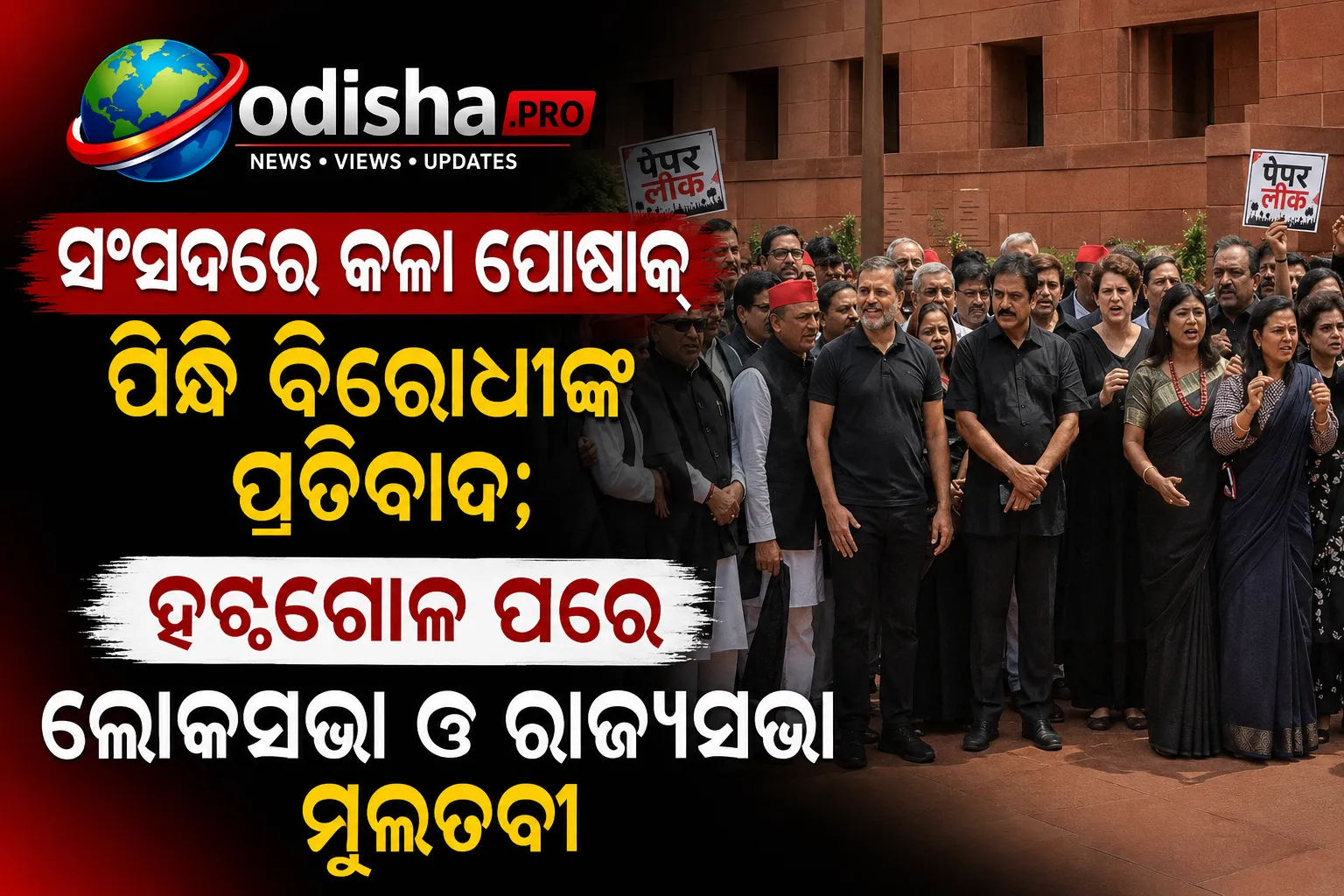
ସଂସଦର ମୌସୁମୀ ଅଧିବେଶନର ତୃତୀୟ ଦିନ ବୁଧବାର ବିରୋଧୀ ସାଂସ...
ରାଜଧାନୀ ଦିଲ୍ଲୀର ଜନ୍ତରମନ୍ତରରେ ଛାତ୍ରଛାତ୍ରୀଙ୍କ ବିରୋଧ...
ମେଷ ଏହି ସପ୍ତାହ ଆପଣଙ୍କ କର୍ମକ୍ଷେତ୍ର ପାଇଁ ଉତ୍ସାହଜନ...
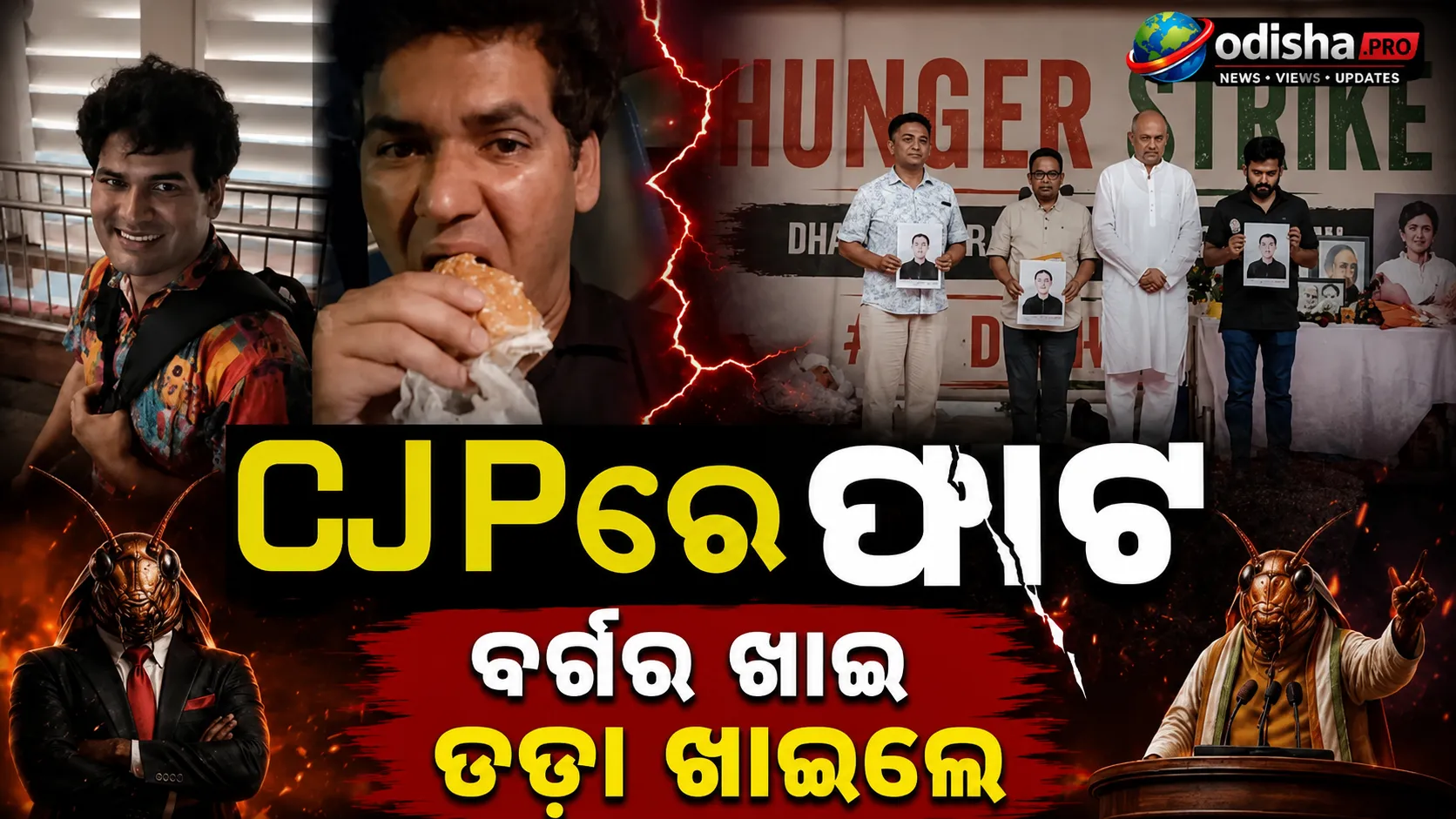
ଦିଲ୍ଲୀ ରାଜନୀତିରେ ଏବେ ଏକ ଅଜବ ଘଟଣାକୁ ନେଇ ଚର୍ଚ୍ଚା ଜୋର...