






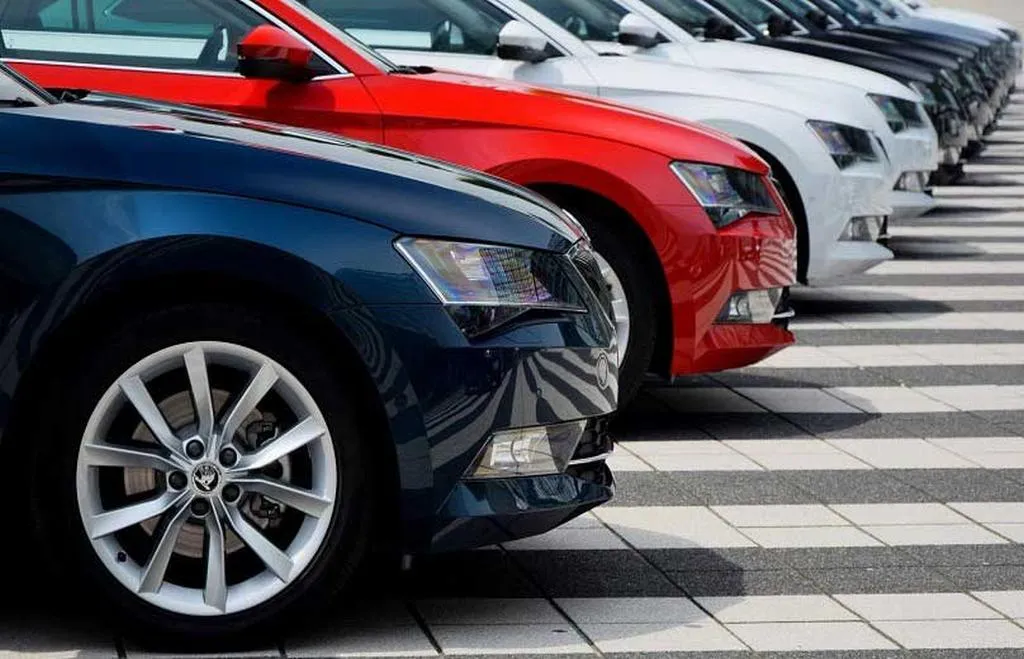
The India-European Union trade agreement has sparked debate over its potential impact on the domestic automobile industry, particularly around the sharp reduction in import duties on fully built cars. Under the proposed structure, duties on completely built units could be reduced from around 110% to nearly 40% in the initial phase, raising concerns about increased European competition.
However, global brokerage assessments suggest the practical impact may be far more limited. Most mass-market European carmakers operating in India, including Volkswagen, Skoda and Renault, rely primarily on locally assembled vehicles using completely knocked-down kits, which already attract lower duties of around 17%. These duties are not expected to change under the trade deal, meaning prices for popular models are unlikely to fall.
The main beneficiaries of lower import duties are expected to be luxury carmakers that import vehicles as fully built units. While brands such as Porsche, Lamborghini, Audi and BMW could see improved pricing, their volumes remain small relative to the broader market.
Brokerage analysis from Goldman Sachs indicates that even for Mahindra & Mahindra, which has higher exposure to the premium price segment, the potential profit impact remains modest due to its diversified earnings base. Overall, analysts believe fears of widespread disruption in the Indian auto sector from the India-EU trade deal are exaggerated.

Bigg Boss 20ର ପ୍ରୋମୋକୁ ନେଇ ଅଭିନେତା ସଲମାନ ଖାନ୍&zwnj...
ବଢ଼ୁଥିବା ଖାଦ୍ୟଦ୍ରବ୍ୟ ଦରକୁ ନେଇ କଂଗ୍ରେସ ନେତା ଜୟରାମ ର...

ସାଉଥ୍‌ ସିନେମାର ଚର୍ଚ୍ଚିତ ଅଭିନେତା ଅଲ୍ଲୁ ଅର୍ଜୁନଙ...
ପଶ୍ଚିମବଙ୍ଗର ରେଜିନଗର ଉପନିର୍ବାଚନକୁ ନେଇ ଶନିବାର ମମତା ବ...

ମୁମ୍ବାଇ: ସେଲିବ୍ରିଟିଙ୍କ ଶରୀର, ବୟସ, ଚେହେରା ଓ ବ୍ୟକ୍ତି...
ଚେନ୍ନାଇ: ତାମିଲନାଡୁର TASMAC ରିଟେଲ୍‌ ମଦ ଦୋକାନର...

ବଲିଉଡ୍‌ର ଲୋକପ୍ରିୟ କମେଡି ଫ୍ରାଞ୍ଚାଇଜ୍ ‘Go...
ଇନ୍ଦୋର: ରାହୁଲ ଗାନ୍ଧୀଙ୍କ ‘ଛାତ୍ରୋଁ କି ଗୁଞ୍ଜ&rs...