



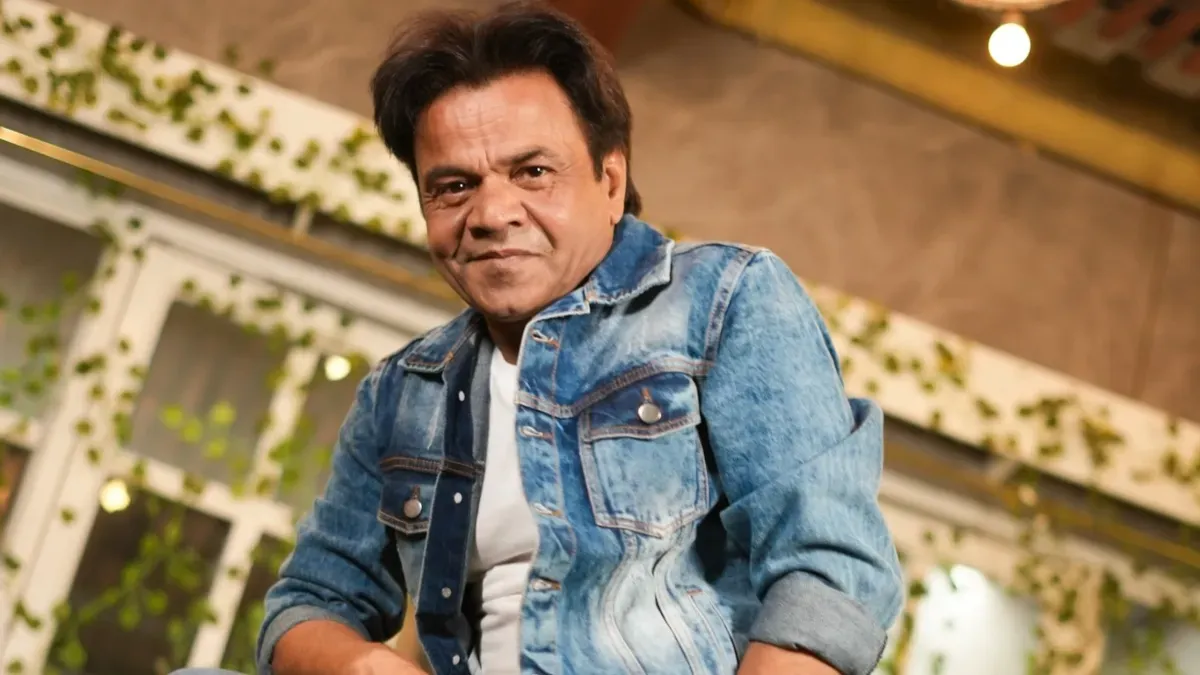
The Delhi High Court has postponed the hearing of actor Rajpal Yadav’s bail plea to February 16 in connection with a long-running cheque bounce case. The matter pertains to a Rs 5 crore loan taken in 2010 for his directorial debut, Ata Pata Lapataa, which later escalated to a significantly higher amount due to legal and financial proceedings.
Following the hearing, Yadav’s counsel, Bhaskar Upadhyay, informed the media that the actor has already paid Rs 2.5 crore toward the disputed amount. He also stated that an additional Rs 1 crore had earlier been deposited with the court registry, and a cheque of Rs 25 lakh was brought during the latest hearing. The legal team has expressed readiness to deposit further funds as required.
According to the lawyer, the original Rs 5 crore consent decree eventually increased to Rs 11 crore over time. The opposing party allegedly refused payment at one stage and pursued execution proceedings, which ultimately led to a three-month imprisonment order to satisfy the decree. The case traces back to earlier legal proceedings dating to 2012.
On February 12, the court issued notice to Murli Projects Company, which had extended the loan, seeking its response to Yadav’s bail application. The matter reportedly involves nearly Rs 9 crore that remains disputed.
Yadav’s legal team has argued that imprisonment should not be solely based on an undertaking in a financial dispute and has sought clarity from the court regarding earlier commitments. Meanwhile, reports suggest that individuals from Bollywood and political circles have come forward to offer financial assistance to help settle the dues.
The final decision on the bail plea will now depend on the court’s observations at the next hearing.

ଅଦାନୀ ଗ୍ରୁପ୍‌ର ଅଦାନୀ ଏନର୍ଜି ସଲ୍ୟୁସନ୍ସ ଲିମିଟେଡ...
ମାଓବାଦୀ ପ୍ରଭାବିତ ଅଞ୍ଚଳରୁ ଆସିଥିବା ଜଣେ ଆଦିବାସୀ ଛାତ୍ର...
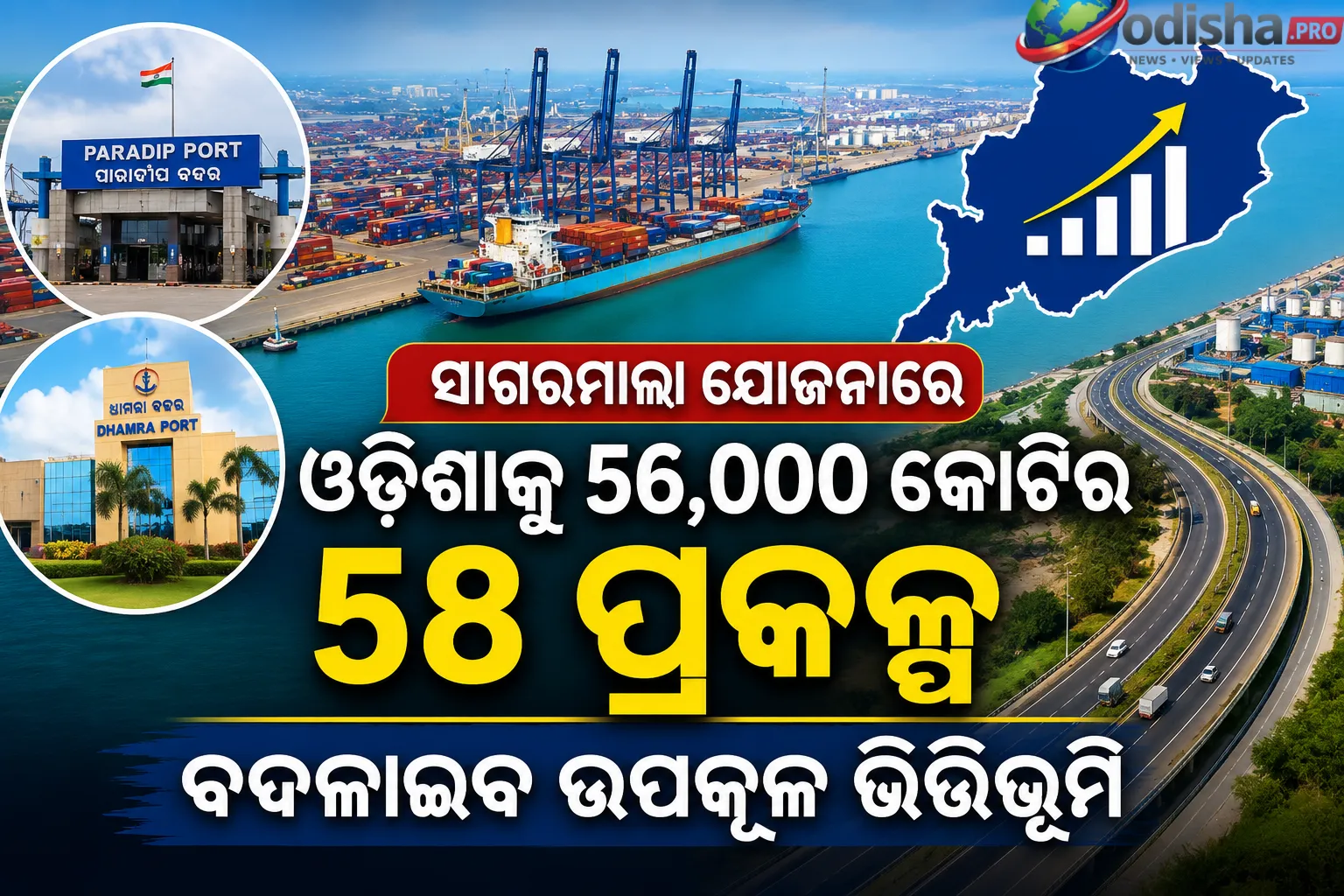
ସାଗରମାଳା କାର୍ଯ୍ୟକ୍ରମ ଅଧୀନରେ ଓଡ଼ିଶା ଦେଶର ଅଗ୍ରଣୀ ରାଜ...
ଉଚ୍ଚଶିକ୍ଷା ପାଇଁ ବଢ଼ୁଥିବା ଖର୍ଚ୍ଚ ଅନେକ ପରିବାରଙ୍କ ପାଇ...
ବାଂଲାଦେଶର ରାଜନୀତିରେ ପୁଣି ଥରେ ବଡ଼ ହଇଚଇ ସୃଷ୍ଟି ହୋଇଛି...
ରାଜଧାନୀ ଦିଲ୍ଲୀର ଜନ୍ତରମନ୍ତରରେ ଛାତ୍ରଛାତ୍ରୀଙ୍କ ବିରୋଧ...
: ୟୁକ୍ରେନ ସଂଘର୍ଷ ଅଞ୍ଚଳରେ କାର୍ଯ୍ୟରତ ଭାରତୀୟ ନାବିକଙ୍କ...
ଉଚ୍ଚଶିକ୍ଷା ଅନୁଷ୍ଠାନଗୁଡ଼ିକରେ ନିଯୁକ୍ତି ପ୍ରକ୍ରିୟାକୁ ଅ...
ରାଜଧାନୀ ଦିଲ୍ଲୀରେ ଚାଲିଥିବା ତୀବ୍ର ପ୍ରତିବାଦ ଓ ଆନ୍ଦୋଳନ...

ଆମେରିକା ଓ ଇରାନ ମଧ୍ୟରେ ବଢ଼ୁଥିବା ସାମରିକ ସଂଘର୍ଷର ପ୍ରଭ...

ଓଡ଼ିଶାକୁ ମିଳିଛି ଆଉ ଏକ ବଡ଼ ଶିଳ୍ପ ପ୍ରକଳ୍ପ। କେନ୍ଦ୍ର ସ...