




Severe Cold Wave Grips Northern India; Delhi Records Season’s Lowest Temperature
Delhi and several northern states shivered undersevere cold on Monday, with the national capital recording a minimum temperature of3.2°C, the season’s coldest so far. The extreme chill promptedcold wave alerts and school closuresin some areas.
TheIndia Meteorological Department (IMD)warned that freezing conditions are likely to persist over the next few days, withsevere cold wave conditionsexpected in isolated pockets across northern India. Minimum temperatures are forecast to remain3–5 degrees below normalin Delhi and surrounding regions for the next three days, while maximum temperatures are expected to stay normal before rising slightly thereafter.
Rajasthan, Punjab, Haryana, Delhi, Himachal Pradesh, and Uttarakhand:Cold wave to severe cold wave conditions on January 12–13.
Northwest India and Bihar:Dense fog expected for the next five days, reducing visibility and affecting travel.
Punjab & Haryana:Bathinda 1.6°C, Hisar 2.2°C, Narnaul 3°C, Faridkot 2.9°C, Ludhiana 4.6°C, Patiala 3.8°C, Amritsar 3.2°C, Chandigarh 5°C, Ambala 5.5°C, Faridabad 4.2°C, Rohtak 4°C.
Rajasthan:Pratapgarh −2°C, Barmer −1°C, Pilani 1.2°C, Sikar 1.7°C, Churu 2°C.
Jharkhand:Gumla 2.8°C, Palmau (Daltonganj) 4.9°C, Khunti 5.6°C; schools in Ranchi district closed for students up to class six until January 14.
Kashmir (‘Chilla-i-Kalan’ cold spell):Srinagar −5.2°C, Shopian −8.6°C, Pahalgam −7.6°C, Gulmarg −6.2°C.
Dense fog causedtravel disruptions and accidentsin Bihar. On Monday, a man and his daughter were killed and four others injured when an SUV collided with a container truck on the Bakhtiyarpur-Mokama highway. Cold conditions are expected in isolated parts of Bihar untilJanuary 16.
The IMD advises residents in affected areas totake precautions against extreme cold, avoid outdoor exposure, and exercise caution while traveling in dense fog.
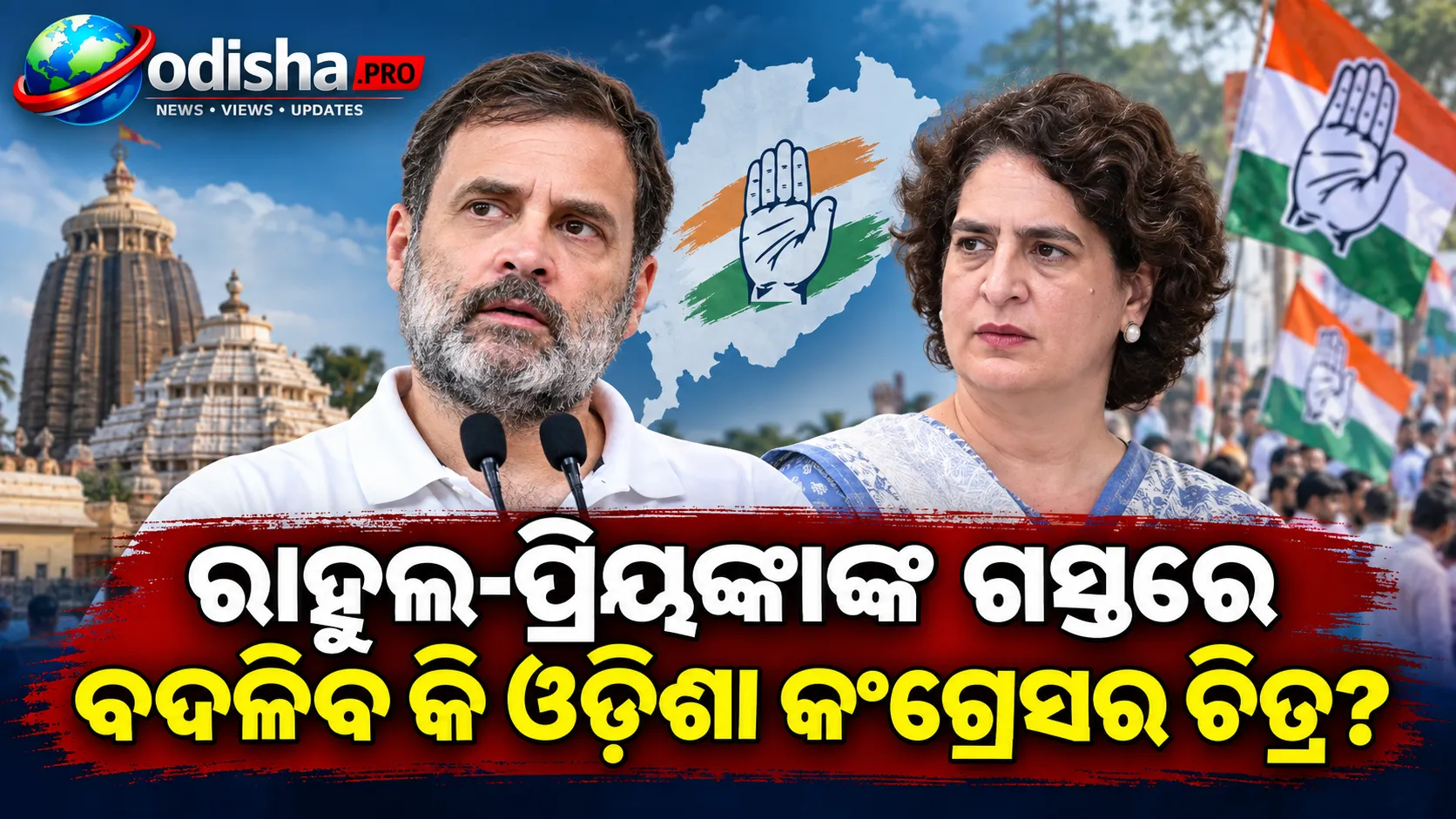
୨୦୨୭ ପଞ୍ଚାୟତ ନିର୍ବାଚନକୁ ନଜରରେ ରଖି ଓଡ଼ିଶାରେ ନିଜର ସା...

ଭାରତୀୟ କ୍ରିକେଟର ପୃଥ୍ୱୀ ଶ’ ଓ ଆକୃତି ଅଗ୍ରୱାଲଙ୍କ...

ଆଫଗାନିସ୍ତାନ ବିପକ୍ଷ ତୃତୀୟ ତଥା ଅନ୍ତିମ ଟି-୨୦ରେ ଭାରତ ଦ...
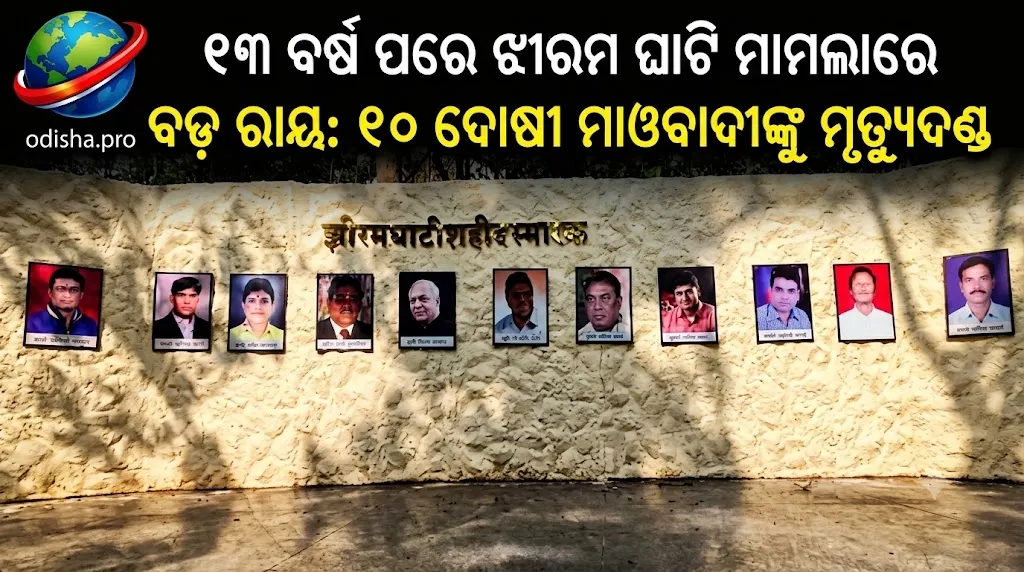
୨୦୧୩ର Jhiram Valley ମାଓବାଦୀ ଆକ୍ରମଣ ମାମଲାରେ୧୩ ବର୍ଷ...
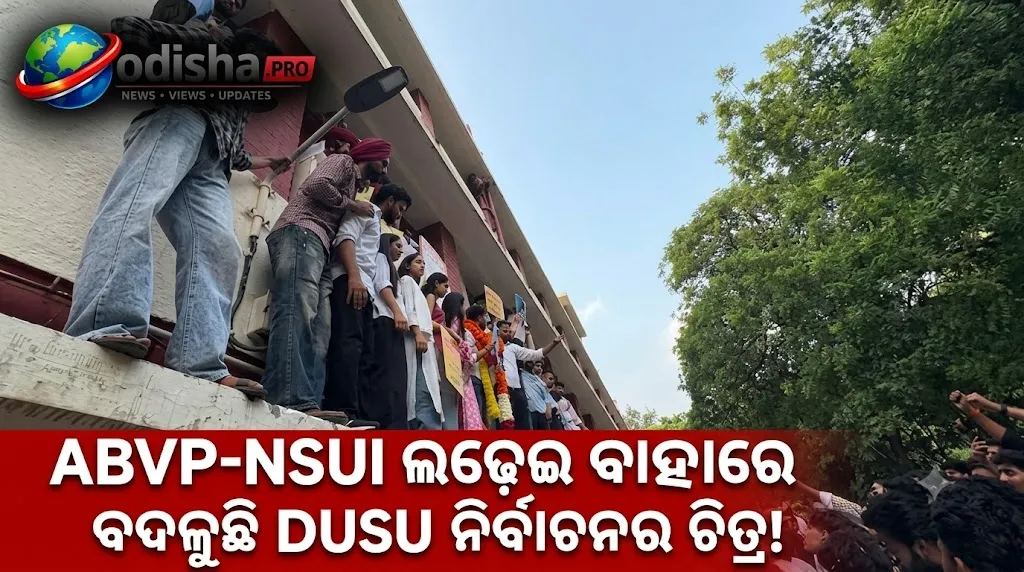
Delhi Universityରେ ସେପ୍ଟେମ୍ବର ଆସିଲେ ଛାତ୍ର ରାଜନୀତିର...
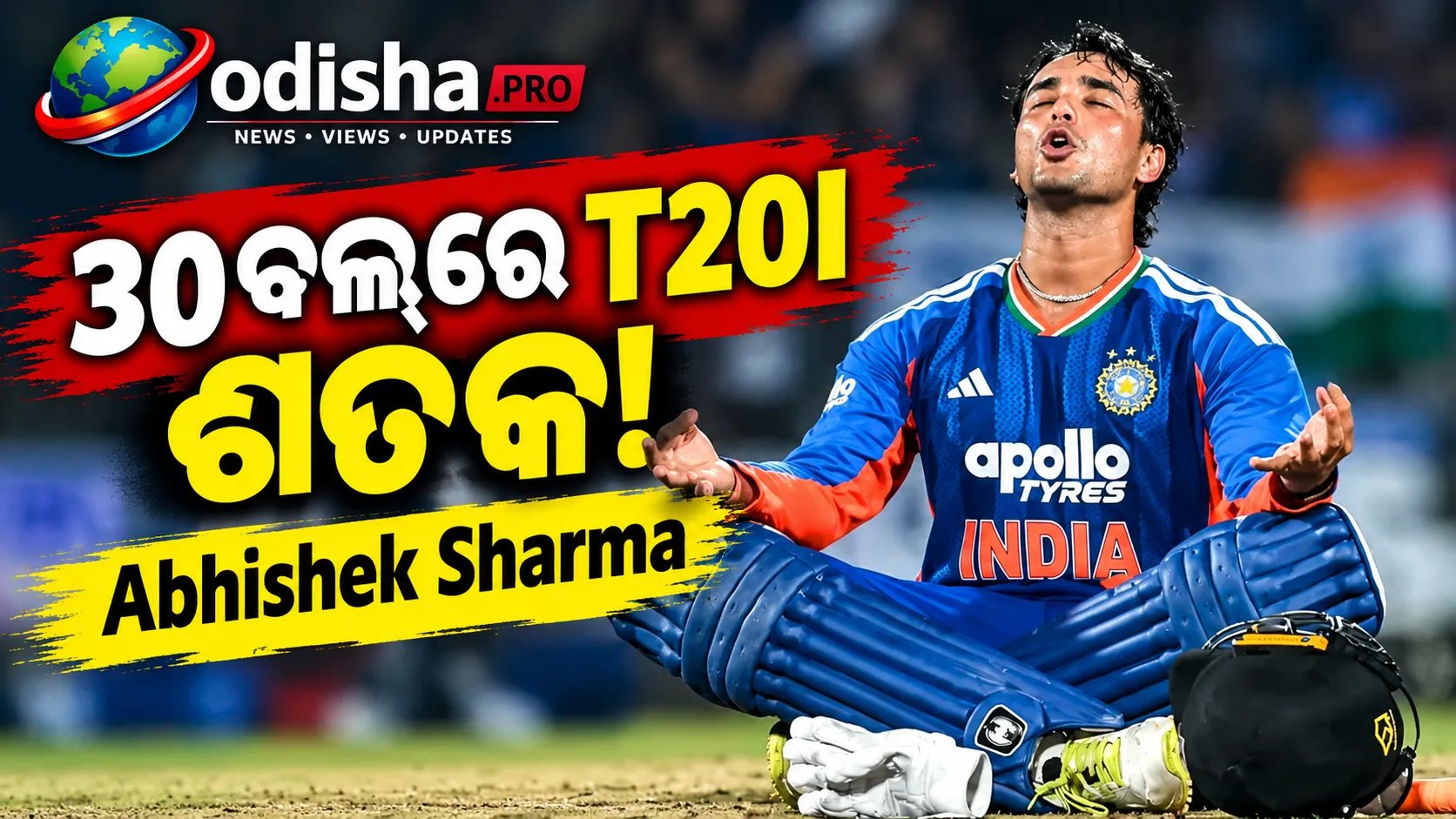
ନୂଆଦିଲ୍ଲୀର ଅରୁଣ ଜେଟଲୀ ଷ୍ଟାଡିୟମରେ ଆଫଗାନିସ୍ତାନ ବିପକ୍...

କ୍ରିକେଟ ପଡ଼ିଆରେ ବିସ୍ଫୋରକ ବ୍ୟାଟିଂ ପାଇଁ ପରିଚିତ ପୂର୍ବ...
ଭାରତରେ ବାମପନ୍ଥୀ ଦଳଗୁଡ଼ିକର ରାଜନୈତିକ ପ୍ରଭାବ ଗତ କିଛି...
