





For weeks leading up to the U19 World Cup final, the narratives around Vaibhav Sooryavanshi had grown louder and harsher. Too young. Too inexperienced. Not built for pressure. At just 14, the prodigy was already carrying the weight of India’s cricketing obsession on his shoulders.
The scars of the Asia Cup final against Pakistan still lingered. An underwhelming outing on a big stage had critics questioning whether the teenager possessed the temperament required for elite competition. Even Vaibhav admitted during the tournament that he was worried about not converting starts into big scores—a concern that feels almost surreal for someone still balancing cricket with school life.
Yet when it mattered most, Vaibhav didn’t respond with words. He responded with history.
A World Cup final for the ages
One hundred and seventy-five runs. In a World Cup final. At fourteen years of age.
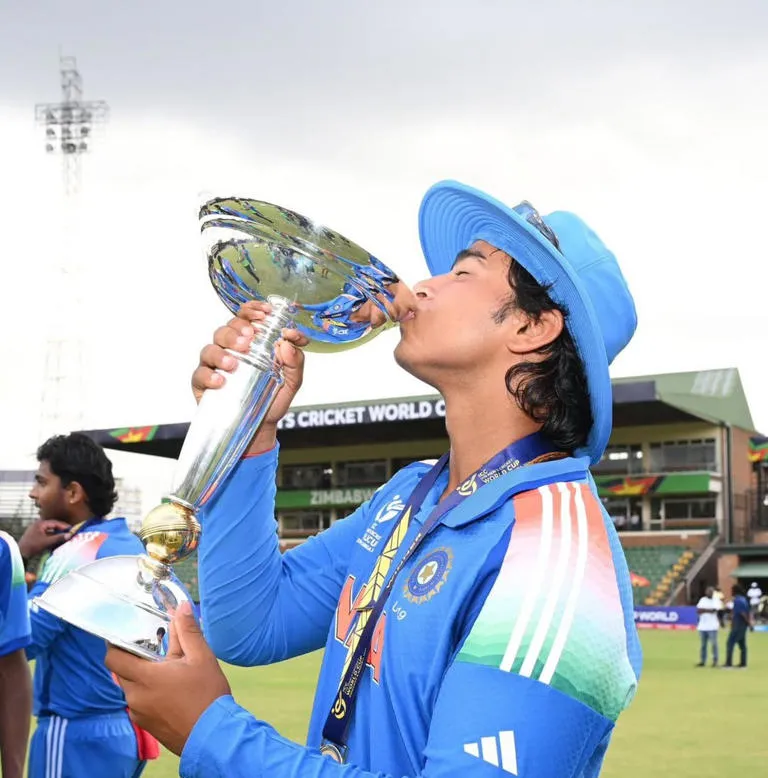
It was not merely a knock; it was a statement that redefined expectations of youth cricket. Vaibhav dismantled the opposition attack with authority, anchoring India to their sixth U19 World Cup title with an innings that will be spoken about for decades.
He began with composure, respecting the new ball and assessing conditions. But caution never turned into passivity. Within the first ten overs, he was already racing through the forties, setting the tempo for an innings that soon spiralled beyond control for the bowlers.
As the innings progressed, it felt less like a youth match and more like a senior international masterclass. Boundaries flowed with alarming ease, yet every stroke carried intent and clarity. By the halfway stage of the innings, Vaibhav had single-handedly ensured India were scoring at nearly ten runs an over—an achievement even seasoned professionals struggle to maintain.
Perhaps the most staggering detail of all: he reached 175 by the halfway mark of the innings. The inevitable question lingers—had he batted deeper, what might have been possible? For the first time, conversations about triple hundreds no longer feel premature.
Answering criticism the only way that matters
The criticism Vaibhav faced was relentless. Questions about temperament, pressure handling and maturity flooded timelines. Some even suggested he needed to be “humbled”.
It was an uncomfortable reflection of how quickly expectations can turn cruel, especially when magnified by social media and 24-hour analysis. A child, dissected like a finished product.
Yes, he failed in the Asia Cup final. Yes, there were moments when he fell short. But growth in cricket—like life—comes through failure. Legends were once teenagers who struggled too. We just choose to forget.
The World Cup final was Vaibhav’s answer. Delivered with a bat, not a rebuttal. Calm, ruthless, unforgettable.
Why this innings was truly special
What elevated the 175 beyond numbers was the intelligence behind it. This was modern batting at its finest—controlled aggression, calculated risks and deep awareness of match situations.
Vaibhav rotated strike when needed, built partnerships and attacked bowlers with precision rather than desperation. The balance between power and composure marked him out as different. Not just talented, but elite.
Watching him bat felt like witnessing someone operating on a level beyond his peers—shot selection, confidence, and mental clarity well ahead of his age.
What lies ahead
Vaibhav has conquered the U19 stage. Naturally, questions about his future have intensified.
His childhood coach Manish Ojha has already voiced bold predictions, suggesting that Vaibhav could be ready for the Indian team within the next two years and even be considered for T20 World Cup contingencies if circumstances demand.
While the temptation to fast-track him is understandable, caution remains essential. Talent thrives best when protected. With a competitive Indian T20 setup already stacked, the focus should remain on structured growth—India A exposure, domestic cricket, IPL consistency and mental conditioning.
At just 14, time is Vaibhav’s greatest ally. The real challenge now is not discovering his talent, but safeguarding it from burnout and unrealistic expectations.
A reminder beyond numbers
Vaibhav Sooryavanshi’s story is bigger than one innings. It is a reminder that greatness doesn’t always arrive on schedule or with permission. Sometimes it walks in quietly—bat in hand, pressure on shoulders—and leaves with history rewritten.
The doubts have been answered. The narratives have changed. Now comes the responsibility of letting a prodigy grow, learn and remain, above all else, a kid who loves cricket.

ସକ୍ରିୟ ମୌସୁମୀ ବାୟୁ ପ୍ରଭାବରେ ଓଡ଼ିଶାର ବିଭିନ୍ନ ସ୍ଥାନର...
ପଶ୍ଚିମ ନେପାଳରେ ବୁଧବାର ପ୍ରତ୍ୟୁଷରେ ଏକ ମୃଦୁ ଭୂମିକମ୍ପ...
ଆମେରିକା ଓ ଇରାନ ମଧ୍ୟରେ ବଢ଼ୁଥିବା ସାମରିକ ସଂଘର୍ଷର ପ୍ରଭ...

ହଲିଉଡ୍ ଚଳଚ୍ଚିତ୍ର‘Godzilla vs. Kong’ଏବଂ...

ବଲିଉଡ୍ର ସବୁଠାରୁ ଲୋକପ୍ରିୟ ଏବଂ ସଫଳ ଚଳଚ୍ଚିତ୍ର ମଧ୍ୟରୁ...
ଫିଲିପାଇନ୍ସର ରାଜଧାନୀ ମାନିଲାରେ ଆୟୋଜିତ ଆସିଆନ୍ ବୈଦେଶିକ...

ସମ୍ବଲପୁରସ୍ଥିତ ହୀରାକୁଦ ଡ୍ୟାମର ଜଳସ୍ତର ଲଗାତାର ବଢ଼ିବାର...

ବଲିଉଡ୍‌ର ‘ଶେହେନଶାହ’ ଅମିତାଭ ବଚ୍ଚନଙ...

ଲଘୁଚାପ ପ୍ରଭାବରେ ଲଗାଣ ବର୍ଷା ଯୋଗୁଁ ଢେଙ୍କାନାଳ ଜିଲ୍ଲାର...

ରାଜ୍ୟରେ ଲଗାଣ ବର୍ଷା ଜାରି ରହିଥିବା ବେଳେ ବାଲେଶ୍ୱର ଜିଲ୍...
ଜାପାନରେ ପ୍ରବଳ ତାତି ଓ ଗ୍ରୀଷ୍ମ ପ୍ରବାହ ଜନଜୀବନକୁ ବିପର୍...

ନିର୍ଦ୍ଦେଶକ ନୀତେଶ ତିୱାରୀଙ୍କ ବହୁ ପ୍ରତୀକ୍ଷିତ ଚଳଚ୍ଚିତ୍...