







In a major archaeological breakthrough, the Archaeological Survey of India (ASI) has unearthed evidence of a well-organised rural settlement dating back nearly 3,500 to 4,000 years in Odisha’s Cuttack district.
The discovery was made during excavations at Bharati Huda in Jalarpur village. According to ASI sources, the site revealed remains of circular mud structures, indicating planned habitation patterns. Archaeologists also discovered diverse ceramic traditions, traditional pottery, stone and bone tools, traces of metal objects, and extensive faunal remains.
Significantly, the excavation provided evidence of cultivated rice and green gram (mung), suggesting that agriculture formed a key part of the settlement’s subsistence economy. Animal and fish remains further indicate that the inhabitants practised animal husbandry, hunting, and fishing alongside farming.
Experts believe the findings offer valuable insights into early habitation systems and socio-economic practices in prehistoric coastal Odisha. The presence of structured dwellings and organised economic activities points to an advanced level of community living during the proto-historic period.
Taking to its official ‘X’ handle, the ASI stated that the discoveries reflect a subsistence economy based on farming, stock-raising, hunting, and fishing. The excavation sheds light on early settlement patterns and everyday lifestyles that existed in the region thousands of years ago.
The development follows renewed interest in ancient human habitation in the state. In the Rairakhol region of Sambalpur district, archaeologists had identified a probable 10,000-year-old human settlement. Prehistoric rock carvings and artefacts were found at 42 locations across Bhima Mandali, Raila, Landimal, and Luhapanka panchayats, including protected forest areas.
The carvings, largely depicting animals and birds, are believed to represent early human artistic expression. These findings had prompted the ASI to launch an extensive survey earlier to investigate the ancient remnants.

ନୂଆଦିଲ୍ଲୀ:NEET-UG 2026 ପ୍ରଶ୍ନପତ୍ର ଲିକ୍ ମାମଲାରେ କେନ...

ସରକାରୀ ଚାକିରିର ସ୍ଥିରତା ଛାଡ଼ି ନିଜ ପିଲାଦିନର ସ୍ୱପ୍ନ ପ...
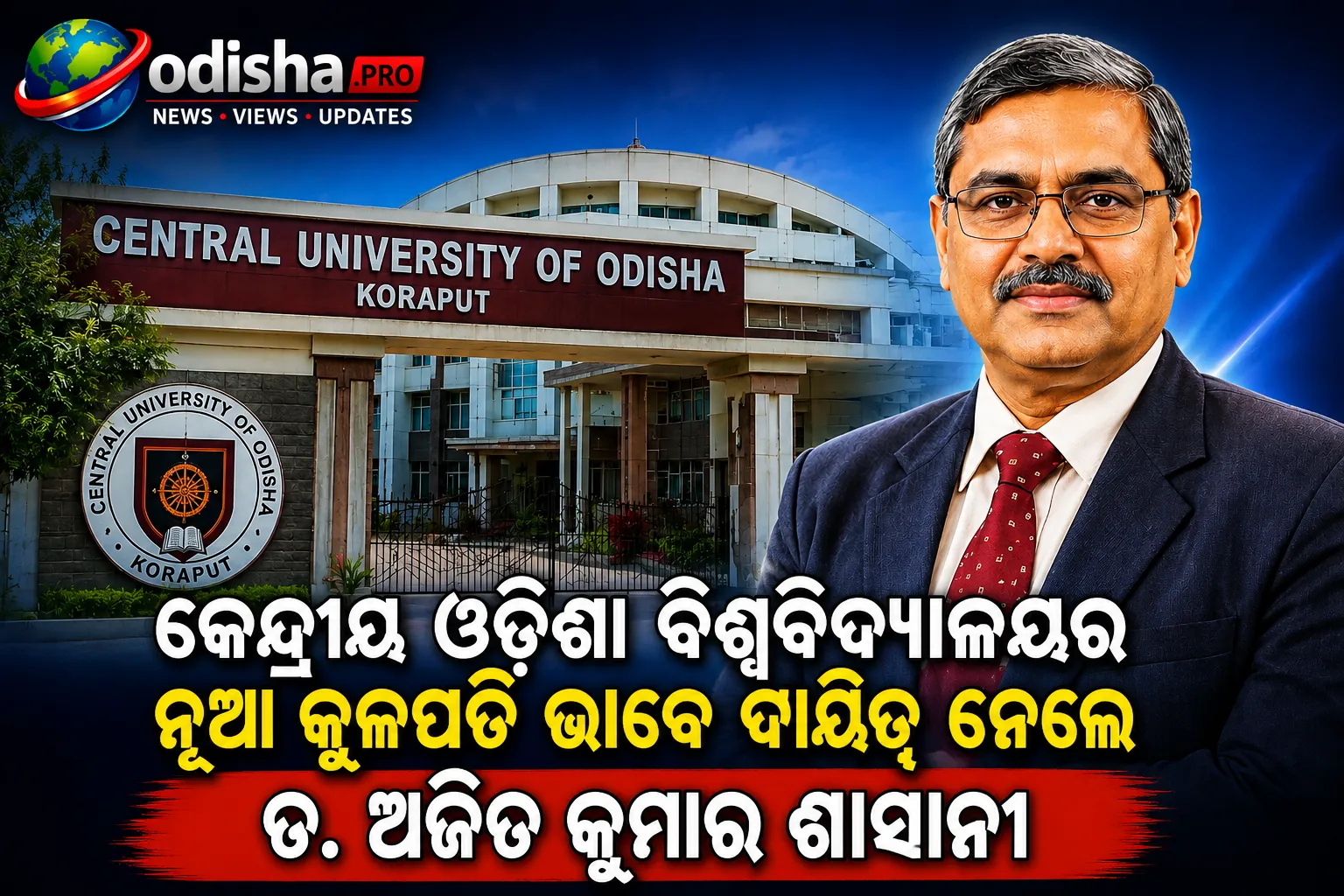
କୋରାପୁଟସ୍ଥିତ କେନ୍ଦ୍ରୀୟ ଓଡ଼ିଶା ବିଶ୍ୱବିଦ୍ୟାଳୟ (CUO)ର...

ଭାରତରେ ଚିପ୍ସ, ମିଠା ପାନୀୟ ଓ ଅନ୍ୟାନ୍ୟ ପ୍ୟାକେଜ୍ଡ ଖାଦ୍...

ଆଲାର୍ମ ବାଜିବା ପୂର୍ବରୁ ସ୍ୱାଭାବିକ ଭାବେ ଉଠିବା ଅନେକଙ୍କ...

‘୧୦୦%’ ଦାବିକୁ ନେଇ ITC Limited ଏବଂ ଭାରତ...
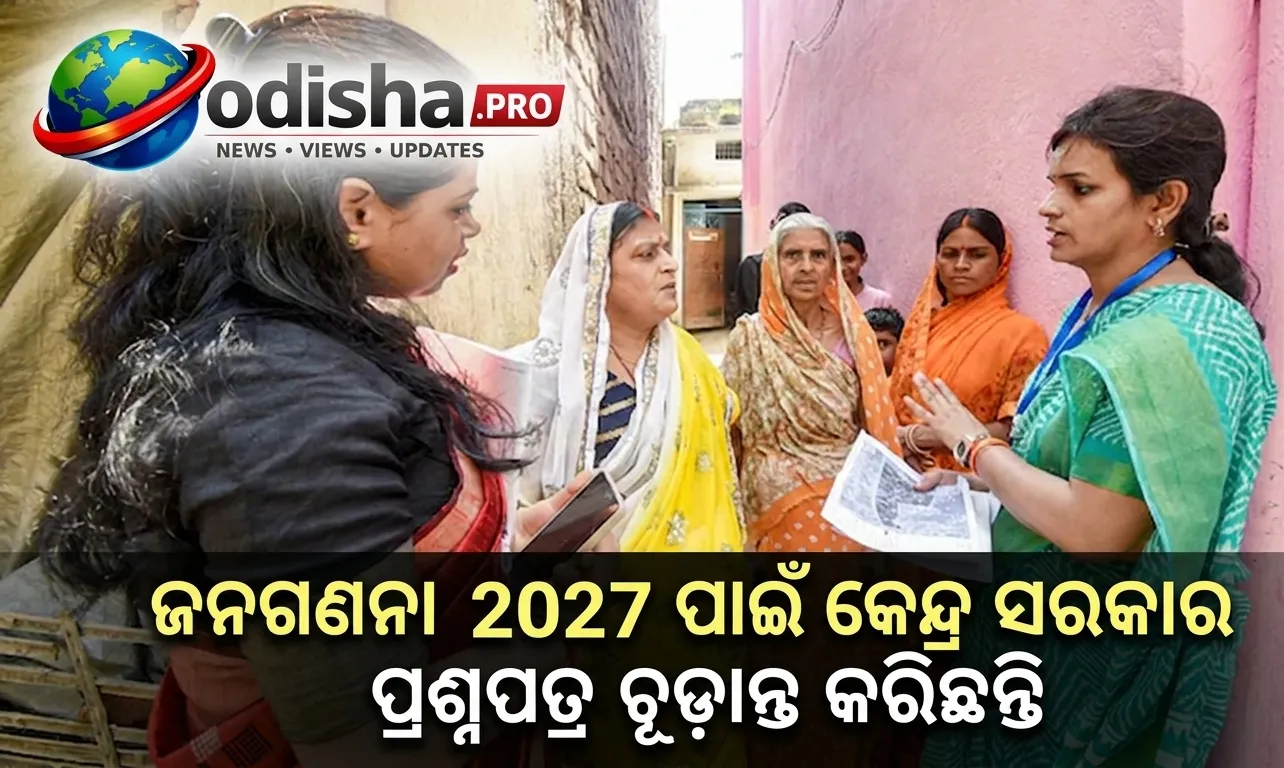
ନୂଆଦିଲ୍ଲୀ:ଜନଗଣନା ୨୦୨୭ ପାଇଁ କେନ୍ଦ୍ର ସରକାର ପ୍ରଶ୍ନପତ୍...
ୟଶଙ୍କ ଅଭିନୀତ‘Toxic: A Fairy Tale for Grown-U...
ନେପାଳ-ତିବ୍ବତ ସୀମାରେ ଭୟଙ୍କର ଫ୍ଲାସ୍ ଫ୍ଲଡ୍ ପରେ ସହାୟତା...
କନ୍ନଡ ଅଭିନେତା ୟଶଙ୍କ ଅଭିନୀତ ଫିଲ୍ମ **‘Toxic: A...
ଅଭିନେତ୍ରୀ ତଥା ବିଜେପି ସାଂସଦ କଙ୍ଗନା ରଣାୱତ ଏବଂ ଯୋଗଗୁର...

ପ୍ରଥମ ଶ୍ରେଣୀ ପାଠ୍ୟପୁସ୍ତକକୁ ନେଇ ଚାଲିଥିବା ବିବାଦ ମଧ୍ୟ...
