






A simple fall can quietly change everything for an elderly person — confidence fades, movement becomes cautious, and fear takes over daily life. As India’s senior citizen population is projected to reach nearly 230 million by 2036, finding ways to help older adults age with dignity and independence has become increasingly urgent.
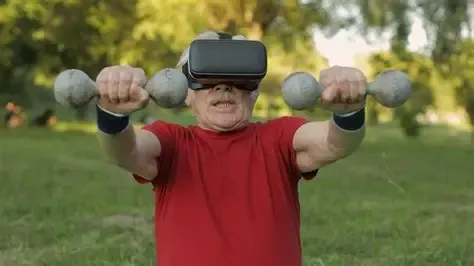
Virtual reality, once associated mainly with gaming, is now finding a place in eldercare and rehabilitation. Experts say VR-based interventions can support balance, coordination, reaction time, and cognitive functions, while also addressing anxiety, depression, and fear of falling — common yet under-recognised challenges among seniors.
Doctors explain that VR works by engaging multiple senses at once, encouraging neuroplasticity and helping the brain stay active and adaptable. Gamified environments allow older adults to practise movement, navigation, and memory tasks in safe, controlled settings, gradually rebuilding confidence. Familiar virtual spaces, such as temples or neighbourhood streets, make therapy emotionally meaningful rather than mechanical.
In India, VR is already being used for elder rehabilitation, dementia care, and post-stroke recovery across major cities. Companies offering VR-based therapy report improved engagement, reduced anxiety, and higher patient satisfaction compared to traditional rehabilitation alone. Sessions typically cost between Rs 500 and Rs 1,500, with monthly programmes priced higher.
However, challenges remain. Accessibility, technological literacy, physical side effects like dizziness, and the need for trained supervision limit widespread adoption. Experts caution that VR is not a replacement for conventional therapy or caregiving, but a complementary tool that can ease the burden on caregivers and enhance quality of life.
Looking ahead, specialists envision home-based and community VR models that bring therapy closer to seniors rather than confining it to hospitals. While scaling remains a challenge, many believe that when thoughtfully implemented, virtual reality could help India’s elderly live not just longer — but better.

ତାମିଲନାଡୁର ଶାସକ ମେଣ୍ଟ ଏବେ ନିଜର ଏକ ସ୍ୱତନ୍ତ୍ର ରାଜନୈତ...
ଉତ୍ତରପ୍ରଦେଶରେ ଶ୍ରମିକ ଓ ଅନ୍ୟାନ୍ୟ ଦୁର୍ବଳ ପରିବାରର ପିଲ...

ଗୁରୁଗ୍ରାମରDLF Primus ପ୍ରକଳ୍ପକୁ ନେଇ ସୁପ୍ରିମକୋର୍ଟ କଡ...

ମାରୁତି ସୁଜୁକି କାର୍ କିଣିବାକୁ ଯୋଜନା କରୁଥିବା ଗ୍ରାହକଙ୍...

ଆମେରିକା ରାଷ୍ଟ୍ରପତିଡୋନାଲ୍ଡ ଟ୍ରମ୍ପଆମେରିକାର ରାଜ୍ୟନ୍ୟୁ...

ବୀମା ପଲିସି କିଣିବା ପରେ ଅନେକ ଲୋକଙ୍କ ପାଇଁ ସବୁଠୁ ବଡ଼ ସ...

ହର୍ମୁଜ୍ ପ୍ରଣାଳୀକୁ ନେଇ ଆମେରିକା ଓ ଇରାନ ମଧ୍ୟରେ ତିକ୍ତତ...
ଦକ୍ଷିଣ ଦିଲ୍ଲୀର ସତ୍ୟ ନିକେତନରେ ଭୁଶୁଡ଼ି ପଡ଼ିଥିବା ଏକ P...
ଦିଲ୍ଲୀର ସତ୍ୟ ନିକେତନରେ ‘Hostel Daze’ ନା...
ମହାରାଷ୍ଟ୍ରର ପୁଣେ ଓ ପିମ୍ପ୍ରି-ଚିଞ୍ଚୱାଡ ଅଞ୍ଚଳରେ ରବିବା...

ଟାଟା ମାଲିକାନାଧୀନJaguar Land Rover (JLR)ବ୍ରିଟେନ୍ରେ...