



The unraveling of the case has exposed what Hasina’s Awami League has long described as “ghost cases” filed under political pressure since the Muhammad Yunus–led interim administration took charge.
The case, lodged at Dhaka’s Dhanmondi police station in September 2024, alleged that a man named Shahed Ali was injured in an attempted murder during protests on August 4. However, after the Police Bureau of Investigation (PBI) took over the probe, officials found that:
No such victim could be traced
The person named as Shahed Ali had never lived at the address mentioned in the FIR
The National ID number cited was fake and not linked to any verified mobile number
The complainant himself could not be located at his stated address
Market authorities, college officials and local residents were also unable to confirm the existence of other alleged victims named in the complaint.
In a final report submitted to a Dhaka court, the PBI described the case as “fundamentally unreliable” and recommended that charges against Hasina and the other accused be dropped. Crucially, investigators also told the court they were facing “pressure” despite the absence of evidence.
The agency said repeated notices to the complainant failed to produce either the victim or medical documents, and checks at the alleged crime scene showed no incident had occurred at the stated time and place.
The collapse of the case has intensified scrutiny of the Yunus-led interim government, which came to power after the ouster of Hasina in August 2024 promising justice and institutional reform.
Since then, Hasina has been named in over 225 cases, including more than 130 murder cases, across Bangladesh. The Awami League has repeatedly alleged that law enforcement agencies are being pushed to file cases en masse against party leaders and supporters, regardless of evidence.
Recent controversies, including the death of musician Proloy Chaki while in police custody, have further fuelled concerns about arbitrary arrests and politically motivated prosecutions.
While the court will formally hear the matter again on February 3, the episode has already had a wider impact. It highlights:
How serious criminal charges were registered without basic verification
The pressure on investigators to pursue politically convenient cases
A broader pattern of alleged weaponisation of the legal system after the regime change
For critics of the interim administration, the “ghost victim” case has become a stark example of how law enforcement credibility can be eroded when political objectives override due process.
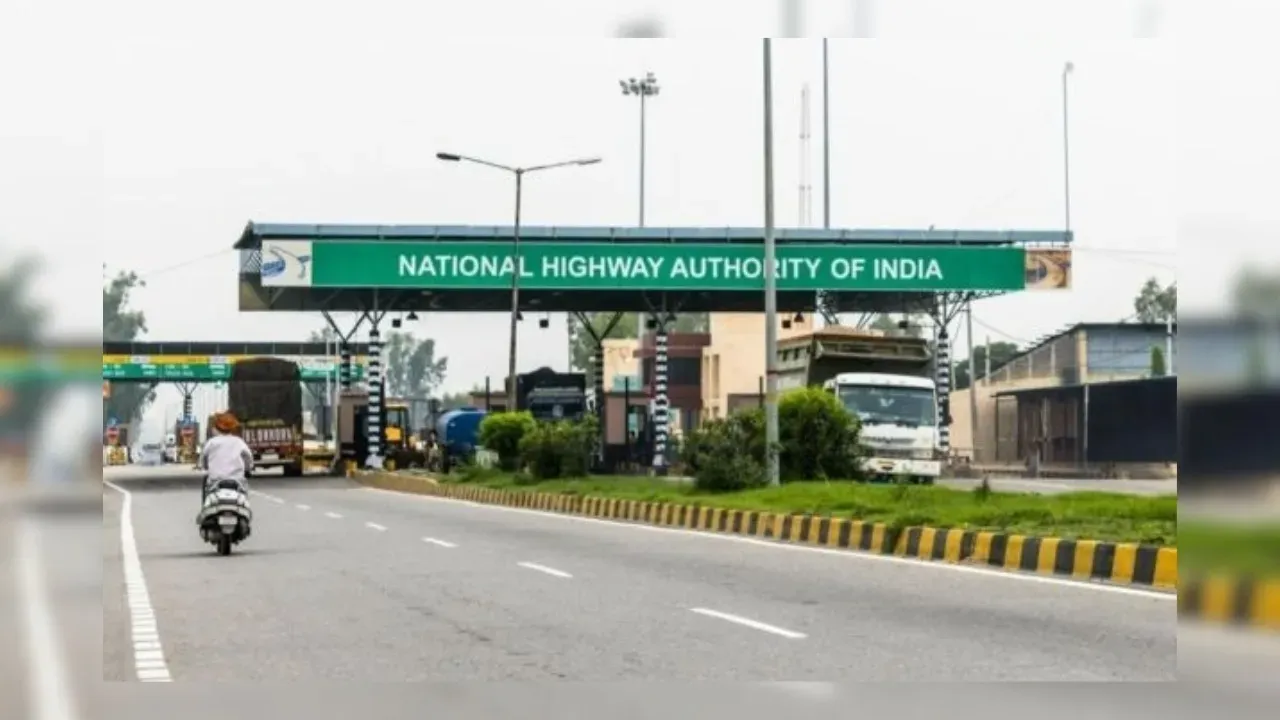
ଦେଶର ସଡ଼କ ଭିତ୍ତିଭୂମି ବିକାଶକୁ ଆହୁରି ଗତିଶୀଳ କରିବା ଲକ...
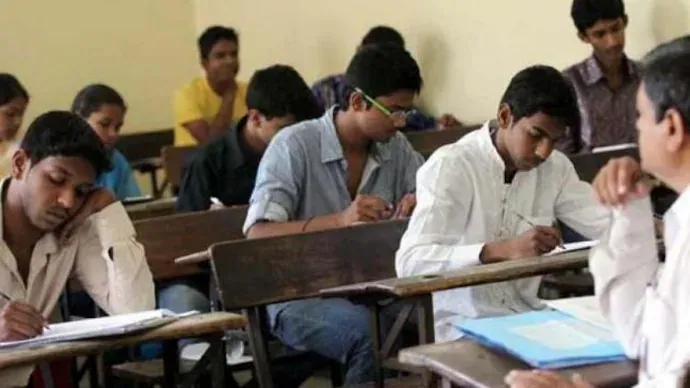
ନିଟ୍-ୟୁଜି ୨୦୨୬ ପ୍ରଶ୍ନପତ୍ର ଲିକ୍ ବିବାଦ ପରେ ଜୁନ୍ ୨୧ରେ...
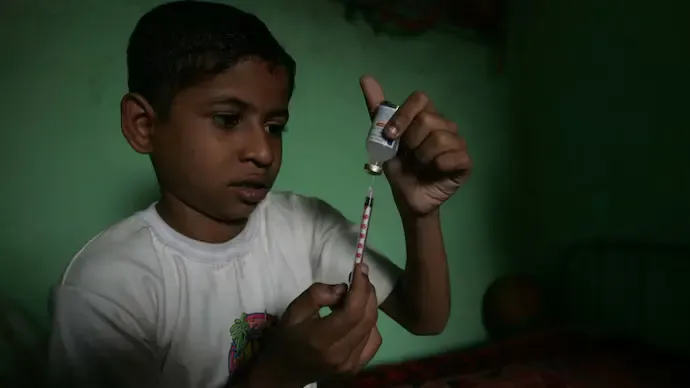
ଭାରତରେ ଶିଶୁମାନଙ୍କ ମଧ୍ୟରେ ବଢ଼ୁଥିବା ଡାଇବେଟିସ୍‌...
ନିଟ୍-ୟୁଜି ୨୦୨୬ ପ୍ରଶ୍ନପତ୍ର ଲିକ୍ ବିବାଦ ଏବଂ ପରୀକ୍ଷା ବ...

ଇବୋଲା ଭାଇରସ୍‌ ସଂକ୍ରମଣ ନେଇ ବଢ଼ୁଥିବା ଚିନ୍ତା ମଧ୍...

ଭାରତୀୟ ମୂଳର ମହିଳା ବର୍ଷା ଗୋହିଲଙ୍କ ଦୀର୍ଘ ୨୩ ବର୍ଷର ଆଇ...

ମେଘାଳୟର ଉମରୋଇରେ ମେ ୨୦ରୁ ଆରମ୍ଭ ହୋଇଥିବା ବହୁରାଷ୍ଟ୍ରୀୟ...

ଦେଶରେ ପୁନର୍ବାର ପେଟ୍ରୋଲ ଓ ଡିଜେଲ ଦର ବୃଦ୍ଧି ପାଇଛି। ପେ...

ସାଧାରଣ ଭାବରେ ଚାଲିବାବେଳେ କୌଣସି ଅସୁବିଧା ନଥିଲେ ମଧ୍ୟ,...

ସମ୍ପ୍ରତି ଘୋଷିତ ଡିଏ (Dearness Allowance) ବୃଦ୍ଧି ପରେ...

ଆପଣ ଯଦି ୧୦ ଲକ୍ଷ ଟଙ୍କାରୁ ଅଧିକ ଦାମର କାର କିଣିଛନ୍ତି, ତ...

ଡିଜିଟାଲ୍ ପେମେଣ୍ଟ୍ କମ୍ପାନୀ ପେଟିଏମ୍ର ଶେୟର ଦର ଆଜି ଶେୟ...