

A summer research project has led to a remarkable scientific breakthrough after a teenage student uncovered more than 1.5 million previously unidentified cosmic objects while analysing archival data from NASA.
The discovery was made by Matteo Paz, a student at Pasadena High School in California, during the summer of 2022 while participating in the Planet Finder Academy. The programme exposes students to real-world challenges in astronomy and data science using professional research tools and datasets.
Working under the mentorship of Davy Kirkpatrick at NASA’s Infrared Processing and Analysis Centre (IPAC), Paz analysed data from the NEOWISE mission, an infrared space telescope launched in 2009 to detect near-Earth asteroids. Over more than a decade, NEOWISE scanned the entire sky, collecting nearly 200 billion individual measurements in infrared light.
Instead of manually reviewing small data samples, Paz developed a machine-learning pipeline capable of analysing the full archive. Using mathematical techniques such as Fourier transforms and wavelet analysis, his system detected subtle variations in brightness over time—signals that often indicate variable objects such as quasars, binary star systems, supernovae, and other transient cosmic events.
Many of these signals were too faint, slow, or irregular to be detected during earlier surveys. By automating the process, the model identified patterns that traditional methods had overlooked. As the system improved, it began flagging objects that flicker, pulse, or gradually fade, behaviours linked to rare and short-lived astrophysical phenomena.
Collaborating with researchers from the California Institute of Technology, the team expanded the analysis to cover the entire NEOWISE dataset. The result was a new astronomical catalogue containing more than 1.5 million previously unclassified variable objects across the sky.
The achievement highlights how modern data science and machine learning can unlock new discoveries from existing scientific archives. It also demonstrates how students, when given access to advanced tools and mentorship, can make meaningful contributions to cutting-edge research.

ଆମେରିକାର ବିଦେଶ ସଚିବ ମାର୍କୋ ରୁବିଓ ଭାରତ-ଆମେରିକା-ପାକି...
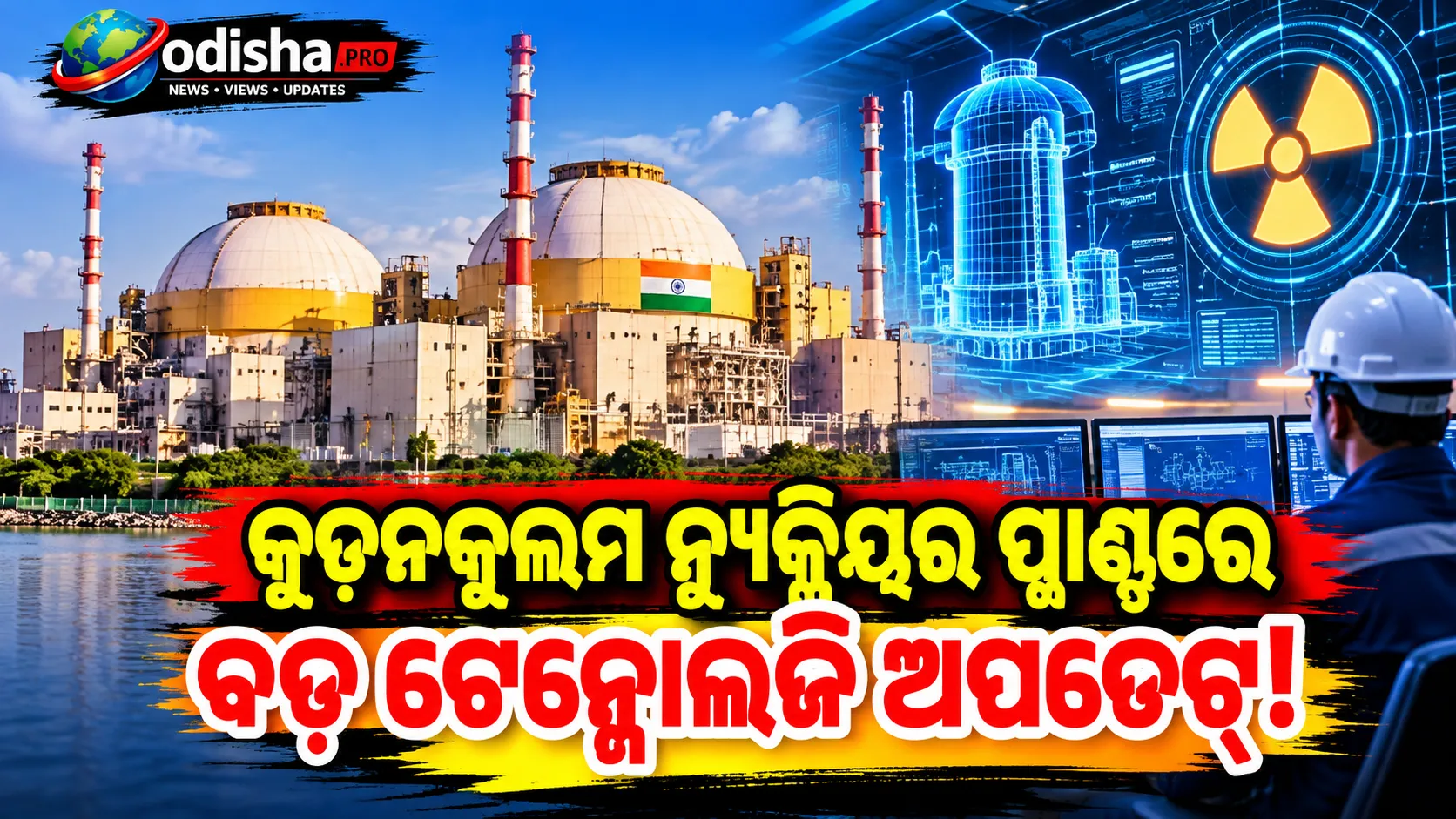
ଭାରତର ସବୁଠୁ ବଡ଼ ପରମାଣୁ ବିଦ୍ୟୁତ କେନ୍ଦ୍ର କୁଡନକୁଲମରେ...

ଚେନ୍ନାଇରେ ଶୁକ୍ରବାର ଭୋଟର ତାଲିକାର **Special Summary...
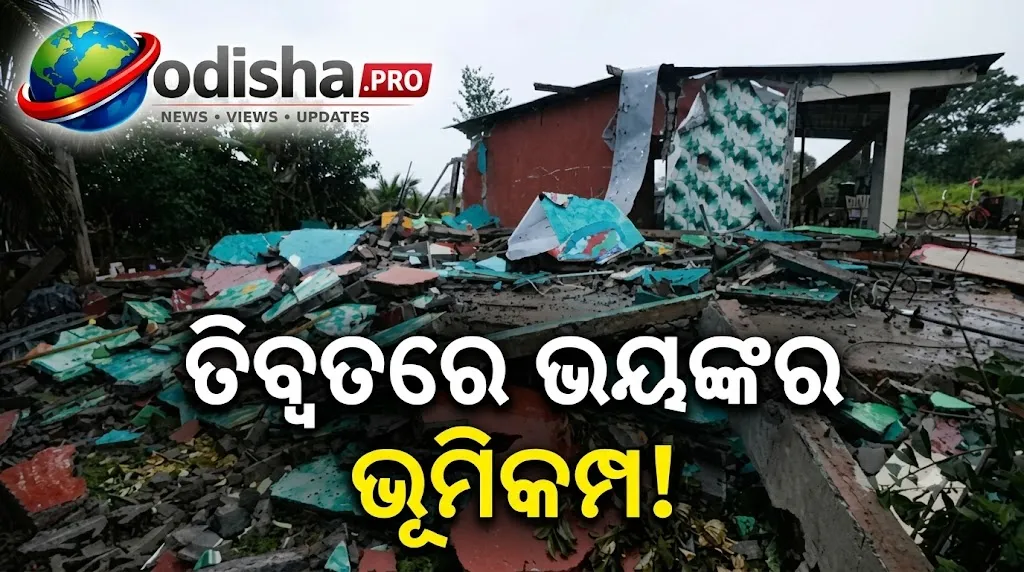
ଚୀନ୍ର ଦକ୍ଷିଣ-ପଶ୍ଚିମ ଅଞ୍ଚଳ ତିବ୍ବତରେ ଗୁରୁବାର ରାତିରେ...

ବୟସ ବଢ଼ିବା ସହ ଅନେକ ଲୋକଙ୍କ ପାଇଁ ଛୋଟ ବଟନ୍‌, ଜଟି...

ଆମେରିକା ଓ ରୁଷିଆ ମଧ୍ୟରେ ଡିଜେଲ୍ ବାଣିଜ୍ୟକୁ ନେଇ ବଡ଼ ପର...

ନୂଆଦିଲ୍ଲୀ:ସାଉଦି ଆରବରେ ଦୁଇ ବାଂଲାଦେଶୀ ନାଗରିକନଜରୁଲ ଇସ...

ନୂଆଦିଲ୍ଲୀରେ ସୁରକ୍ଷା ବ୍ୟବସ୍ଥାକୁ ଆହୁରି କଡ଼ା କରାଯାଇଛି...