

“Yeh Akashvani hai.”
For decades, that single line signaled the beginning of India’s prime time. Long before push notifications and television debates, families gathered around wooden radio sets to listen to the evening news onAll India Radio. At 8 pm sharp, the nation paused. Dinner could wait. Visitors could wait. The news could not.
Radio was not background noise. It was appointment listening. It was discipline. It was trust.
Before satellite TV and high-definition replays, cricket was experienced through imagination. Entire villages crowded around a single transistor during India–Pakistan matches. The air would tighten as commentators described every delivery.
Voices likeSushil Doshiturned overs into epics. Without visuals, listeners painted the field in their minds. A single shout of “Bowled him!” could send an entire village into celebration.
Radio did not show the match. It made you feel it.
In the 1950s, 60s, and 70s, All India Radio was India’s most powerful information network. It reached remote villages where newspapers arrived days late and televisions were rare.
If a cyclone was approaching, radio warned you.If elections were announced, radio informed you.During the 1965 and 1971 wars, families gathered around their sets for reassurance. The steady, composed voice of the announcer brought calm in moments of uncertainty.
Radio crossed literacy barriers and economic divides. It spoke to everyone. It was India’s first truly democratic medium.
Afternoons belonged to music. Programmes onVividh Bharatibecame companions in homes without television. Pressure cookers whistled alongside the melodies ofLata Mangeshkar.
There were no playlists. No skipping. If your favourite song played, you stopped everything to listen. Some even placed cassette recorders near the speaker, hoping to capture the tune without interruption.
Radio offered connection, entertainment, and escape — especially to women whose leisure options were limited.
Every week, millions tuned in forBinaca Geetmala. Songs climbed and dropped in rank, and families debated the charts. Having your letter read on air was a brush with fame.
Radio created shared cultural memory. A hit song became a hit for everyone at once. There was collective anticipation. Collective listening. Collective joy.
The 1990s liberalisation changed the soundscape. Private stations likeRadio Mirchiintroduced energetic radio jockeys, humour, traffic updates, and call-in shows. The formal announcer voice gave way to friendly RJs who sounded like neighbours.
Radio moved from wooden cabinets to car dashboards. From family ritual to personal companion.
Today, streaming platforms and podcasts dominate. We choose what we hear, when we hear it. Listening is often solitary, through earbuds instead of speakers.
But something subtle changed. Radio once created shared time. At 8 pm, the nation listened together. Now we listen in fragments.
Yet radio survives. During disasters and internet shutdowns, it remains reliable. Community stations inform farmers. FM keeps truck drivers company on long highways.
And somewhere, at 8 pm, a familiar voice still says, “Yeh Akashvani hai.”
On World Radio Day, India remembers what it felt like to listen together.

ବଙ୍ଗୋପସାଗରରେ ନୂଆ ପାଣିପାଗ ପ୍ରଣାଳୀ IMDର ସମୁଦ୍ର ବୁ...

୨୬ ଅକ୍ଟୋବରରେ ବାତ୍ୟା ରୂପ ନେଇପାରେ IMDର ସଦ୍ୟତମ ବୁଲ...

ଜିଓ IPO ଭାଙ୍ଗିଲା ପୁରୁଣା ରେକର୍ଡ ୧ କୋଟି ଆବେଦନର ମା...

୧୩୭ କ୍ୟାନସର ଔଷଧରେ ଲାଗିଲା ମାର୍ଜିନ୍ କ୍ୟାପ୍ Nation...

ବେଙ୍ଗାଲୁରୁ: ଘରୋଇ ହସ୍ପିଟାଲରେ ଚିକିତ୍ସା ଖର୍ଚ୍ଚକୁ ନେଇ...

୨୬ରେ ବାତ୍ୟା ରୂପ ନେବା ସମ୍ଭାବନା IMDର ବର୍ତ୍ତମାନର ଟ...

ଫ୍ରାନ୍ସରେ ‘ଶାମୋଣ୍ଡା’ ଭାଇରସ୍କୁ ନେଇ ଚିନ୍...
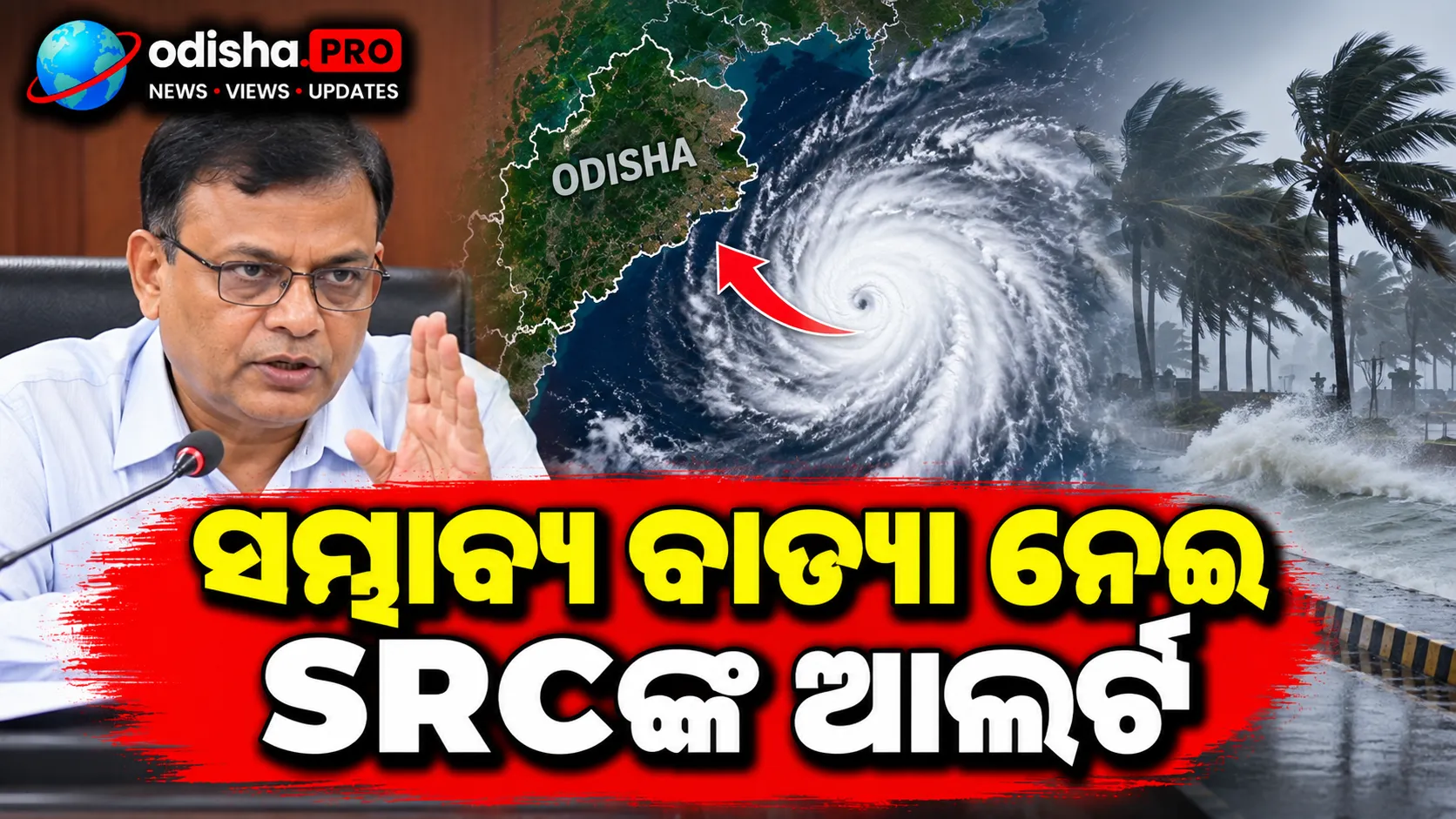
ଅକ୍ଟୋବର ୨୫ ପରେ ସ୍ପଷ୍ଟ ହେବ ଚିତ୍ର ବର୍ତ୍ତମାନ ସମୟରେ...