


As Mumbai heads into poll season, the politics of Marathi identity is once again heating up. But this political blaze has little to do with the city’s choking air, with AQI levels hovering close to 400. The fervour around Marathiasmita, it appears, is largely confined to political circles. A significant section of voters—especially the youth and Gen Z—are far more concerned about pothole-ridden roads, poor drainage, waste management, and deteriorating air quality than language politics.
Unlike southern states, where linguistic pride and regional identity remain enduring political themes, language politics in Maharashtra tends to surface mainly during elections. Against this backdrop, the expectations of Gen Z from India’s richest civic body assume importance, particularly as Mumbai’s demographic profile continues to shift—both in age and linguistic composition.
At a time when young voters in Mumbai’s sister city New York are celebrating an immigrant mayor, the insistence on a Hindu-Marathi mayor raises questions about whether this demand resonates with Mumbai’s youngest electorate.
Former Rajya Sabha MP and senior journalist Kumar Ketkar toldIndia Today Digitalthat civic failures dominate everyday life in Mumbai, yet rarely become political flashpoints. “Mumbai is horrible today in terms of transport, traffic and garbage, but nobody raises these issues. Gen Z doesn’t care. Unemployment is their biggest concern, but even that is not reflected politically,” he said, adding that Marathiasmitalargely appeals to middle-aged voters and only a small section of the youth.
Ketkar also argued that declining youth participation is a symptom, not a cause. “Student unions didn’t collapse because politics declined. Politics declined because the political process itself collapsed,” he said.
According to Election Commission data, voters aged 18–29 make up over 20% of Maharashtra’s electorate—around 1.85 crore voters—with a 6% rise in youth participation in the 2024 polls. Estimates suggest Gen Z could constitute 20–30% of the BMC electorate. Yet, even as youth numbers rise, the proportion of Marathi speakers in Mumbai has fallen from 44% in 1951 to 36% in 2011.
Political parties have begun acknowledging this shift. Last October, BJP MLA and Mumbai party president Ameet Satam announced that the party would appoint 50 Gen Z interns to monitor and suggest improvements in BMC services. However, Ketkar dismissed the narrative that Gen Z could decisively influence the polls, calling it a “myth”.
For many young Mumbaikars, the priorities are clear. Twenty-eight-year-old Nikunj Sabharwal says clean air and functional infrastructure matter more than identity politics. “If I’m spending thousands on sports training, I don’t want polluted air undoing it. I don’t care what language the mayor speaks—as long as the roads I jog on are fixed,” he said.
Similarly, 29-year-old Tanvi Kshirsagar, a Marathi speaker, believes the language issue is overstated. “Learning the local language is important, but it won’t decide my vote,” she said.
Echoing these views, SundayMid-Dayeditor Aastha Atray Banan said Gen Z concerns revolve around pollution, walkability, potholes, stray animals, and water shortages. “They want to be able to walk safely in Mumbai like pedestrians in New York or London. Language politics doesn’t really feature in their priorities,” she said.
Yet, political apathy remains a challenge. One Gen Z resident, who chose to remain anonymous, admitted she does not vote at all. Across Mumbai’s cafes and college campuses, political engagement among the youth remains low, and those who are engaged are often disengaged from dominant political narratives—posing a quiet but significant challenge for parties ahead of the BMC polls.
ହସ୍ପିଟାଲଗୁଡ଼ିକରେ ଥରେ ବ୍ୟବହାର ପାଇଁ ଉଦ୍ଦିଷ୍ଟ ମେଡିକାଲ...

ଡର୍ମାଟୋଲୋଜିଷ୍ଟ ଡା. ଜୁଶ୍ୟା ଭାଟିଆ ସରିନ୍ ଭାରତୀୟ ତ୍ୱଚା...
Red Roomରୁ ଆରମ୍ଭ ହୋଇଥିଲା କ୍ଷମତାର ଲଢ଼େଇ Ultimate...
SMA ଔଷଧକୁ ନେଇ କେରଳରେ ଚର୍ଚ୍ଚା ଓ ବିବାଦ ମଧ୍ୟରେ ସ୍ୱାସ୍...
ପଶ୍ଚିମ ଓଡ଼ିଶାର ପ୍ରମୁଖ ଚିକିତ୍ସା ପ୍ରତିଷ୍ଠାନ ବୁର୍ଲା ଭ...
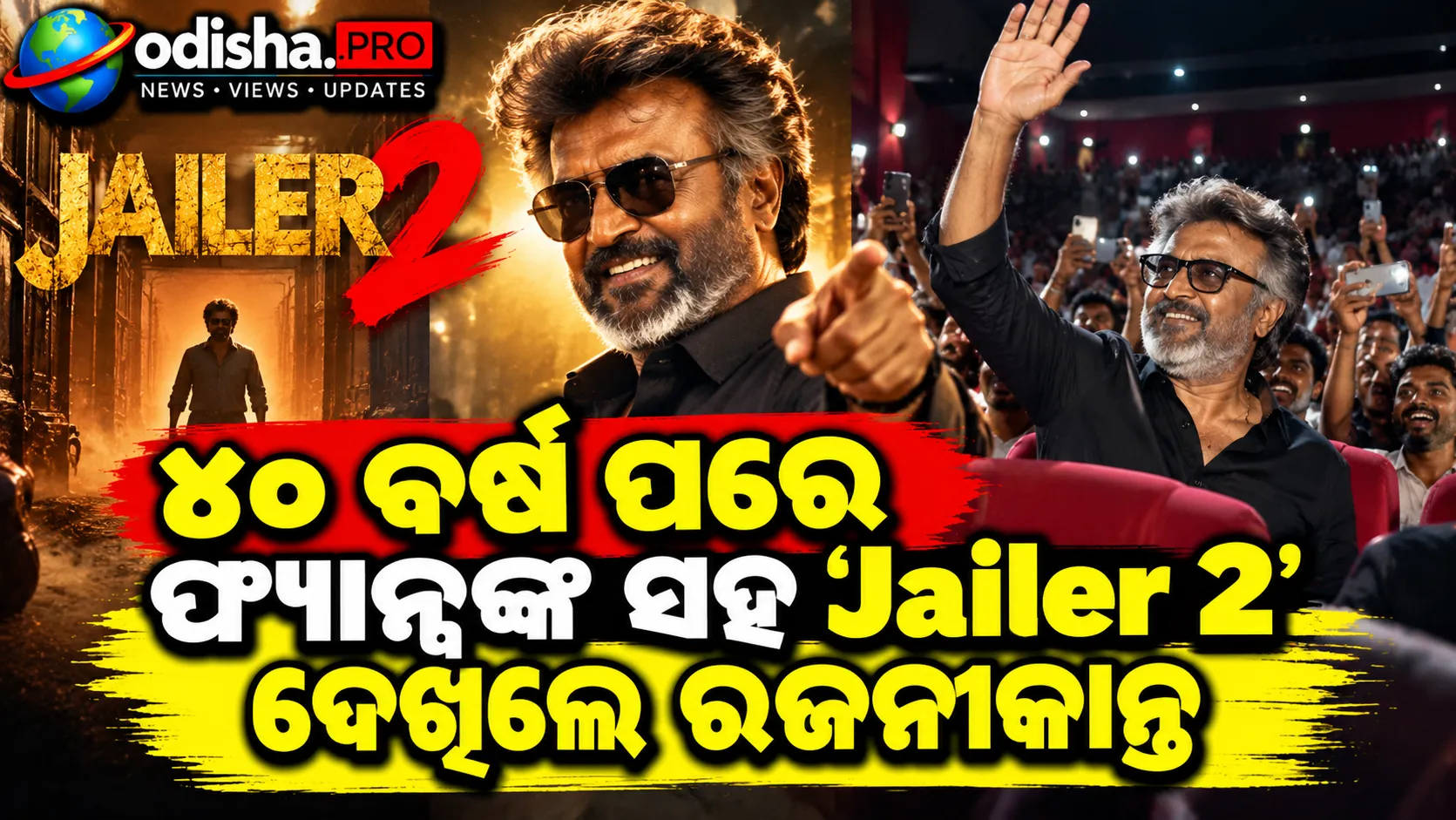
ଫ୍ୟାନ୍ସଙ୍କ ମଝିରେ ବସି ଦେଖିଲେ ଫିଲ୍ମ ରଜନୀକାନ୍ତଙ୍କ...
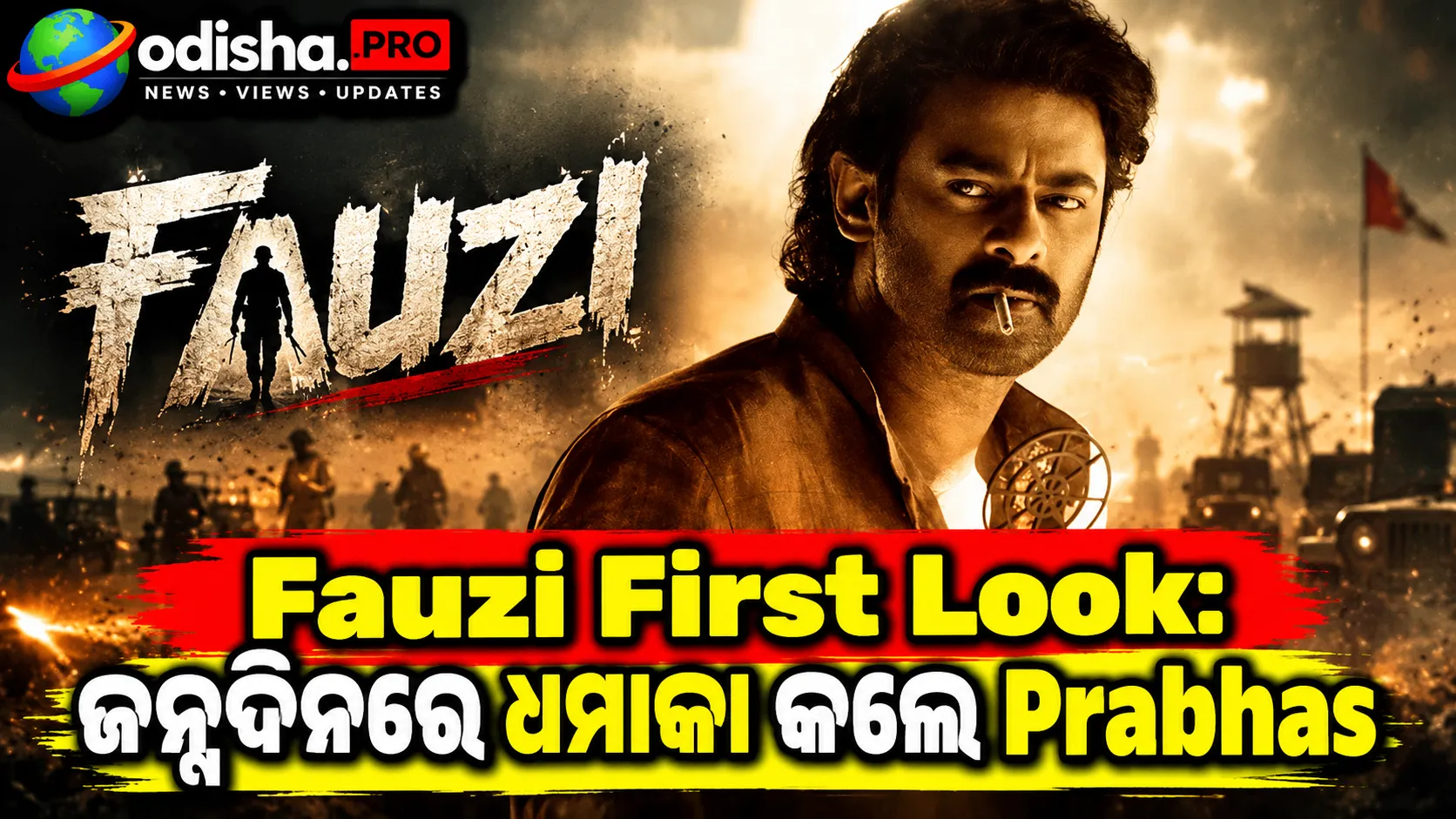
‘India’s biggest rebel soldier’...

‘Scout ଆପଣଙ୍କ ପାଇଁ କିଏ?’ ପ୍ରୋମୋରେ ର...
