










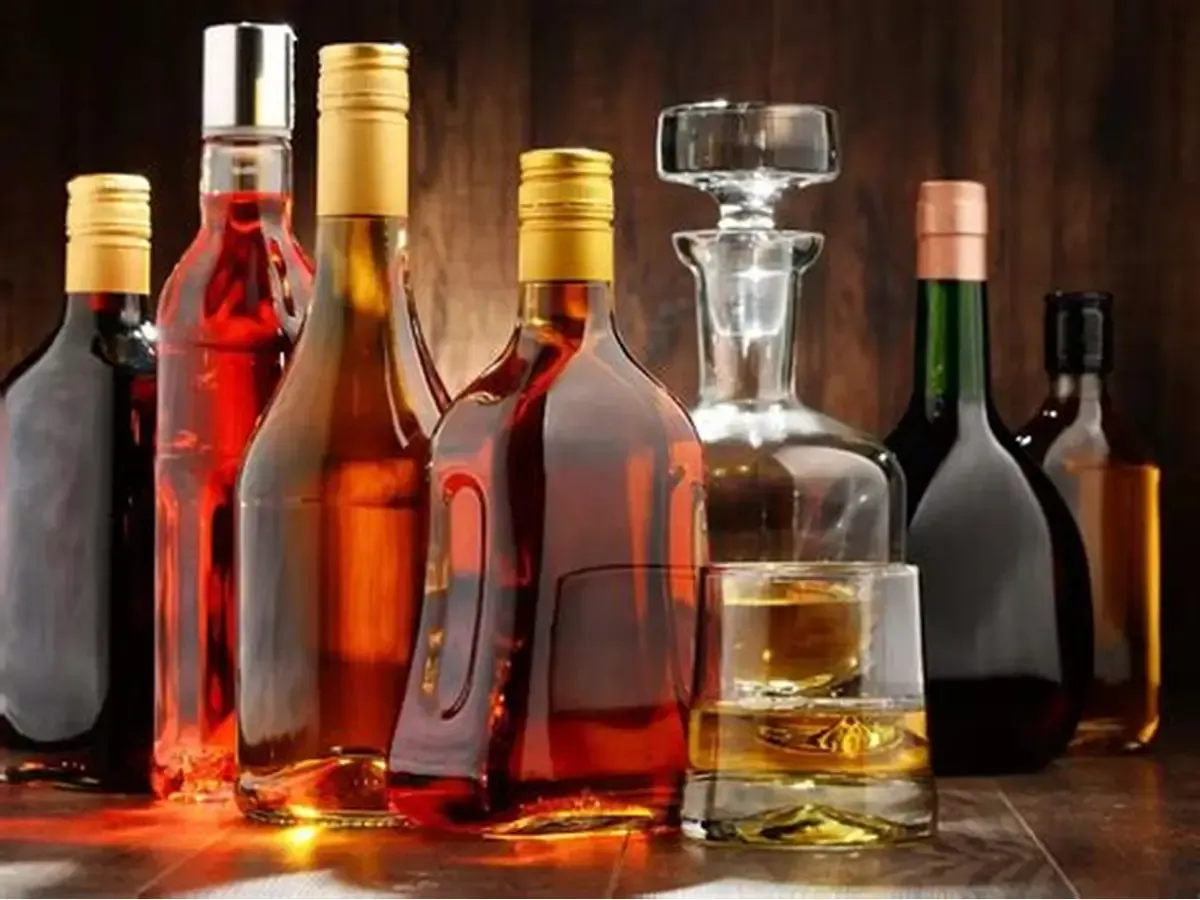
The EU-India Free Trade Agreement marks a strategic recalibration of India’s alcoholic beverage market, not a shock event. With phased tariff reductions, minimum import price safeguards, and category-specific protections, the deal is designed to encourage adaptation rather than provoke disruption.
Domestic liquor producers remain largely protected in the short term, particularly in beer and mass-market spirits. However, medium-term pressure is expected to build in premium categories such as imported whiskey, vodka, and high-end wines. The agreement subtly shifts competition from volume to perception, shelf space, and brand aspiration.
Industry bodies have welcomed the deal with cautious optimism, highlighting concerns over enforcement, dumping, and regulatory loopholes. Importers, meanwhile, see the FTA as a catalyst for market maturity rather than a price war.
Ultimately, tariffs may fall, but India’s fragmented excise system and non-tariff barriers will continue to shape outcomes. The FTA acts as a mirror for domestic producers—rewarding those who evolve and exposing those dependent on protectionism.
ମୁମ୍ବାଇ: ସେଲିବ୍ରିଟିଙ୍କ ଶରୀର, ବୟସ, ଚେହେରା ଓ ବ୍ୟକ୍ତି...

ଚେନ୍ନାଇ: ତାମିଲନାଡୁର TASMAC ରିଟେଲ୍‌ ମଦ ଦୋକାନର...
ଭାରତର ୧୪୦ କୋଟିରୁ ଅଧିକ ଲୋକଙ୍କୁ ହେଲ୍ଥକେୟାର ଯୋଗାଇବାରେ...
ଦିଲ୍ଲୀର ନୂଆଦିଲ୍ଲୀ ବିଧାନସଭା ନିର୍ବାଚନମଣ୍ଡଳୀ AC-40ରେ...
Daayra’ ସେପ୍ଟେମ୍ବର ୧୮ରେ ରିଲିଜ୍‌ ହୋଇଥିଲା...

ଇନ୍ଦୋର: ରାହୁଲ ଗାନ୍ଧୀଙ୍କ ‘ଛାତ୍ରୋଁ କି ଗୁଞ୍ଜ&rs...
ନୂଆଦିଲ୍ଲୀର India Islamic Cultural Centreରେ ସେପ୍ଟେମ...
ମୁମ୍ବାଇରେ ଘଟିଥିବା ଏକ ସଡ଼କ ଦୁର୍ଘଟଣାରେ IndiGo କ୍ୟାବି...
ଗୋଟିଏ ଦିନରେ କଲେକ୍ସନ୍ରେ ବଡ଼ ବୃଦ୍ଧି ସେପ୍ଟେମ୍ବର ୧୯...
ଓଡ଼ିଆ ଜାତିର ଆତ୍ମା ଭାବେ ପରିଚିତ ମହାପ୍ରଭୁ ଶ୍ରୀଜଗନ୍ନାଥଙ...
ଉତ୍ତରାଖଣ୍ଡରୁ ଜଳବାୟୁ ପରିବର୍ତ୍ତନ ଓ ହିମାଳୟୀ ପରିବେଶରେ...
