

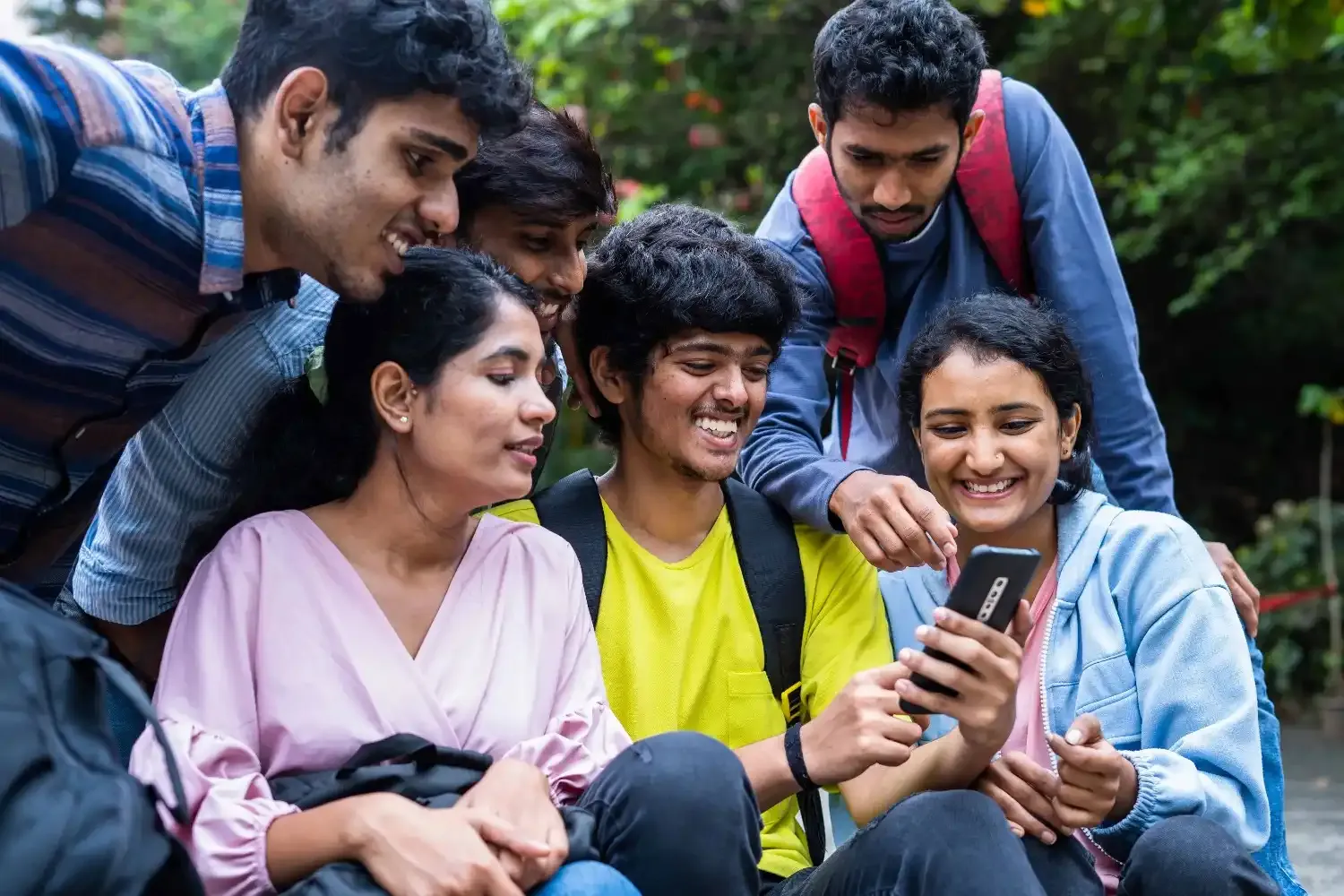
India’s students are no longer waiting for graduation to enter the workforce. They are already participating in the economy—and in many cases, sustaining themselves entirely through gig income.
This shift is highlighted inTimBuckDo’s Doers’ Report 2025, which analysed gig activity across4.5 lakh studentson the platform. The findings reveal that student gigs have evolved from side hustles intosurvival income, especially in metros and fast-growing tier-2 cities.
In 2025, most student gig earnings ranged betweenRs 6,000 and Rs 15,000 per month, closely matching the real cost of student living in India.
Intier-1 cities, basic monthly expenses range fromRs 16,500 to over Rs 43,000
Intier-2 cities, costs are lower, averagingRs 10,000 to Rs 20,000
For many students, gig earnings now directly fund rent, food, and transportation rather than discretionary spending.
The report introduced theGig Survival Index (GSI)to measure how meaningful gig income has become:
GSI < 0.5: Pocket money
GSI 0.5–1.0: Survival income
GSI > 1.0: Financial independence
A large share of students now fall in the0.5–1.0 band, particularly in tier-2 cities where gig income can cover nearly100% of monthly expenses.
Student work in 2025 is more structured and skill-driven:
On-ground gigs(48%): delivery, retail, events, hospitality
Remote gigs(32%): content creation, research, telecalling, AI-related work
Flexible gigs(20%): hybrid or task-based roles
Some roles are unconventional—ranging fromheritage tourism internstoevent mocktail makers.
AI-linked roles are no longer niche. Students are earning through:
AI/ML development support
AI-assisted research
Prompt engineering and content optimisation
Data training roles
For many students,AI is not a future skill—it’s a present income source.
Average monthly payout: Rs 8,000
Common range: Rs 6,000–10,000
Upper band: Rs 15,000–30,000
Outliers: Rs 40,000–65,000
Top earning cities includeBengaluru, Mumbai, Delhi NCR, Hyderabad, Chennai, and Pune, while tier-2 cities such asIndore, Kochi, Guwahati, Vadodara, Noida, and Gurugramshow stronger earning-to-cost ratios.
The report also highlights key challenges:
Lack of formal income records limits access to rentals, credit, and banking
Minimal insurance coverage exposes students to financial shocks
High living costs erode savings despite steady earnings
To address this, TimBuckDo has partnered withProtean eGovto help students quickly obtainPAN-linked income documentation, improving financial credibility.
With India’s gig workforce projected to reach24 million by 2030, students are no longer future workers—they arealready a workforce.
As the report sums it up:“Gigs solve income. Infrastructure decides whether that income lasts.”
For India’s students, the gig economy is no longer about hustle—it’s about stability, independence, and survival.

ଉତ୍ତରପ୍ରଦେଶରେ ୨୦୨୭ ବିଧାନସଭା ନିର୍ବାଚନକୁ ନେଇ ରାଜନୈତି...

Gen Z ଆନ୍ଦୋଳନକୁ ନେଇ ବିଜେପି ଭୟଭୀତ’ ଦେବୀ ପ୍...

୧୨ ଘଣ୍ଟା ମଧ୍ୟରେ ୨ BTech ଛାତ୍ର ଗିରଫ ଇନ୍ଫୋସିଟି ଥା...

ଉତ୍ତର ଆଣ୍ଡାମାନ ସାଗରରେ ଘୂର୍ଣ୍ଣିବଳୟ IMDର ତାଜା ସୂଚ...

ଅକ୍ଟୋବର ୨୧, ବୁଧବାର ଦେଶର ରାଜନୀତି, ନ୍ୟାୟ ବ୍ୟବସ୍ଥା ଓ...

ରାବଣପୋଡ଼ିରେ ଉତ୍ସବମୁଖର ରାଜଧାନୀ ବିଜୟା ଦଶମୀର ଅନ୍ୟତ...

ବ୍ୟାଙ୍କ ଖୋଲା, କିନ୍ତୁ ମିଳୁନି ଆବଶ୍ୟକ ଟଙ୍କା ରିପୋର୍...

ବାଂଲାଦେଶରୁ କୋଲକାତା ଦେଇ ହାଇଦ୍ରାବାଦ ଯାଉଥିଲା ସୁନା...