







In Budget 2026, Finance Minister Nirmala Sitharaman increased the Securities Transaction Tax (STT) on futures and options (F&O), aiming to rein in excessive speculation in India’s derivatives market. Futures are standard contracts for buying or selling assets at a future date, while options allow traders to take large positions with minimal upfront capital, making them more attractive for speculative activity.
Industry experts like Zerodha founder Nithin Kamath immediately raised concerns. Kamath points out that 95% of trading already happens in options, not futures. By raising STT on futures, the government could inadvertently push traders deeper into riskier options, rather than reducing speculation. Additionally, higher STT directly affects low-risk strategies like arbitrage funds, which help stabilize markets by exploiting minor price differences. These funds rely on frequent trades with thin margins, and higher taxes could make them unprofitable, reducing market liquidity.
Supporters of the STT hike argue that India’s F&O volumes have grown too large relative to the cash market. Many retail traders treat options like lottery tickets, risking significant losses. Higher STT can act as a speed bump, encouraging more disciplined trading. Veteran investors have warned that unchecked speculative activity has made parts of the derivatives market resemble a casino.
The debate highlights a tension: the government wants to slow F&O churn and protect retail investors, but critics warn that higher STT may disproportionately hurt careful hedgers and arbitrage strategies rather than speculators. Experts suggest that clearer regulations and suitability checks could be more effective than higher taxation in controlling speculative behaviour.
In the coming months, the real impact of the STT hike will become clearer. The key question remains whether it will truly curb speculation or simply reshape it, shifting risk while raising costs for low-risk participants.
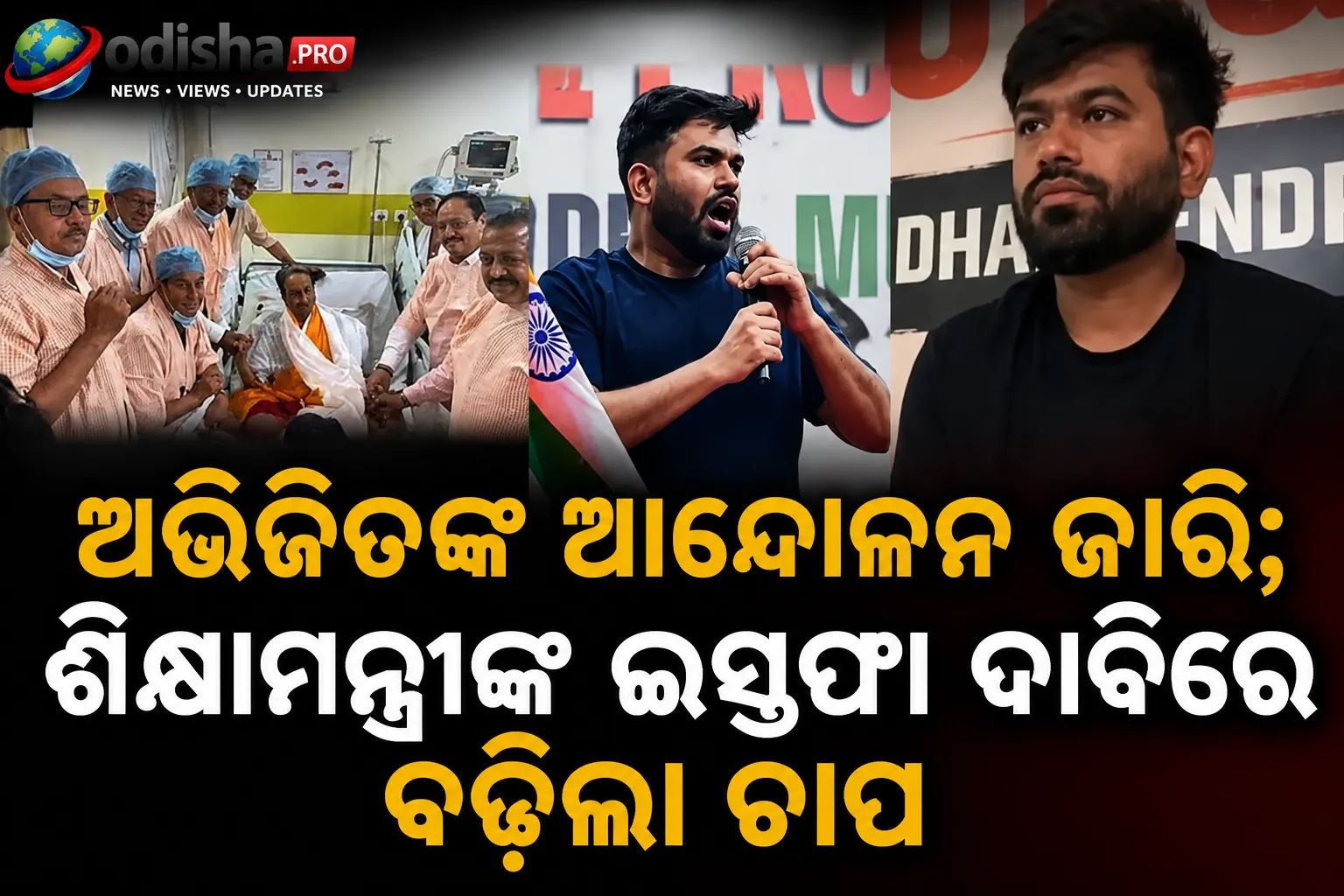
ରାଜଧାନୀ ଦିଲ୍ଲୀରେ ଆନ୍ଦୋଳନର ରାଜନୀତି ପୁଣିଥରେ ଚର୍ଚ୍ଚାର...
ମହାପ୍ରଭୁ ଶ୍ରୀଜଗନ୍ନାଥଙ୍କ ପ୍ରତି ଓଡ଼ିଆଙ୍କ ଅଗାଧ ଭକ୍ତି...
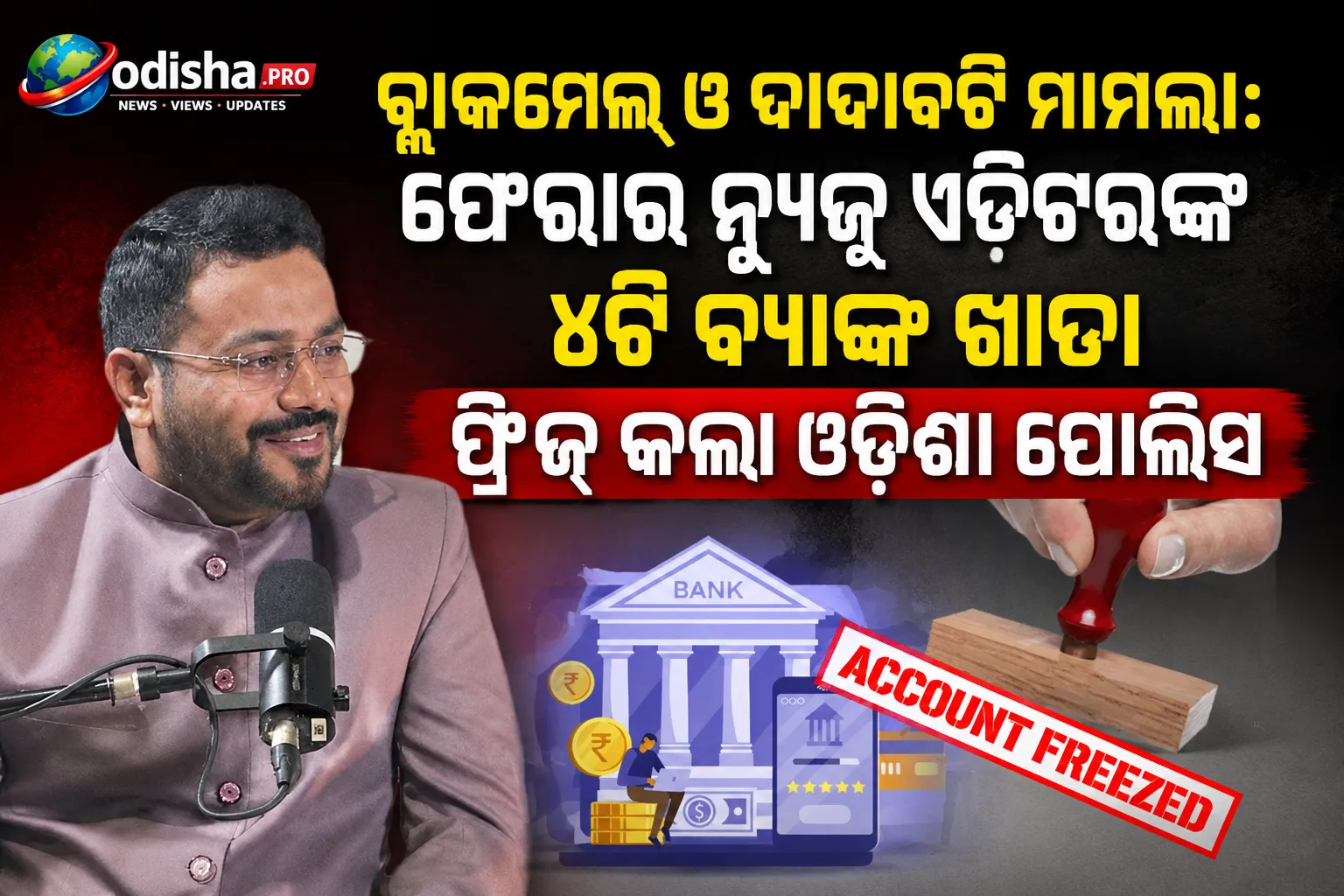
ଦାଦାବଟି ଓ ବ୍ଲାକମେଲ୍ ଅଭିଯୋଗକୁ ନେଇ ଚର୍ଚ୍ଚାରେ ଥିବା ଏକ...

ଭୁବନେଶ୍ୱରର ମହର୍ଷି କଲେଜ କ୍ୟାମ୍ପସରେ ଘଟିଥିବା ଗଣ୍ଡଗୋଳ...
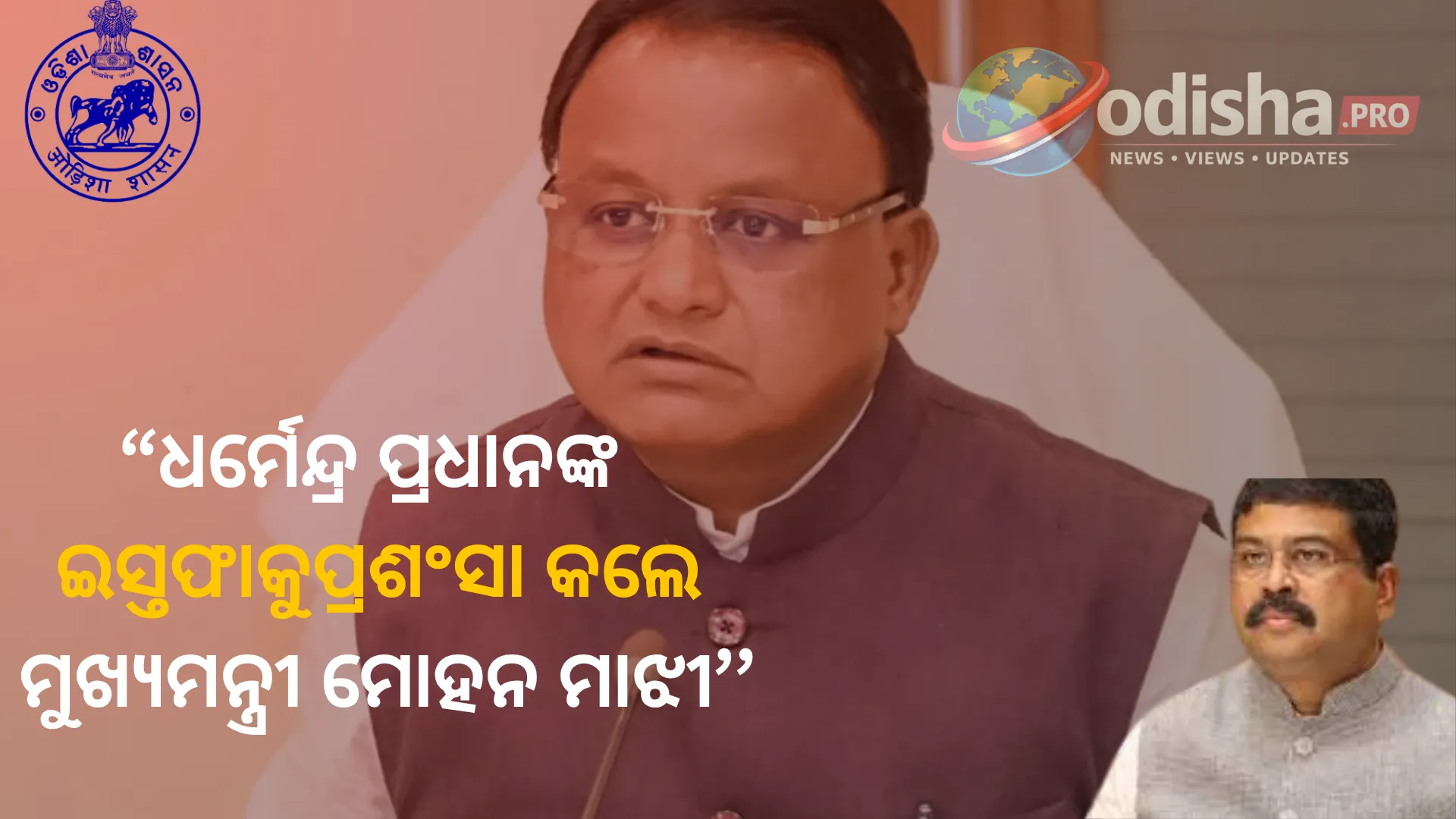
କେନ୍ଦ୍ର ଶିକ୍ଷାମନ୍ତ୍ରୀ ପଦରୁ ଧର୍ମେନ୍ଦ୍ର ପ୍ରଧାନଙ୍କ ଇସ...

ବଲାଙ୍ଗିର ଅବକାରୀ ବିଭାଗକୁ ଏକ ବଡ଼ ସଫଳତା ମିଳିଛି। ବିଭାଗ...
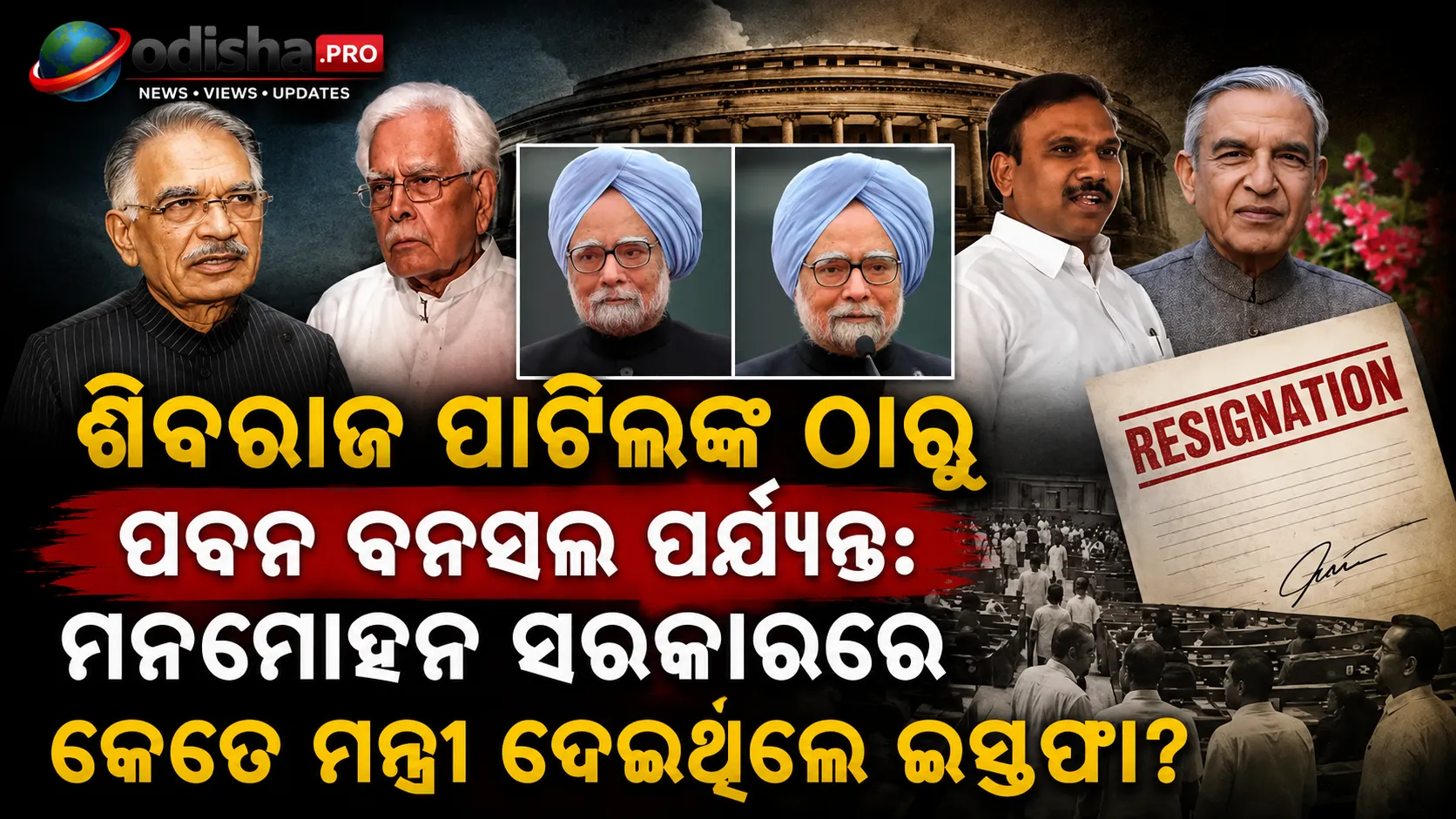
୨୦୦୪ ଲୋକସଭା ନିର୍ବାଚନ ପରେ ଡ଼. ମନମୋହନ ସିଂହଙ୍କ ନେତୃତ୍...
ବହୁ ପ୍ରତୀକ୍ଷିତ ବଲିଉଡ୍ ଫିଲ୍ମ **‘ରାମାୟଣ’...
ଭାରତୀୟ ସିନେମାର ସବୁଠୁ ବଡ଼ ଏବଂ ଆକାଂକ୍ଷୀ ପ୍ରକଳ୍ପମାନଙ୍...
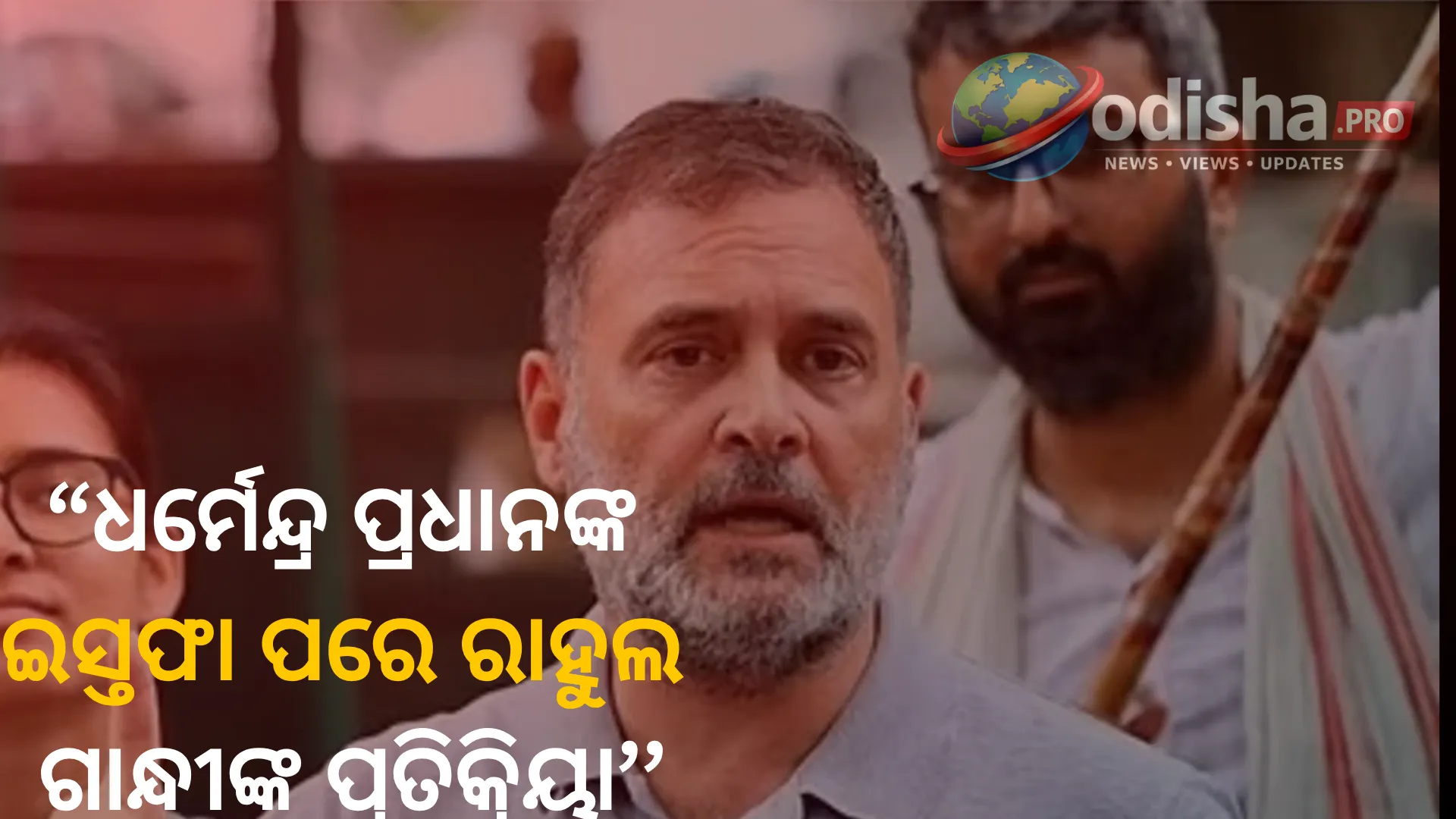
କେନ୍ଦ୍ର ଶିକ୍ଷାମନ୍ତ୍ରୀଧର୍ମେନ୍ଦ୍ର ପ୍ରଧାନଙ୍କ ଇସ୍ତଫାପର...

ଓଡ଼ିଶାର ବାଲେଶ୍ୱର ଜିଲ୍ଲାର ସିଙ୍ଗଲା ଥାନା ଅଧୀନ ବେଣ୍ଟାପ...
ଏସ୍‌ଏସ୍‌ ରାଜାମୌଳୀଙ୍କ ବହୁ ପ୍ରତୀକ୍ଷିତ ପ୍ୟା...
