






The alliance was fragile from the start, stitched together more out of political necessity than shared principles — a pattern common to many such arrangements. That fragility was exposed last Friday during Maharashtra’s local body elections, which themselves have thrown up unusual combinations, including former rivals joining hands. The spark came when Deputy Chief Minister and NCP leader Ajit Pawar launched an unexpectedly sharp attack on his ally, the BJP, catching political circles off guard.
Referring to the BJP’s control of the Pimpri-Chinchwad Municipal Corporation between 2017 and 2022, Pawar said the objective of the current contest was to “wipe out corruption”. Accusing his rivals of being obsessed with power, he alleged large-scale misgovernance. Pawar contrasted this with earlier periods under his uncle Sharad Pawar and later his own leadership, claiming that while development had taken place then, “power hunger” never defined their rule.
Pawar also took aim at his Mahayuti partners over a series of uncontested wins in local polls. While acknowledging that unopposed elections occurred even in the past, he suggested that the present situation was different, alleging an atmosphere of fear that discouraged candidates from filing nominations. His comments came as BJP and Shiv Sena candidates secured uncontested victories in 68 of 69 seats, prompting the State Election Commission to temporarily withhold results and seek clarification from officials.
The criticism did not stop there. On Saturday, Pawar repeated his sharp tone, prompting a swift reaction from BJP leaders. State BJP chief Ravindra Chavan issued a pointed response, warning Pawar to “look within” before making accusations, and openly expressing regret over the alliance with him. He claimed he had earlier cautioned party leaders against partnering with the NCP.
Other BJP leaders attempted to cool tensions. Revenue Minister Chandrashekhar Bawankule publicly reminded Pawar that alliance partners should avoid attacking one another during campaigns, stressing that such restraint had been agreed upon in coordination meetings.
For the BJP, Pawar’s comments were particularly jarring, as the party has recently been more preoccupied with managing friction within its relationship with the Eknath Shinde-led Shiv Sena. In contrast, relations with Ajit Pawar and the NCP had remained largely smooth, aided by his reportedly cordial ties with Chief Minister Devendra Fadnavis — until now.
The political backdrop adds further complexity. Fadnavis recently ruled out seat-sharing with the NCP in municipal elections, hardening the contest. Meanwhile, the BJP’s strong performance in the 2024 Assembly elections has boosted its confidence to expand independently at the grassroots level. With 137 MLAs, the party is close to a majority on its own, reducing its dependence on allies — a development that understandably unsettles smaller partners.
For Ajit Pawar, aligning with the Sharad Pawar-led NCP faction in key urban regions like Pune and Pimpri-Chinchwad appears driven by the need to counter BJP expansion. Party insiders suggest Pawar’s aggressive rhetoric was carefully calibrated to resonate with his voter base and assert political relevance amid shifting equations.
For the BJP, however, the optics are uncomfortable. Clean governance and transparency form a central plank of its political messaging, and corruption allegations from within the alliance threaten to undercut that narrative. BJP leaders privately dismissed Pawar’s remarks, pointing to past allegations against him, including the irrigation scam controversy — an issue Pawar himself addressed by questioning why such accusations no longer feature if they were credible.
The episode underlines a deeper truth: alliances built on convenience remain vulnerable to internal contradictions. As Maharashtra’s political landscape continues to shift, both sides appear to be testing limits — and recalculating their leverage.

ଗୁଜରାଟ: ୬ ଲକ୍ଷ ଟଙ୍କାର ଋଣ ଶୁଝିବାରୁ ବଞ୍ଚିବା ଏବଂ ଋଣ ବ...
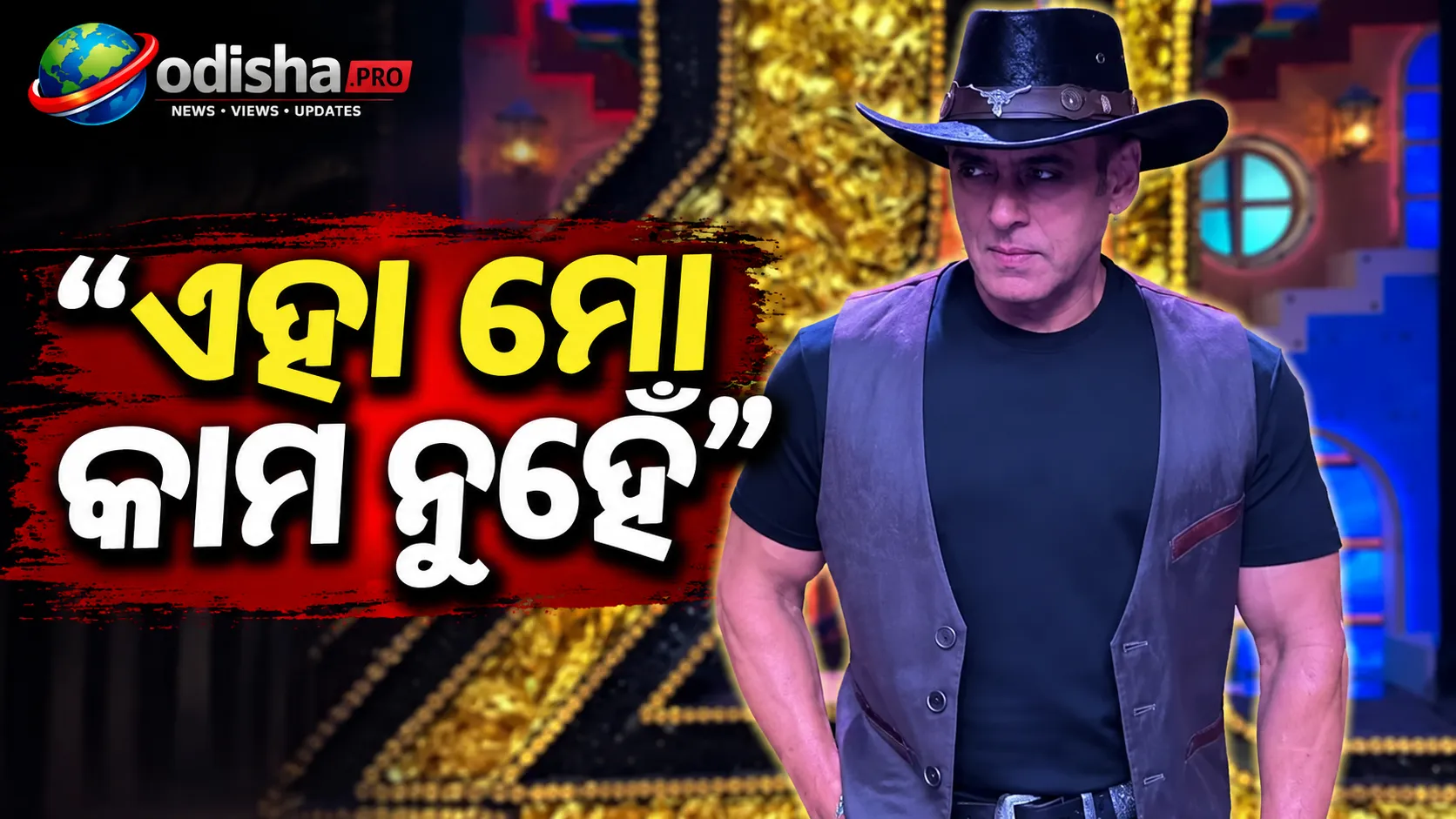
‘ବିଗ୍ ବସ୍ ୨୦’ର ଗ୍ରାଣ୍ଡ ପ୍ରିମିୟର ଶୁଟିଂ...
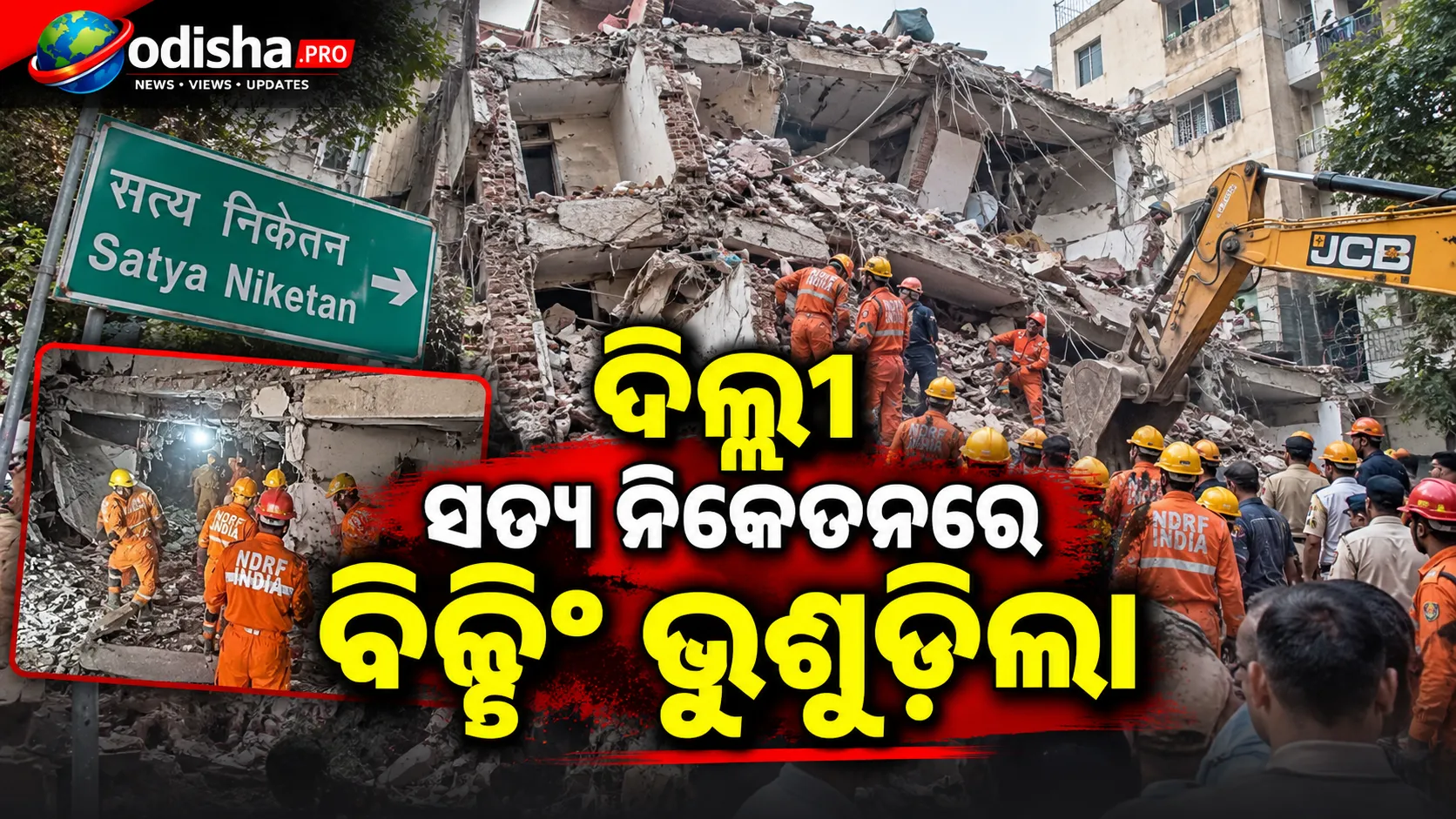
ଦିଲ୍ଲୀର ସତ୍ୟ ନିକେତନ ଅଞ୍ଚଳରେ ରବିବାର ଅପରାହ୍ନରେ ଏକ ବି...
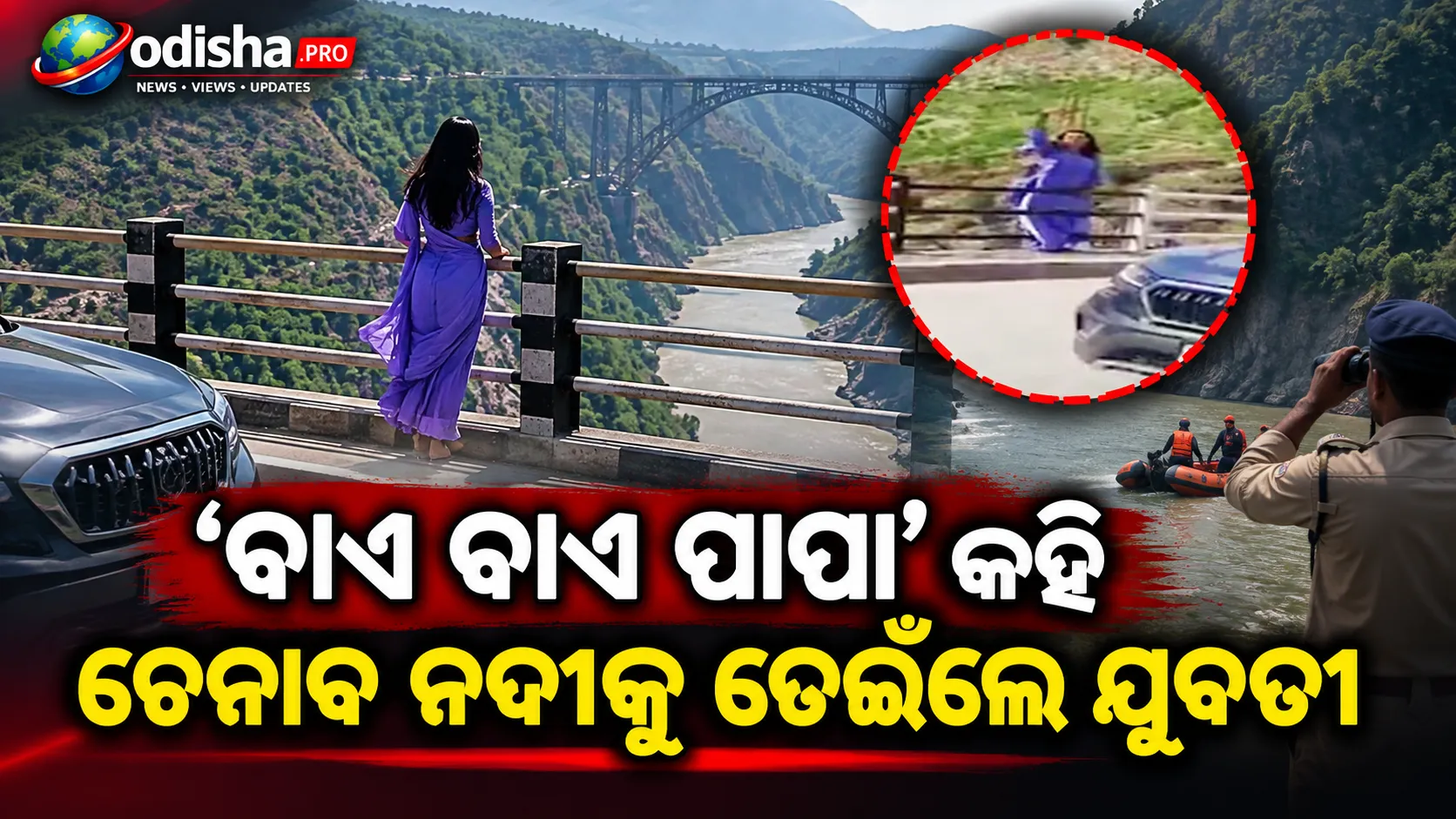
ଜମ୍ମୁ-କଶ୍ମୀରର ଡୋଡାରେ ଏକ ଦୁଃଖଦ ଘଟଣା ସାମ୍ନାକୁ ଆସିଛି।...
ପ୍ୟାରିସରେପ୍ରିୟଙ୍କା ଚୋପ୍ରା ଓ ଜେନିଫର ଲରେନ୍ସଙ୍କ ଏକ ମଜ...
ଭାରତୀୟ ସିନେମାରେ ମହିଳାଙ୍କୁ କିପରି ଉପସ୍ଥାପନ କରାଯାଉଛି,...
ରକିଂ ଷ୍ଟାର୍ ୟଶଙ୍କ ଅଭିନୀତ‘Toxic: A Fairy Tale...

ଆମେ ପିଲାଦିନରୁ ଯେଉଁ ବିଶ୍ୱ ମାନଚିତ୍ର ଦେଖିଆସୁଛେ, ତାହା...