






“This loss will sting,” former India cricketer Aakash Chopra said after India surrendered their three-match ODI series against New Zealand on Sunday, January 18. Playing at the Holkar Stadium in Indore, Shubman Gill’s India failed to chase down 338, losing the decider by 41 runs and, with it, the series 2–1, against what was effectively a B-string New Zealand side.
This is the second time in the last year and a half that New Zealand have handed India a sharp reality check. In 2024, Tom Latham’s side walked into India’s backyardand whitewashed them 3–0 in Tests, scripting a first in New Zealand cricket history. That defeat had consequences. It fast-tracked a transition that Indian cricket had been delaying — Rohit Sharma, Virat Kohli and Ravichandran Ashwin exited the Test setup soon after.
That series loss forced India to confront uncomfortable truths in red-ball cricket. Fourteen months later, New Zealand have done it again, this time in the ODI format. Michael Bracewell’s side may not have arrived with their biggest names, but they left with the same effect: by raising some uncomfortable questions.
If history is anything to go by, a home series defeat in Indian cricket rarely stays confined to the boundary ropes. Murmurs begin quietly before turning into agenda items in selection meetings and review panels. This loss will be no different. Perhaps even more so, because India do not play another ODI for the next five months — time enough for introspection to harden into decisions.
With the road to the 2027 ODI World Cup beginning to take shape, the spotlight will inevitably turn to the senior players first. Transitions, in Indian cricket, are rarely democratic.
Virat Kohli appears secure for now, having reinvented his batting tempo over the last three months and adapting to the demands of modern ODI cricket. Rohit Sharma, though, may not escape scrutiny as easily. Against an inexperienced New Zealand attack,he got starts but failed to convert theminto the kind of defining innings his reputation demands. There will be those who argue that this was a one-off — after all, Rohit had productive series against South Africa and Australia in 2025 — but doubt has a way of lingering.
Only three players in India’s ODI squad are above the age of 36. With Kohli largely insulated and Rohit still backed by recent performances, attention is likely to settle on Ravindra Jadeja.
“Ravindra Jadeja is a point of concern. It is simply not happening for him. This loss will sting,” Chopra said on his YouTube channel.
The numbers back up that discomfort. Jadeja went wicketless across the entire series — the first time since 2017 that he has failed to take a wicket in three consecutive ODIs. With the bat, the returns were no better. On Sunday, in what could only be described as a brain-fade moment, Jadeja threw his wicket away when Kohli needed him to simply hold one end. Harshit Rana, a lower-order batter by role, ended the series with a stronger batting impression.
Even Jadeja’s strongest suit — his fielding — showed signs of wear. In the second ODI, he misjudged the pace of a drive, allowing the ball to slip under his body and race away to the boundary. In the decider, he dropped an early chance at point, again undone by his reading of the ball.
Individually, these moments might seem insignificant. Put together, they tell a story of regression.
It would not be surprising ifthis series marks the end of Jadeja’s ODI tenure. His absence, at least on paper, is unlikely to create a vacuum. Axar Patel and Washington Sundar are waiting, both capable contributors with bat and ball and agile presences in the field.
New Zealand, it seems, have a knack for accelerating Indian cricket’s timelines.
The last time they beat India at home, the blame lay squarely with the players. Gambhir was new then, inheriting a team shaped largely during Rahul Dravid’s tenure. This time, the questions are harder to deflect.
Beyond a Champions Trophy win,Gambhir’s record as India’s coach in ODIs and Testshas been underwhelming. And with this defeat arriving on the heels of a whitewash against South Africa, it would be naive to assume that his future will not come up for discussion in the corridors of power.
Indian cricket does not fear defeat as much as it fears stagnation. Losses are tolerated — even accepted — when they are part of a visible journey forward. What unsettles this series defeat is not just the result, but the familiarity of the warning signs.
New Zealand have played the role of disruptors before, forcing India to confront uncomfortable truths. Once again, they leave behind more than a series trophy. They leave behind a choice: double down on reputation, or finally commit to renewal.
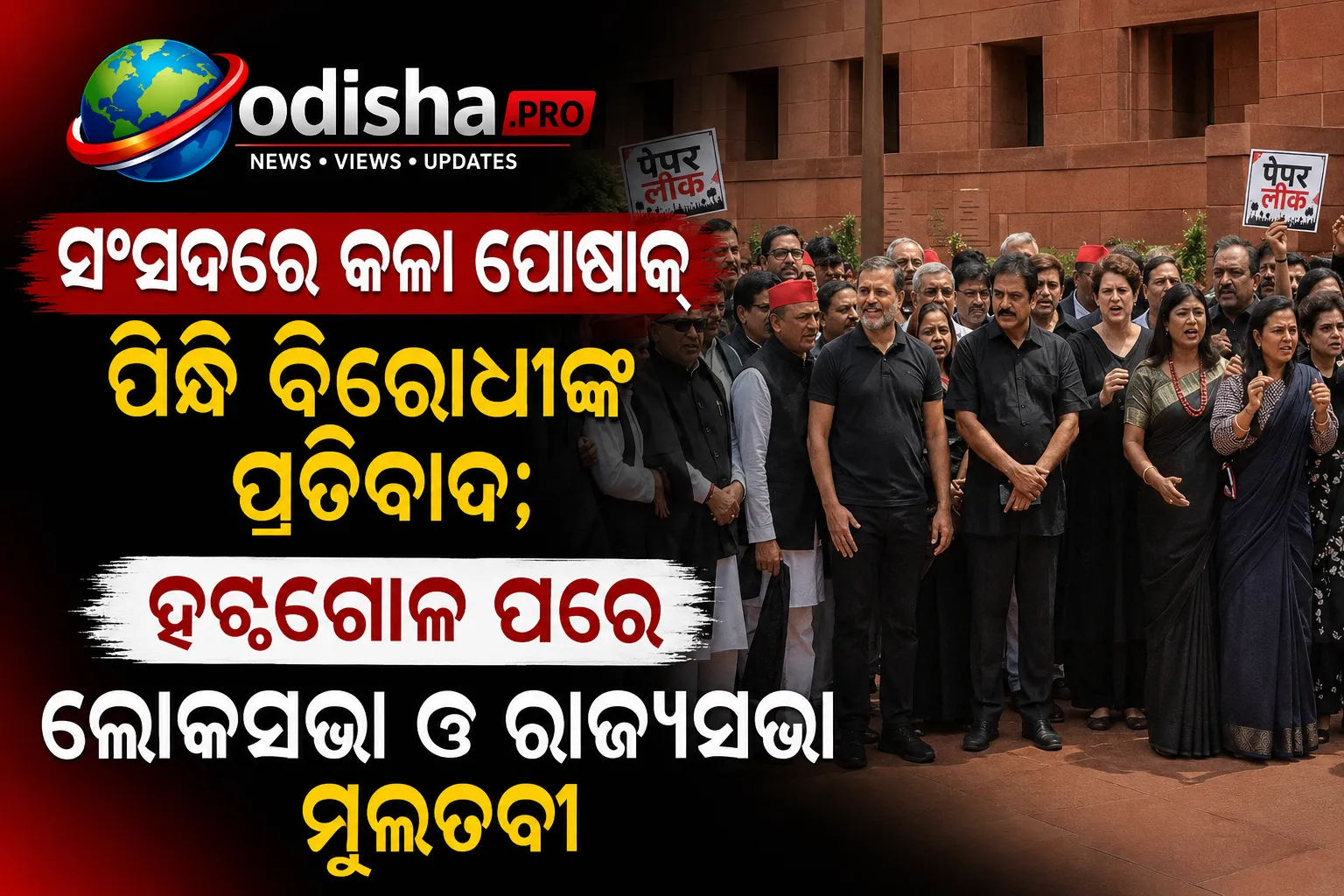
ସଂସଦର ମୌସୁମୀ ଅଧିବେଶନର ତୃତୀୟ ଦିନ ବୁଧବାର ବିରୋଧୀ ସାଂସ...
APAAR (Automated Permanent Academic Account Regist...
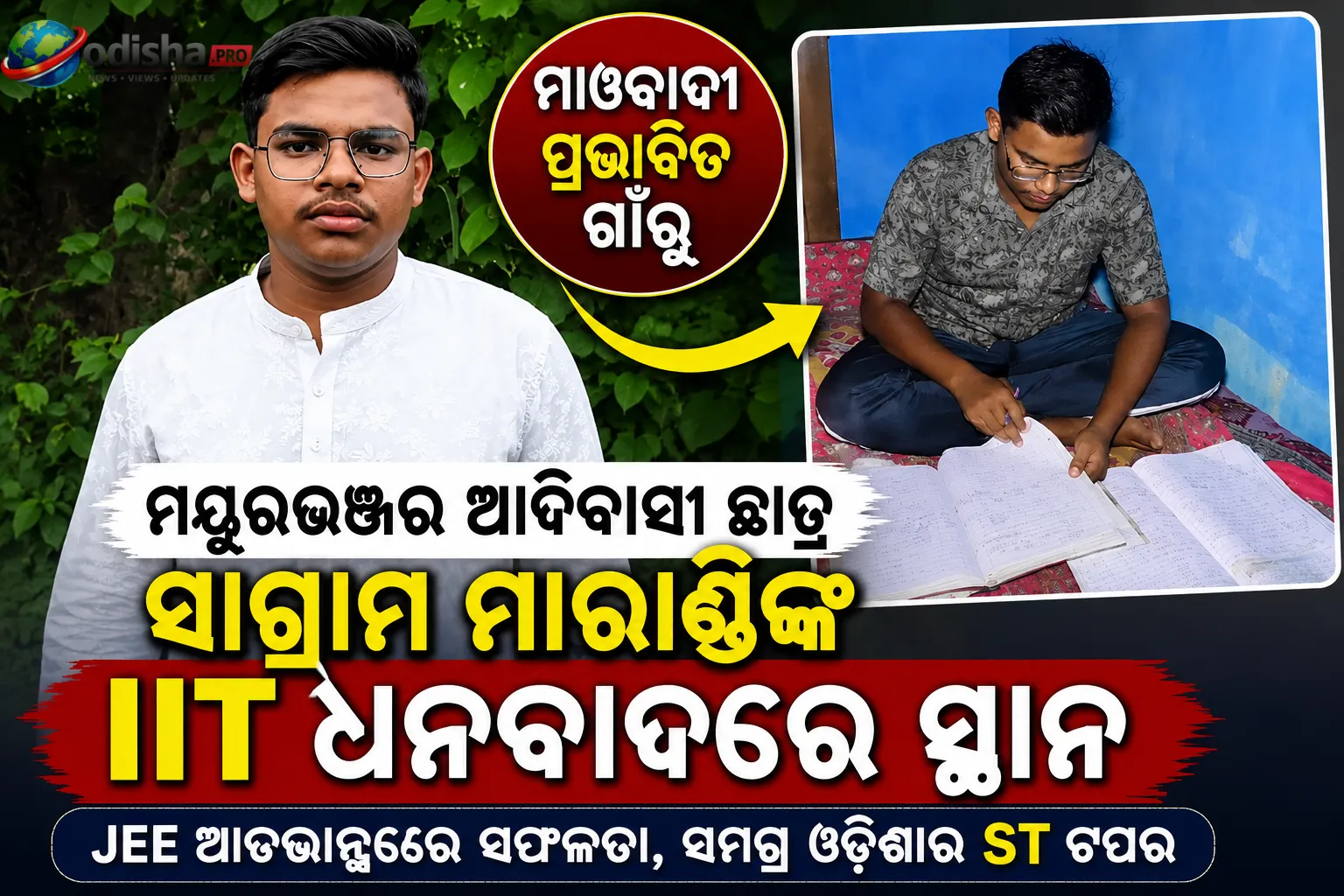
ମାଓବାଦୀ ପ୍ରଭାବିତ ଅଞ୍ଚଳରୁ ଆସିଥିବା ଜଣେ ଆଦିବାସୀ ଛାତ୍ର...

: ୟୁକ୍ରେନ ସଂଘର୍ଷ ଅଞ୍ଚଳରେ କାର୍ଯ୍ୟରତ ଭାରତୀୟ ନାବିକଙ୍କ...
ରାଜଧାନୀ ଦିଲ୍ଲୀର ଜନ୍ତର ମନ୍ତରରେ ଚାଲିଥିବା ଛାତ୍ର ଆନ୍ଦୋ...

ସିକ୍କିମରେ ଘଟିଥିବା ଭୟଙ୍କର ଟନେଲ ଦୁର୍ଘଟଣା ସମଗ୍ର ଦେଶକୁ...

ଦିଲ୍ଲୀର ଜନ୍ତର ମନ୍ତରରେ **‘କୋକରୋଚ୍ ଜନତା ପାର୍ଟି...
ଉଚ୍ଚଶିକ୍ଷା ଅନୁଷ୍ଠାନଗୁଡ଼ିକରେ ନିଯୁକ୍ତି ପ୍ରକ୍ରିୟାକୁ ଅ...

ରାଜଧାନୀ ଦିଲ୍ଲୀରେ ଚାଲିଥିବା ତୀବ୍ର ପ୍ରତିବାଦ ଓ ଆନ୍ଦୋଳନ...
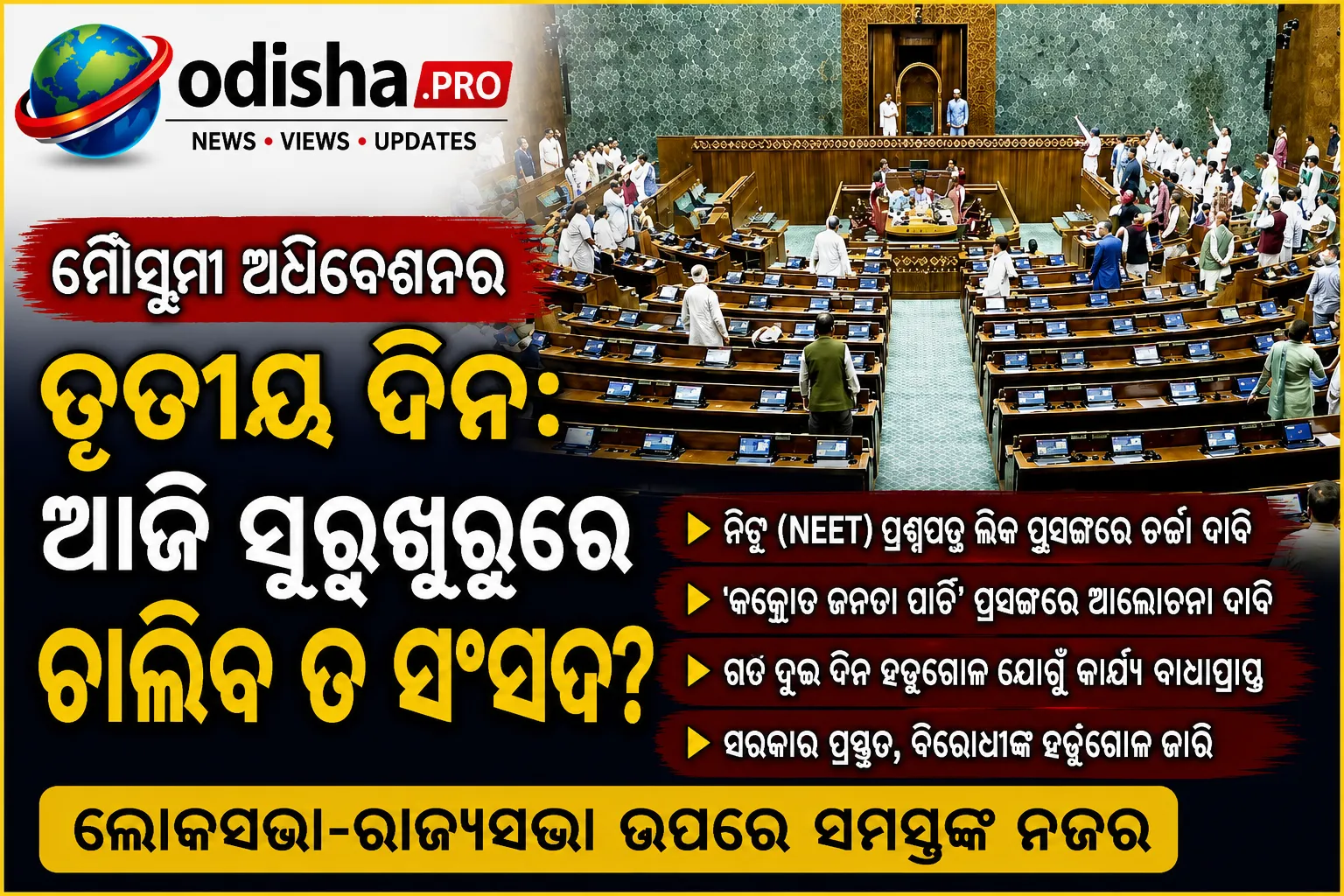
ସଂସଦର ମୌସୁମୀ ଅଧିବେଶନର ଆଜି ତୃତୀୟ ଦିନ। ଗତ ଦୁଇ ଦିନ ଧର...
ରାଜଧାନୀ ଦିଲ୍ଲୀର ଜନ୍ତରମନ୍ତରରେ ଛାତ୍ରଛାତ୍ରୀଙ୍କ ବିରୋଧ...