






Retirement often brings a welcome sense of freedom—no alarm clocks, no office deadlines, and more time to focus on personal priorities. However, for many retirees, the first year also introduces an unexpected challenge: navigating tax-related changes. A steady salary is replaced by multiple income sources such as pension payments, interest earnings, and withdrawals from savings or investments. Even small oversights during this transition can quietly erode hard-earned savings.
A common misconception is that taxes become simpler once regular pay cheques stop. In reality, the opposite is often true. The first year of retirement is when most tax mistakes occur—not due to negligence, but because retirees are unfamiliar with how tax rules and income structures change after retirement.
Common tax mistakes retirees should avoid
Not filing an income tax returnMany retirees assume that filing an income tax return is no longer required after retirement. However, banks may deduct tax on interest earned from fixed deposits or savings accounts even when overall income is modest. Without filing a return, claiming a refund becomes impossible. Filing is mandatory once income exceeds the basic exemption limit, and missing deadlines can result in penalties. Even when filing is not compulsory, it helps maintain a clean financial record and prevents future complications.
Forgetting to report all income sourcesRetirement replaces a single salary slip with multiple income streams—pension, interest, rental income, and investment withdrawals often arrive from different sources at different times. It is easy to overlook one of these while filing a return, but unreported income can attract penalties if detected later. Reviewing all income details carefully is essential, especially in the first year.
Withdrawing money in a tax-inefficient mannerThe initial years of retirement often involve significant expenses such as travel, home renovations, or family commitments. Large, one-time withdrawals may seem convenient, but they can push income into a higher tax bracket and increase tax liability. A better approach is to plan withdrawals over multiple years, make use of exemption limits, and align cash flows with tax efficiency in mind.
Misunderstanding the taxation of retirement benefitsMany retirees mistakenly believe that all post-retirement receipts are tax-free. While some benefits enjoy exemptions, others are partially or fully taxable depending on their nature. Pension income is generally taxable, and certain lump-sum receipts may also fall under the tax net. Misunderstanding these rules can lead to under-reporting and unexpected tax notices.
Missing out on senior citizen tax benefitsCrossing the age of 60 brings changes not just in lifestyle, but also in tax benefits. Senior citizens are entitled to higher basic exemption limits and additional deductions, particularly on interest income and medical expenses. Choosing the appropriate tax regime is also crucial—the new regime offers lower tax rates but removes most deductions, while the old regime allows benefits that may be more suitable for retirees. An incorrect choice in the first year can result in unnecessary tax outgo.
In essence, retirement marks the beginning of a new financial phase, not the end of tax responsibilities. The first year plays a critical role in setting the tone for the years ahead. By understanding how income patterns change, filing returns on time, planning withdrawals carefully, and making informed tax choices, retirees can safeguard their savings and enjoy greater peace of mind. With a little preparation and awareness, the golden years can remain focused on living well—rather than correcting avoidable tax mistakes

ଭାରତରେ ଡେଙ୍ଗୁ ବିରୋଧରେ ଲଢ଼େଇକୁ ଆହୁରି ମଜବୁତ କରିବା ପା...
ଓଡ଼ିଶାରେ ବାସହୀନ ପରିବାରଙ୍କୁ ପ୍ରଧାନମନ୍ତ୍ରୀ ଆବାସ ଯୋଜନ...
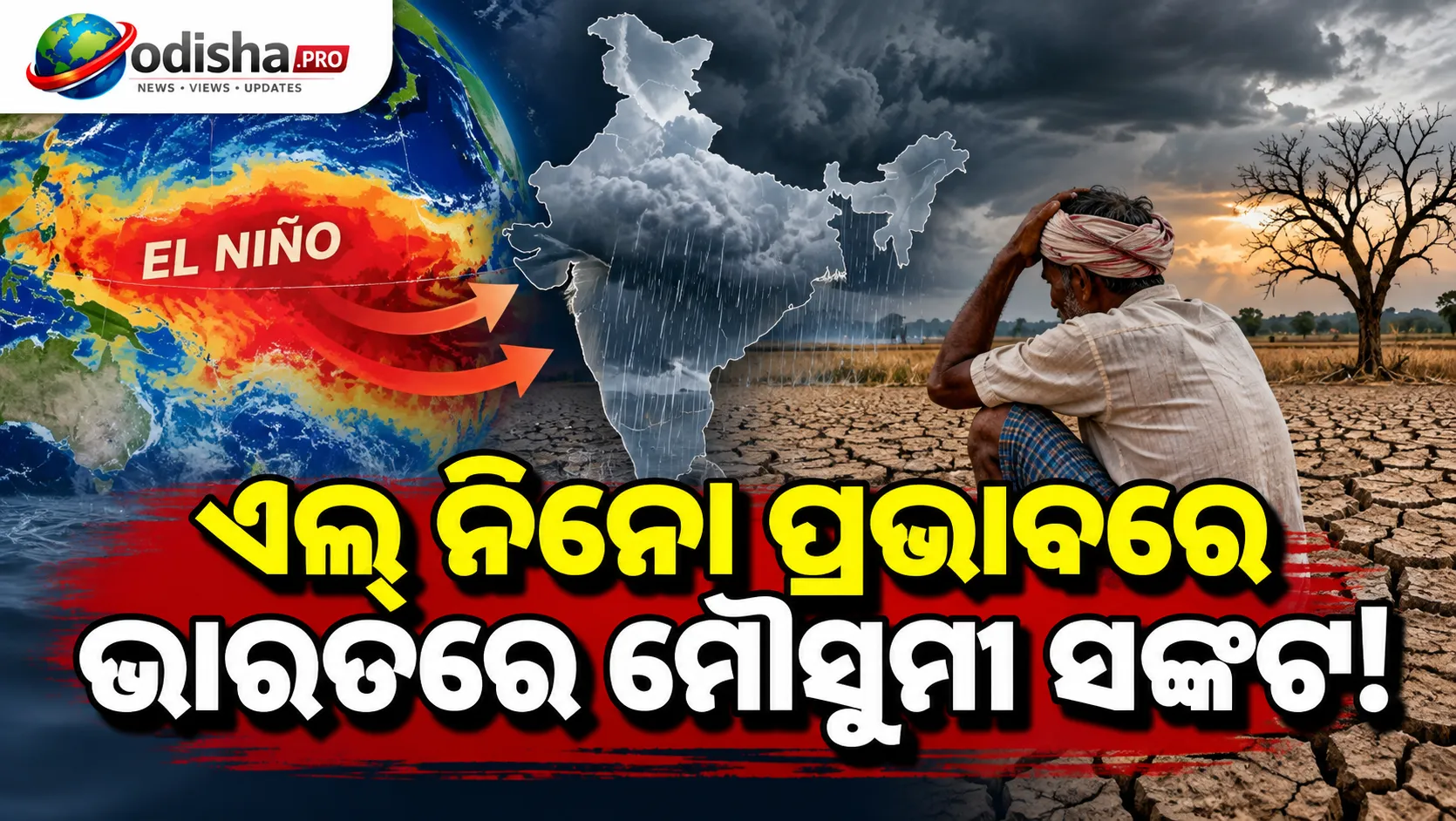
ଭାରତ ଏଥର ଦୀର୍ଘ ସମୟ ପରେ ଏକ ଦୁର୍ବଳ ମୌସୁମୀ ଋତୁର ସାମ୍ନ...
ବଙ୍ଗୋପସାଗରରେ ଆଉ ଏକ ଲଘୁଚାପ ସୃଷ୍ଟି ହେବାର ପାଣିପାଗ ବିଭ...

ଭାରତର ଖାଦ୍ୟ ନିୟାମକFood Safety and Standards Author...
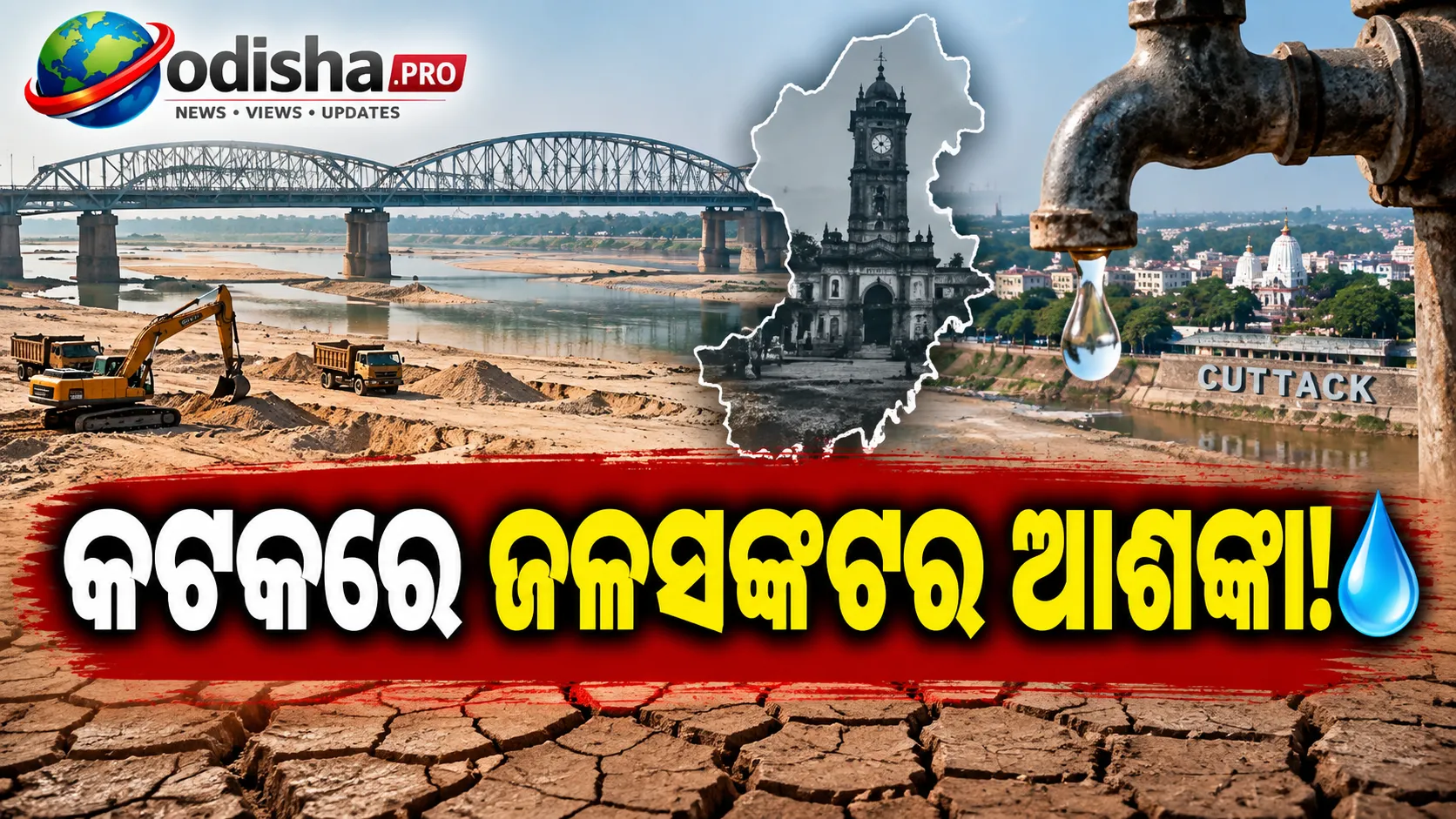
କଟକ: କଟକ ସହରର ଜଳସମ୍ପଦକୁ ନେଇ ଚିନ୍ତା ବଢ଼ିଛି। ମହାନଦୀ...

ଆଣ୍ଡାମାନ ସାଗରରେ ନୂଆ ପାଣିପାଗ ପ୍ରଣାଳୀ ଗଠନକୁ ନେଇ ଓଡ଼ି...
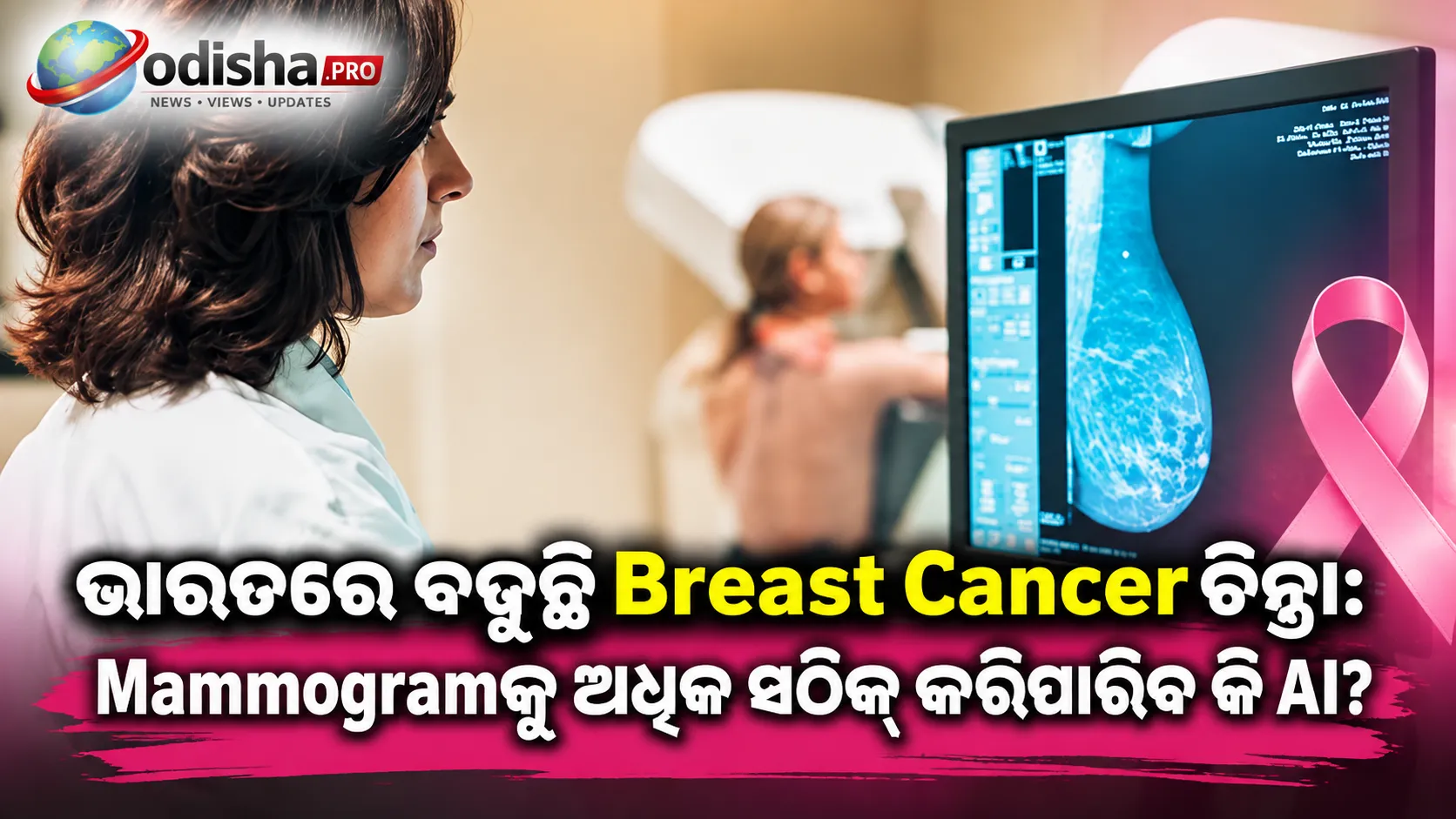
ଭାରତରେBreast Cancer ବା ସ୍ତନ କର୍କଟଏକ ଗୁରୁତର ସ୍ୱାସ୍ଥ...

ଡେଙ୍ଗୁ ବିରୋଧରେ ଭାରତର ଟିକାକରଣ ପ୍ରୟାସରେ ଏକ ନୂଆ ଅଧ୍ୟା...
ପୁରୀର ପ୍ରସିଦ୍ଧ ଶ୍ରୀଗୁଣ୍ଡିଚା ମନ୍ଦିର ଖୁବଶୀଘ୍ର ଭକ୍ତଙ୍...