











As protests sweep across Iran and the death toll rises, questions are emerging about whether this uprising could truly signal change. Hossein Rafipoor, an Oxford postdoctoral researcher who lived in Iran for 30 years and participated in reform movements, believes this movement marks a turning point. Unlike past protests focused on specific issues, Iranians now feel there is no path forward under the current regime.
In an exclusive interview with India Today Global, Rafipoor dismissed Tehran’s claims of foreign interference, explaining that the regime has historically used such accusations to justify crackdowns. He also noted that the regime’s narrative about oil exploitation is only partially true, as resources are often misused for political agendas rather than benefiting the Iranian people.
Rafipoor highlighted that this uprising encompasses more than economic grievances, women’s rights, or minority issues—it is a fight against systemic tyranny. He shared personal experiences from past movements, including the “Women, Life, Freedom” protests, emphasizing the widespread desire for liberty and justice.
On the question of international support, Rafipoor noted that many Iranians see former US President Donald Trump as a potential ally, offering hope that the people will not face the armed regime alone. Crucially, he emphasized that this time protesters have a vision for the future, rallying behind opposition leader Reza Pahlavi, who promises a transition to a secular democratic state. According to Rafipoor, this clarity about post-regime governance distinguishes the current uprising from past movements and makes it historically significant.
ଅନଲାଇନ୍ ସପିଂ ବର୍ତ୍ତମାନ ସମୟରେ ଦୈନନ୍ଦିନ ଜୀବନର ଏକ ଅଂଶ...
ଇଂଲଣ୍ଡ ଗସ୍ତରେ ଟି-୨୦ ଓ ଦିନିକିଆ ସିରିଜ୍‌ରେ ପରାଜୟ...
ବ୍ରହ୍ମପୁର ସହରରେ ପୁଣିଥରେ କୋଭିଡ୍ ସଂକ୍ରମଣ ଦେଖିବାକୁ ମି...
ବିଶ୍ୱକପ୍ ଫାଇନାଲରେ ସ୍ପେନ୍‌ ବିପକ୍ଷରେ ୦-୧ ଗୋଲରେ...
ଭାରତ ଓ ଜିମ୍ବାୱେ ମଧ୍ୟରେ ଜୁଲାଇ ୨୩ରୁ ଆରମ୍ଭ ହେବାକୁ ଥିବ...
ବଲିଉଡ୍‌ର ‘ଶେହେନଶାହ’ ଅମିତାଭ ବଚ୍ଚନଙ...

ଲଘୁଚାପ ପ୍ରଭାବରେ ଲଗାଣ ବର୍ଷା ଯୋଗୁଁ ଢେଙ୍କାନାଳ ଜିଲ୍ଲାର...
ଭାରତୀୟ କ୍ରିକେଟ୍ ଦଳର ପୂର୍ବତନ ଅଫ୍‌ ସ୍ପିନର ରବିଚନ...
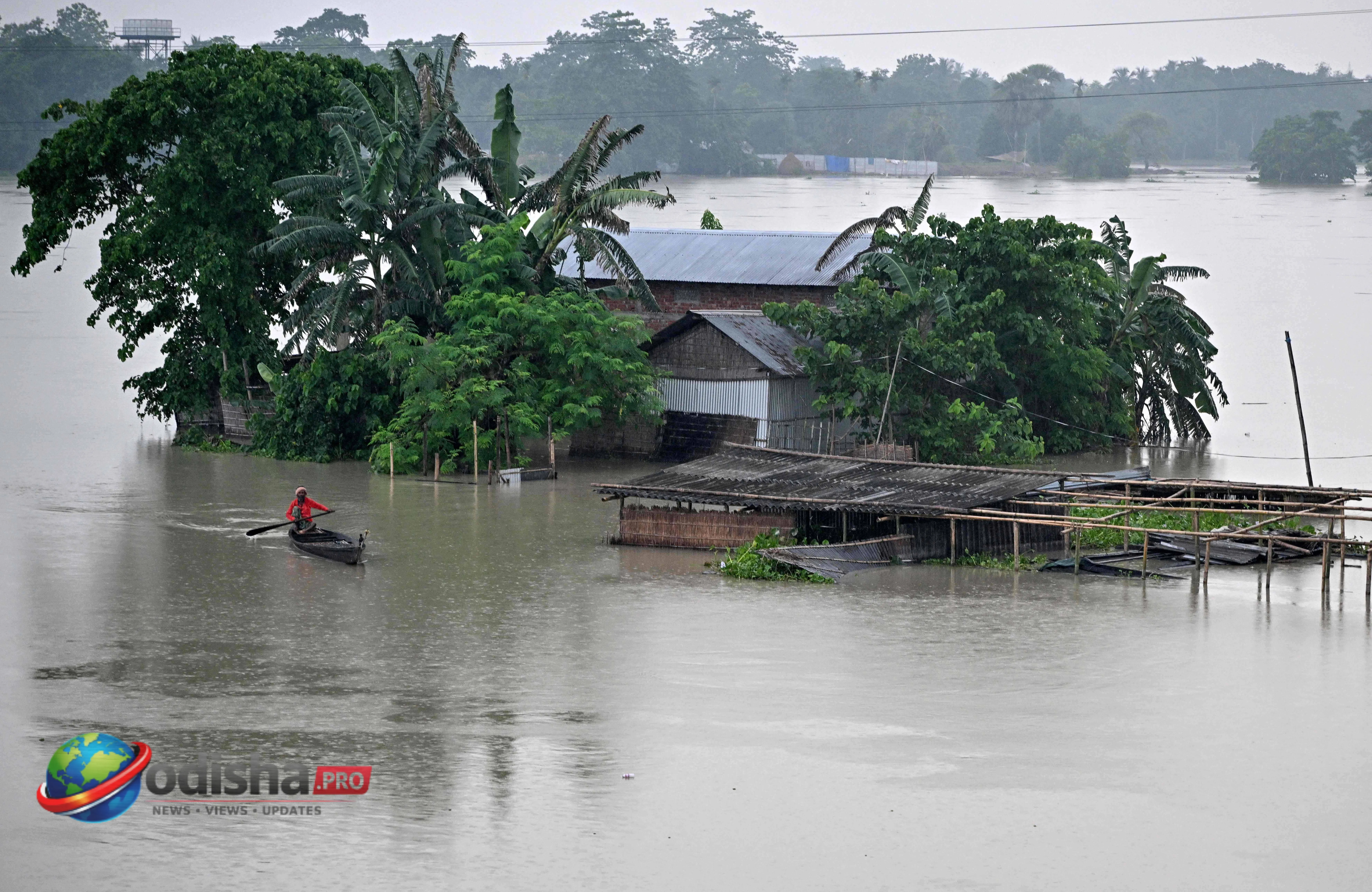
ଲଗାଣ ବର୍ଷା ପରେ ଆସାମରେ ପ୍ରକୃତିର ପ୍ରଳୟଙ୍କରୀ ରୂପ ଦେଖି...

ଦିଲ୍ଲୀ-ଏନ୍‌ସିଆରରେ ପାଗରେ ହଠାତ୍ ପରିବର୍ତ୍ତନ ଦେଖା...
ଓଡ଼ିଶାର ଆଦିବାସୀ ଅଞ୍ଚଳରେ ପୌଷ୍ଟିକ ସଙ୍କଟ ଗଭୀର ହେଉଥିବା...
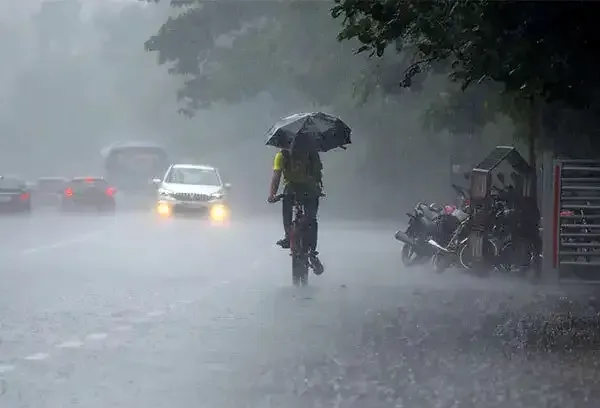
ଲଘୁଚାପ ଜନିତ ବର୍ଷାରେ ସମଗ୍ର ଓଡ଼ିଶା ଭିଜୁଥିବା ବେଳେ ଆସନ...