




Late actor Irrfan Khan, who would have turned 59 today, was known not only for his powerful performances but also for his thoughtful and often controversial views on social and religious issues. In 2016, during promotions for his film Madaari, Irrfan openly questioned certain religious practices within Islam, triggering intense public discussion.
Speaking to Deccan Herald, Irrfan reflected on the practice of animal sacrifice during Eid-ul-Adha, stating that the true meaning of qurbani had been diluted over time. According to him, real sacrifice was not about slaughtering an animal bought for the occasion, but about giving up something personally meaningful. His remarks challenged ritualistic interpretations and called for deeper understanding of faith.
He also spoke critically about the way Ramadan fasting is observed, suggesting that self-introspection and ethical living mattered more than abstaining from food alone. Irrfan further expressed concern over how religious observances such as Muharram were being misunderstood or misrepresented, saying the core spirit of mourning and reflection was often lost.
The actor’s comments drew sharp backlash from sections of the Muslim clergy, with some religious leaders asking him to refrain from commenting on faith-related matters. Despite the criticism, Irrfan stood by his views and continued to speak against extremism and terrorism, especially after the 2016 Dhaka terror attack.
In a post on social media at the time, he questioned why Islam was repeatedly associated with violence, emphasising that compassion and mercy are central to the religion. He urged Muslims to actively challenge distorted interpretations rather than remain silent.
Years later, these statements continue to resurface, remembered as part of Irrfan Khan’s legacy as a public figure who encouraged dialogue, self-reflection and humanity over blind ritualism.
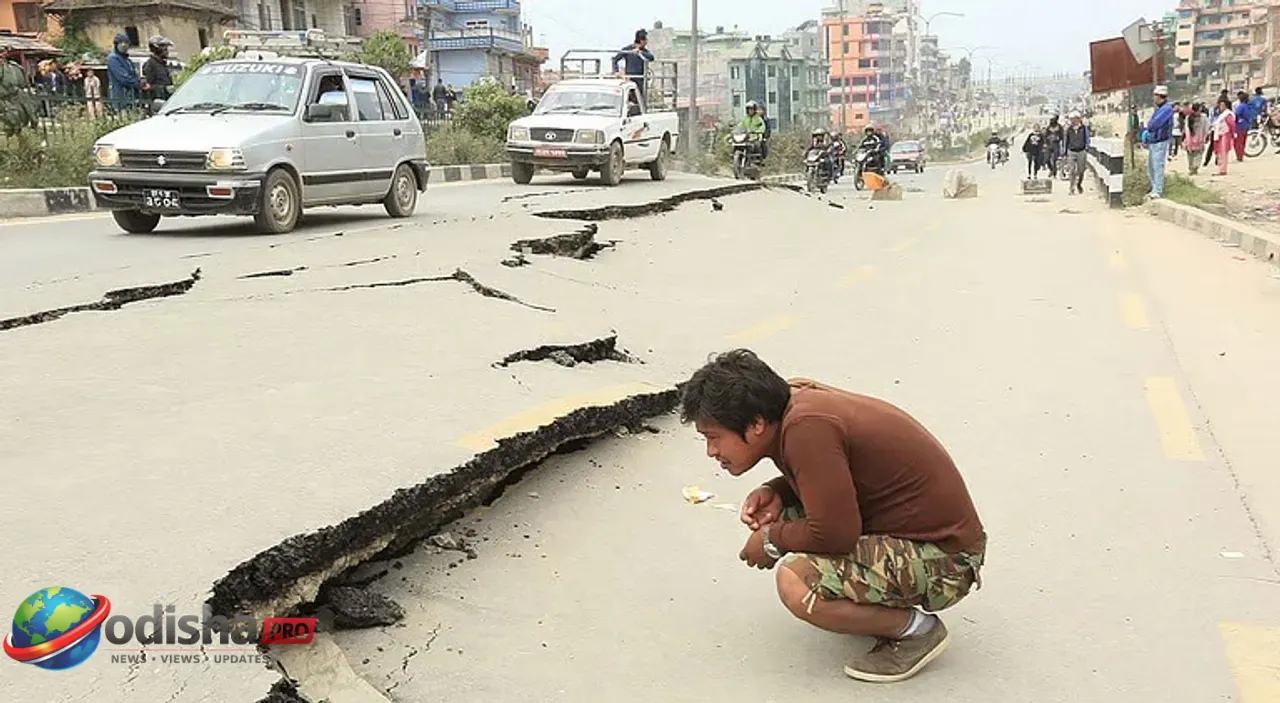
ପଶ୍ଚିମ ନେପାଳରେ ବୁଧବାର ପ୍ରତ୍ୟୁଷରେ ଏକ ମୃଦୁ ଭୂମିକମ୍ପ...
ଜାପାନରେ ପ୍ରବଳ ତାତି ଓ ଗ୍ରୀଷ୍ମ ପ୍ରବାହ ଜନଜୀବନକୁ ବିପର୍...
ଫିଲିପାଇନ୍ସର ରାଜଧାନୀ ମାନିଲାରେ ଆୟୋଜିତ ଆସିଆନ୍ ବୈଦେଶିକ...
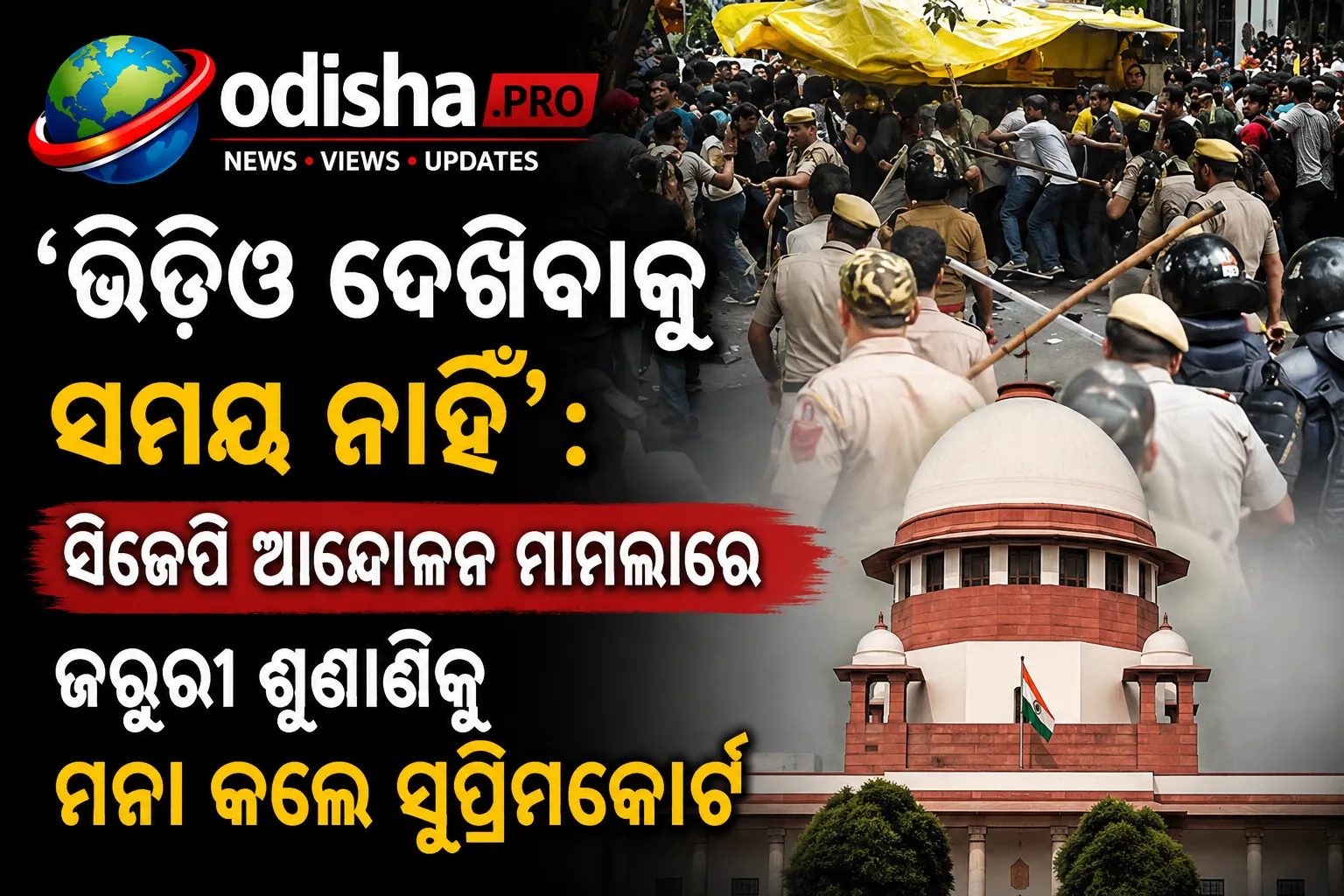
ଦିଲ୍ଲୀର ଜନ୍ତର ମନ୍ତରରେ **‘କୋକରୋଚ୍ ଜନତା ପାର୍ଟି...
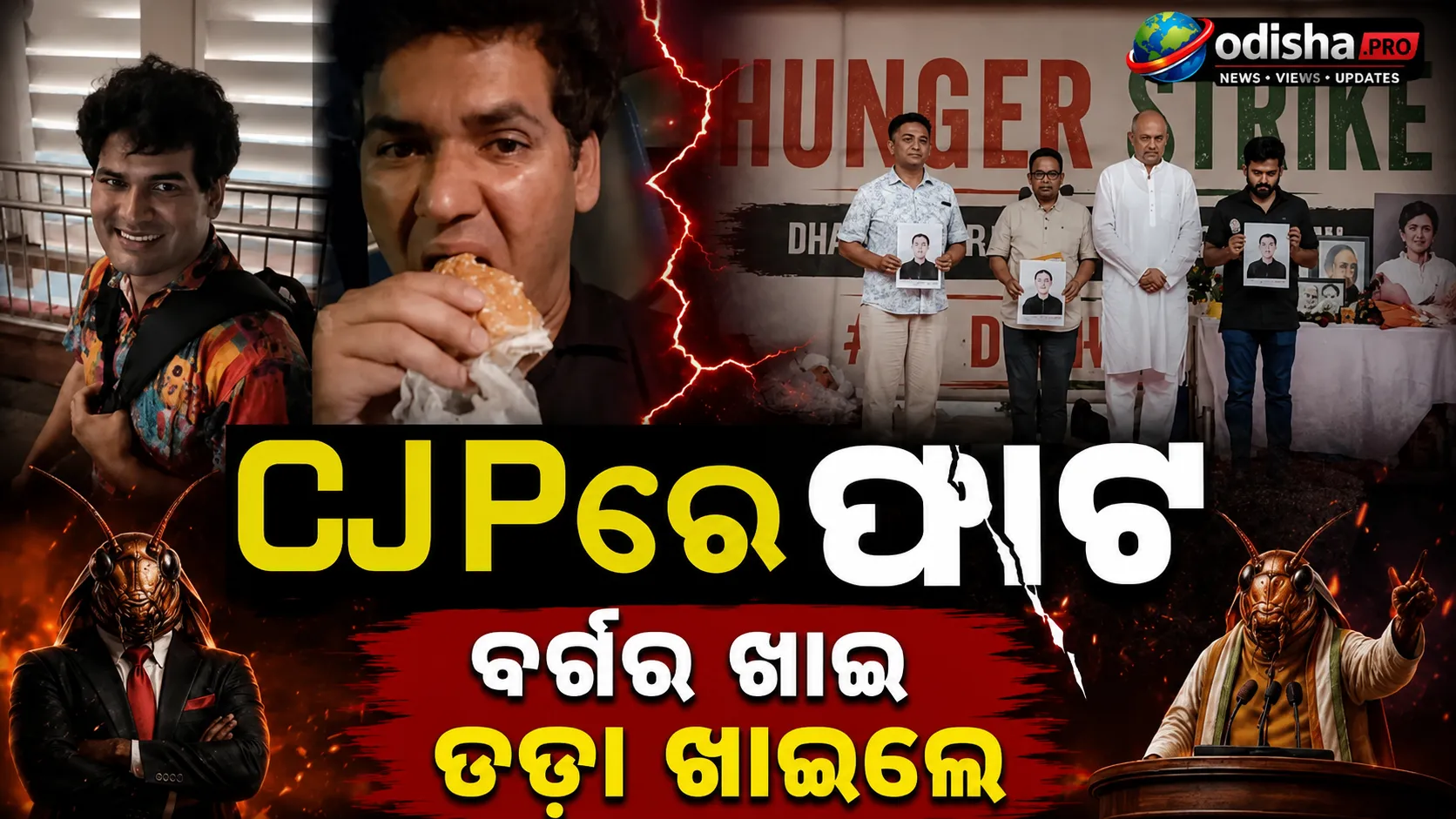
ଦିଲ୍ଲୀ ରାଜନୀତିରେ ଏବେ ଏକ ଅଜବ ଘଟଣାକୁ ନେଇ ଚର୍ଚ୍ଚା ଜୋର...
ମେଷ ଏହି ସପ୍ତାହ ଆପଣଙ୍କ କର୍ମକ୍ଷେତ୍ର ପାଇଁ ଉତ୍ସାହଜନ...
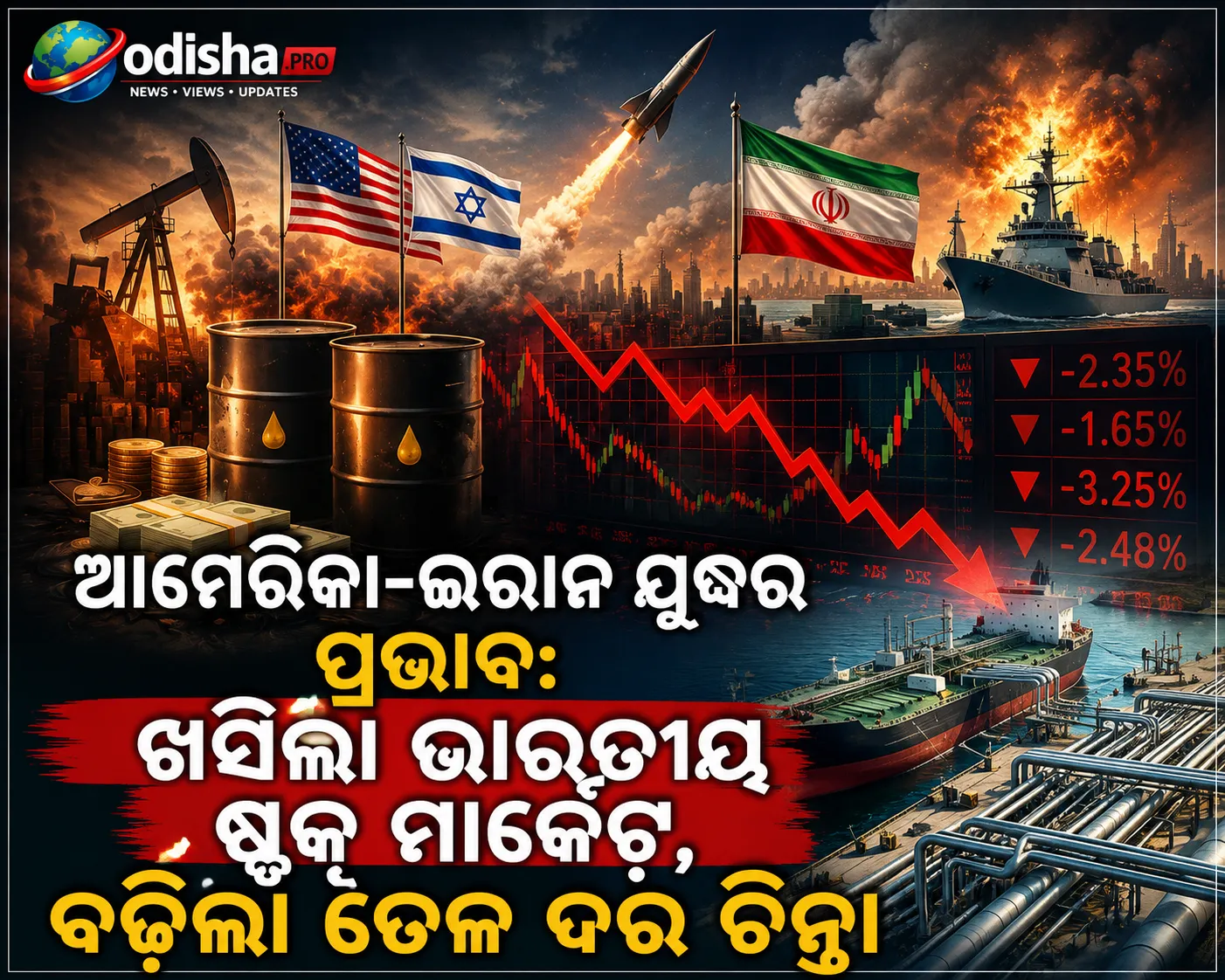
ଆମେରିକା ଓ ଇରାନ ମଧ୍ୟରେ ବଢ଼ୁଥିବା ସାମରିକ ସଂଘର୍ଷର ପ୍ରଭ...
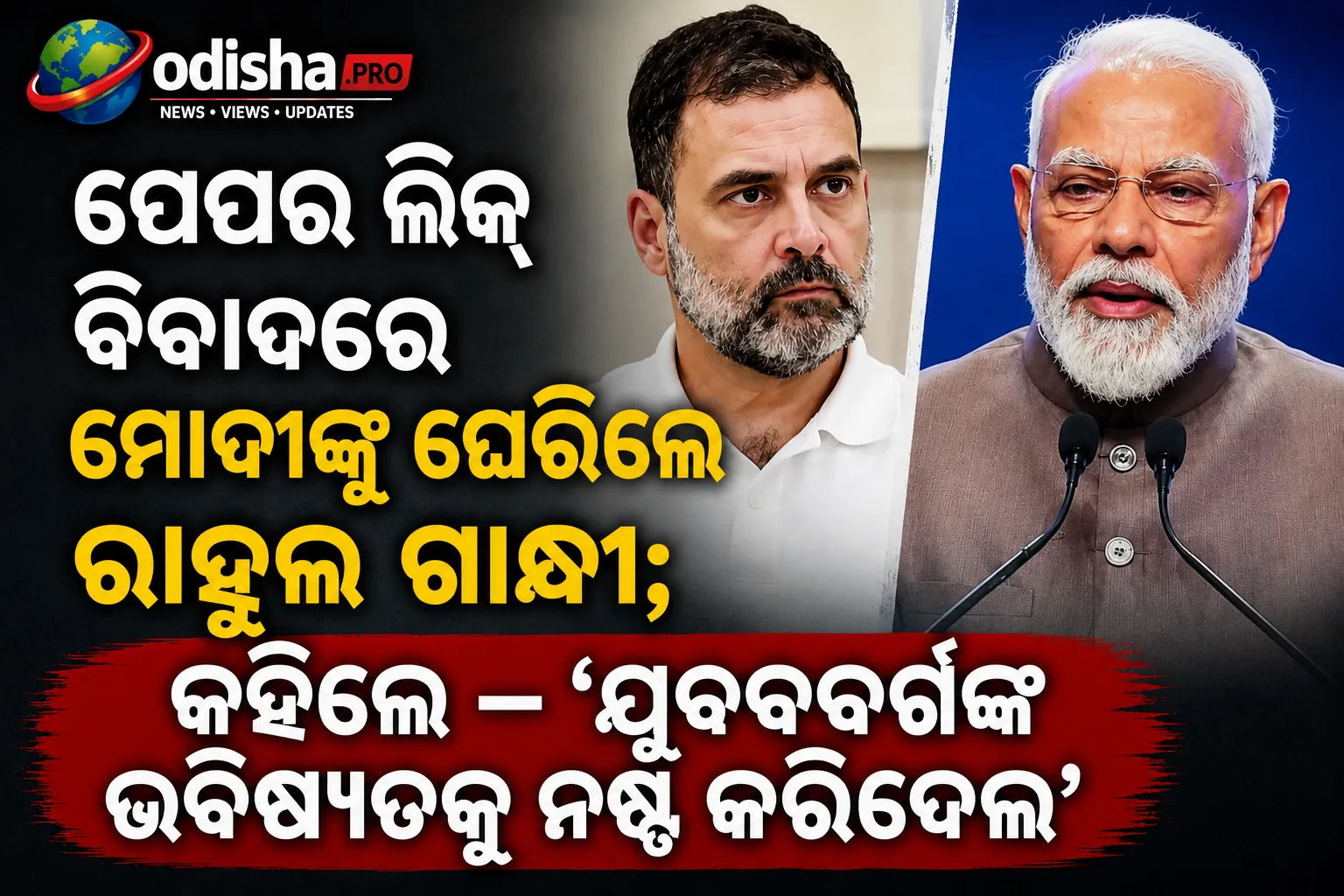
ଦେଶରେ ପେପର ଲିକ୍ ବିବାଦ ଏବେ ଚରମ ସୀମାରେ ପହଞ୍ଚିଛି। ଏହି...
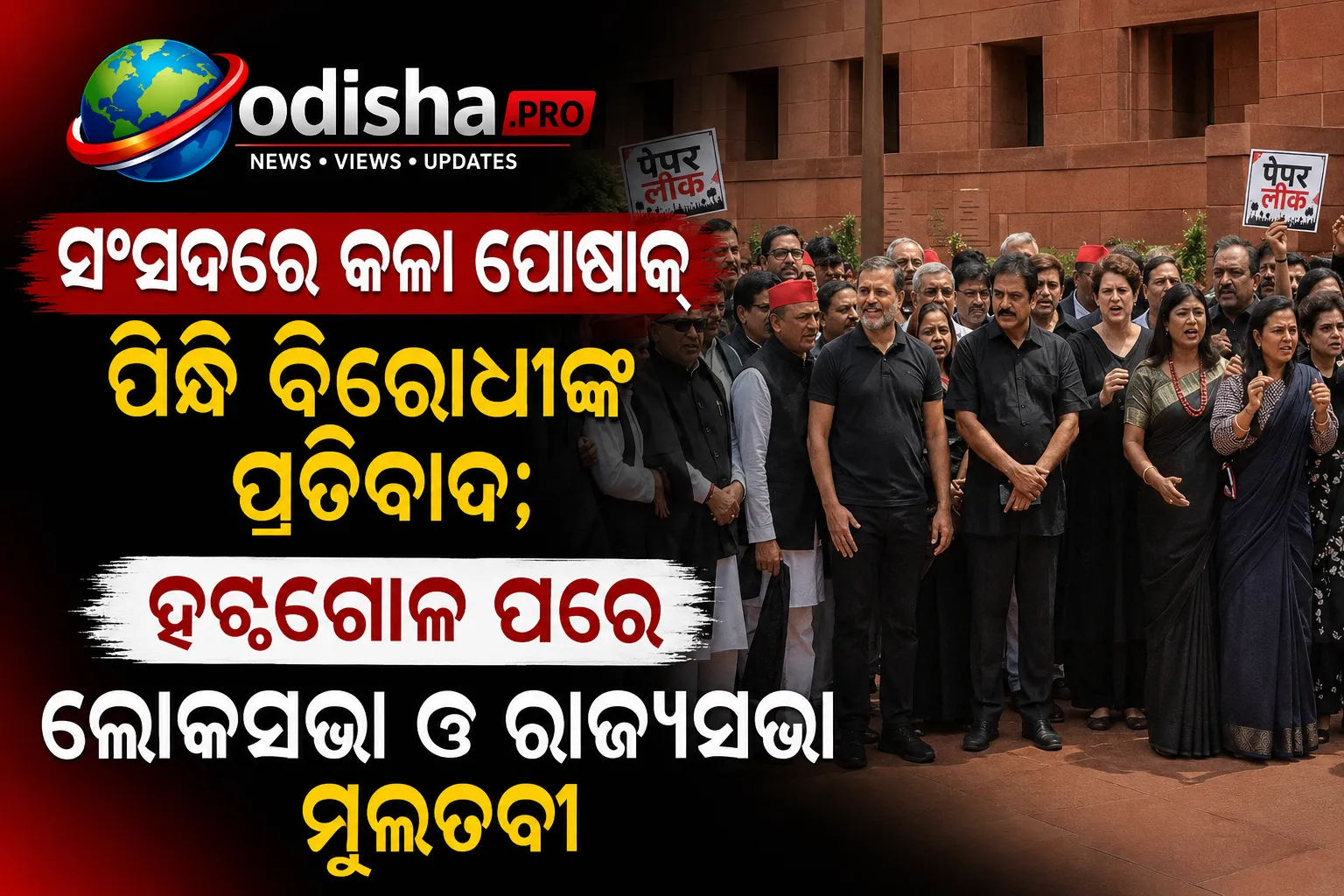
ସଂସଦର ମୌସୁମୀ ଅଧିବେଶନର ତୃତୀୟ ଦିନ ବୁଧବାର ବିରୋଧୀ ସାଂସ...