



The tragic death of a techie in Noida’s Sector 150, whose car plunged into an unbarricaded, water-filled construction pit, has brought construction site safety and legal accountability sharply into focus. The incident has triggered questions about builders’ responsibilities, regulatory enforcement, and emergency response preparedness.
Legal experts note that under Indian law, construction site safety is a statutory duty, not a mere guideline. The Building and Other Construction Workers (Regulation of Employment and Conditions of Service) Act, 1996, along with the 1998 Rules, mandates that builders, developers, and contractors implement safety measures including barricading, fencing, lighting, and warning signage. Sections 39, 40, and 45 of the Act explicitly outline these requirements, and violations can lead to criminal penalties under Sections 47–50.
Judicial precedents, including the Supreme Court’s 1966 Municipal Corporation of Delhi v. Subhagwanti verdict, apply the principle of “foreseeable risk” and the doctrine of res ipsa loquitur, holding builders and site owners liable when negligence leads to public harm. Excavation activities, particularly those with water accumulation near public roads, require “exceptional care,” say legal experts.
Following the incident, Noida police arrested Abhay Kumar, owner and director of MZ Wiztown Planners Pvt Ltd, under Sections 105, 106(1), and 125 of the Bharatiya Nyaya Sanhita, 2023, covering culpable homicide not amounting to murder, death by rash or negligent acts, and endangering human life. Experts note that both civil compensation and criminal prosecution can follow when negligence results in death, especially given reports that the victim, Yuvraj, struggled in cold water for hours before succumbing.
Municipal authorities, police, and disaster management agencies are also under scrutiny for preparedness and response. While primary liability rests with the builder, failure of rescue agencies or municipal inspections may attract contributory responsibility or compensation claims if gross negligence is established.
The incident has ignited public outrage, particularly after reports showed prior damage to the site from a truck accident, with no barricades or warning signage in place. The state government has ordered an SIT probe and issued notices to traffic and municipal officials, emphasizing that accountability for urban construction safety is a pressing concern in India.
This case is set to become a significant benchmark for enforcing construction safety norms, legal liability of builders and contractors, and responsibilities of civic authorities in protecting public safety.

ଆମେରିକାର ମାସାଚୁସେଟ୍ସରେ ନିଜ ୩ ଛୋଟ ସନ୍ତାନଙ୍କ ମୃତ୍ୟୁ...

କଟକ ସହରର ବଢ଼ୁଥିବା ଟ୍ରାଫିକ୍‌ ସମସ୍ୟାକୁ ନେଇ ଓଡ଼ି...
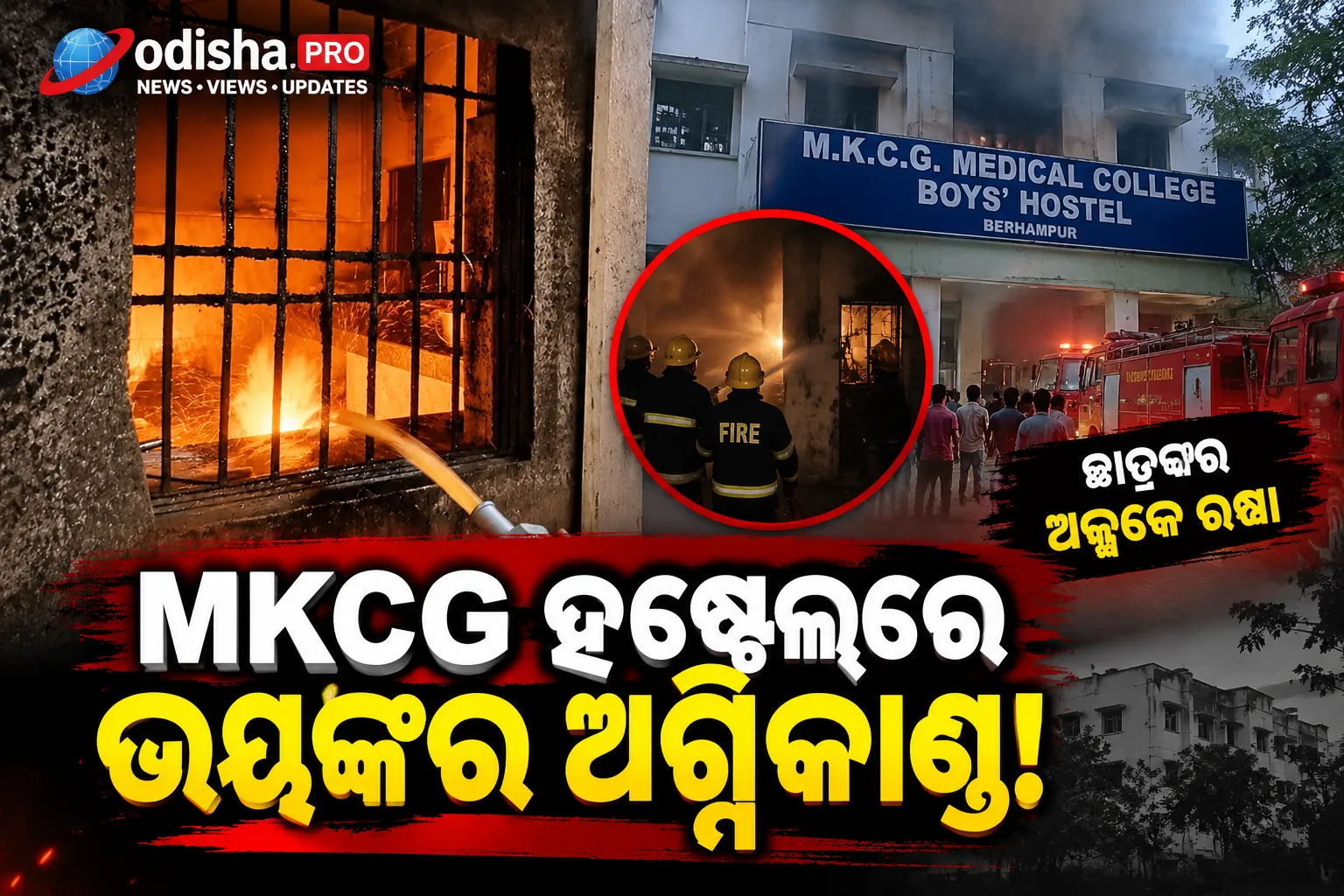
ବ୍ରହ୍ମପୁରର MKCG ମେଡିକାଲ କଲେଜ ଓ ହସ୍ପିଟାଲ୍‌ ପରି...

ଶ୍ରୀକ୍ଷେତ୍ର ପୁରୀର ବଡ଼ଦେଉଳରେ ଚାଲିଥିବା ଶ୍ରୀକୃଷ୍ଣ ଲୀଳ...
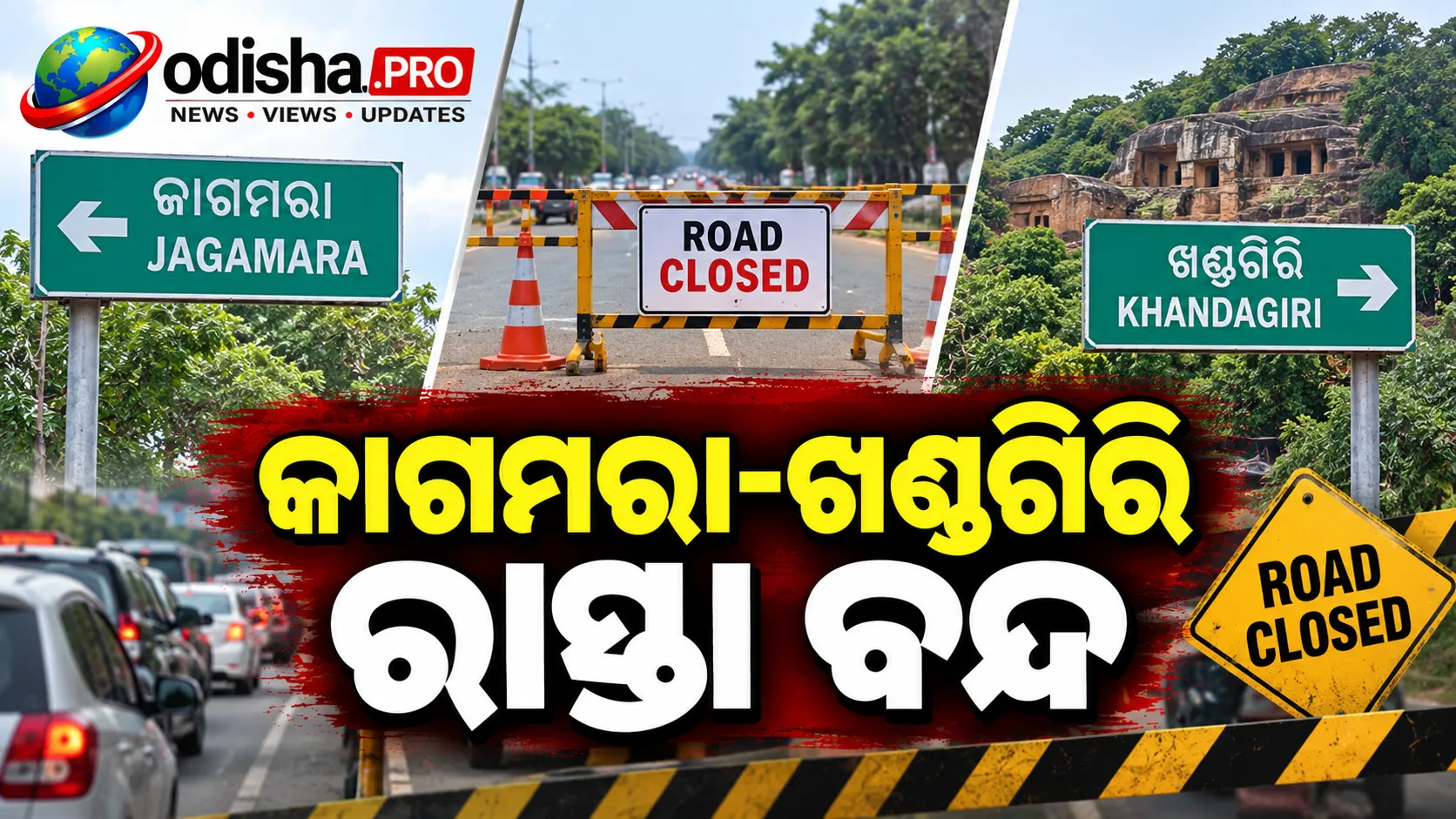
ଭୁବନେଶ୍ୱରର ଜାଗମରା, ଖଣ୍ଡଗିରି ଓ ଏହାର ଆଖପାଖ ଅଞ୍ଚଳରେ ର...

ହାଇଦ୍ରାବାଦରେ ଜଣେ୧୬ ବର୍ଷୀୟ କିଶୋରଙ୍କ ପେଟରୁ ୩ଟି ରେଜର...

ପଶ୍ଚିମବଙ୍ଗରେ ଡେଙ୍ଗୁ ମୁକାବିଲା ପାଇଁ ସ୍କୁଲ ଛାତ୍ରଛାତ୍ର...