



Nepal is voting in a crucial general election that could reshape its political future, as millions of voters head to polling booths across the country. Around 1.9 crore citizens, including nearly eight lakh first-time Gen Z voters, are participating in the nationwide poll.
The election comes months after the 2025 Gen Z protests that led to the fall of the government led by former Prime Minister KP Sharma Oli. The uprising marked a major political shift in the country and pushed younger voters into the spotlight.
One of the most talked-about candidates is Balendra Shah, widely known as “Balen”. A former underground rapper and structural engineer, Shah previously served as the mayor of Kathmandu after winning the 2022 mayoral election as an independent candidate. Now aligned with the Rastriya Swatantra Party (RSP), the 35-year-old leader has become a symbol of change for many young voters.
Shah is contesting directly against veteran leader KP Sharma Oli in the Jhapa-5 constituency, setting up a high-profile battle between a rising millennial politician and a 74-year-old political heavyweight who has served as Nepal’s prime minister four times.
The election also features several experienced leaders, including former prime ministers Sher Bahadur Deuba of the Nepali Congress, Pushpa Kamal Dahal (also known as Prachanda) of the Maoist Centre, Madhav Kumar Nepal, Jhala Nath Khanal, and Baburam Bhattarai.
More than 3,500 candidates from 65 political parties are competing for 275 seats in the House of Representatives. Around 23,000 polling stations have been set up nationwide, and results are expected within 24 hours after counting begins.
The election also takes place amid renewed debate over the monarchy. Nepal was ruled by the Shah dynasty for more than two centuries until the monarchy was abolished in 2008. Recently, former king Gyanendra Shah stirred controversy by calling for elections to be postponed until the country resolves political instability.
With political frustration rising and youth voters seeking change, the election could determine whether Nepal’s long-dominant political establishment continues to hold power or a new generation of leaders emerges.
ଦିଲ୍ଲୀର ଜନ୍ତର-ମନ୍ତରରେ ସମ୍ପ୍ରତି ଆୟୋଜିତ ସିଜେପିର&lsqu...
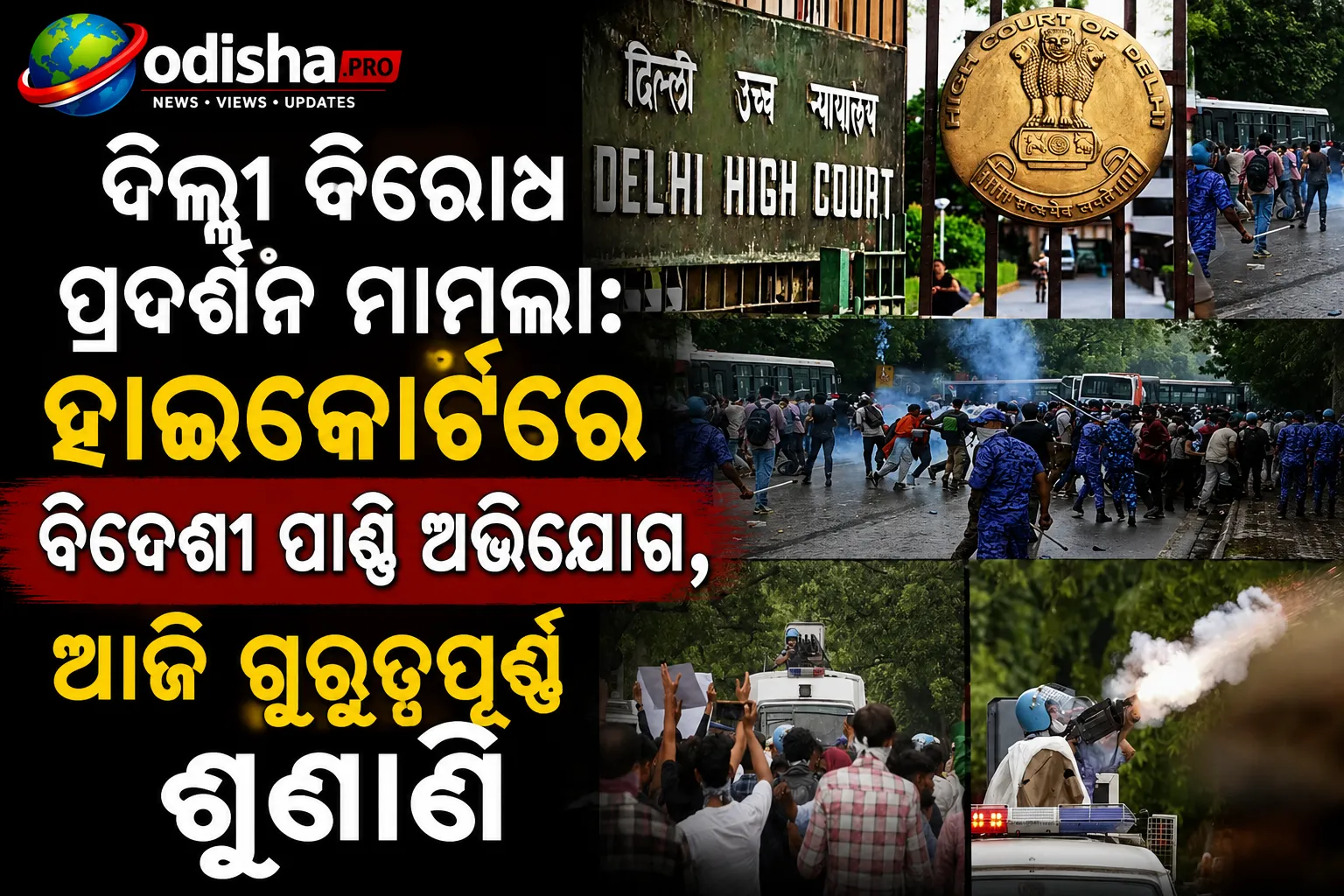
ରାଜଧାନୀ ଦିଲ୍ଲୀରେ ଚାଲିଥିବା ତୀବ୍ର ପ୍ରତିବାଦ ଓ ଆନ୍ଦୋଳନ...
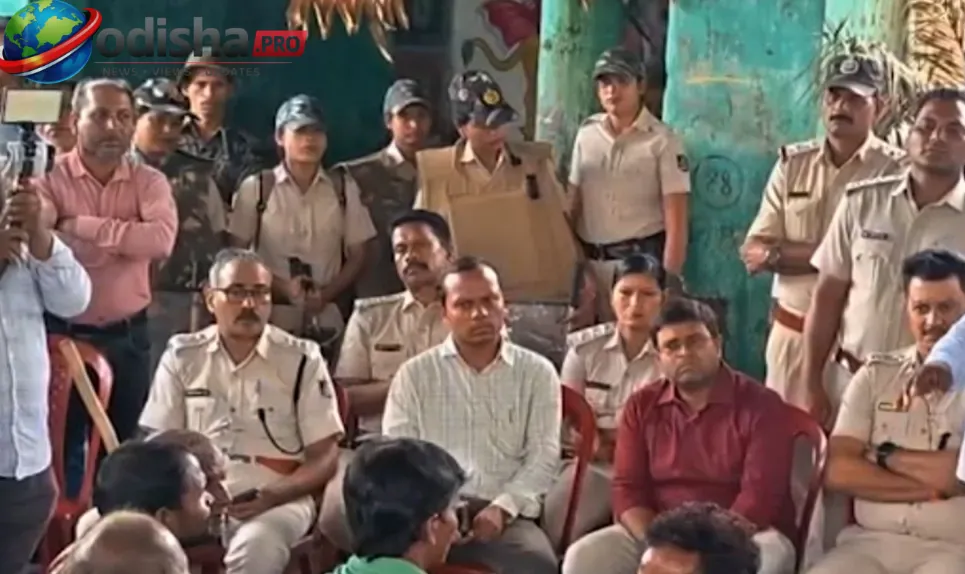
ବଲାଙ୍ଗିର ଜିଲ୍ଲାର ଲୋୟର ସୁକତେଲ ପ୍ରକଳ୍ପକୁ ନେଇ ମଙ୍ଗଳବା...
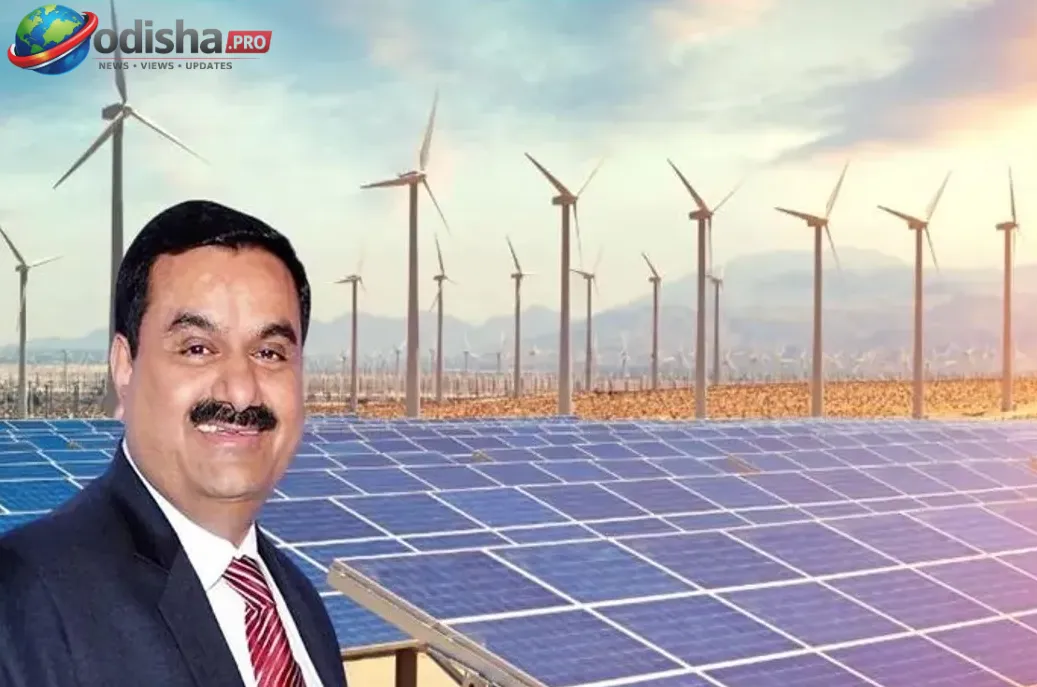
ଅଦାନୀ ଗ୍ରୁପ୍‌ର ଅଦାନୀ ଏନର୍ଜି ସଲ୍ୟୁସନ୍ସ ଲିମିଟେଡ...
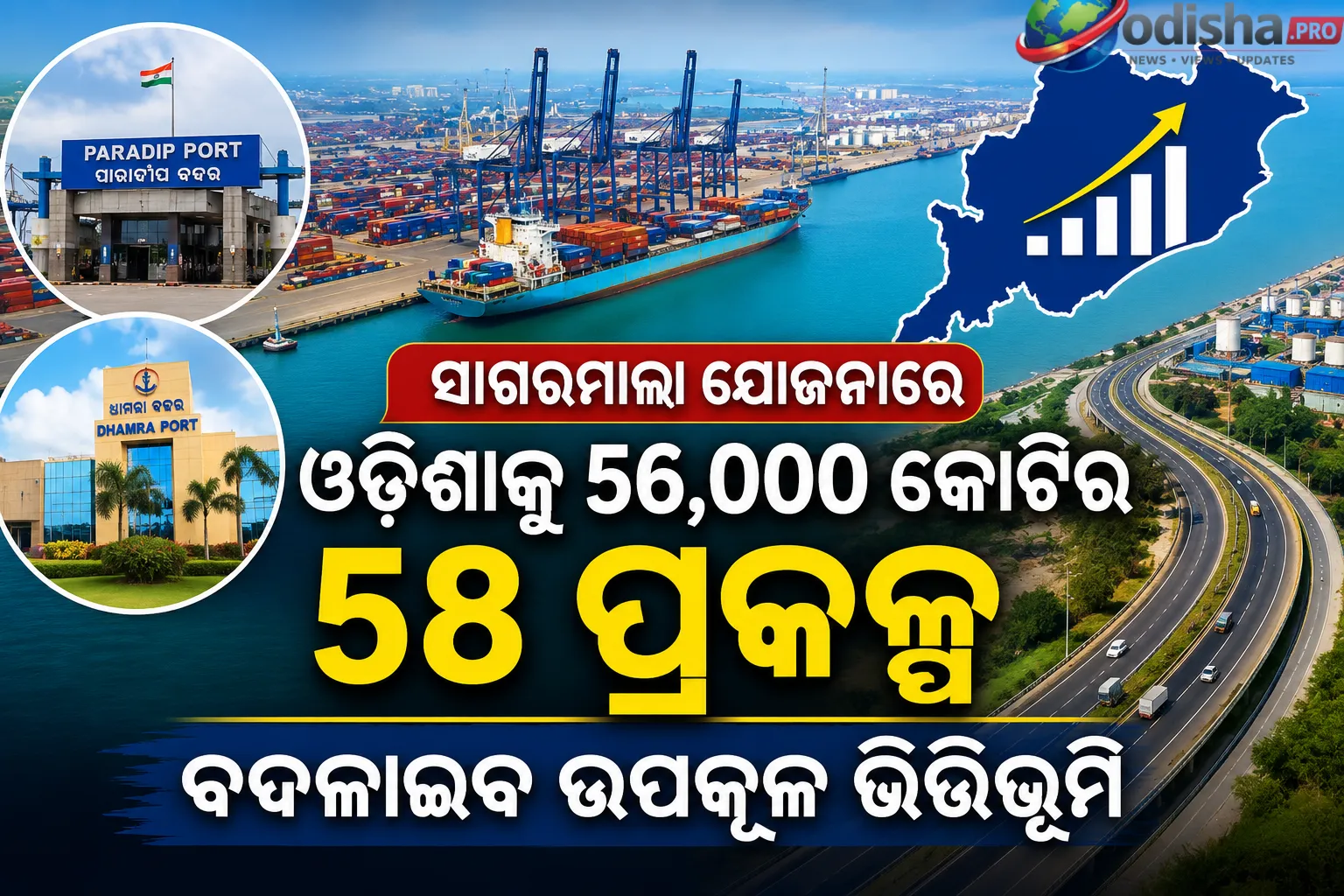
ସାଗରମାଳା କାର୍ଯ୍ୟକ୍ରମ ଅଧୀନରେ ଓଡ଼ିଶା ଦେଶର ଅଗ୍ରଣୀ ରାଜ...
ବାଂଲାଦେଶର ରାଜନୀତିରେ ପୁଣି ଥରେ ବଡ଼ ହଇଚଇ ସୃଷ୍ଟି ହୋଇଛି...
ରାଜଧାନୀ ଦିଲ୍ଲୀର ଜନ୍ତରମନ୍ତରରେ ଛାତ୍ରଛାତ୍ରୀଙ୍କ ବିରୋଧ...
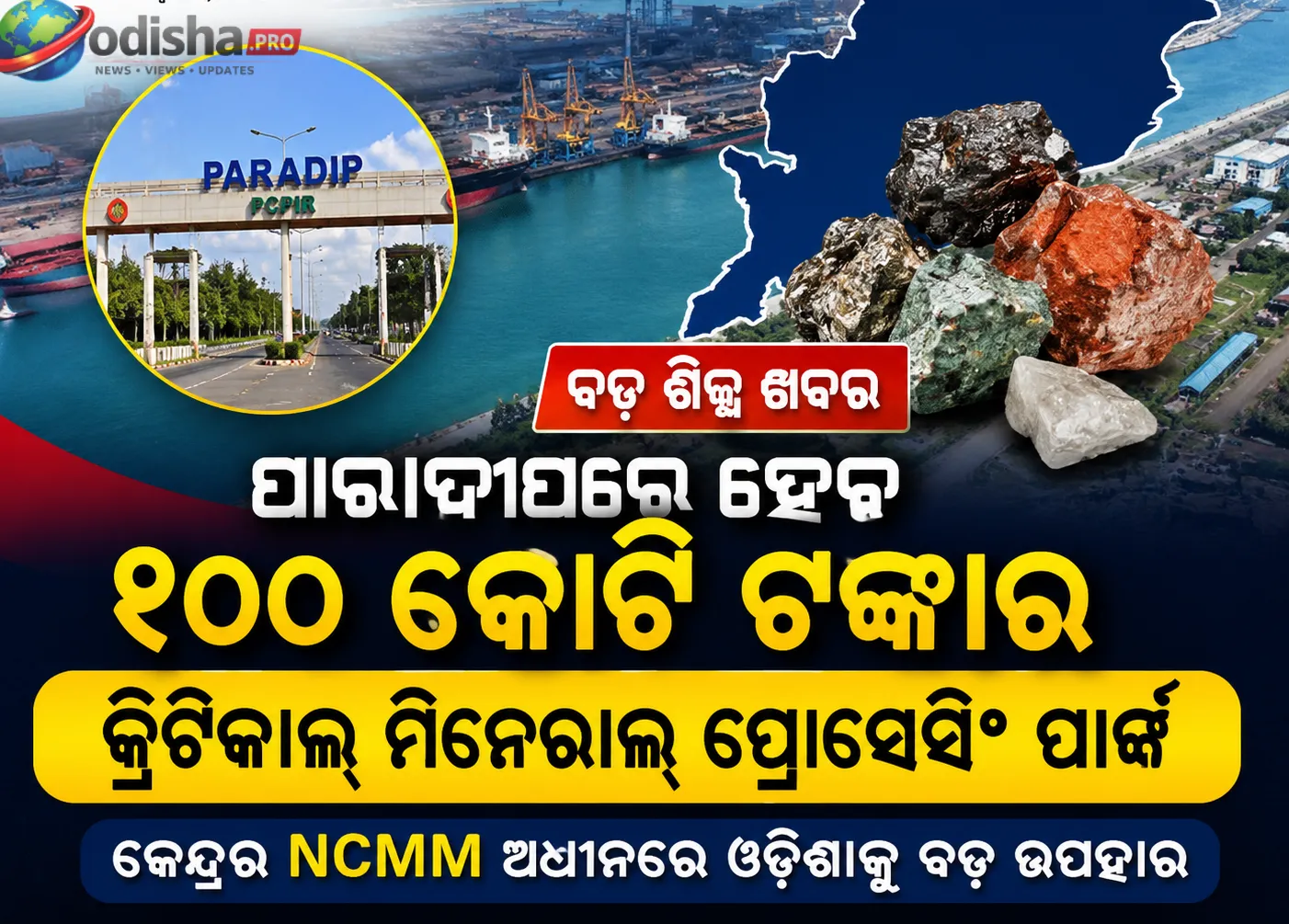
ଓଡ଼ିଶାକୁ ମିଳିଛି ଆଉ ଏକ ବଡ଼ ଶିଳ୍ପ ପ୍ରକଳ୍ପ। କେନ୍ଦ୍ର ସ...

ମେଷ ଏହି ସପ୍ତାହ ଆପଣଙ୍କ କର୍ମକ୍ଷେତ୍ର ପାଇଁ ଉତ୍ସାହଜନ...