







Nepal is at the cusp of a major economic and political reset, and Binod Chaudhary believes the moment calls for decisive policy action and stronger regional integration. The chairman of the Chaudhary Group and Nepal’s only representative on the Forbes billionaires list says the country can unlock its vast untapped potential by leveraging tourism, hydropower, connectivity and education, while positioning itself as a strategic bridge between India and China.
Chaudhary was in Calcutta recently to showcase his new book,Made in Nepal, and to participate in a discussion with Harshavardhan Neotia at the Kolkata Literary Meet. In an interview withThe Telegraph, he pointed to chronic underutilisation of infrastructure as one of Nepal’s most urgent reform challenges.
Despite having three international airports, most overseas flights operate through just one. Chaudhary said extending India’s UDAN regional connectivity scheme to link Indian cities with Nepal’s other airports could significantly boost tourism and employment. “Tourism is a big sector. Five million tourists can create nearly fifteen million jobs,” he noted, adding that improved air connectivity could be a game changer for regional development.
Hydropower exports, he said, present an even larger opportunity. Nepal has an estimated hydropower potential of around 80,000 MW but currently exports less than 2,000 MW. With India reportedly willing to purchase up to 10,000 MW, Chaudhary said deeper cooperation in the power sector could dramatically improve Nepal’s balance of payments, attract infrastructure investment and generate jobs. “This is going to be a game changer,” he said, urging faster execution of cross-border energy projects.
Connectivity infrastructure is another priority area. Drawing lessons from India’s railway transformation, Chaudhary advocated joint ventures, BOT models and other partnership structures with India to strengthen Nepal’s rail network, including the long-pending east-to-far-west railway corridor.
Beyond physical assets, Chaudhary stressed the importance of human capital development. He called for collaboration with neighbouring countries to establish more engineering, management and medical colleges, and to attract reputed global institutions through franchising and partnerships. He said Nepal could emerge as an education hub and a competitive back office for software and IT-enabled services, similar to India’s IT growth in the early 2000s.
Chaudhary also outlined a broader geopolitical and trade vision in which Nepal acts as a facilitator between India and China. He sees potential for multiple transit corridors through Nepal, which could significantly boost trade facilitation revenues and strengthen regional supply chains.
Highlighting historical ties, Chaudhary reaffirmed the importance of Calcutta and eastern India as gateways for Nepal’s trade, noting that a substantial share of commerce continues to flow through Haldia and Calcutta ports.
On the domestic front, he said Nepal’s recent political churn reflects growing frustration among the youth over economic mismanagement and missed opportunities. Despite its natural and cultural wealth, Nepal remains among the world’s least developed countries. With elections scheduled for March, Chaudhary expressed cautious optimism that new leadership could deliver faster and more pragmatic decision-making, while warning that delays or policy missteps — especially as Nepal prepares to graduate from LDC status — could prove costly.
“If the new government does not deliver at a very fast pace, people are not going to tolerate it,” he said.
ନୂଆଦିଲ୍ଲୀ: ଭାରତୀୟ କ୍ରିକେଟ୍‌ରେ ଯୋଡ଼ି ହେବାକୁ ଯା...

ଆଣ୍ଡାମାନ ସାଗରରେ ନୂଆ ପାଣିପାଗ ପ୍ରଣାଳୀ ଗଠନକୁ ନେଇ ଓଡ଼ି...

ଓଡ଼ିଶାର ପାଣିପାଗକୁ ନେଇ ପୁଣି ବଢ଼ିଛି ଚିନ୍ତା। ଉତ୍ତର ଆଣ...
ଜାପାନରେ ଚାଲିଥିବା ୨୦୨୬ ଏସୀୟ କ୍ରୀଡ଼ାରେ ଆୟୋଜକଙ୍କ ଏକ ଭ...
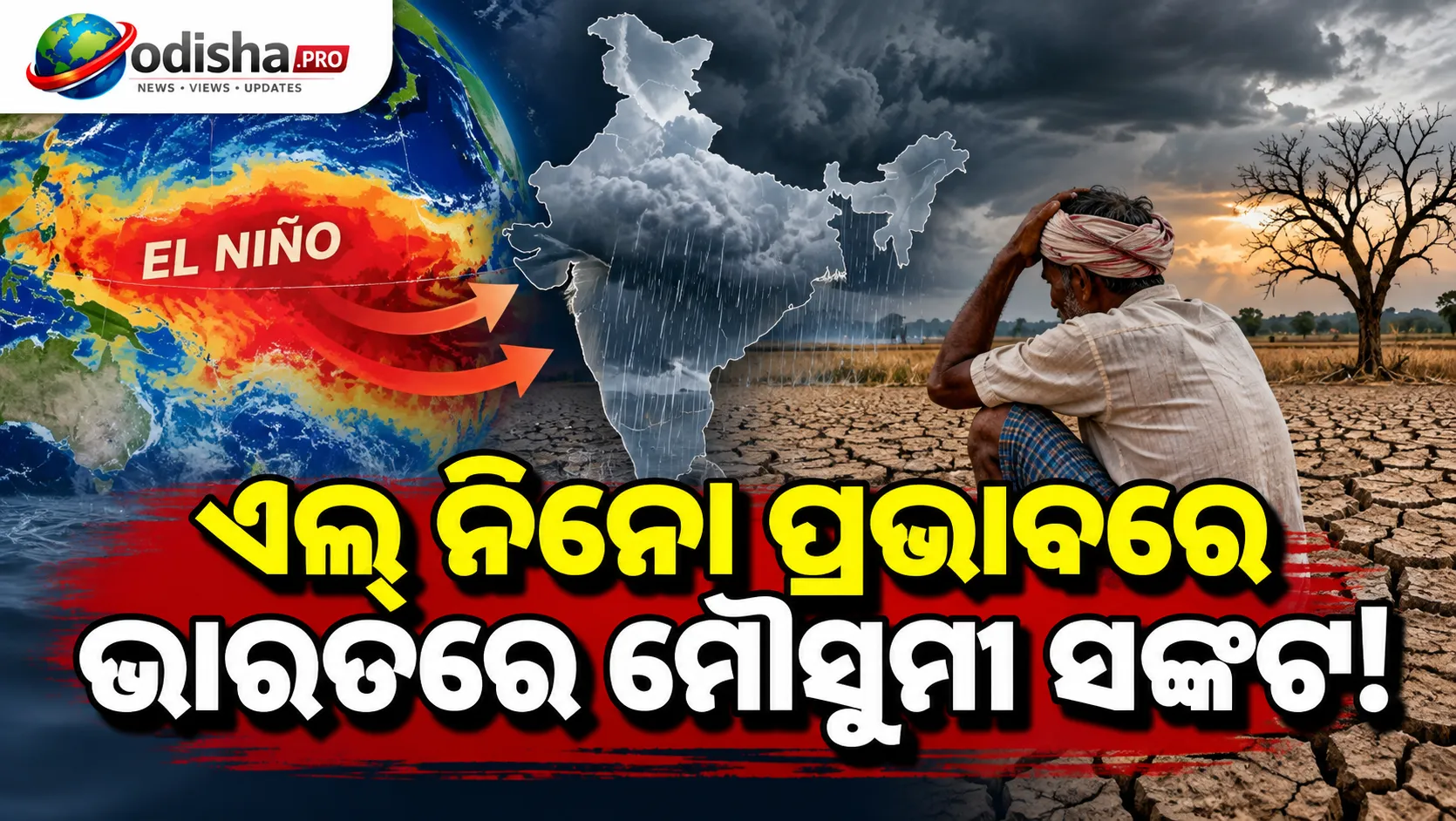
ଭାରତ ଏଥର ଦୀର୍ଘ ସମୟ ପରେ ଏକ ଦୁର୍ବଳ ମୌସୁମୀ ଋତୁର ସାମ୍ନ...
ନୂଆଦିଲ୍ଲୀ: ଏସିଆନ୍ ଗେମ୍ସ ୨୦୨୬ରେ ଭାରତର ପଦକ ଅଭିଯାନ ରୌ...

ଭୁବନେଶ୍ୱର: ବଙ୍ଗୋପସାଗରରେ ପାଣିପାଗକୁ ନେଇ ପୁଣି ବଢ଼ିଛି...
ଭାରତୀୟ କ୍ରିକେଟ୍‌ରେ ଏକ ଖେଳାଳିଙ୍କୁ ନେଇ ଦୁଇଟି ଦଳ...