



The National Council of Educational Research and Training (NCERT) has released a revisedClass 8 Social Science textbookunder the National Education Policy framework, bringing fresh perspectives to key historical events, including thePartition of India. According to the new edition, whileMahatma Gandhi and most Congress leaders initially opposed the idea of partition, they ultimatelyaccepted it as “the only way forward” amid escalating violence and political challenges in 1947. This differs from the earlier narrative that simply described partition as “inevitable,” offering more nuance on leaders’ stance.
The updated textbook also broadens the story of Indian independence by highlighting multiple contributing factors beyond the non‑violent movement, such as uprisings, mutinies, and global decolonisation pressures. Key chapters now include deeper discussion of events like theJallianwala Bagh massacreandDirect Action Day, adding contextual detail that was previously limited.
These revisions have ignited apolitical and academic debateabout how India’s freedom struggle and Partition are presented to students. Leaders from different parties have reacted sharply, with some defending the new narrative as honest history and others accusing the revisions of distorting established accounts. The book’s emphasis on historical complexity has made it a focal point for broader discussions on curriculum content, academic autonomy, and how future generations understand India’s past.
ଇରାନକୁ ନେଇ ଆମେରିକାର ଆଭିମୁଖ୍ୟ ପୁଣିଥରେ କଡ଼ା ହୋଇଛି। ଆ...
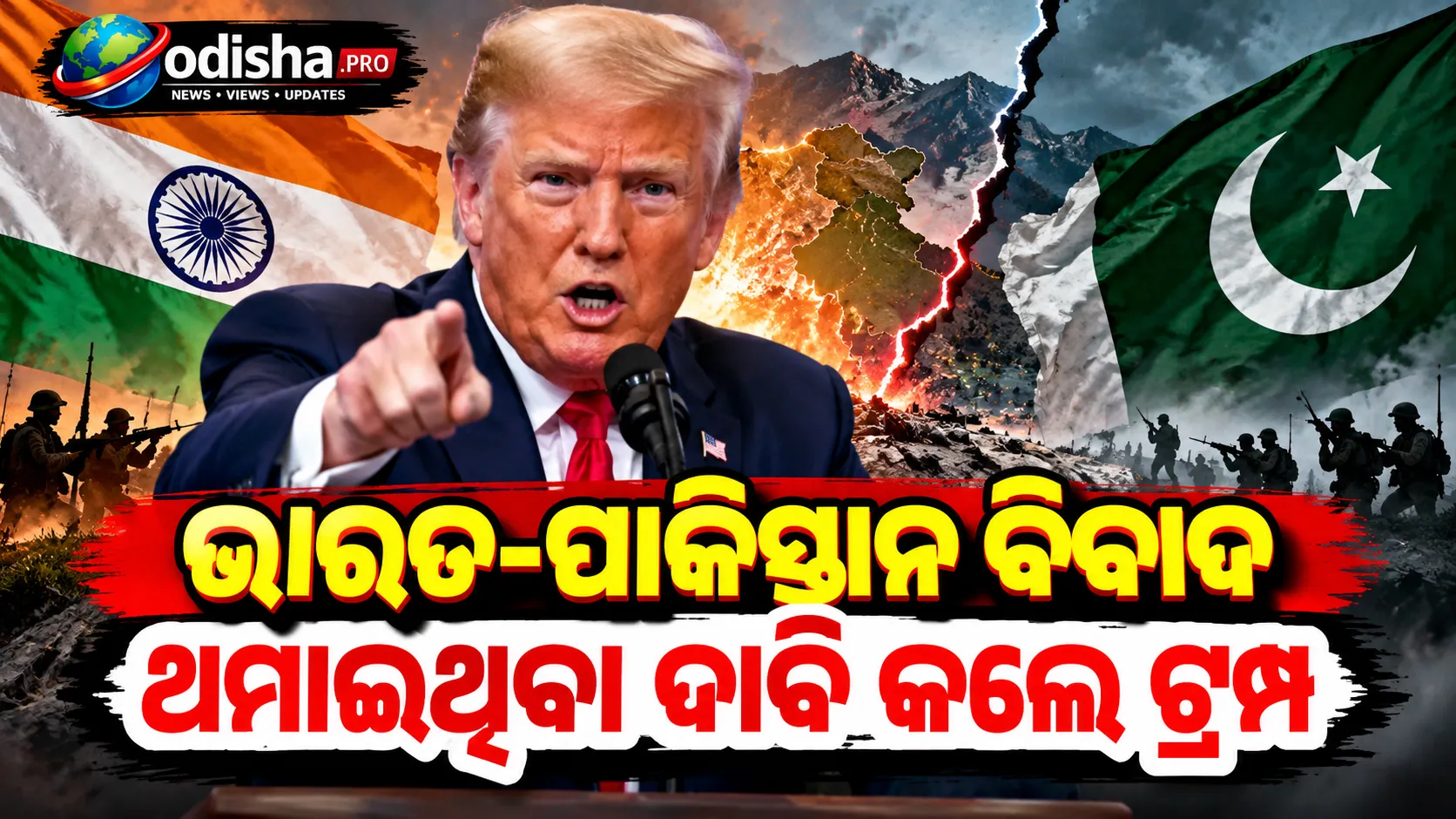
ଆମେରିକା ରାଷ୍ଟ୍ରପତି ଡୋନାଲ୍ଡ ଟ୍ରମ୍ପ ପୁଣିଥରେ ଭାରତ-ପାକ...
ପଞ୍ଜାବୀ ଗାୟକ ଓ ଅଭିନେତା ଦିଲଜିତ ଦୋସାଞ୍ଜଙ୍କ ଦିଲ୍ଲୀ କନ...
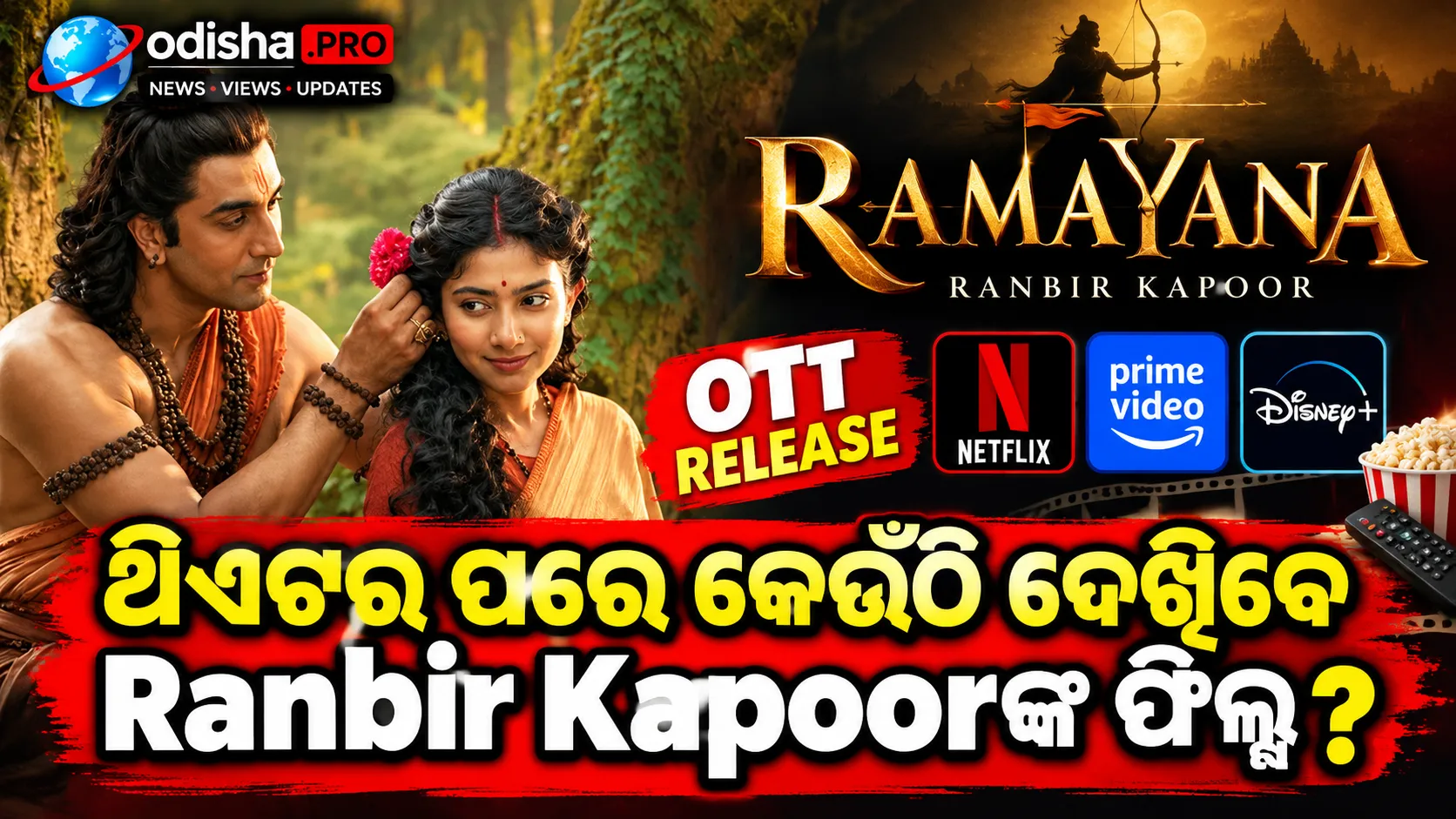
JioHotstarରେ ଆସିବ ‘Ramayana: Part One’...

ୟୁରୋପରେ ୨୦୨୬ର ଗ୍ରୀଷ୍ମ ଅସହ୍ୟ ଗରମର ଏକ ଭୟାବହ ଚିତ୍ର ସା...
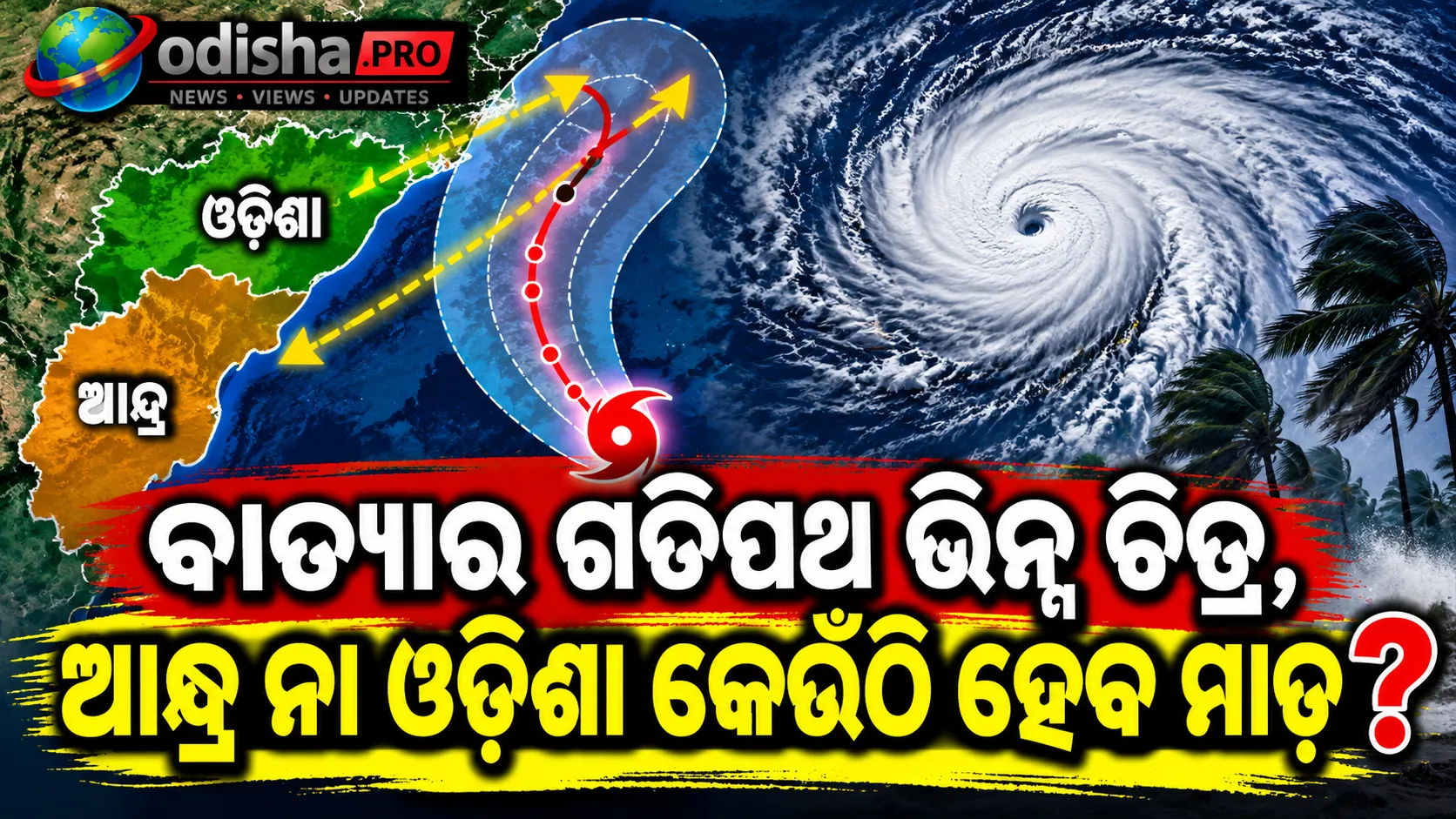
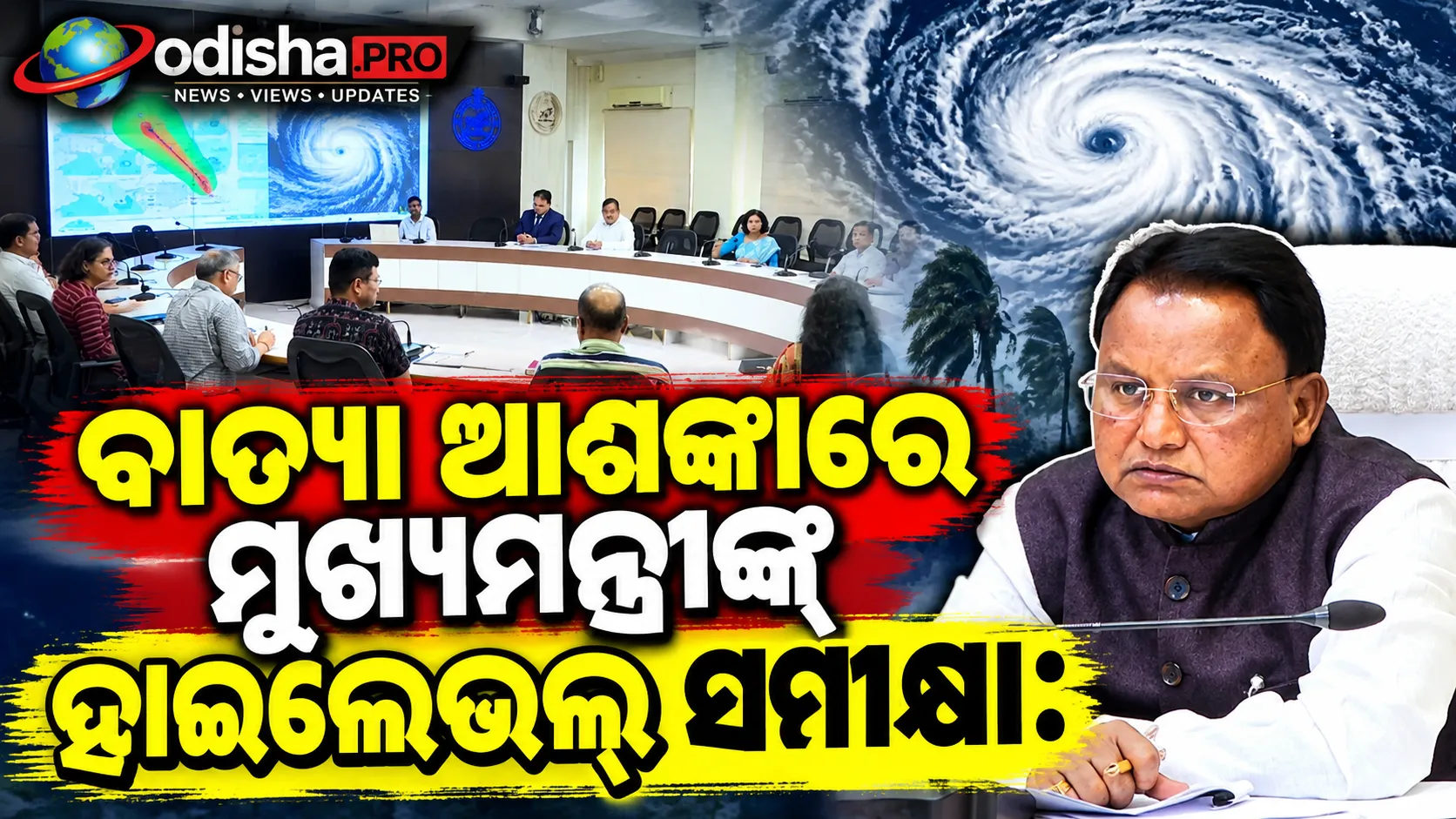
ବଙ୍ଗୋପସାଗରରେ ସୃଷ୍ଟି ହୋଇଥିବା ସୁସ୍ପଷ୍ଟ ଲଘୁଚାପ କ୍ରମଶଃ...
ଦ୍ୱିତୀୟ ସପ୍ତାହରେ ଆୟରେ ହ୍ରାସ, ତଥାପି ଦୃଢ଼ ପ୍ରଦର୍ଶନ...

ଦକ୍ଷିଣ ପ୍ରଶାନ୍ତ ମହାସାଗରରେ ଭାନୁଆଟୁ ଦ୍ୱୀପପୁଞ୍ଜ ନିକଟର...
