


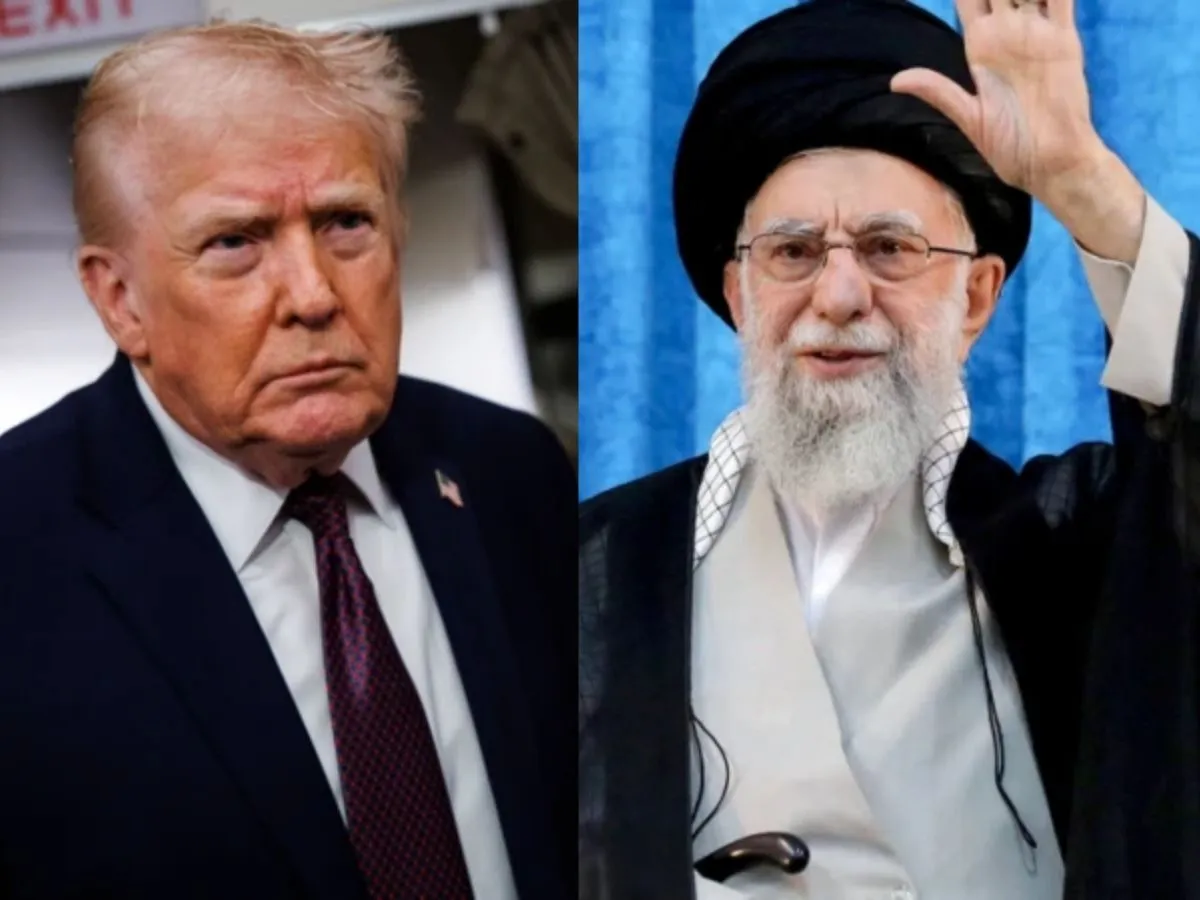
Iran has been largely cut off from the world for the past four days amid intensifying nationwide protests. U.S. President Donald Trump warned that the United States could intervene if Iranian security forces opened fire on demonstrators. Since the unrest began on December 28, at least 650 protesters have reportedly been killed, according to a human rights group.
Protests, which had spread across 27 provinces in 156 incidents by January 8, have sharply declined in recorded locations due to the nationwide internet shutdown, though monitoring groups suggest demonstrations continue in unreported areas. Video and geolocated footage show mosques in Tehran vandalized and set on fire, with Iranian authorities reporting 53 mosques and 180 ambulances damaged since the unrest began.
Amid the crisis, India Today tracked increased U.S. military activity at Al Udeid Air Base in Qatar using flight-tracking data. The base, home to over 10,000 U.S. personnel, is one of the largest in the region and capable of hosting strategic bombers and transport aircraft. The heightened activity raises questions about a possible U.S. strike on Iran, though officials indicate Trump is weighing both military and diplomatic options.
Iran’s leadership has historically resisted negotiations over its nuclear program, missile development, and regional alliances. Previous U.S. and Israeli strikes in June 2025 targeted Iranian nuclear sites and weakened its air defenses, prompting retaliatory attacks on Al Udeid. Meanwhile, Trump has also imposed a 25% tariff on any country doing business with Iran, using economic pressure to influence Tehran amid one of the deadliest anti-regime protests in recent years.

ଓଡ଼ିଶାକୁ ମିଳିଛି ଆଉ ଏକ ବଡ଼ ଶିଳ୍ପ ପ୍ରକଳ୍ପ। କେନ୍ଦ୍ର ସ...
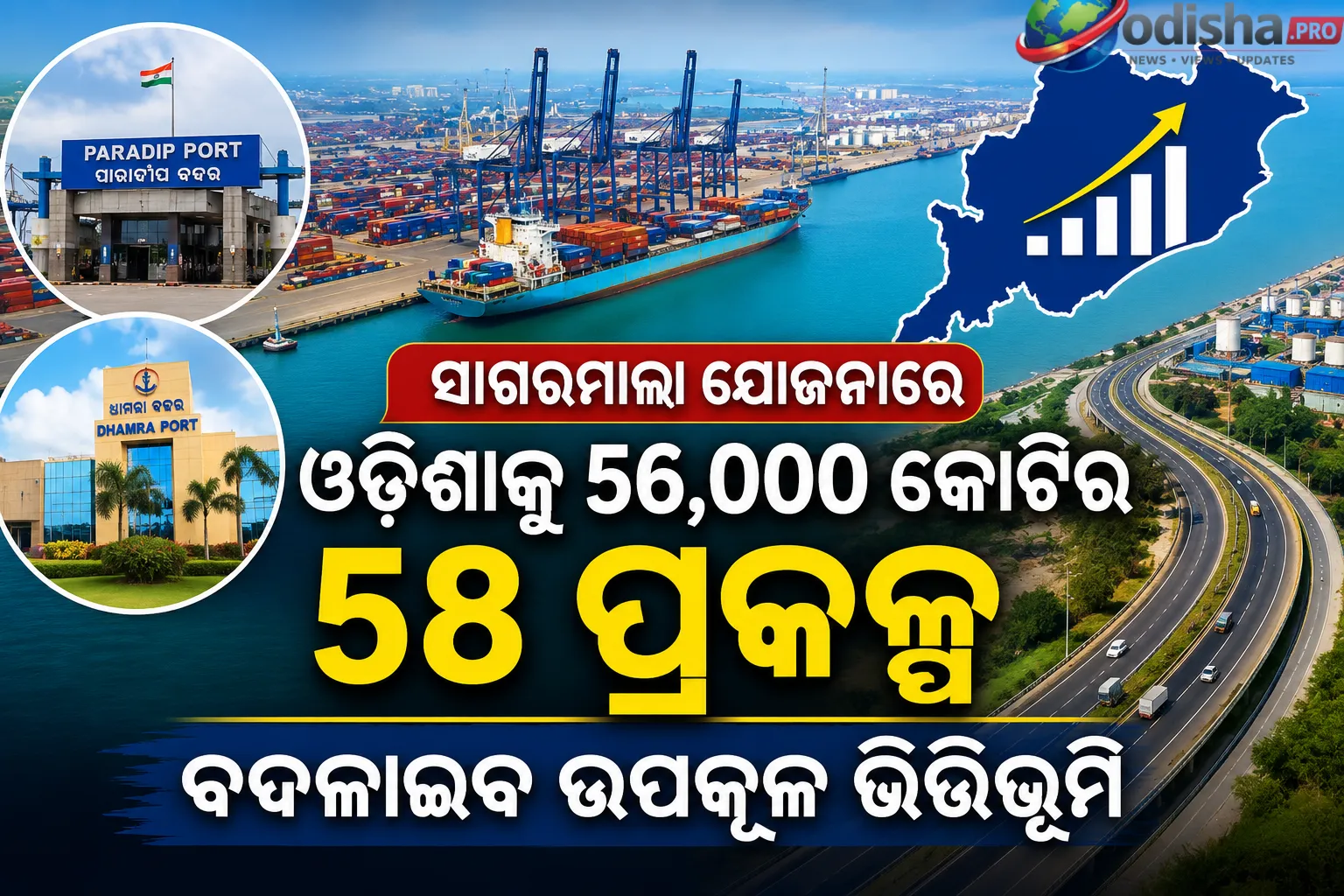
ସାଗରମାଳା କାର୍ଯ୍ୟକ୍ରମ ଅଧୀନରେ ଓଡ଼ିଶା ଦେଶର ଅଗ୍ରଣୀ ରାଜ...
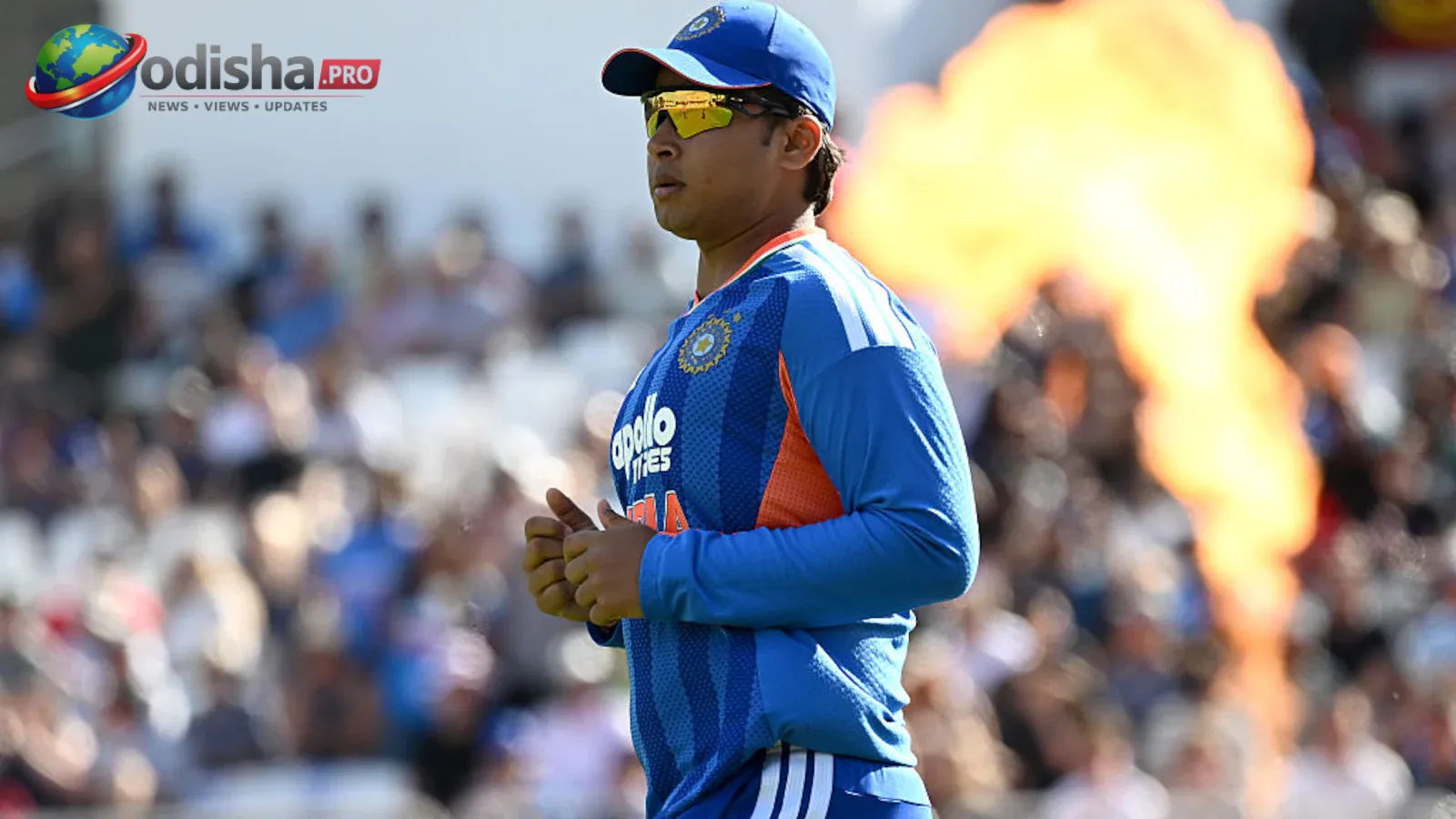
ଭାରତ ଓ ଜିମ୍ବାୱେ ମଧ୍ୟରେ ଜୁଲାଇ ୨୩ରୁ ଆରମ୍ଭ ହେବାକୁ ଥିବ...
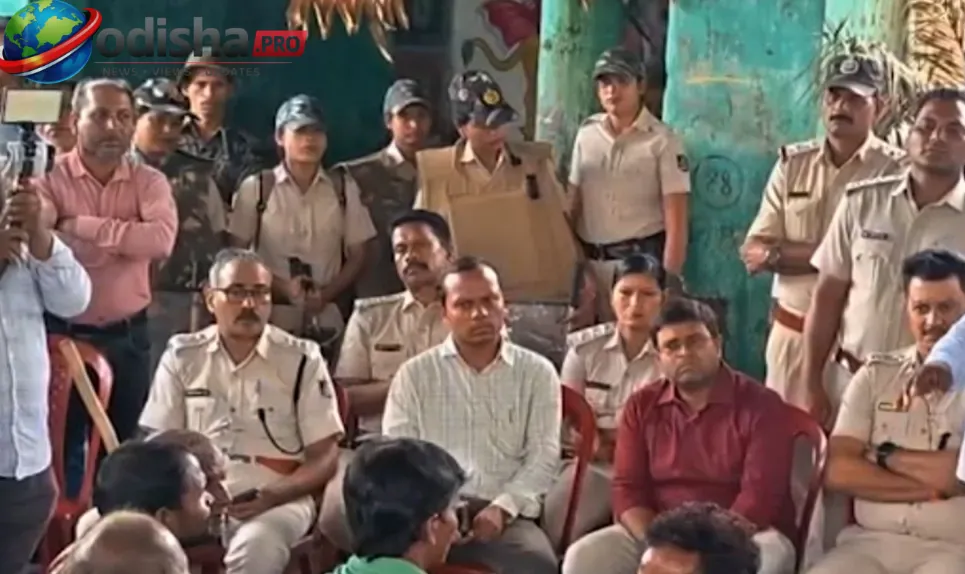
ବଲାଙ୍ଗିର ଜିଲ୍ଲାର ଲୋୟର ସୁକତେଲ ପ୍ରକଳ୍ପକୁ ନେଇ ମଙ୍ଗଳବା...

ବଲିଉଡ୍‌ର ‘ଶେହେନଶାହ’ ଅମିତାଭ ବଚ୍ଚନଙ...

ଲୋକପ୍ରିୟ ଅଭିନେତ୍ରୀ ଜେନିଫର ୱିଙ୍ଗେଟ୍ ନିଜ ଜୀବନର ଏକ ନୂ...

ମାର୍ଭେଲ୍ ପ୍ରେମୀଙ୍କ ପାଇଁ ଆସିଛି ବଡ଼ ଖୁସି ଖବର। ଅଭିନେତ...
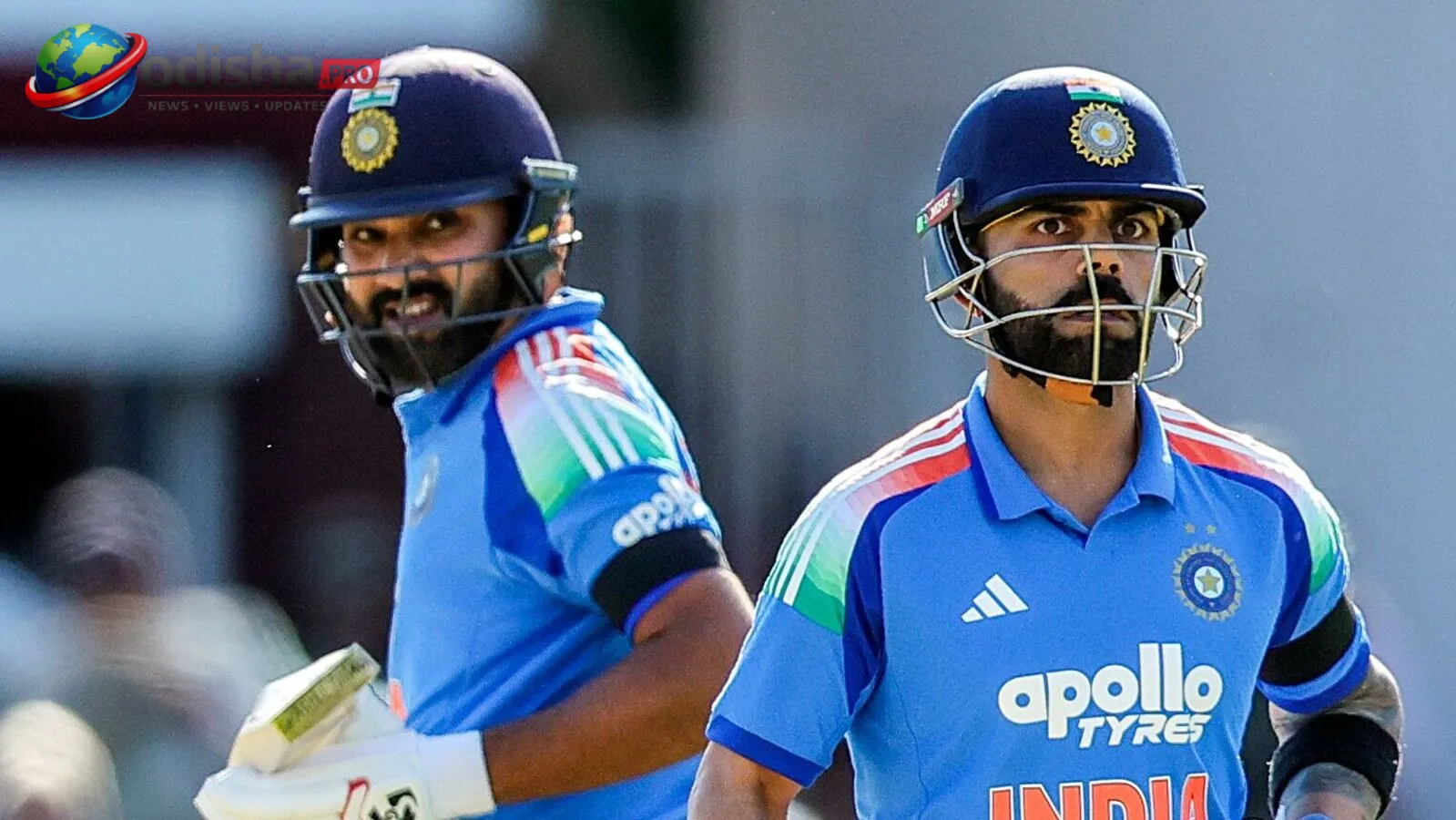
ଭାରତୀୟ କ୍ରିକେଟ୍ ଦଳର ପୂର୍ବତନ ଅଫ୍‌ ସ୍ପିନର ରବିଚନ...

ବିଶ୍ୱକପ୍ ଫାଇନାଲରେ ସ୍ପେନ୍‌ ବିପକ୍ଷରେ ୦-୧ ଗୋଲରେ...

ଅଦାନୀ ଗ୍ରୁପ୍‌ର ଅଦାନୀ ଏନର୍ଜି ସଲ୍ୟୁସନ୍ସ ଲିମିଟେଡ...
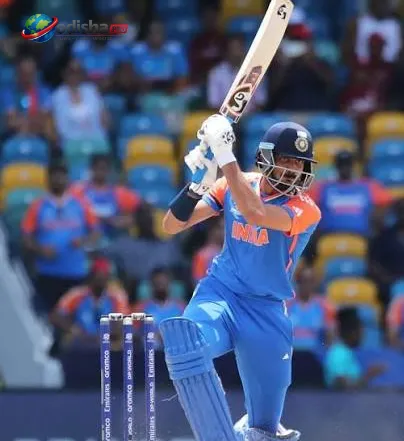
ଇଂଲଣ୍ଡ ଗସ୍ତରେ ଟି-୨୦ ଓ ଦିନିକିଆ ସିରିଜ୍‌ରେ ପରାଜୟ...
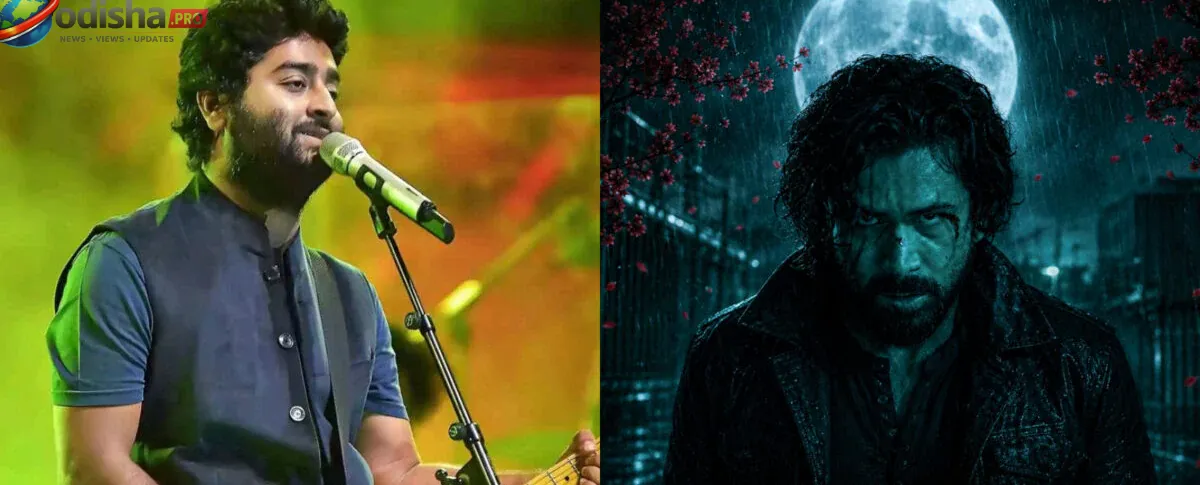
୨୦୨୬ର ବହୁ ପ୍ରତୀକ୍ଷିତ ବଲିଉଡ୍ ଫିଲ୍ମ ‘ଅୱାରାପନ୍...