






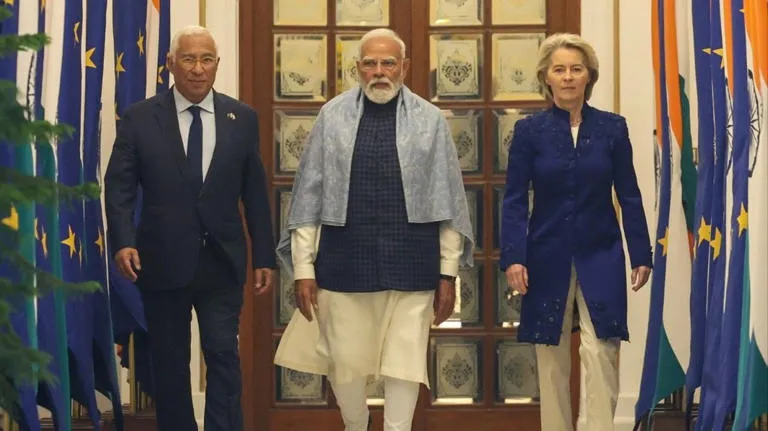
While much of the attention around the India-EU Free Trade Agreement has focused on automobiles and other high-profile sectors, textiles and apparel are emerging as one of the deal’s most significant beneficiaries. Under the agreement, tariffs on Indian textiles, apparel and clothing exports to the European Union will be eliminated from day one, ending duties that previously ranged up to 12%.
This immediate tariff relief corrects a long-standing disadvantage faced by Indian exporters compared to competitors such as Bangladesh, Pakistan and Turkey, which already enjoyed preferential or zero-duty access to the EU market. According to Jidesh Kumar, Managing Partner at King Stubb & Kasiva, the rules-based tariff elimination restores competitive neutrality while offering long-term certainty to investors and global buyers.
The opportunity is substantial. The EU’s textile and apparel import market is valued at $263.5 billion, while India currently exports only $7–7.2 billion worth of textiles and garments to the region. Commerce and Industry Minister Piyush Goyal has said the India-EU FTA gives India a real chance to sharply expand its market share, pointing to Bangladesh’s $30 billion EU export success driven largely by zero-duty access.
Ready-made garments form the backbone of India’s textile exports to Europe, accounting for around 60%, followed by cotton textiles and man-made fibre products. The sector is highly labour-intensive, employing nearly 45 million people directly and supporting thousands of MSMEs across 342 districts nationwide.
Major apparel hubs such as Tiruppur, Bengaluru and Gurugram-Faridabad, along with textile clusters in Surat, Panipat, Karur, Ahmedabad and Mumbai, are expected to benefit from increased orders and improved capacity utilisation. Traditional segments like handicrafts, handlooms, carpets, jute and silk—spread across Uttar Pradesh, Rajasthan, West Bengal, Bihar and Karnataka—are also likely to see gains.
Industry leaders believe the agreement could drive fresh investments, encourage capacity expansion and support job creation, particularly for women workers and artisans. Lessons from countries such as Vietnam, whose EU textile exports surged after its FTA, further strengthen optimism.
Beyond tariffs, the India-EU FTA also aims to ease non-tariff barriers through improved customs procedures and regulatory cooperation, reducing delays and compliance costs for exporters. As global buyers seek to diversify supply chains, India’s textile and apparel sector appears well-positioned to emerge as one of the clearest and most immediate winners of the landmark trade deal.

ହାଇୱେ କଡ଼ରୁ ଜଣେ ଅଜଣା ବ୍ୟକ୍ତିଙ୍କ ମୃତଦେହ ମିଳିବା ପରେ...
୪୯ ବଲ୍‌ରେ ଶେଫାଳୀଙ୍କ ଐତିହାସିକ ଶତକ ଭାରତର ଓପନ...
ସିନ୍ଧୁଙ୍କଠାରୁ ଦମଦାର ଆରମ୍ଭ ପ୍ରଥମ ରବରରେ ପିଭି ସିନ୍...

କେନ୍ଦ୍ରାପଡ଼ା ଜିଲ୍ଲା କୋରୁଆ ବଜାରରେ ଅବସରପ୍ରାପ୍ତ ଜଣେ ବ...

ୟୁକ୍ରେନ୍‌ରେ ଚାଲିଥିବା ଯୁଦ୍ଧ ଶେଷ ହେବା ପୂର୍ବରୁ ର...

ଅଗଷ୍ଟ ୨୬ରେ ନେପାଳ-ଚୀନ୍ ସୀମା ନିକଟ ହିମାଳୟ ଅଞ୍ଚଳରେ ଘଟି...
ଓଡ଼ିଆ ପ୍ରତିଭାଙ୍କୁ ରାଇନାଙ୍କ ସମର୍ଥନ ରାଇନା କହିଛନ୍ତ...

ସେପ୍ଟେମ୍ବର ୧୫ରେ ଉତ୍ତର ଆରବ ସାଗରରେ ଭାରତ ଓ ପାକିସ୍ତାନର...
ଦୀପିକାଙ୍କ ଦମଦାର ପ୍ରଦର୍ଶନ ଉଜବେକିସ୍ତାନ ବିପକ୍ଷରେ ଭ...

ଜାପାନର ନାଗୋୟାରେ ଆୟୋଜିତ ୨୦୨୬ ଏସିଆନ୍ ଗେମ୍ସକୁ ନେଇ ରାଜ...