




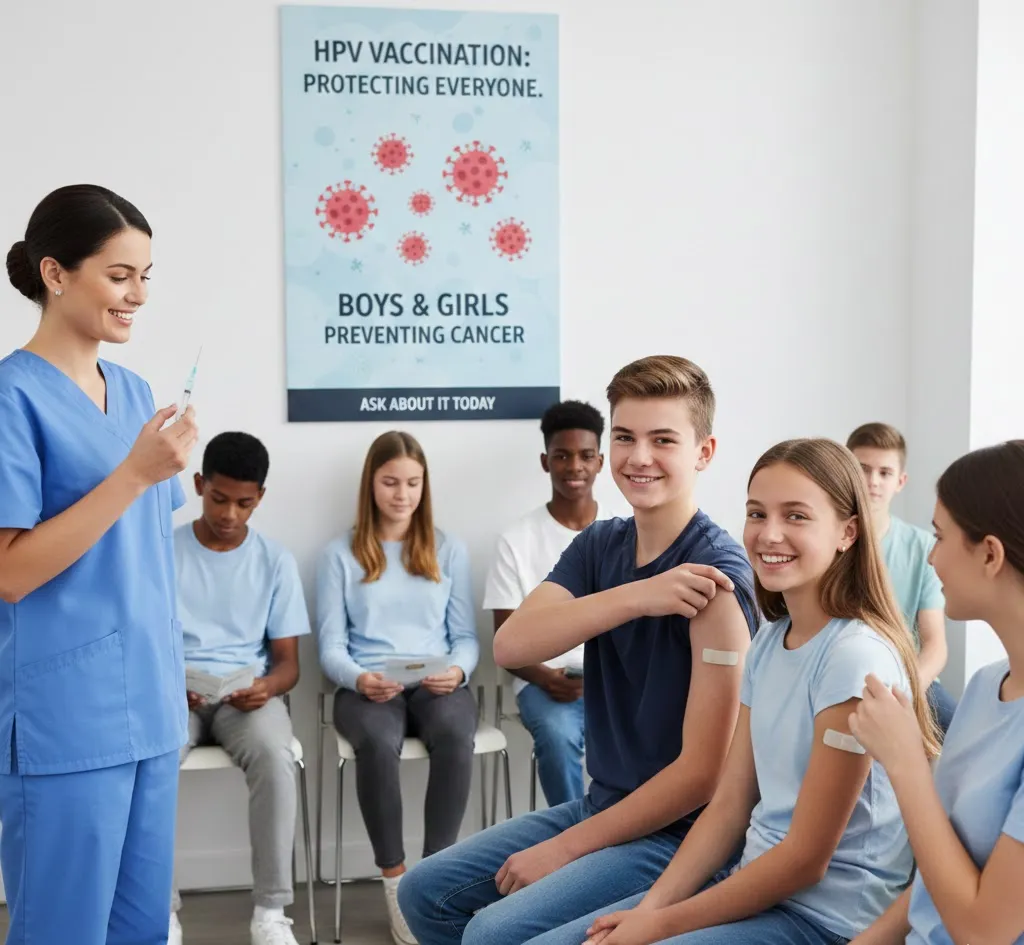
The Government of India is set to roll out afree nationwide Human Papillomavirus (HPV) vaccination programmefor 14‑year‑old girls as part of efforts to slash the burden of cervical cancer — one of the leading causes of cancer deaths among Indian women. The drive aims to vaccinate girls voluntarily at government health facilities and through school campaigns, using proven vaccines like Gardasil that protect against high‑risk HPV strains responsible for cervical cancer and other HPV‑related diseases.
While the focus is currently on girls due to the high incidence of cervical cancer, doctors and public‑health experts emphasise thatboys should also get the HPV vaccine. HPV is a common sexually transmitted virus that can cause cancers in both sexes — including penile, anal, and oropharyngeal (throat) cancers — as well as genital warts. Vaccinating boys helpsdirectly protect their health, reduces transmission to partners, and strengthenscommunity‑wide immunity (herd immunity)against the virus.
Multiple health organisations and pediatric groups recommend HPV vaccination forbothboys and girls, ideally between ages 9 and 14 before exposure to the virus, because immune response is strongest and long‑lasting protection can be achieved. In countries where gender‑neutral vaccination programs have been introduced, significant declines in HPV infections and related diseases have been reported, showing that including boys helps accelerate overall prevention efforts.
Expanding the vaccination conversation beyond girls not onlyexpands cancer preventionbut also aligns with a more inclusive public‑health approach that recognises HPV as a virus that affects everyone. With national awareness, broader eligibility, and increased uptake, experts believe HPV vaccination programs can dramatically reduce the future global burden of HPV‑related cancers.
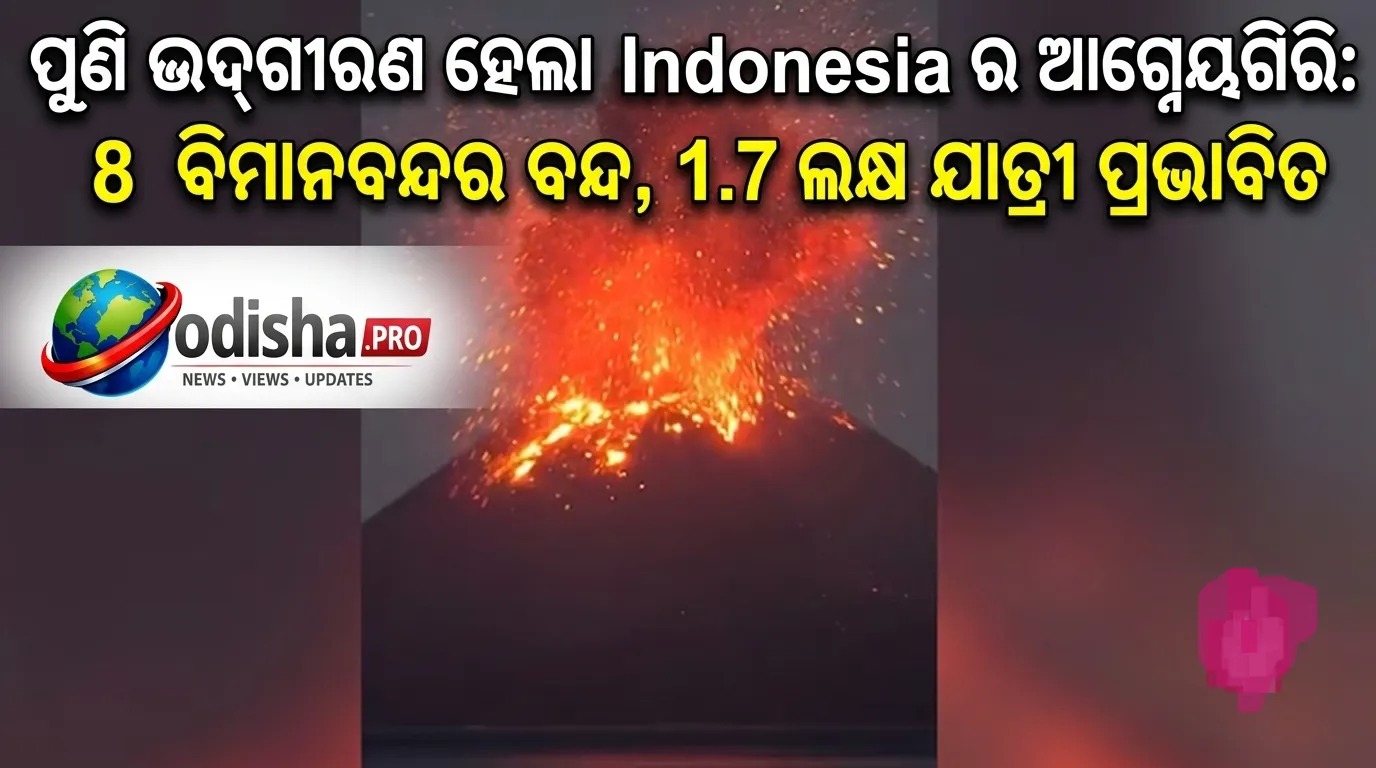
ଇଣ୍ଡୋନେସିଆର ଆନାକ୍ କ୍ରାକାଟୋଆ ଆଗ୍ନେୟଗିରି ରବିବାର ପୁଣି...
ନେପାଳର ଉତ୍ତର ଅଞ୍ଚଳରେ ଘଟିଥିବା ଭୟଙ୍କର ବନ୍ୟା ଓ ଭୂସ୍ଖଳ...
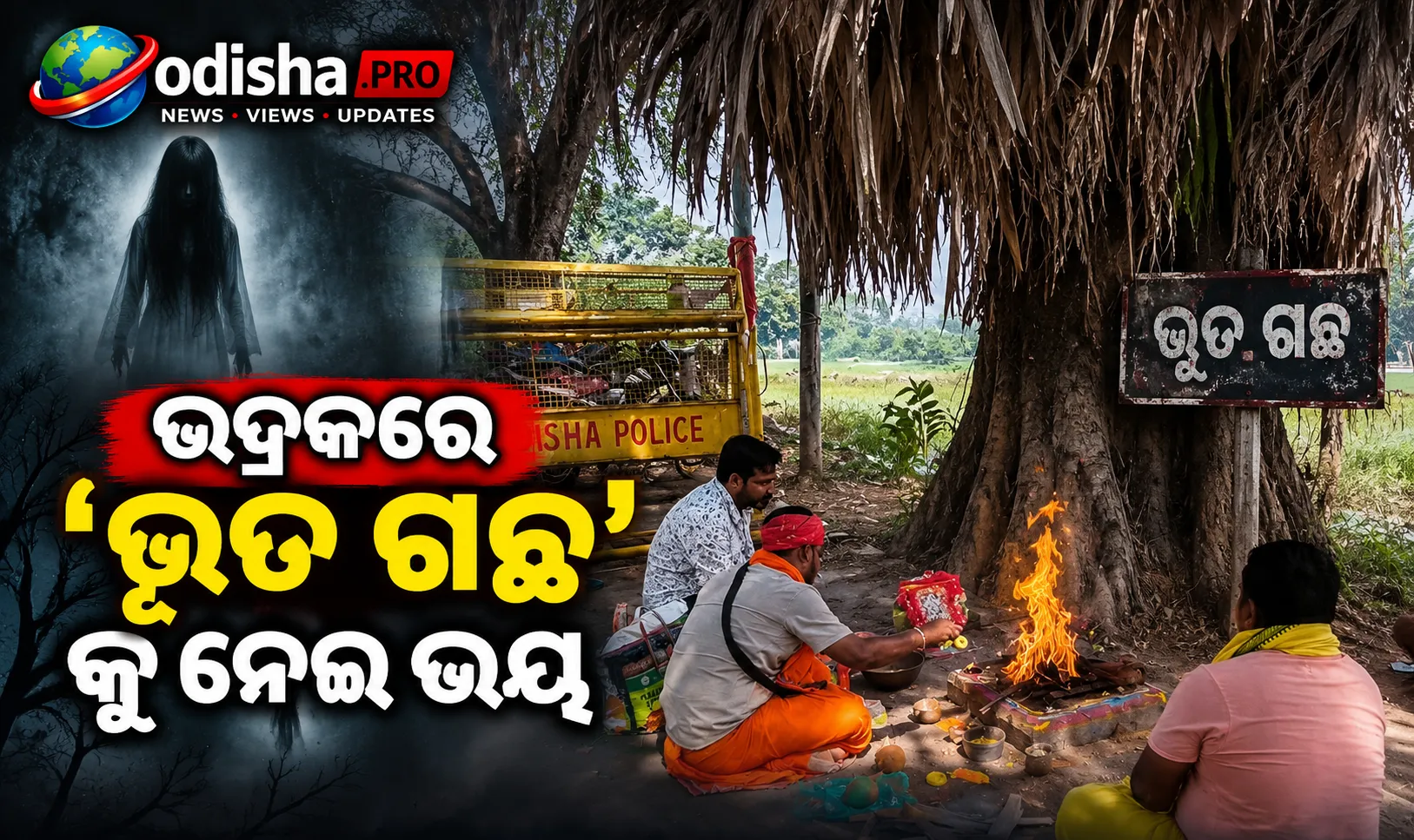
ଭଦ୍ରକ:ଗୋଟିଏ ଗଛକୁ ନେଇ ଭଦ୍ରକ ଜିଲ୍ଲା ଚାନ୍ଦବାଲି ଅଞ୍ଚଳର...
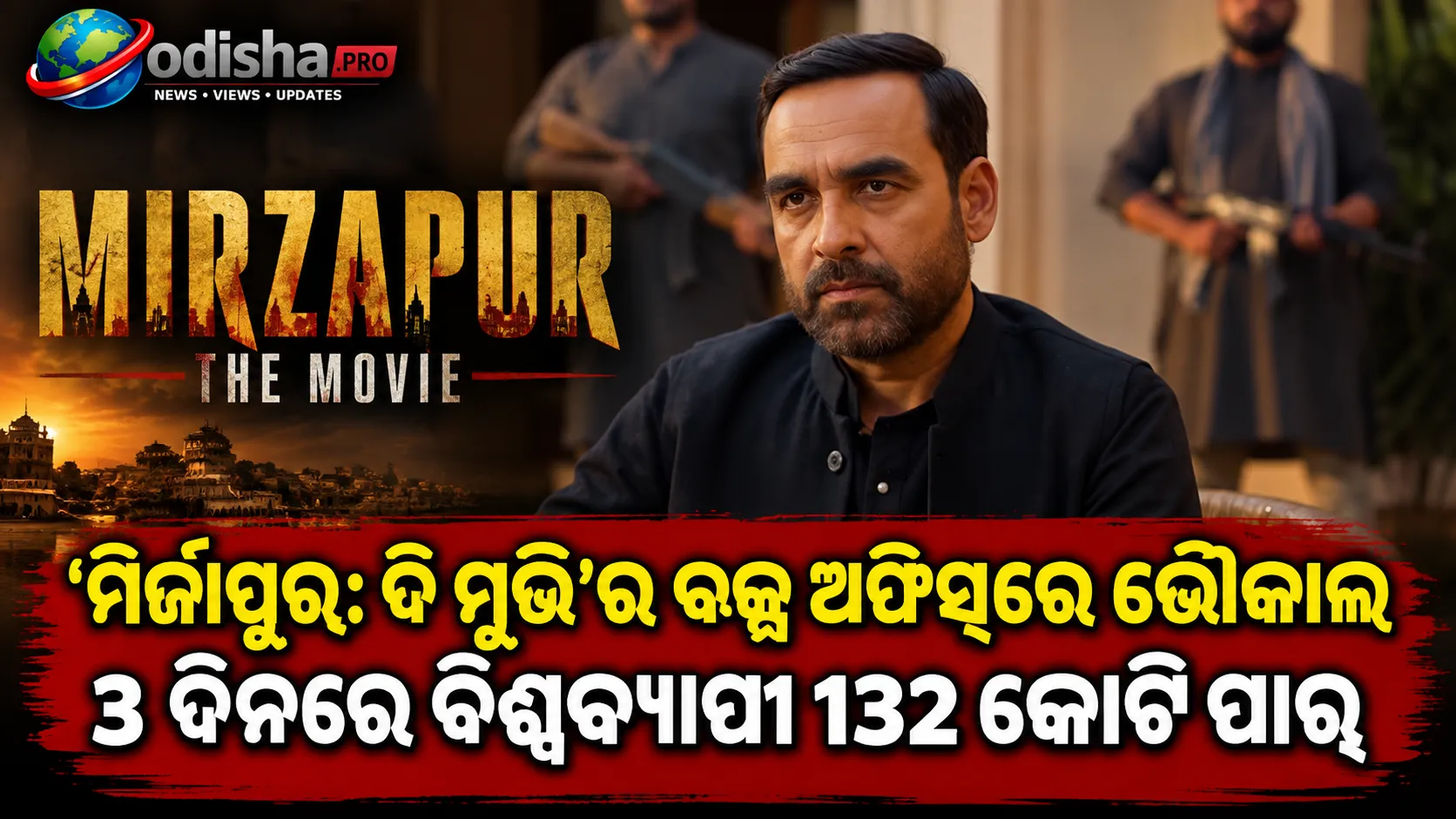
‘ମିର୍ଜାପୁର: ଦି ମୁଭି’ବକ୍ସ ଅଫିସ୍ରେ ଜବରଦସ...

ଅଭିନେତ୍ରୀବିପାଶା ବାସୁନିଜ ଫିଲ୍ମ କ୍ୟାରିୟରର ଏକ ଗୁରୁତ୍ୱ...
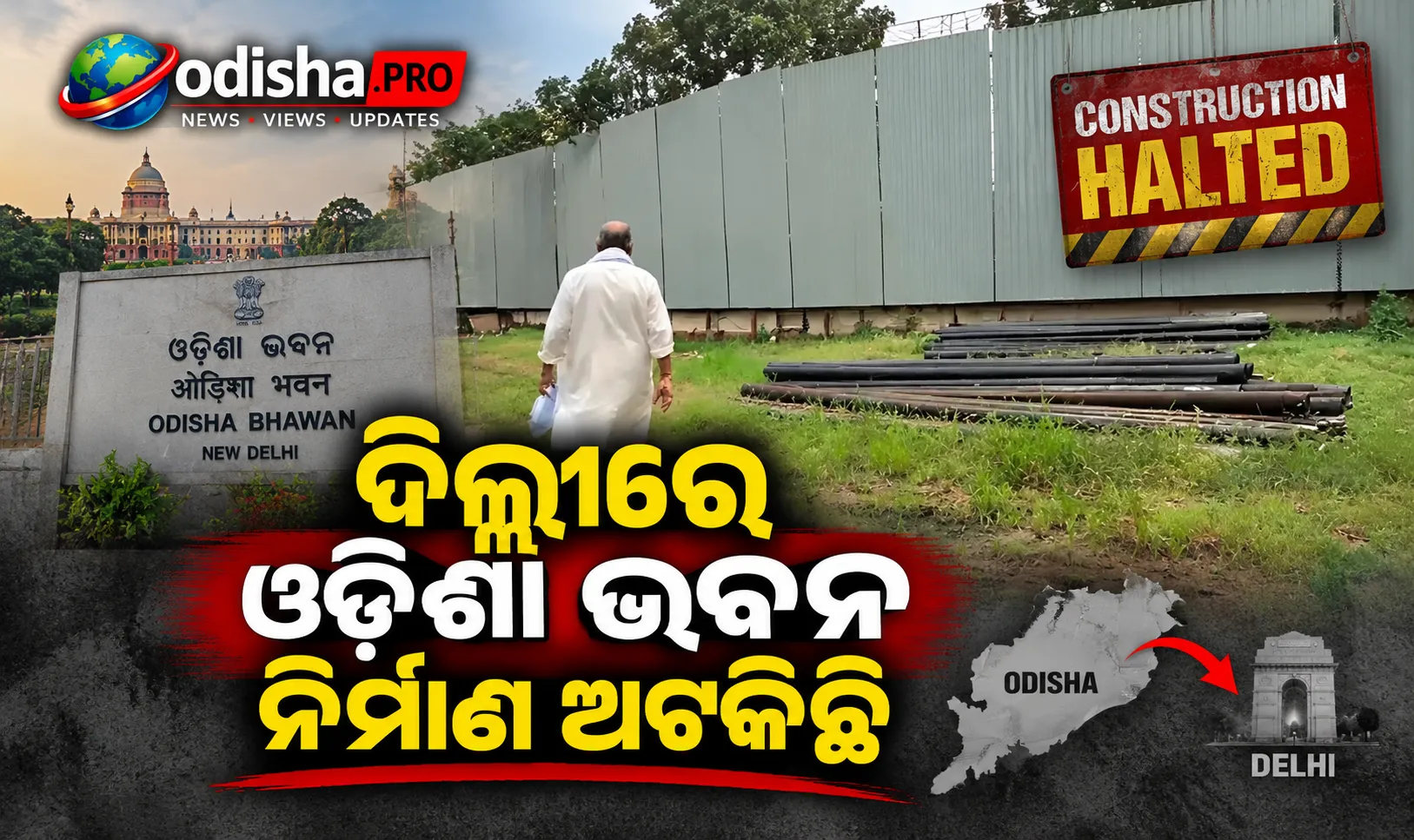
ଭୁବନେଶ୍ୱର: ନୂଆଦିଲ୍ଲୀରେ ନୂଆ ଓଡ଼ିଶା ଭବନ ନିର୍ମାଣକୁ ନେ...
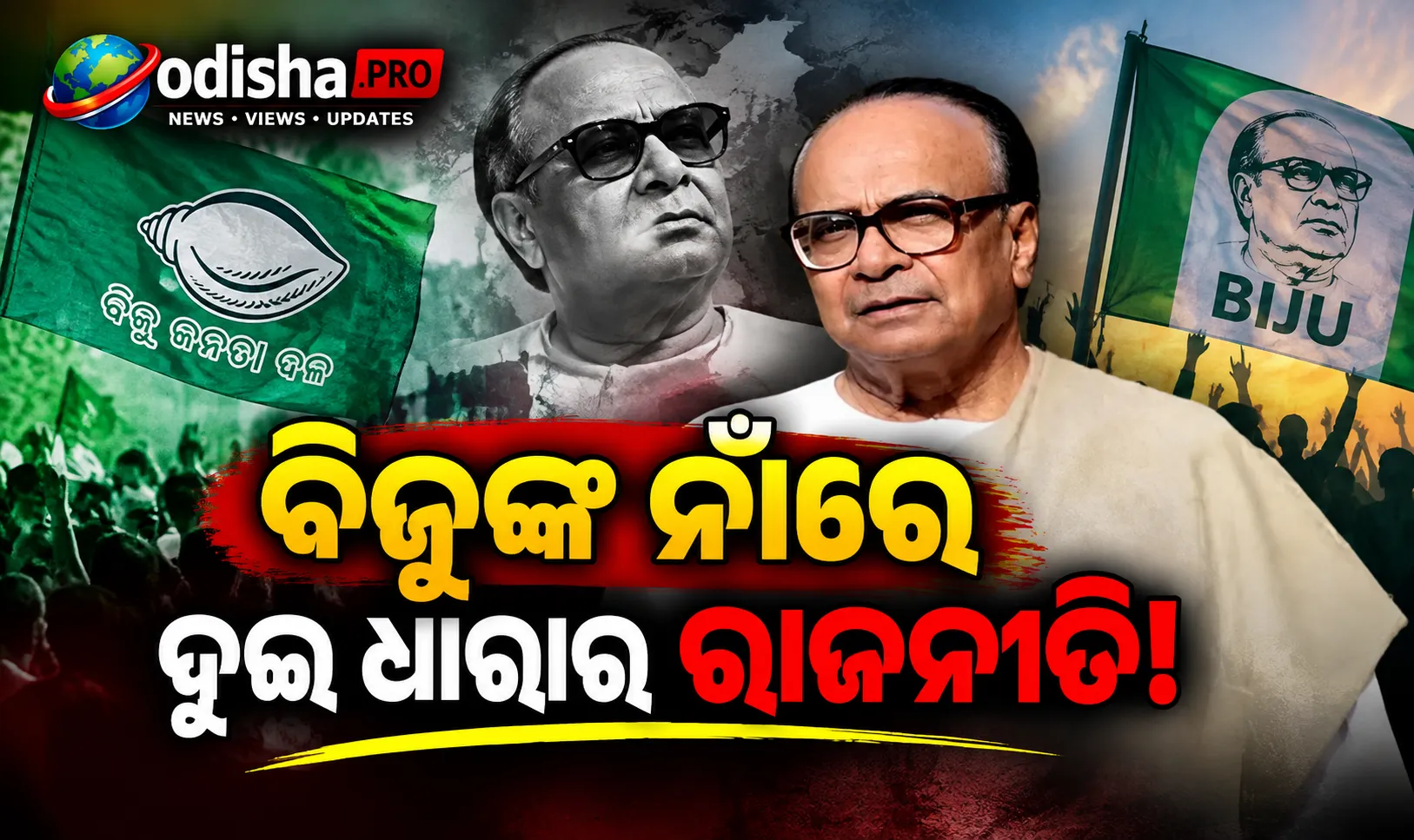
ଭୁବନେଶ୍ୱର: ଆଗକୁ ପଞ୍ଚାୟତ ନିର୍ବାଚନ। ଏହାପୂର୍ବରୁ ଓଡ଼ିଶ...
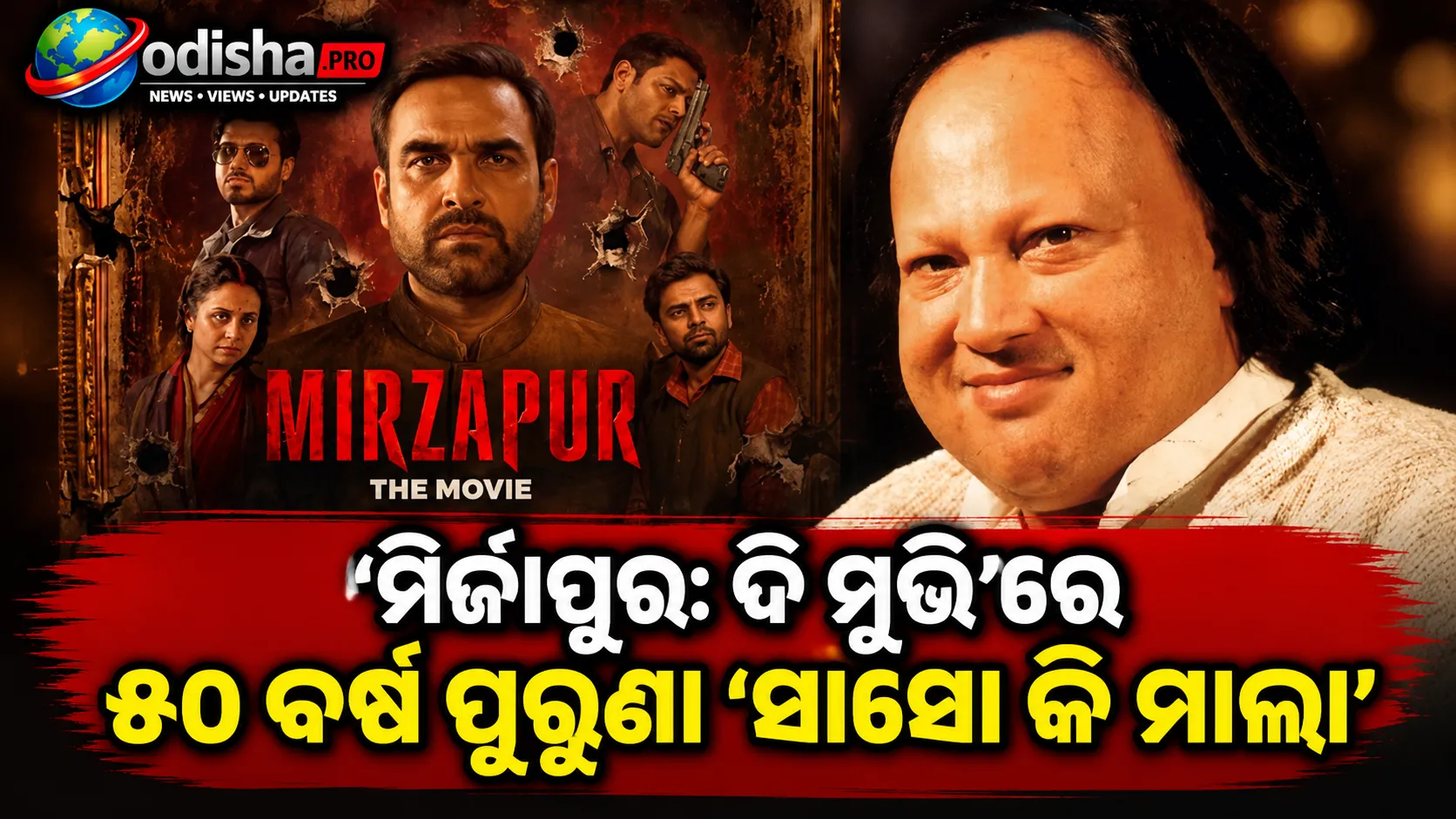
**‘ମିର୍ଜାପୁର: ଦି ମୁଭି’**ରେ ଏକ ପ୍ରାୟ ୫୦...
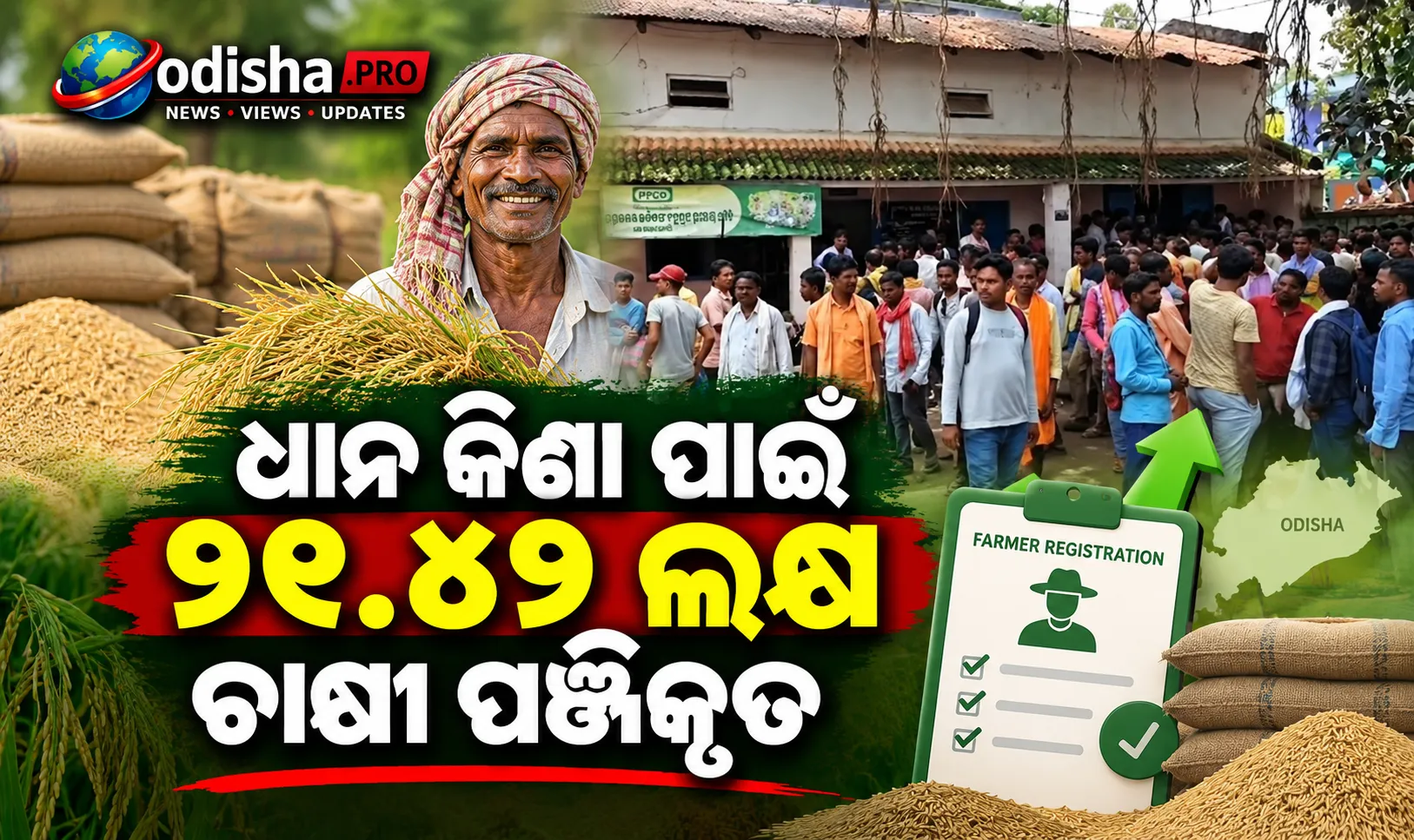
ଭୁବନେଶ୍ୱର: ଓଡ଼ିଶାରେ ଧାନ ସଂଗ୍ରହ ପାଇଁ ଚାଷୀ ପଞ୍ଜୀକରଣ...

ମାଲାୟାଲମ୍ ସୁପରଷ୍ଟାରମମୁଟ୍ଟିଙ୍କ ୭୫ତମ ଜନ୍ମଦିନରେ ତାଙ୍କ...
ଆମେରିକା ରାଷ୍ଟ୍ରପତିଡୋନାଲ୍ଡ ଟ୍ରମ୍ପଆମେରିକାର ରାଜ୍ୟନ୍ୟୁ...
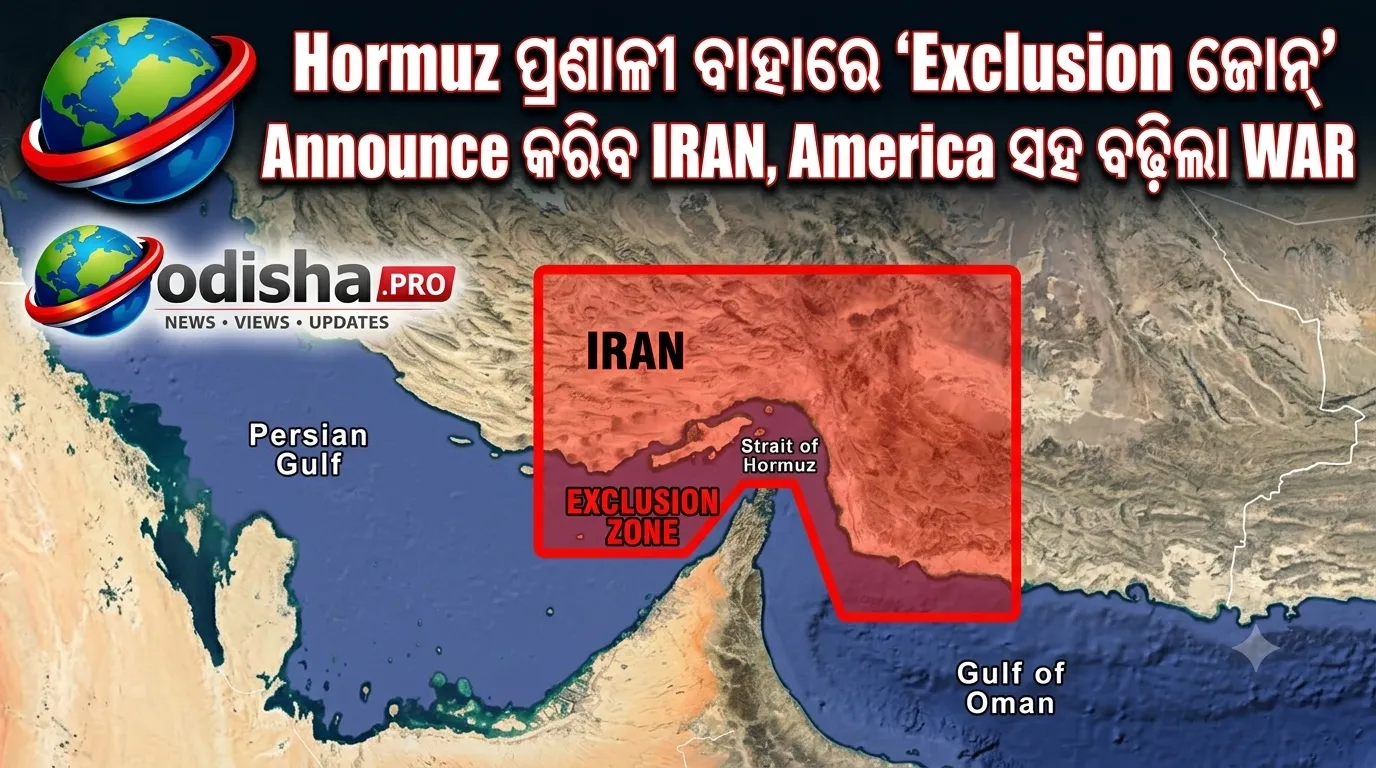
ହର୍ମୁଜ୍ ପ୍ରଣାଳୀକୁ ନେଇ ଆମେରିକା ଓ ଇରାନ ମଧ୍ୟରେ ତିକ୍ତତ...