











Often described as Asia’s largest slum, Dharavi in Mumbai has long symbolized poverty, overcrowding, and inadequate sanitation. But beneath the narrow lanes and tin-roofed homes lies one of India’s most dynamic informal economies — powerful enough to push certain commercial rents to an astonishing Rs 5 lakh per month.
Dharavi is not merely a residential settlement; it is a massive industrial and entrepreneurial hub. Thousands of small-scale units operate here, including leather workshops, textile production, recycling businesses, pottery studios, bakeries, and food processing units. The slum generates an estimated annual turnover running into hundreds of millions of dollars, driven largely by family-run enterprises and migrant entrepreneurs.
Its central location is a key factor behind soaring rents. Dharavi sits between Mumbai’s major business districts and enjoys proximity to railway stations, highways, and ports. For small manufacturers and traders, this location drastically reduces logistics costs while keeping them close to suppliers and buyers.
Commercial spaces — especially larger sheds and units suitable for production or storage — are limited. High demand combined with scarce supply naturally drives up rental prices. In some prime pockets, monthly rents can reach Rs 5 lakh, particularly for spaces used for high-margin industries like leather exports or bulk recycling operations.
Additionally, redevelopment plans and proposed infrastructure upgrades have fueled speculative pricing. As developers eye long-term transformation projects, property owners anticipate future appreciation, pushing rents even higher.
Dharavi represents a paradox: a settlement battling infrastructural challenges while simultaneously functioning as an economic powerhouse. For many entrepreneurs, paying a premium is justified by the dense business ecosystem, skilled labor availability, and strong trade networks that have evolved over decades.
ଗଣେଶ ଚତୁର୍ଥୀ ପର୍ବର ମାହୋଲ ମଧ୍ୟରେ ମୁମ୍ବାଇର ପ୍ରସିଦ୍ଧଲ...
ଆଜିକାଲି କାମ, ମୋବାଇଲ୍, ସୋସିଆଲ୍ ମିଡିଆ କିମ୍ବା ଦେରିରାତ...
ନୂଆଦିଲ୍ଲୀ:ଭାରତରେ ଏକ ଜଟିଳ ଲିଭର ଟ୍ରାନ୍ସପ୍ଲାଣ୍ଟ ପରେ ଜ...
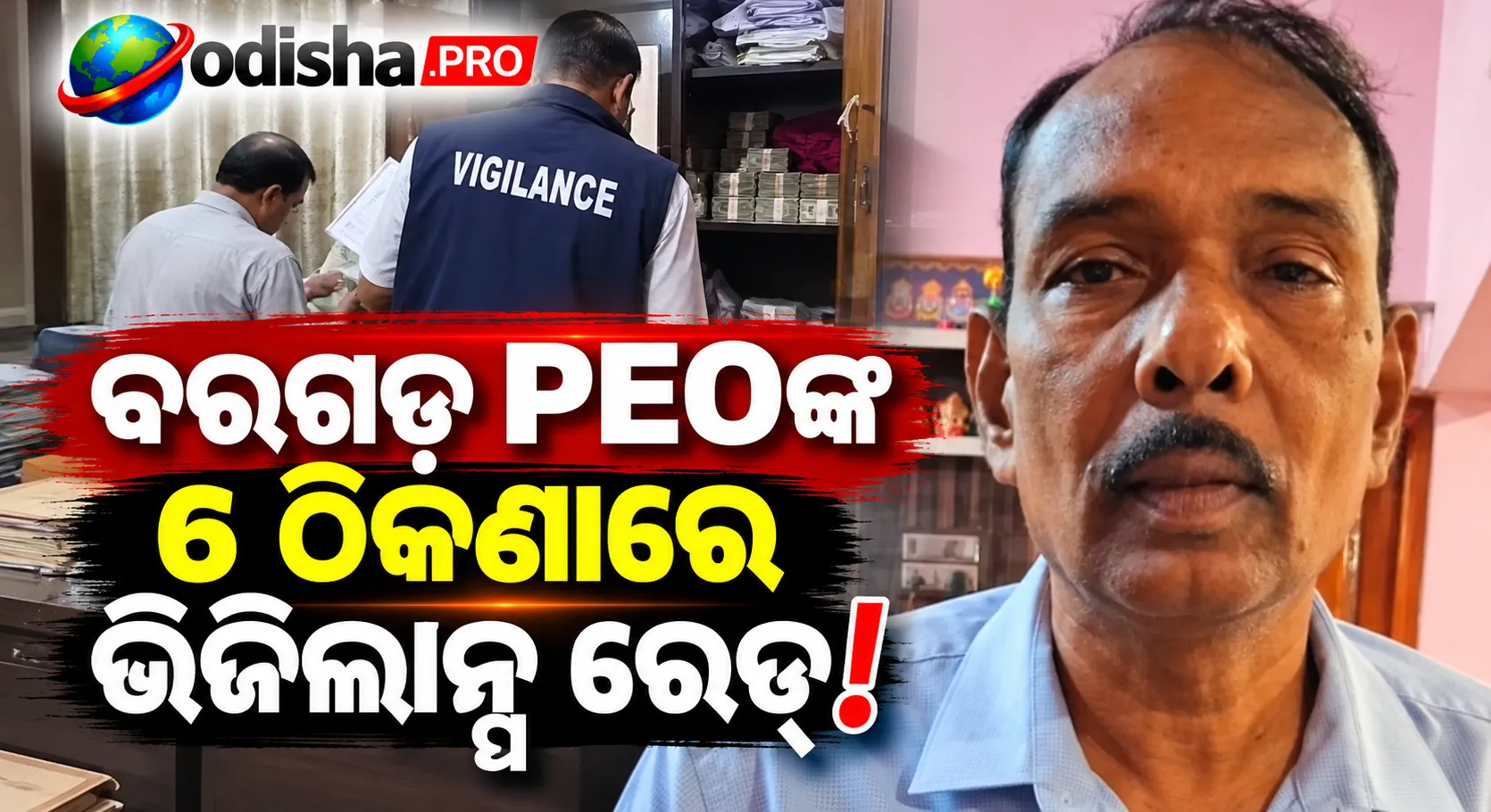
ବରଗଡ଼ ଜିଲ୍ଲାର ଜଣେ ପଞ୍ଚାୟତ ଏକ୍ଜିକ୍ୟୁଟିଭ୍ ଅଫିସର (PEO...
ବଲିଉଡର ଲୋକପ୍ରିୟ ସସପେନ୍ସ-ଥ୍ରିଲର୍ ଫ୍ରାଞ୍ଚାଇଜ୍ **&lsq...
HIV ପ୍ରତିରୋଧ କ୍ଷେତ୍ରରେ ଏକ ନୂଆ ଔଷଧ ନେଇ ଆଶା ସୃଷ୍ଟି ହ...

ଭୁବନେଶ୍ୱର:ସୋସିଆଲ ମିଡିଆରେ କରାଯାଇଥିବା ଏକ LIVE ଭିଡିଓକ...

ସୁନ୍ଦରଗଡ଼: ବୀରମିତ୍ରପୁର-ରାଇବୋଗା ରୋଡ୍‌ରେ ଥିବା S...
ମାଲାୟାଲମ୍ ସିନେମା‘Bethlehem Kudumba Unit&rsqu...
ମହାଭାରତର ଅତ୍ୟନ୍ତ ଚର୍ଚ୍ଚିତ ଓ ଜଟିଳ ଚରିତ୍ର କର୍ଣ୍ଣଙ୍କ...
ନୂଆଦିଲ୍ଲୀ: ଯୁବ ବୟସରେ ହାର୍ଟ ଆଟାକ୍‌ର ଘଟଣା ନେଇ ଚ...

କଟକ: ଚୌଦ୍ୱାର ସର୍କଲ୍ ଜେଲ୍‌ର ସିନିୟର ସୁପରିଣ୍ଟେଣ୍...