

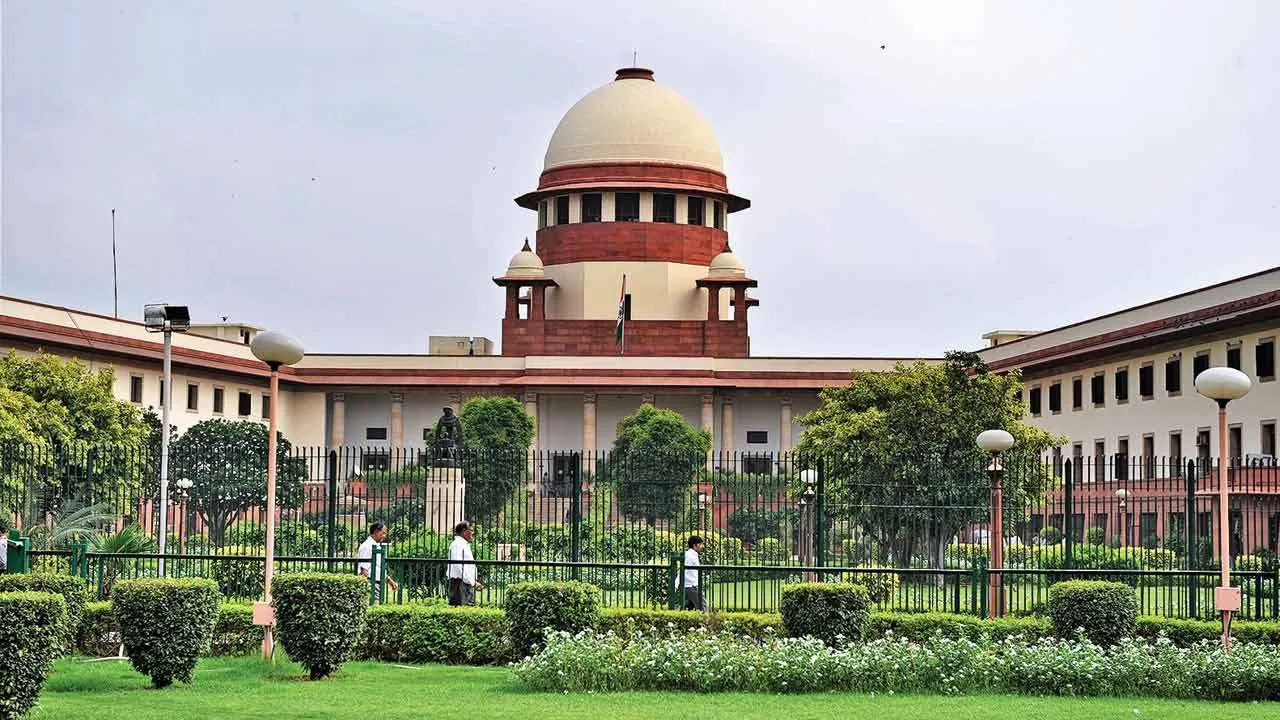
Over the past decade, India’s most significant education reforms have followed a predictable pattern: announcement, protest, litigation, and pause. Policies aimed at improving access, equity, and quality—from the Right to Education Act’s quota mandate and the introduction of NEET, to the National Education Policy 2020 and the latest UGC regulations on caste-based discrimination—have repeatedly been tested in court.
These are not marginal disputes. They touch the core of India’s constitutional framework, involving federal balance, minority rights, institutional autonomy, and social justice. Most recently, the Supreme Court stayed the UGC’s revised regulations, citing concerns over ambiguity, definitions, and safeguards, and directed that the older 2012 framework remain in force.
The pattern reveals a deeper structural issue. While India’s education reforms are often ambitious and well-intentioned, they are frequently rolled out without sufficient consultation, operational clarity, or institutional preparedness. As a result, trust deficits emerge, and courts are compelled to intervene—not as ideological opponents of reform, but as constitutional safeguards.
Ambiguity has become a recurring legal liability. Vague definitions, wide discretionary powers, and unclear enforcement mechanisms expose reforms to judicial scrutiny. Experts warn that such uncertainty ultimately harms students, who are left navigating an education system marked by delays, reversals, and regulatory flux.
Litigation, then, is not the disease but the symptom. It signals governance gaps, fragile institutional trust, and insufficient consensus-building. Sustainable education reform, analysts argue, requires slower, deeper groundwork—clear drafting, independent review, meaningful stakeholder consultation, and transparent implementation roadmaps. Courts should remain the final safeguard of constitutional values, not the default destination for resolving policy disputes.

ରୁପାରେ ଆହୁରି ତୀବ୍ର ହ୍ରାସ ବର୍ତ୍ତମାନର ମୂଲ୍ୟବାନ ଧା...

ସ୍ତନ କର୍କଟ ବା Breast Cancer ବିରୋଧରେ ଏକ ନୂଆ ଔଷଧକୁ ନ...
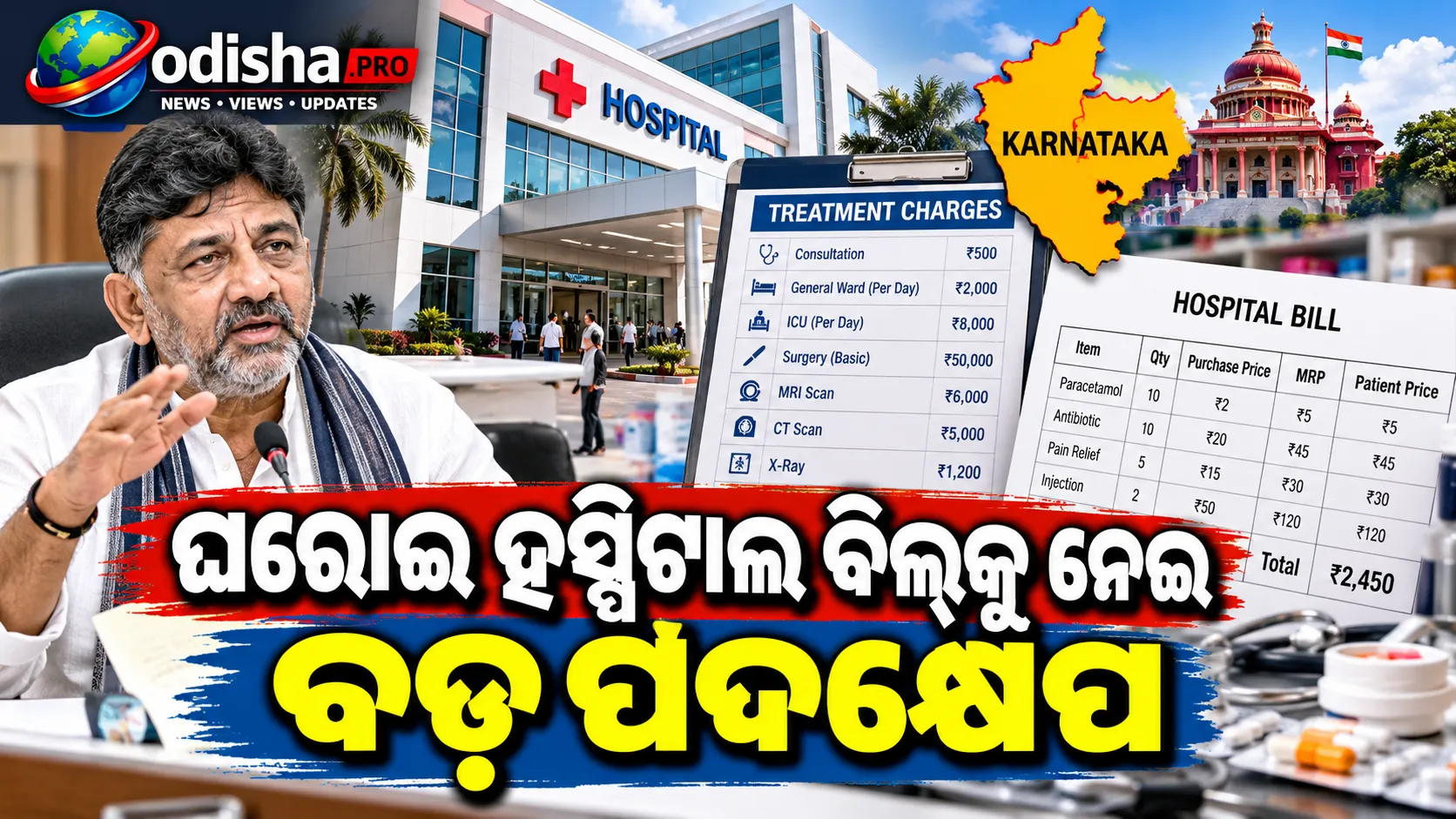
ବେଙ୍ଗାଲୁରୁ: ଘରୋଇ ହସ୍ପିଟାଲରେ ଚିକିତ୍ସା ଖର୍ଚ୍ଚକୁ ନେଇ...

ବୟସ ବଢ଼ିବା ସହ ଫର୍ଟିଲିଟିରେ ପରିବର୍ତ୍ତନ ଅଧିକ ବୟସରେ...

୧୩୭ କ୍ୟାନସର ଔଷଧରେ ଲାଗିଲା ମାର୍ଜିନ୍ କ୍ୟାପ୍ Nation...

୫୮ ବର୍ଷରେ ଅବସର ନେଲେ କ’ଣ ହେବ? EPFO ଅନୁଯାୟୀ...

ଜିଓ IPO ଭାଙ୍ଗିଲା ପୁରୁଣା ରେକର୍ଡ ୧ କୋଟି ଆବେଦନର ମା...

MCXରେ ରୁପା ଦର କାହିଁକି ଖସିଲା? ଘରୋଇ ବଜାରରେ ରୁପା ସ...
