










The Employees’ Provident Fund Organisation (EPFO) is gearing up for its next major digital transformation, dubbedEPFO 3.0, which will involve a complete overhaul of its technology infrastructure. Following reforms such as eased withdrawal rules and the upcoming UPI-based PF withdrawal facility, the retirement fund body is now focusing on building a future-ready digital ecosystem capable of supporting millions of additional members.
EPFO 3.0 will introduce anew online portal, upgraded backend software and a shift to a core banking–like system, allowing members to access services seamlessly from any EPFO office across the country. This centralised architecture is designed to improve grievance redressal, speed up claims processing and eliminate dependence on local offices.
The revamp comes as EPFO prepares for a sharp expansion in coverage under the new Labour Codes, which are expected to bring more workers from the unorganised sector into the social security net. Officials say the new system is being designed to handle significantly higher transaction volumes and a more diverse member base over the next decade. EPFO currently has nearly8 crore active membersand manages a corpus of aroundRs 28 lakh crore.
A key feature of EPFO 3.0 will be the use ofAI-powered language translation tools, including the government’s Bhashini platform, to provide information in regional and vernacular languages. This is expected to make EPFO services more accessible to members who are not comfortable with English or Hindi.
The organisation is in the final stages of preparing a tender to select an agency to implement and manage the new IT platform, with major IT firms already shortlisted. Meanwhile, EPFO 2.0 reforms—such as system upgrades to challans and internal processes—are nearing completion, along with plans to launch UPI-based withdrawals through the BHIM app.
Overall, EPFO 3.0 marks a shift from incremental fixes to a comprehensive, long-term digital strategy aimed at delivering faster services, wider coverage and improved access for crores of workers across India.
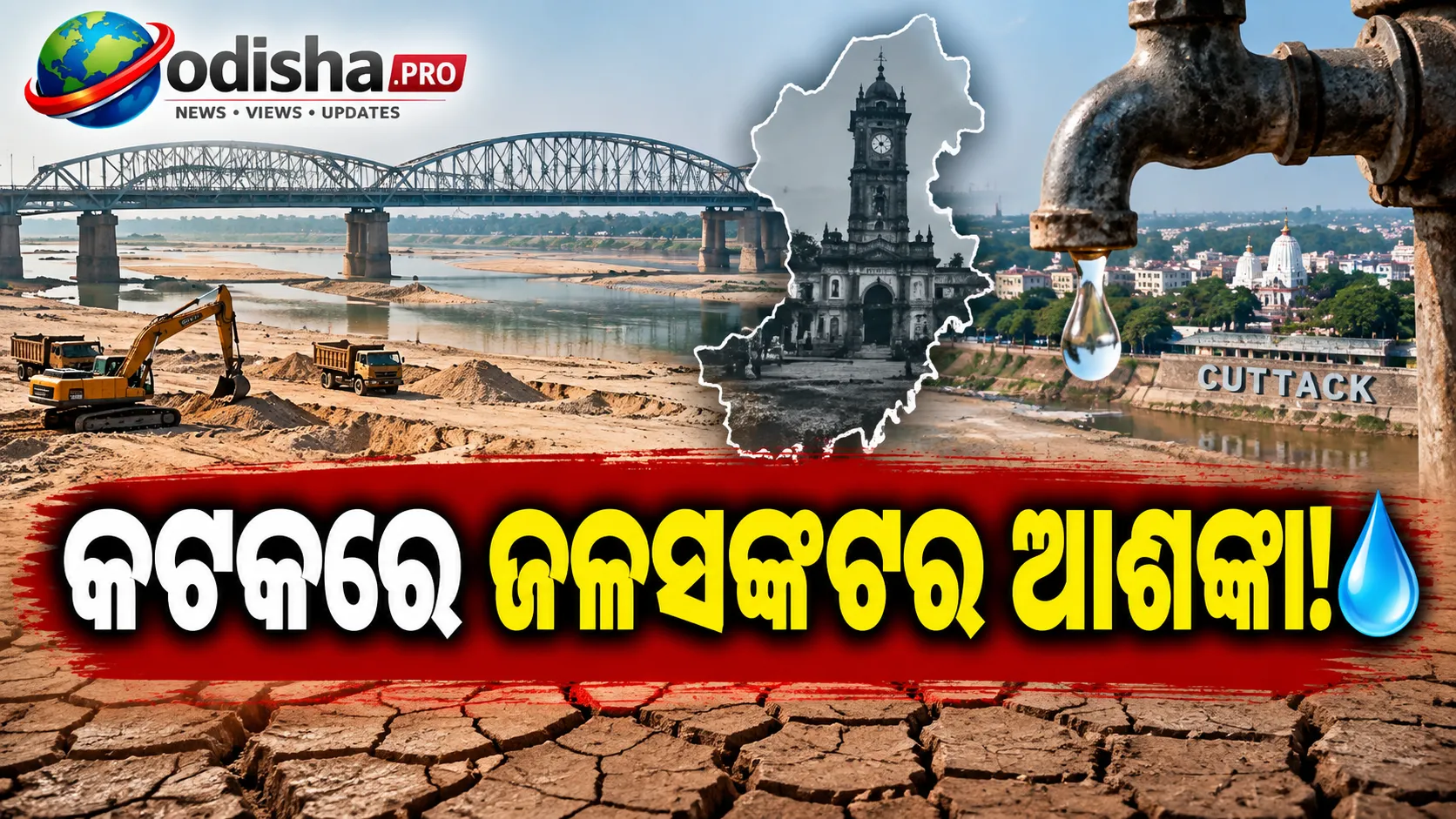
କଟକ: କଟକ ସହରର ଜଳସମ୍ପଦକୁ ନେଇ ଚିନ୍ତା ବଢ଼ିଛି। ମହାନଦୀ...
ଓଡ଼ିଶାରେ ବାସହୀନ ପରିବାରଙ୍କୁ ପ୍ରଧାନମନ୍ତ୍ରୀ ଆବାସ ଯୋଜନ...
ନୂଆଦିଲ୍ଲୀ: ଭାରତୀୟ କ୍ରିକେଟ୍‌ରେ ଯୋଡ଼ି ହେବାକୁ ଯା...
ଭାରତୀୟ କ୍ରିକେଟ୍‌ରେ ଅମ୍ପାୟାର ଓ ମ୍ୟାଚ୍ ରେଫରିଙ୍କ...
ପୁରୀର ପ୍ରସିଦ୍ଧ ଶ୍ରୀଗୁଣ୍ଡିଚା ମନ୍ଦିର ଖୁବଶୀଘ୍ର ଭକ୍ତଙ୍...

ଭାରତୀୟ ଶାସ୍ତ୍ରୀୟ ସଙ୍ଗୀତର ମହାନ କଣ୍ଠଶିଳ୍ପୀ MS ସୁବ୍ବୁ...

ବଲିଉଡ୍‌ର ଲୋକପ୍ରିୟ କମେଡି ଫ୍ରାଞ୍ଚାଇଜ୍ ‘Go...
ଜାପାନରେ ଚାଲିଥିବା ୨୦୨୬ ଏସୀୟ କ୍ରୀଡ଼ାରେ ଆୟୋଜକଙ୍କ ଏକ ଭ...
ଭାରତୀୟ କ୍ରିକେଟ୍‌ରେ ଏକ ଖେଳାଳିଙ୍କୁ ନେଇ ଦୁଇଟି ଦଳ...

୨୦୨୫ରେ ରିଲିଜ୍ ହୋଇଥିବା‘Saiyaara’ଫିଲ୍ମ ନ...

ସାଉଥ୍‌ ସିନେମାର ଚର୍ଚ୍ଚିତ ଅଭିନେତା ଅଲ୍ଲୁ ଅର୍ଜୁନଙ...
ବଙ୍ଗୋପସାଗରରେ ଆଉ ଏକ ଲଘୁଚାପ ସୃଷ୍ଟି ହେବାର ପାଣିପାଗ ବିଭ...