



Iran today stands battered but defiant. Years of Western sanctions have crippled its economy, nationwide protests continue amid deep economic distress, and its leadership faces growing international isolation. The country was even bombed by the United States and Israel last year. Yet, despite overwhelming pressure and repeated threats from President Donald Trump, Tehran has refused to bow down.
The US has tried nearly every lever at its disposal — economic sanctions, diplomatic isolation, covert operations, direct military strikes and support for Iran’s regional rivals. Still, the Ayatollah Ali Khamenei-led regime remains in place. While Iran lacks the military strength to match the US or Israel head-on, its resistance is rooted in a mix of strategic calculation, regional leverage and deep historical resilience.
One key reason Washington is hesitant to launch a full-scale military assault is the absence of a clear endgame. Even if the US were to strike decisively or eliminate Iran’s top leadership, there is no credible alternative ready to take control. American officials themselves have acknowledged that exiled figures like Reza Pahlavi lack sufficient support inside Iran. Any sudden power vacuum could plunge the country into chaos, repeating the disastrous outcomes seen in Iraq, Syria or Afghanistan.
Regional dynamics further complicate matters. Gulf nations such as Saudi Arabia, Qatar and Oman have actively pushed for de-escalation, fearing that any US-led attack on Iran would turn their territories into immediate targets. American military bases across Iraq, Syria, Qatar and Bahrain remain within range of Iranian missiles, making retaliation almost certain.
Iran’s deterrence does not lie in conventional military parity but in its ability to impose regional costs. Tehran possesses a large arsenal of short- and medium-range ballistic missiles capable of striking US bases and allies. It also retains the ability to disrupt shipping through the Strait of Hormuz, a chokepoint for more than 20 percent of global oil flows, potentially triggering a global energy shock.
Beyond missiles, Iran can still rely on proxy networks, cyber capabilities and asymmetric warfare to prolong conflict and raise the stakes. Even with weakened air defences and economic exhaustion, the regime has shown it can absorb pressure while responding in ways that make escalation costly for Washington and its partners.
The US itself appears conflicted. While Trump has repeatedly warned that “all options are on the table,” military plans have been paused, revived and reassessed amid pressure from allies, oil market concerns and fears of regional instability. Redeployment of US naval assets to the Middle East underscores preparedness, but also signals uncertainty.
Ultimately, Iran’s defiance is not born of strength alone, but of calculation. The regime knows that while the US can inflict severe damage, it cannot easily reshape Iran’s political future from the outside. History suggests that any real change in Iran will come from within, not through bombs or sanctions.
For now, the US may be able to batter Iran, but bending it into submission remains far more difficult — a reality shaped by geopolitics, regional fallout and the limits of military power in forcing regime change.
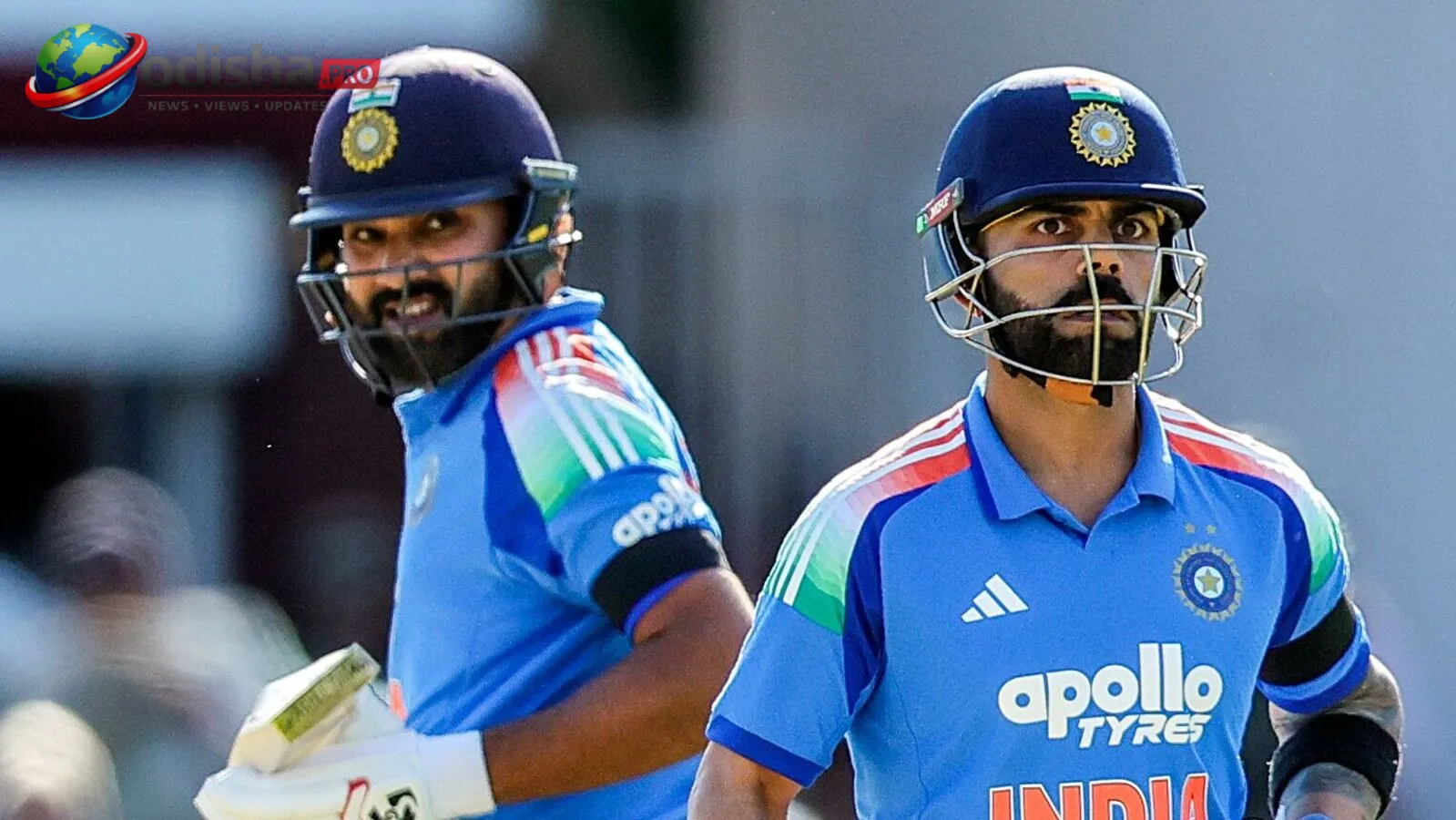
ଭାରତୀୟ କ୍ରିକେଟ୍ ଦଳର ପୂର୍ବତନ ଅଫ୍‌ ସ୍ପିନର ରବିଚନ...

ସଂସଦର ମୌସୁମୀ ଅଧିବେଶନର ତୃତୀୟ ଦିନ ବୁଧବାର ବିରୋଧୀ ସାଂସ...

ଟେଷ୍ଟ ଓ ଟି-୨୦ ଆନ୍ତର୍ଜାତୀୟ କ୍ରିକେଟ୍ରୁ ସନ୍ନ୍ୟାସ ନେବା...

ରାଜଧାନୀ ଦିଲ୍ଲୀର ଜନ୍ତର ମନ୍ତରରେ ଚାଲିଥିବା ଛାତ୍ର ଆନ୍ଦୋ...

ଦିଲ୍ଲୀର ଜନ୍ତର ମନ୍ତରରେ **‘କୋକରୋଚ୍ ଜନତା ପାର୍ଟି...

ସଂସଦର ମୌସୁମୀ ଅଧିବେଶନର ଆଜି ତୃତୀୟ ଦିନ। ଗତ ଦୁଇ ଦିନ ଧର...

ଭାରତ ଓ ଜିମ୍ବାୱେ ମଧ୍ୟରେ ଜୁଲାଇ ୨୩ରୁ ଆରମ୍ଭ ହେବାକୁ ଥିବ...

ରାଜଧାନୀ ଦିଲ୍ଲୀରେ ଚାଲିଥିବା ତୀବ୍ର ପ୍ରତିବାଦ ଓ ଆନ୍ଦୋଳନ...

ବିଶ୍ୱକପ୍ ଫାଇନାଲରେ ସ୍ପେନ୍‌ ବିପକ୍ଷରେ ୦-୧ ଗୋଲରେ...
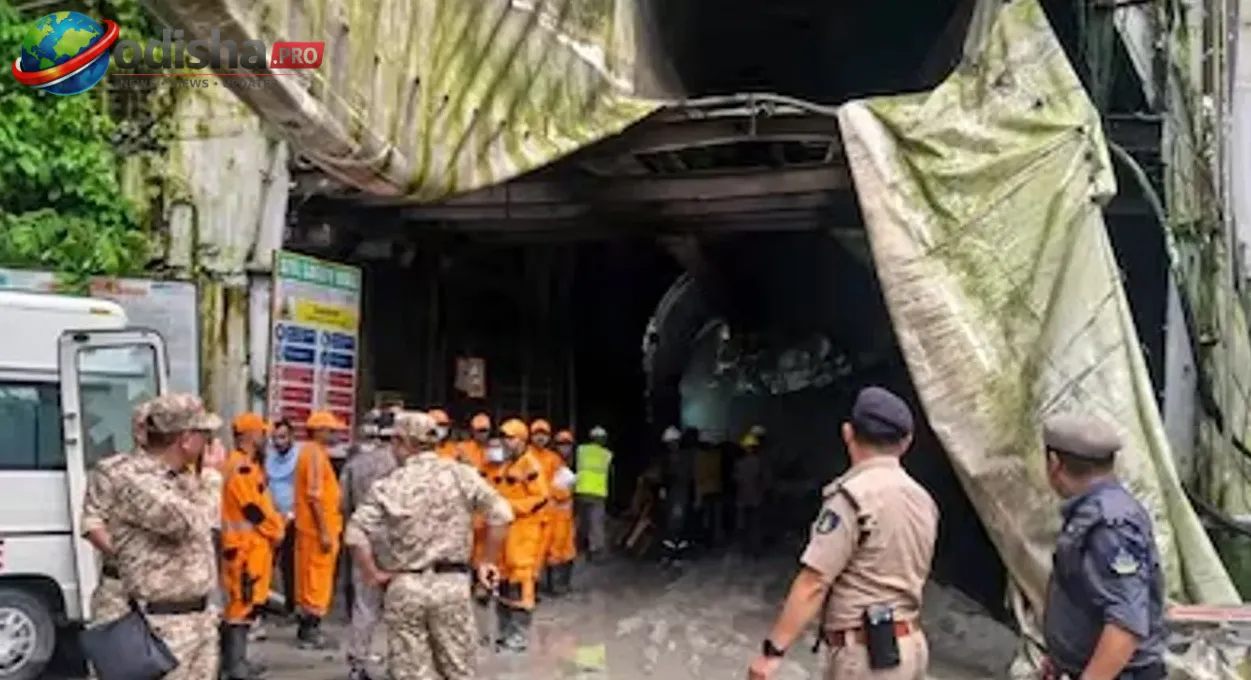
ସିକ୍କିମରେ ଘଟିଥିବା ଭୟଙ୍କର ଟନେଲ ଦୁର୍ଘଟଣା ସମଗ୍ର ଦେଶକୁ...
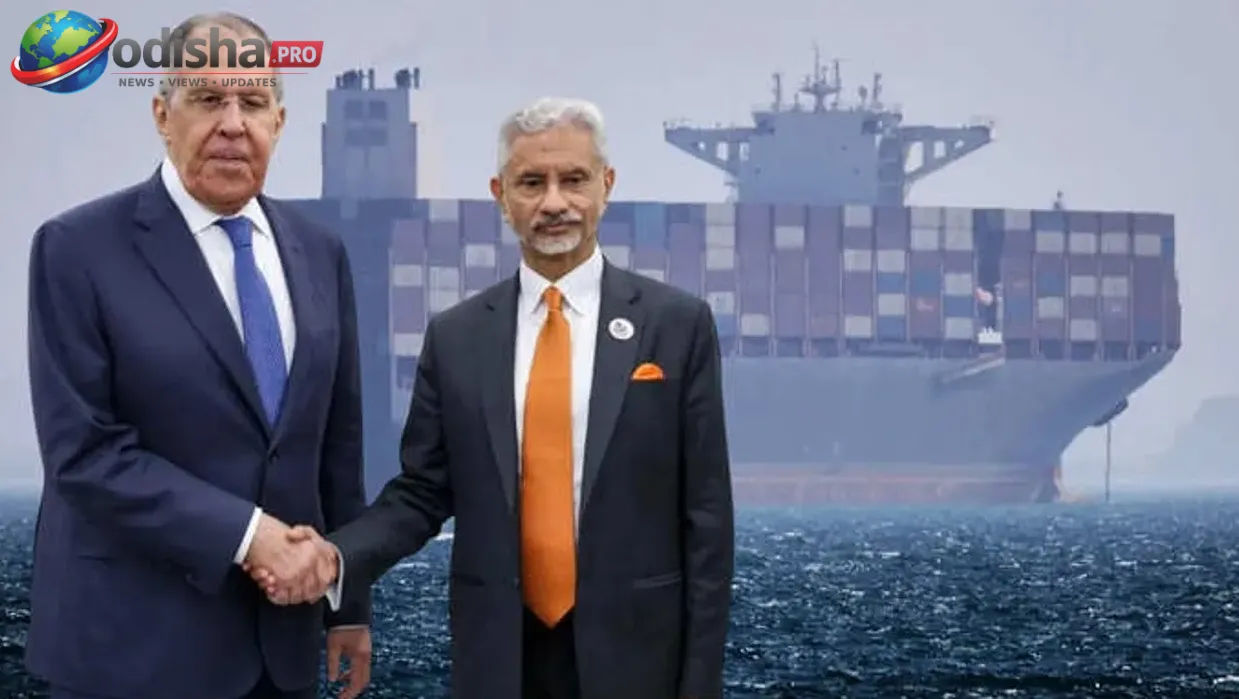
: ୟୁକ୍ରେନ ସଂଘର୍ଷ ଅଞ୍ଚଳରେ କାର୍ଯ୍ୟରତ ଭାରତୀୟ ନାବିକଙ୍କ...
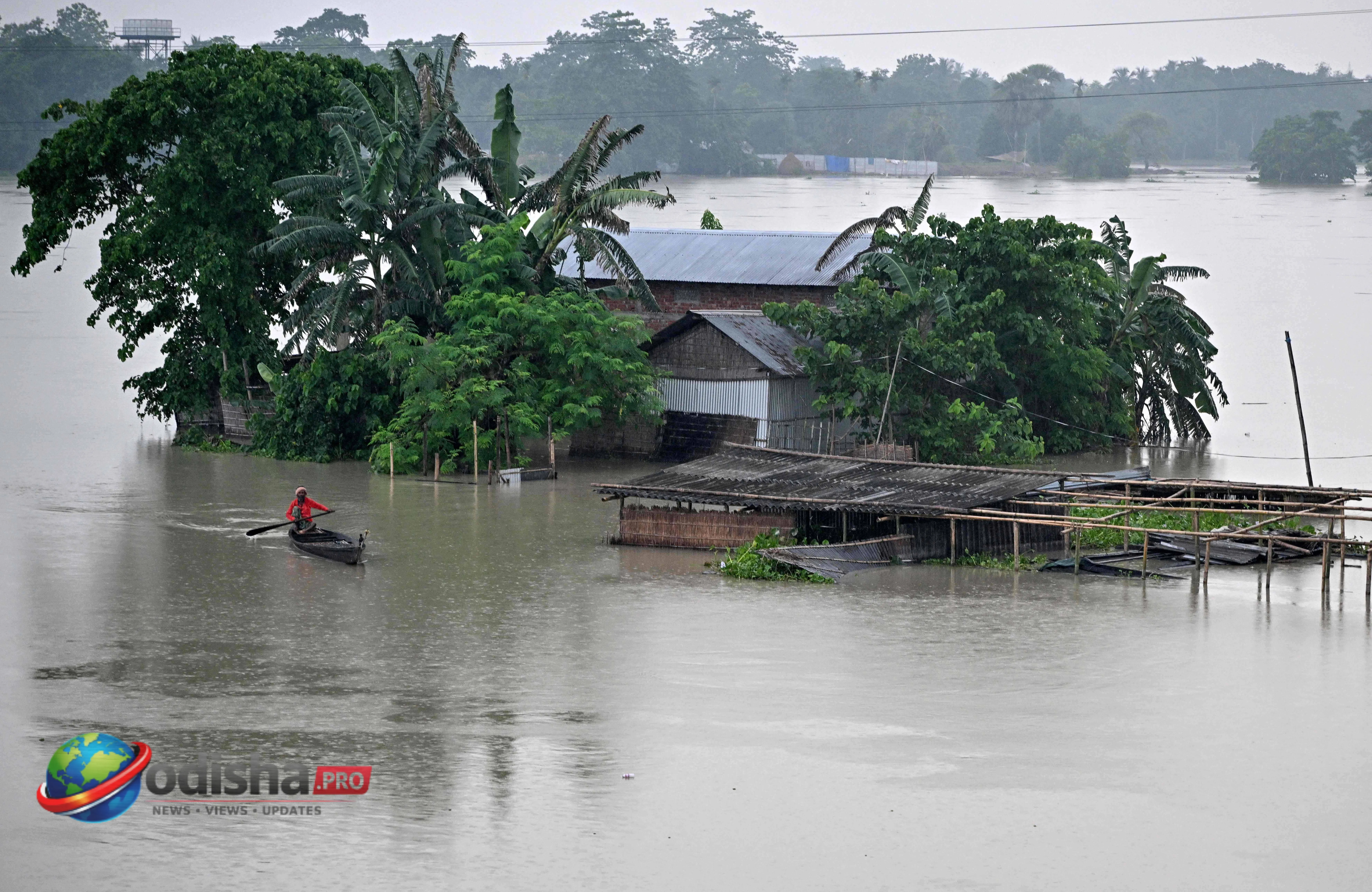
ଲଗାଣ ବର୍ଷା ପରେ ଆସାମରେ ପ୍ରକୃତିର ପ୍ରଳୟଙ୍କରୀ ରୂପ ଦେଖି...