



Dense fog engulfed Delhi and its adjoining NCR cities on Sunday, pushing visibility down to zero amid biting cold conditions and causing widespread disruption to air and rail services. The situation was further aggravated by severe air pollution, with the capital’s Air Quality Index (AQI) touching 439 at 7 am.
According to the India Meteorological Department (IMD), zero visibility was recorded at Safdarjung, while Palam reported visibility of just 100 metres. Similar conditions prevailed across parts of north India, with visibility dropping to zero in Bareilly, Lucknow and Kushinagar, and remaining between 100 and 200 metres in cities such as Amritsar, Gorakhpur and Prayagraj.
The dense fog prompted airlines, including Air India and IndiGo, to issue travel advisories, urging passengers to check flight status before heading to the airport. Data from Flightradar24 showed that departures at the Indira Gandhi International Airport were delayed by 35 per cent, while arrivals saw a 27 per cent delay.
Rail services were also severely impacted, with dozens of trains running late by up to 12 hours. Several premium services, including Rajdhani, Duronto and Garib Rath trains, were among those affected. In addition, the Upasana Express and the Sikkim Mahananda Express were cancelled for the day due to poor visibility.
Meanwhile, Delhi recorded a minimum temperature of 4.4 degrees Celsius on Saturday, 3.2 degrees below the seasonal average. Weather experts said temperatures are expected to rise slightly over the next few days, with light winter rainfall likely, before another cold spell sets in between January 23 and 26.
In response to the deteriorating air quality, the Commission for Air Quality Management (CAQM) on Saturday imposed curbs under GRAP-IV, the strictest stage of the Graded Response Action Plan, a day after invoking GRAP-III restrictions. Officials attributed the sharp spike in pollution levels to unfavourable meteorological conditions and poor dispersion of pollutants.
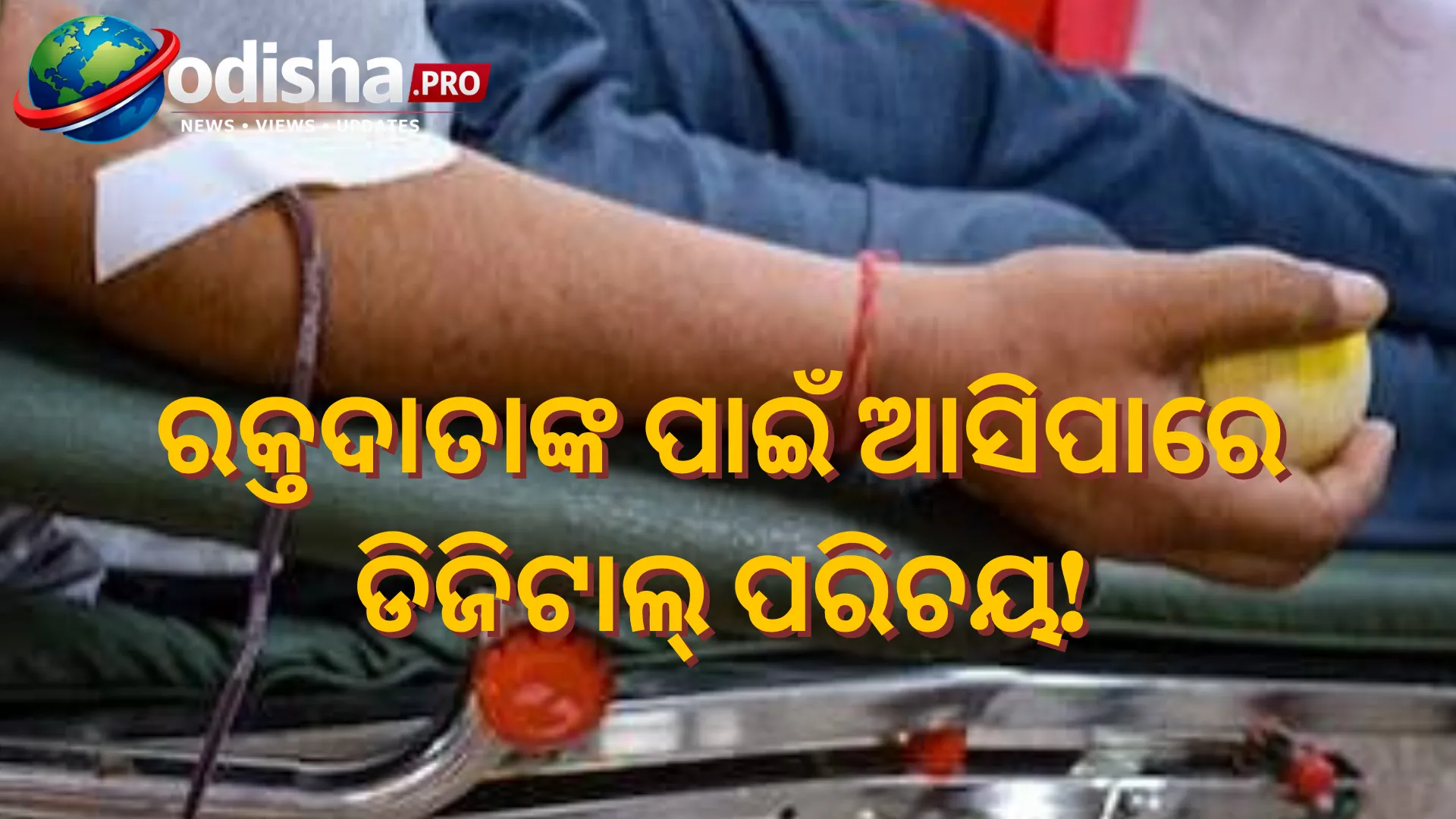
ରକ୍ତଦାନ ବ୍ୟବସ୍ଥାକୁ ଆହୁରି ସୁସଂଗଠିତ ଓ ଟ୍ରାକ୍‌ଯୋ...
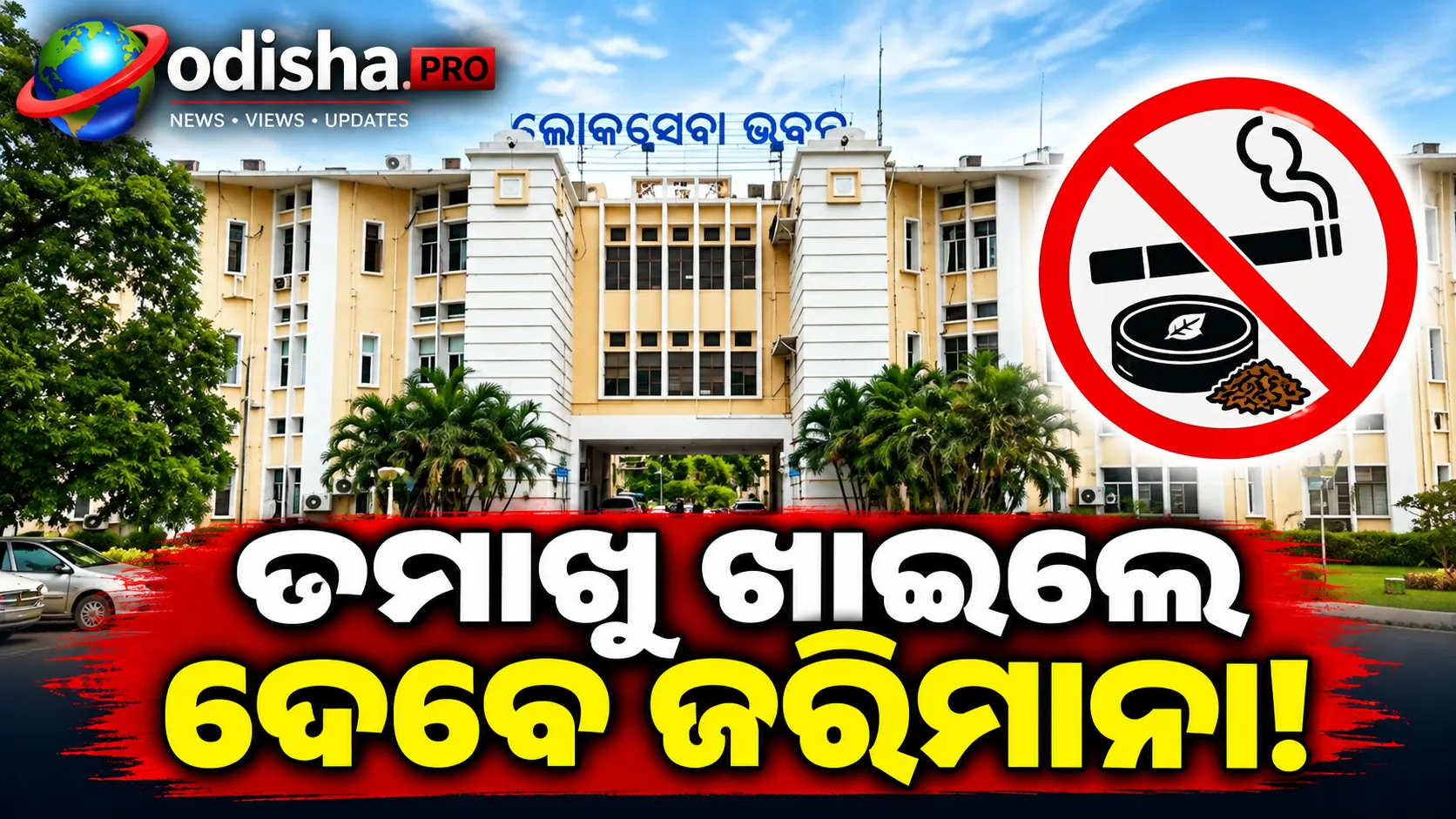
ଭୁବନେଶ୍ୱରସ୍ଥିତ ଲୋକସେବା ଭବନ ପରିସରକୁ ‘ତମାଖୁମୁକ...

ପୁରୀ ଜିଲ୍ଲା ଧରଣୀକୁଦି ଗାଁରେ ଜଙ୍ଗଲୀ ବାରହା ଆକ୍ରମଣରେ ୫...

SEMICON India 2026ରେ ଓଡ଼ିଶାର ଦବଦବା, NIT Rourkelaର...

ଓଡ଼ିଶାର ପ୍ରମୁଖ ମହିଳାକେନ୍ଦ୍ରିକ କଲ୍ୟାଣ ଯୋଜନାSubhadra...
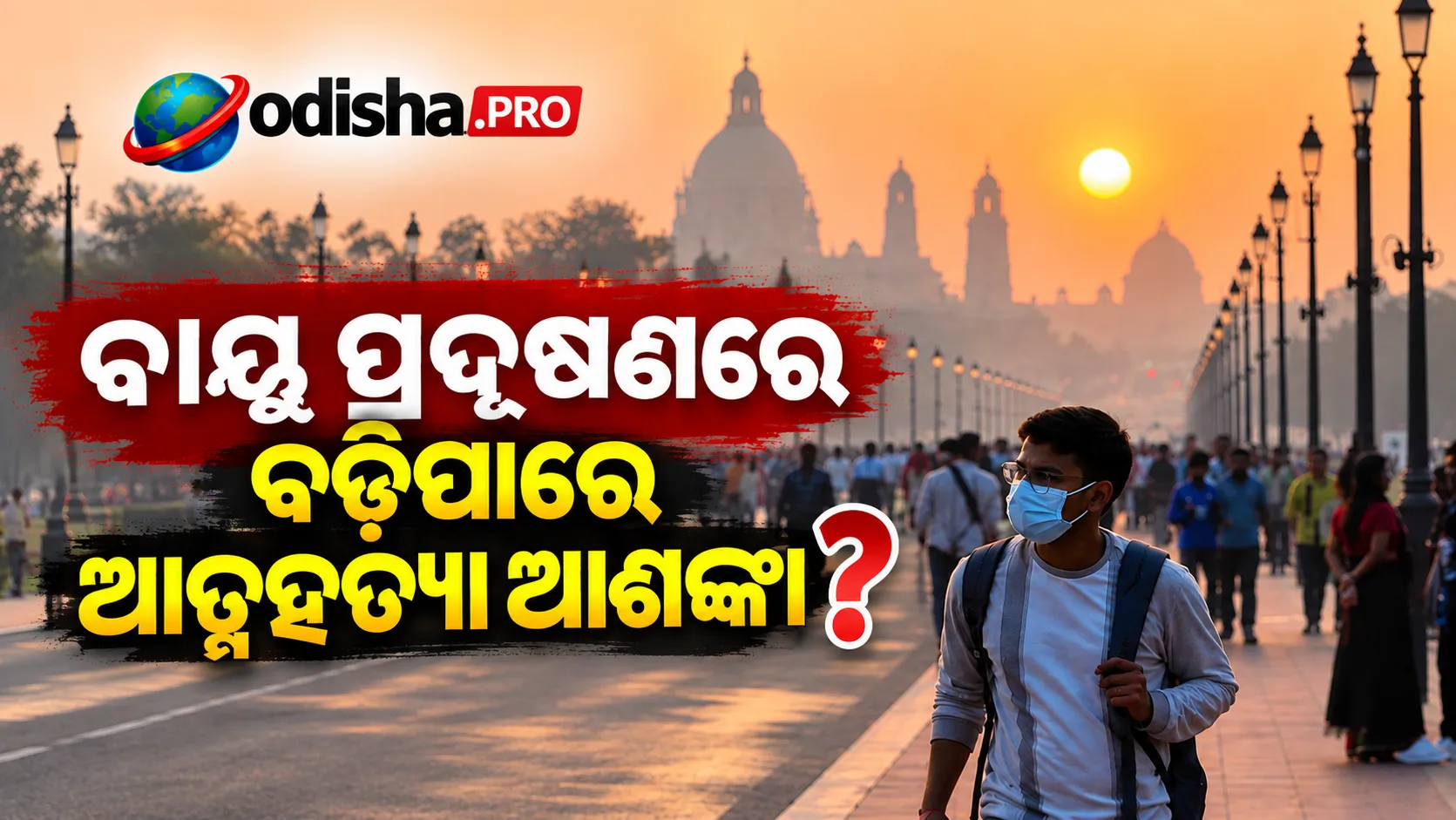
ବାୟୁ ପ୍ରଦୂଷଣ କେବଳ ଫୁସ୍ଫୁସ୍ ଓ ଶ୍ୱାସକ୍ରିୟା ଉପରେ ପ୍ରଭ...

ସମ୍ବଲପୁର ସହରରେ ରାସ୍ତାକଡ଼ରେ ଥିବା ଅନଧିକୃତ ଦୋକାନ ଓ ଷ୍...