





AR Rahman is the most transformative force Hindi cinema has seen since Amitabh Bachchan. Not as an actor, but as a sonic architect who rewired the very DNA of Indian film music. Much like Bachchan in the 1970s, Rahman’s name between 1992 and 2015 was a guarantee: the album would matter, the songs would become cultural landmarks, and the film would gain credibility purely because he was involved.
So when Rahman recently spoke about a sharp decline in his Bollywood work over the past eight years, blaming non-creative power centres, corporate interference and whispered bias, it sounded less like a personal grievance and more like an indictment of the industry itself. Many of those criticisms are valid. Bollywood’s creative ecosystem is undeniably broken.
But there is an uncomfortable truth that cannot be ignored: Rahman is also partly responsible for his own Bollywood decline.
Before Rahman, Hindi film music had sunk into predictability and rampant plagiarism. Composers routinely lifted tunes from across the globe and even from Indian maestros like Ilaiyaraaja. Ironically, Bollywood hit its lowest point by plagiarising Rahman himself, most infamously when Anu Malik lifted fromRojaand dismissed accusations with the now-notorious line, “Why can’t two great men think alike?”
WithRoja, the sonic landscape of India changed overnight. Over the next two decades, Rahman didn’t just deliver hits, he created eras. FromBombayandDil SetoLagaanandRockstar, his music became the backdrop of everyday life: first loves, heartbreaks, road trips and national pride. Every album was an event. Every release felt inevitable.
And then, without ever formally leaving, he checked out of Bollywood.
Let’s examine Rahman’s Hindi film work afterTamasha(2015) with honesty.Mohenjo Darowas widely panned: generic, dated and uninspired.OK Jaanu, a reworking ofOK Kanmani, was pleasant but disposable. Then cameHeropanti 2, a creative nadir that even loyalists struggled to defend, hisLal Baadshahmoment. Songs like “Dafa Kar” and “Jalwanuma” felt chaotic and careless.
Amar Singh Chamkilaoffered a glimpse of redemption. Everything else? Largely forgettable.
Ask a simple question: which post-2015 Rahman Bollywood album truly endures in public memory? The silence is telling.
In his interview, Rahman cited corporate takeovers, multi-composer albums and outsider status as reasons for dwindling opportunities. These are real, systemic problems that have hollowed out Hindi film music. But they don’t explain creative inconsistency. They don’t explainHeropanti 2. They don’t explain why99 Songs, his passion project, failed so completely.
Maybe the issue isn’t just Bollywood.
What makes the decline more glaring is that Rahman’s South Indian work remains exceptional.Ponniyin Selvan I & IIwere masterclasses: layered, majestic and instantly iconic. The difference is clear. In the South, Rahman collaborates with demanding filmmakers and works on ambitious projects. In Bollywood, he has oscillated between vanity experiments and low-effort paycheque jobs.
The Rahman of the 1990s was obsessive, prolific and fearless. The Rahman of 2016–2024 has been selective to the point of invisibility in Hindi cinema, and when he does appear, often half-hearted.
Rahman’s trajectory mirrors Bollywood’s broader creative collapse. The industry that once produced timeless soundtracks now churns out algorithm-driven noise, playlist fragments and soulless remakes. Corporate logic has replaced artistic instinct.
But the tragedy isn’t that Bollywood rejected Rahman. It’s that Rahman half-rejected Bollywood first, and then blamed the industry when it moved on.
Amitabh Bachchan reinvented himself when his stardom waned, evolving from angry young man to elder statesman. Rahman has the genius to do the same, but only if he sheds complacency and reclaims the hunger that once defined him.
Bollywood’s loss may be self-inflicted, but Rahman’s redemption is entirely his own to claim. Will the Mozart of Madras rise again, or fade into a footnote of unfulfilled potential?
O Nadaan Parinde, ghar aaja.
ଦେଶର ବିଭିନ୍ନ ସ୍ଥାନରେ ଚାଲିଥିବା ଛାତ୍ର ଆନ୍ଦୋଳନ ଏବଂ ପ୍...
ଦେଶବ୍ୟାପୀ ନିଟ୍ ପରୀକ୍ଷା ବିବାଦ ଓ ଶିକ୍ଷା ବ୍ୟବସ୍ଥାକୁ ନ...
ଓଡ଼ିଶାର ଦ୍ରୁତ ବିକାଶଶୀଳ ପ୍ରଯୁକ୍ତି ପରିବେଶ ପାଇଁ ଏକ ବଡ...
ଦେଶରେ ଚିକିତ୍ସା ଶିକ୍ଷା ଓ ସ୍ୱାସ୍ଥ୍ୟସେବାକୁ ଆହୁରି ସୁଦୃ...
ମେଷ ଏହି ସପ୍ତାହ ଆପଣଙ୍କ କର୍ମକ୍ଷେତ୍ର ପାଇଁ ଉତ୍ସାହଜନ...
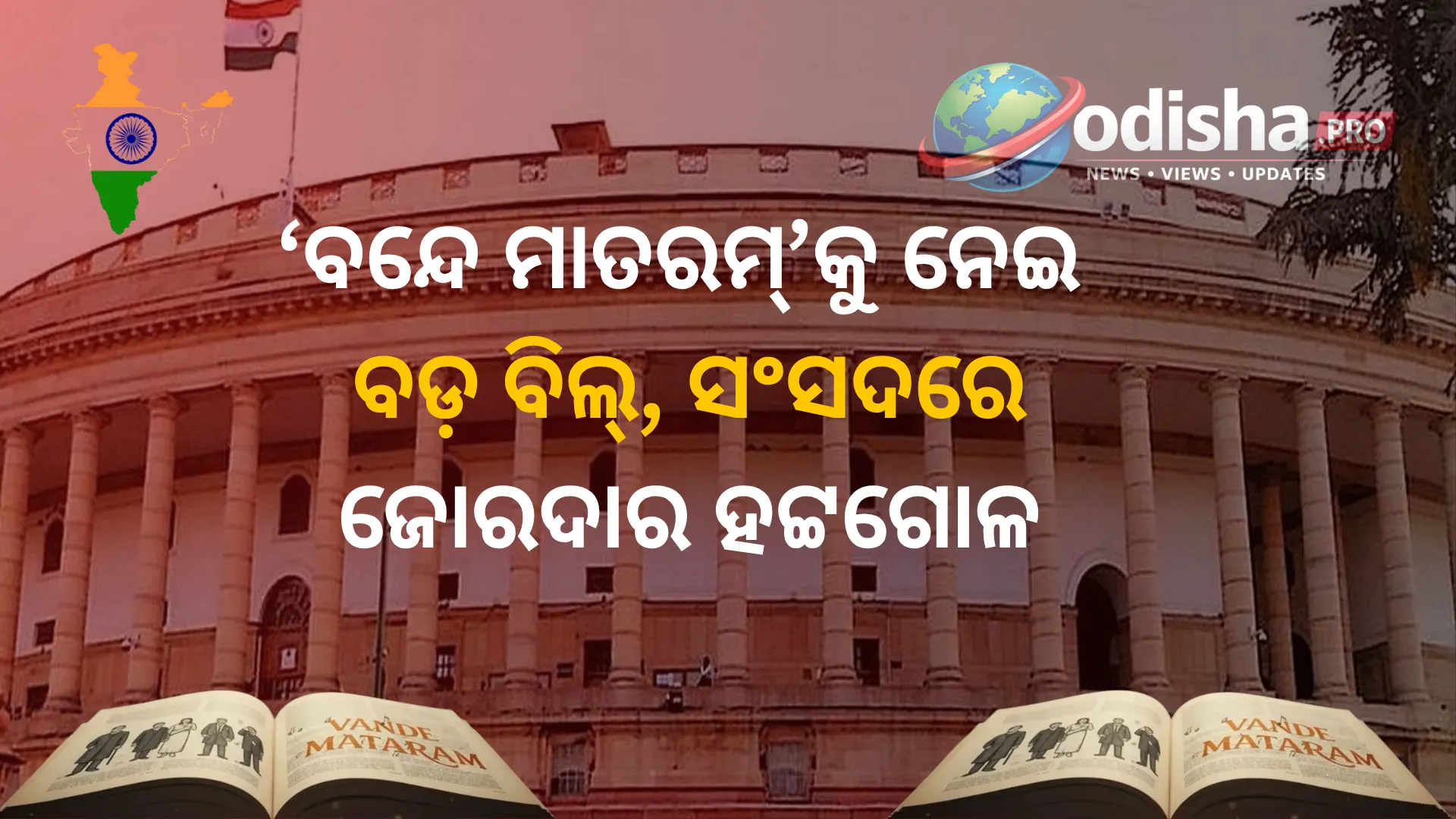
ସଂସଦର ମୌସୁମୀ ଅଧିବେଶନର ପ୍ରଥମ ସପ୍ତାହ ହଟ୍ଟଗୋଳ ମଧ୍ୟରେ...
ପ୍ରବଳ ବର୍ଷା ଯୋଗୁଁ ମୁମ୍ବାଇ ରେଳ ମଣ୍ଡଳରେ ରେଳ ଚଳାଚଳ ପ୍...