








On Saturday evening, the Delhi government once again imposed GRAP-4 restrictions as air quality slipped back into the “severe” category, for what feels like the nth time this winter. By now, the cycle is painfully familiar: AQI worsens, curbs are announced, and just as quickly rolled back when numbers dip slightly, sometimes only for a few hours.
Impose. Revoke. Re-impose. What was meant to be an emergency response has turned into routine, and routine into farce. This winter, GRAP no longer feels like a crisis tool. It feels like administrative muscle memory, triggered not by conviction but by obligation, with little belief that it will change anything on the ground or in the air.
The air crisis did not arrive overnight. It crept in by early October, intensified around Diwali, and has refused to lift even as January nears its end. Official data from monitoring agencies such as SAFAR and the CPCB confirms this, with repeated “severe” and “very poor” readings across Delhi-NCR through October, November and December. AQI levels frequently crossed 400 and, at times, even 500. What stands out most, however, is not the pollution itself, but the state’s inconsistent response to it.
I live in Noida, as do many friends and colleagues. Every morning begins under a dull, colourless sun hanging in grey air. Every night ends with sore throats, tight chests and lingering headaches. Breathing has become deliberate. Wheezing feels normal.
While Delhi announces curbs, Uttar Pradesh appears largely indifferent. Construction continues uninterrupted. Dust rises daily from half-built towers, broken pavements and open roads. Trucks move freely. Any action plans that exist seem confined to files, far removed from the grit settling on balconies, bedrooms and, eventually, lungs.
The damage is not limited to health. Productivity slows. Businesses suffer. Visibility drops, delaying flights and trains. Tourism disappears. Yet life drags on, as if dysfunction has become just another feature of the daily commute.
GRAP now operates like a switch. AQI spikes and restrictions are imposed. When it dips below 300, still dangerously polluted, they are lifted. Schools reopen. Construction resumes. Traffic returns. The unspoken message is clear: toxic air is acceptable as long as it stays under a number.
Pollution does not reset overnight. Lungs do not recover because an index briefly improves. This constant toggling has bred frustration and cynicism. People increasingly view these measures as performative, aimed at optics rather than outcomes.
This winter has also eroded trust. Indoor air monitors in homes and offices often show AQI levels far worse than official readings. Authorities insist their data is accurate, sometimes even dismissing global air-quality benchmarks as irrelevant to India.
For citizens, this only deepens despair. When even numbers are contested, accountability disappears. The body, however, does not debate data. It responds with coughing, burning eyes, fatigue and breathlessness. Hospitals see it. Families feel it. Yet we are repeatedly told that the situation is under control.
Life does not pause for polluted air. Office-goers, construction workers, delivery agents, street vendors and domestic workers step out every day. Parents ferry children. Elderly residents run errands. Staying indoors indefinitely is its own form of suffocation.
Masks and air purifiers help, but they are privileges, not solutions. A city cannot be purified room by room.
As January drags on, it feels as though only a miracle—strong winds or sudden rain—can clear the air. When institutions fail repeatedly, people turn to faith. Hope becomes seasonal. God becomes policy.
Delhi’s winters now feel wasted. Mornings meant for balconies and sunlight, afternoons in parks, evenings of walks and conversations—all sealed indoors, not by choice but by necessity. Stepping out requires calculating health risks.
Many quietly wonder how many more winters ageing parents can endure here. Parents hope their children’s lungs grow strong enough to survive a crisis they did not create, but will inherit.
We understand that India is a developing country with competing priorities. But is breathable air really too much to ask?
This is not about perfection. It is about seriousness, honesty and the assurance that this crisis is being treated as more than a seasonal inconvenience. For those living in Delhi-NCR, this is not policy or data. It is daily life, slowly shrinking with every breath.

ପଶ୍ଚିମବଙ୍ଗର ଭୋଟର ତାଲିକାର Special Intensive Revisio...
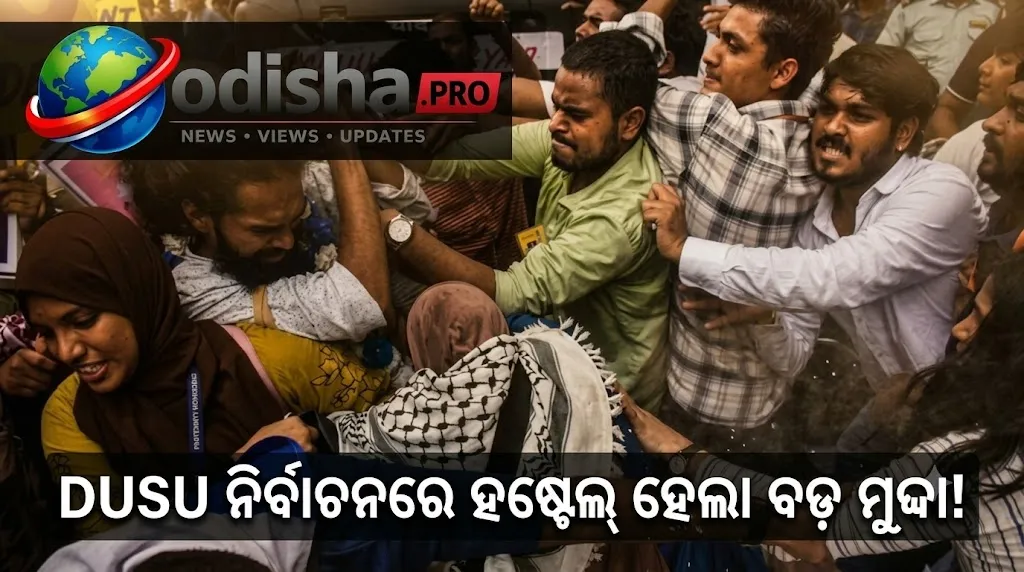
ଦିଲ୍ଲୀ ୟୁନିଭର୍ସିଟିରDUSU ନିର୍ବାଚନ ୨୦୨୬ରେ ଏଥର କେବଳ କ...
ଭଦ୍ରକ ଜିଲ୍ଲା ଚାନ୍ଦବାଲି ଥାନା ଅଧୀନ ପାଇକିରାପୁର ଗାଁରେ...
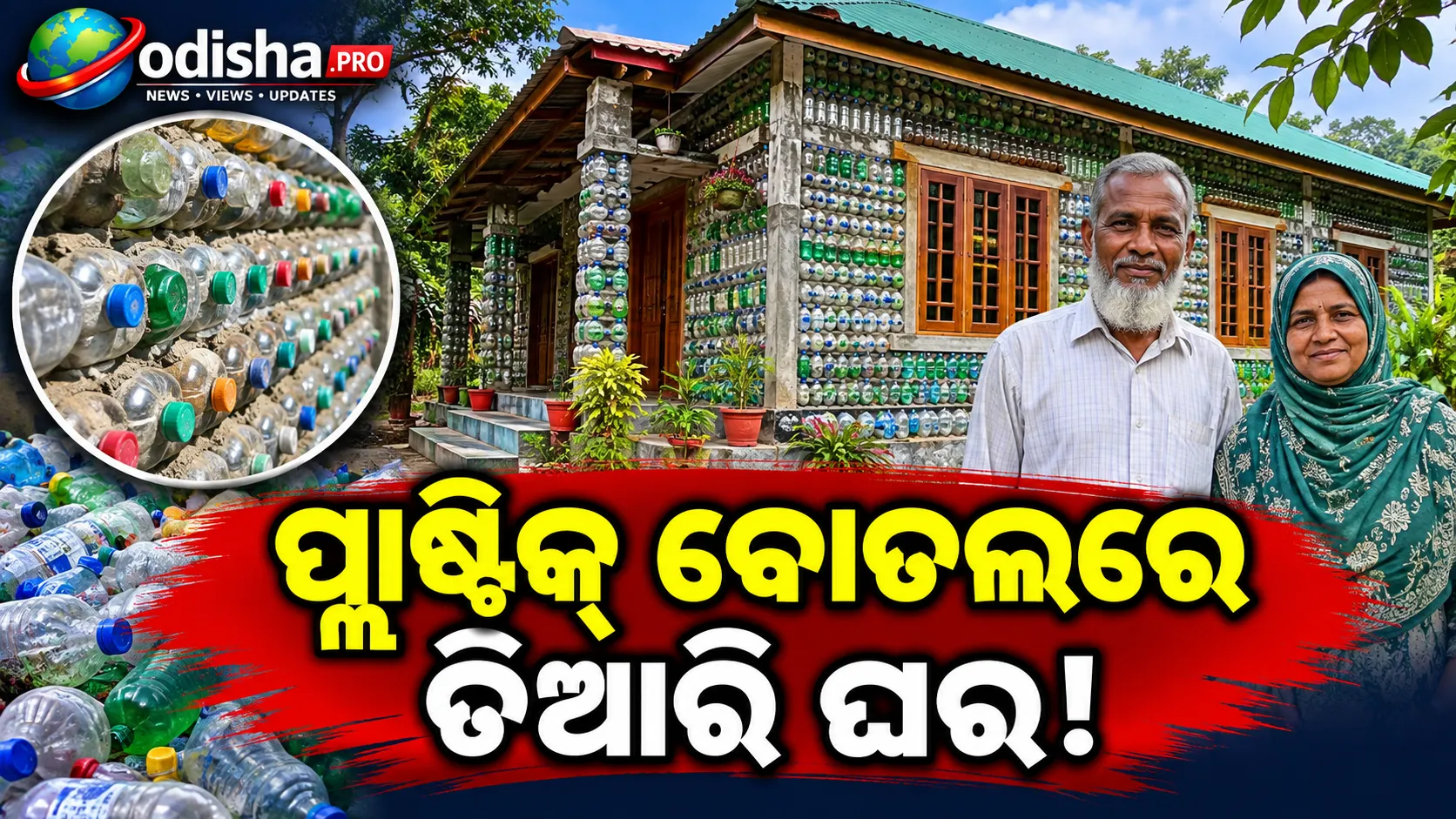
ପ୍ଲାଷ୍ଟିକ୍ ବୋତଲରେ ଘର!ଶୁଣିବାକୁ ଅଜବ ଲାଗିଲେ ମଧ୍ୟ ବାଂଲ...
ପାକିସ୍ତାନରେ ଇନ୍ଧନ ଓ ଅନ୍ତର୍ଜାତୀୟ ତୈଳ ମୂଲ୍ୟକୁ ନେଇ ଚା...
ହାଇୱେ କଡ଼ରୁ ଜଣେ ଅଜଣା ବ୍ୟକ୍ତିଙ୍କ ମୃତଦେହ ମିଳିବା ପରେ...
କେନ୍ଦ୍ରାପଡ଼ା ଜିଲ୍ଲା କୋରୁଆ ବଜାରରେ ଅବସରପ୍ରାପ୍ତ ଜଣେ ବ...

ମଧ୍ୟପ୍ରଦେଶର ବାଲାଘାଟ ଜିଲ୍ଲାର କିରନାପୁରରେ ପୁଲିସ କାର୍ଯ...
ଅଗଷ୍ଟ ୨୬ରେ ନେପାଳ-ଚୀନ୍ ସୀମା ନିକଟ ହିମାଳୟ ଅଞ୍ଚଳରେ ଘଟି...

୨୦୨୭ ପଞ୍ଚାୟତ ନିର୍ବାଚନକୁ ନଜରରେ ରଖି ଓଡ଼ିଶାରେ ନିଜର ସା...
ନିଜକୁ IAS ଅଧିକାରୀ ପରିଚୟ ଦେଇ ଲୋକଙ୍କୁ ଠକୁଥିବା ଅଭିଯୋଗ...
ରୁଷରୁ ତେଲ ଓ ଅନ୍ୟ ଶକ୍ତି ଉତ୍ପାଦ କିଣୁଥିବା ଦେଶଗୁଡ଼ିକ ଉ...