


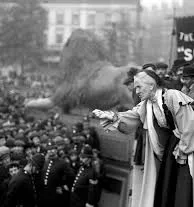
On a cold evening in London in the early 1920s,Charlotte Desparddid something remarkable: she publicly denounced the British Empire. Born in 1844 into an Anglo-Irish aristocratic family, Despard had privilege, education, and social influence—but she chose activism over comfort. As a suffragist, she had been imprisoned multiple times for campaigning for women’s voting rights. Her experiences in prison radicalised her and revealed the interconnectedness of oppression: the same system that silenced British women also ruled India without consent.
When news of colonial repression in India, especially theJallianwala Bagh massacre, reached Britain, Despard spoke out against imperial brutality. Aligning herself with Indian nationalists, she condemned British governance and advocated for Indian self-rule, often at great personal cost. Her activism unfolded not in Indian streets but in London lecture halls, drawing rooms, and public platforms, using her voice to shape public opinion in the heart of empire.
Despard linked struggles across nations and movements—connecting the Irish fight for independence, women’s suffrage, and India’s push for freedom. By doing so, she embarrassed the British establishment, challenged the narrative of the “civilising mission,” and amplified Indian voices in the very corridors of power. While Indian textbooks often foreground domestic heroes, Despard’s contributions remind us that freedom movements relied on allies across borders.
Her life exemplifies that justice and human rights are universal. Charlotte Despard supported India’s independence despite risking her reputation, social standing, and personal comfort. In the broader narrative of Indian independence, she may not headline chapters—but her moral courage and persistent advocacy in Britain left an indelible mark on the fight for freedom.
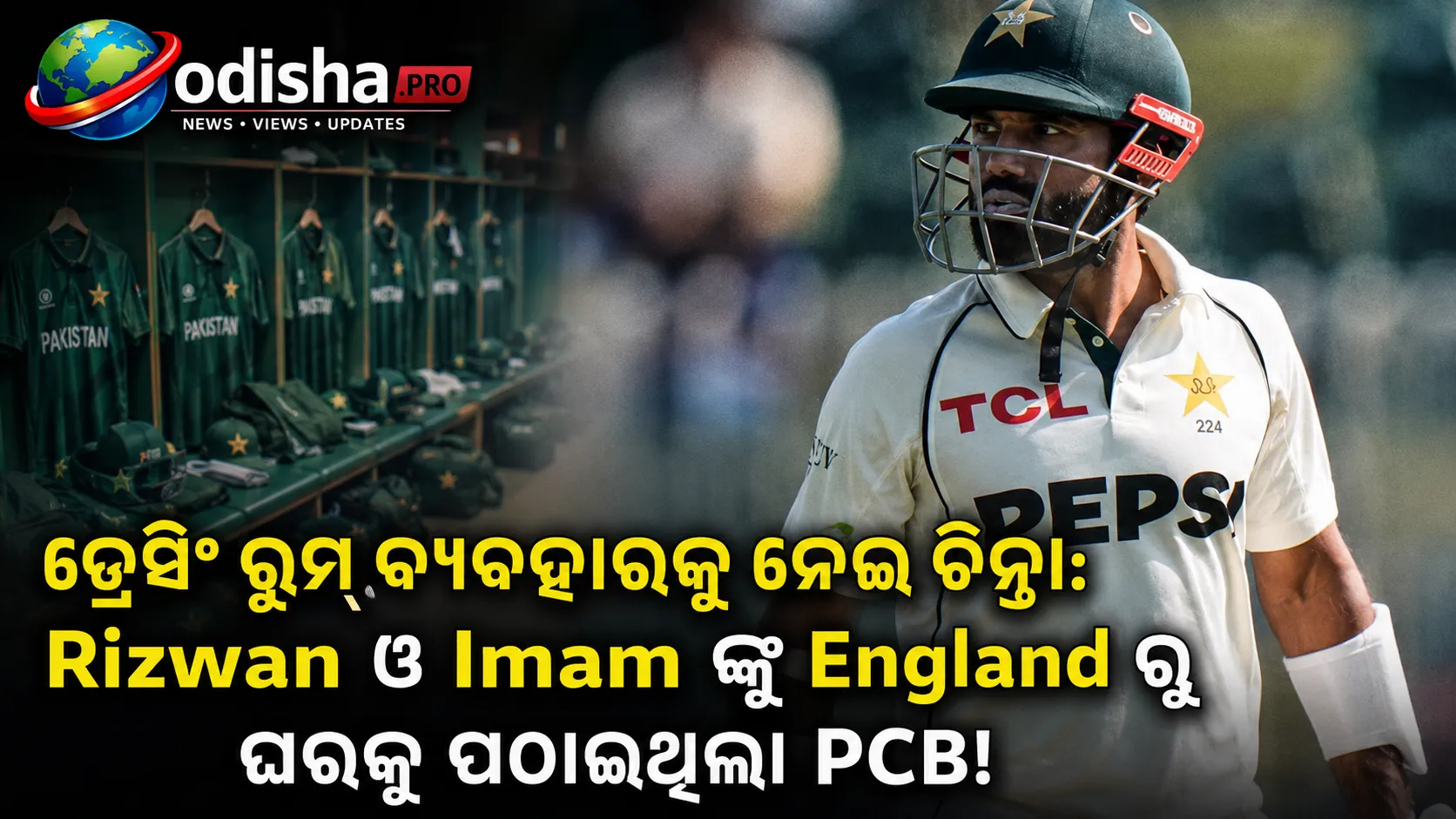
ପାକିସ୍ତାନ କ୍ରିକେଟ୍ ବୋର୍ଡ (PCB) ଏବେ ଦଳର ଚୟନ କମିଟି ଏ...

ଭାରତୀୟ ଟି-୨୦ ଦଳରେ ଓପନିଂ ଯୋଡ଼ିକୁ ନେଇ ପରୀକ୍ଷା ଜାରି ର...
ଜନ୍ତର ମନ୍ତରରେ କକ୍ରୋଚ୍ ଜନତା ପାର୍ଟି (CJP) ଆନ୍ଦୋଳନ ସମ...
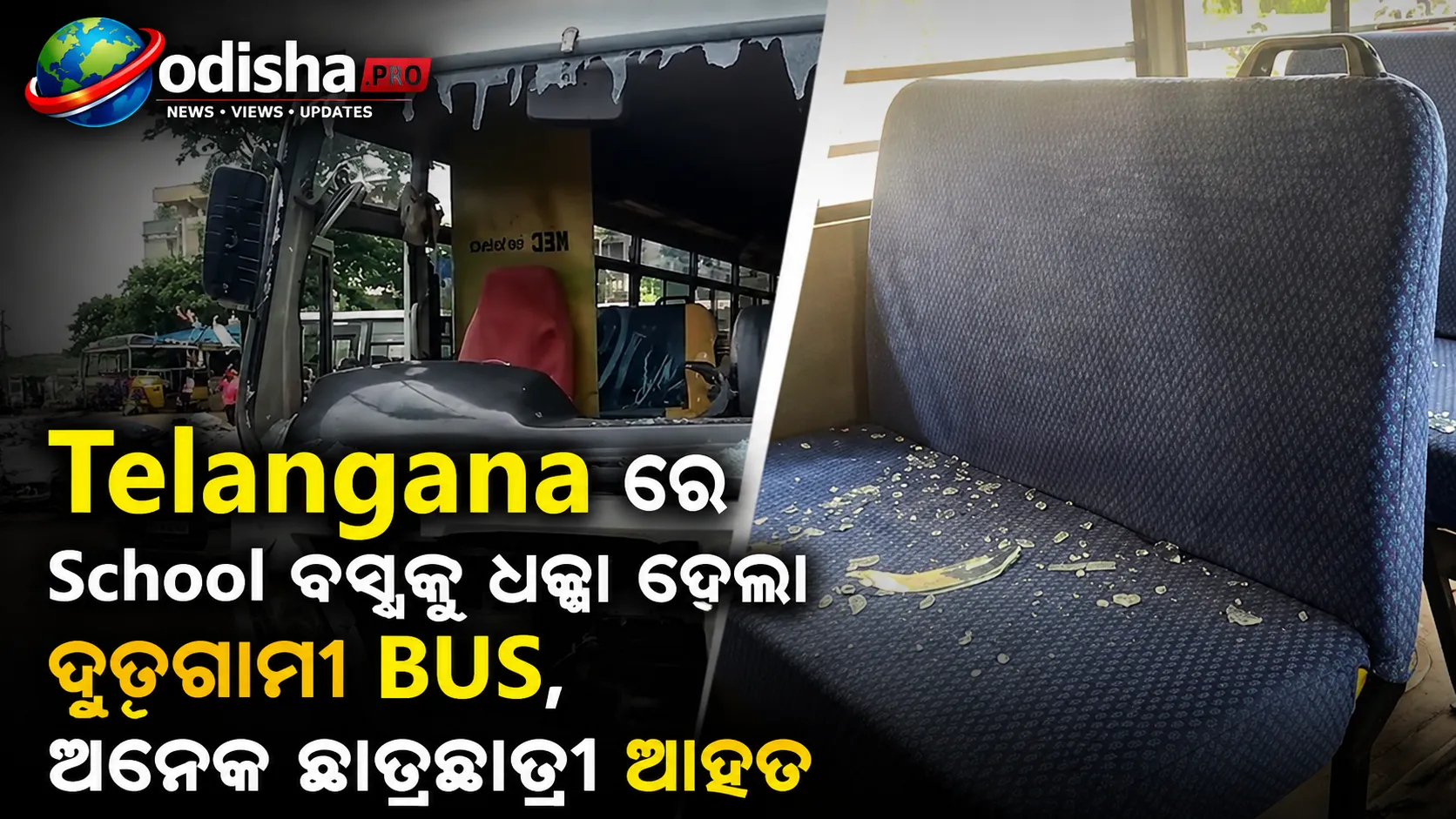
ତେଲେଙ୍ଗାନାର ରାଜନ୍ନା ସିରିସିଲ୍ଲା ଜିଲ୍ଲାର ସିରିସିଲ୍ଲା...
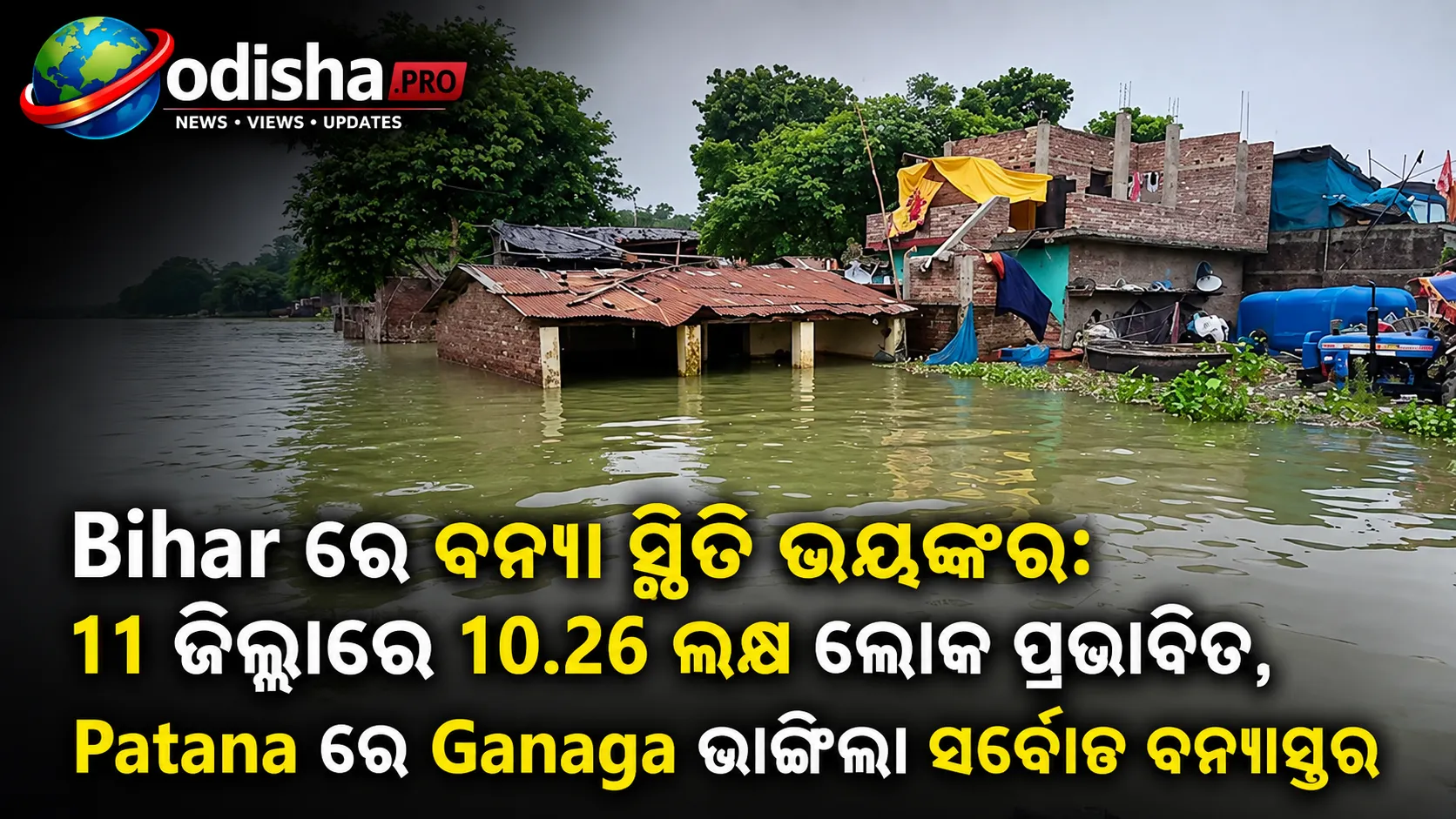
ବିହାରରେ ବନ୍ୟା ସ୍ଥିତି ଗମ୍ଭୀର ହୋଇପଡ଼ିଛି। ସରକାରୀ ବୁଲେ...

ଚେନ୍ନାଇ ସୁପର କିଙ୍ଗ୍ସର ପୂର୍ବତନ ଖେଳାଳିଏସ୍. ବଦ୍ରିନାଥଭ...
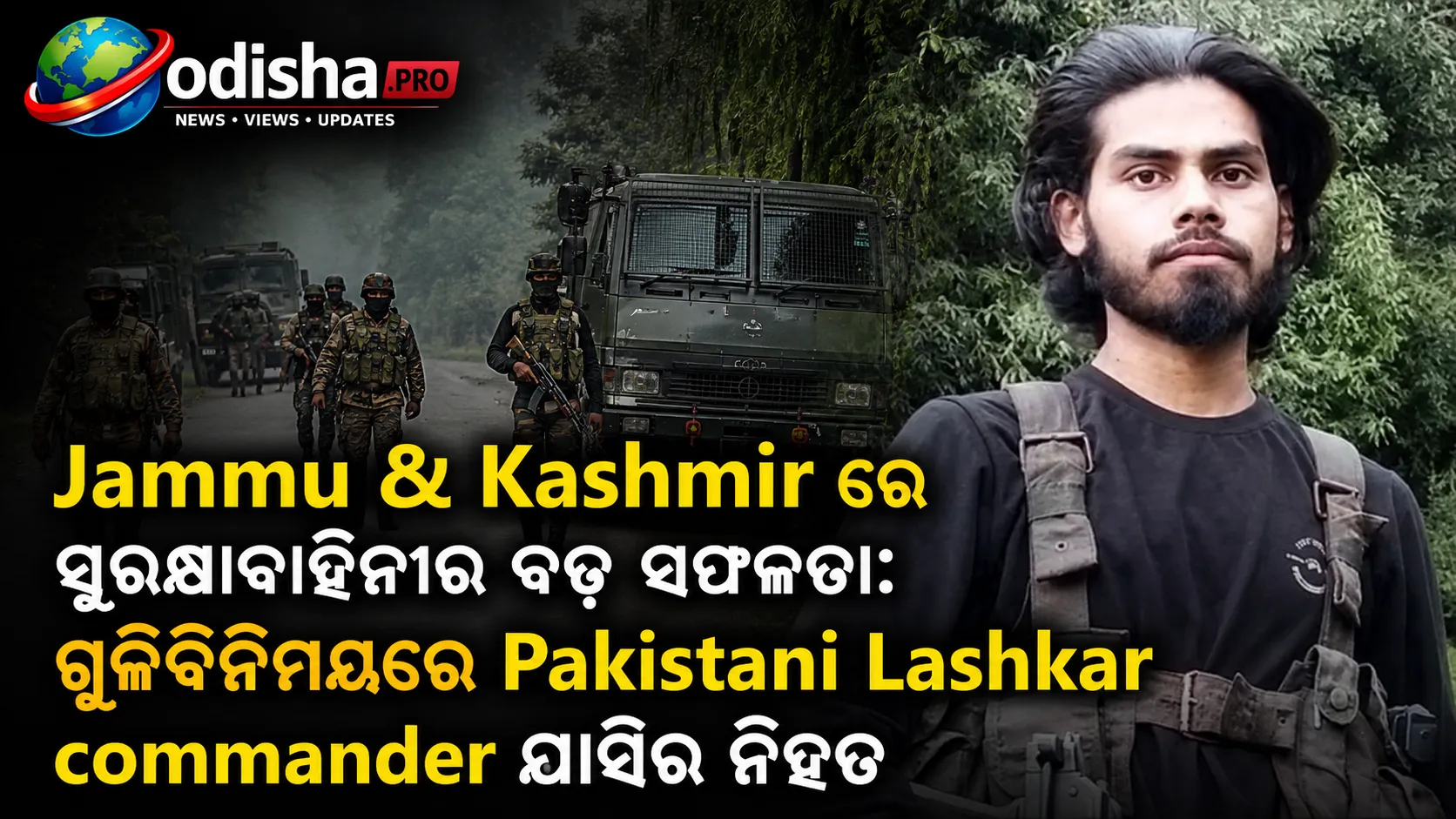
ଜମ୍ମୁ-କଶ୍ମୀରର କେନ୍ଦ୍ରୀୟ କଶ୍ମୀର ଅନ୍ତର୍ଗତ ବଡଗାମ ଜିଲ୍...
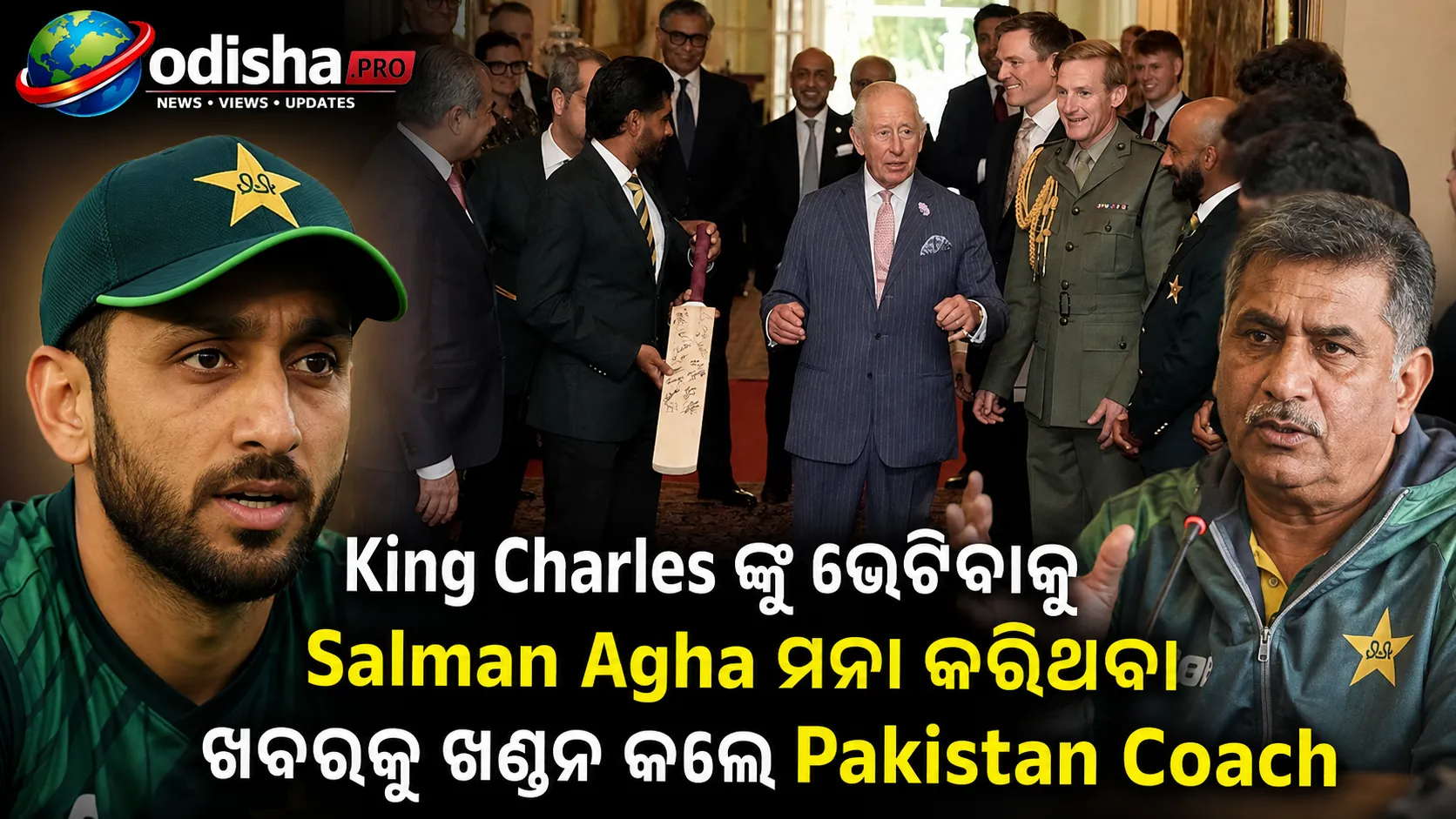
ଇଂଲଣ୍ଡ ବିପକ୍ଷ ଟେଷ୍ଟ ସିରିଜ୍ ମଧ୍ୟରେ ପାକିସ୍ତାନ କ୍ରିକେ...