
India produces one of the largest cohorts of engineering and technology graduates globally, yet many students struggle to move beyond classroom learning. While formal education builds theoretical foundations, access to environments where complex technical ideas can be tested remains limited for many young innovators.
Regional disparities exacerbate the challenge. Advanced learning resources, research infrastructure, industry mentorship, and peer networks are often concentrated in Tier-1 cities, leaving students from Tier-2 and Tier-3 cities with fewer opportunities for employability and entrepreneurial exposure. This disparity frequently determines who gets early career or startup opportunities, regardless of talent or technical capability.
The National Education Policy (NEP) 2020 emphasizes experiential learning, innovation, and entrepreneurship within higher education, urging institutions to move beyond rote learning and align education outcomes with job creation and enterprise development. Complementary initiatives such as Startup India and AICTE-led innovation programs are expanding support for student entrepreneurs, offering incubation, mentoring, and funding access—even for students from smaller cities.
Industry trends show a rising demand for graduates with hands-on project experience, particularly in deep-tech, software infrastructure, and emerging technology roles. Applied learning models, short-term residential fellowships, and collaborative workspaces allow students to build functional technical projects alongside formal education, translating theory into practical skills.
For aspiring entrepreneurs, early exposure to execution-focused environments is critical. Indian founders often develop resilience due to resource constraints, and structured learning spaces can enhance their long-term entrepreneurial capability. As India aligns education with employment and innovation goals, real-world problem-solving initiatives will play an increasingly important role in preparing students for both jobs and startups.
ନାବାଳିକା ନିଖୋଜ ପରେ ମିଳିଥିଲା ମୃତଦେହ ରିପୋର୍ଟ ଅନୁଯ...
୨୬ରେ ବାତ୍ୟା ରୂପ ନେବା ସମ୍ଭାବନା IMDର ବର୍ତ୍ତମାନର ଟ...
ହବିଷ୍ୟାଳିଙ୍କ ସୁରକ୍ଷା ଉପରେ ଗୁରୁତ୍ୱ ପୁରୀକୁ କାର୍ତ୍...
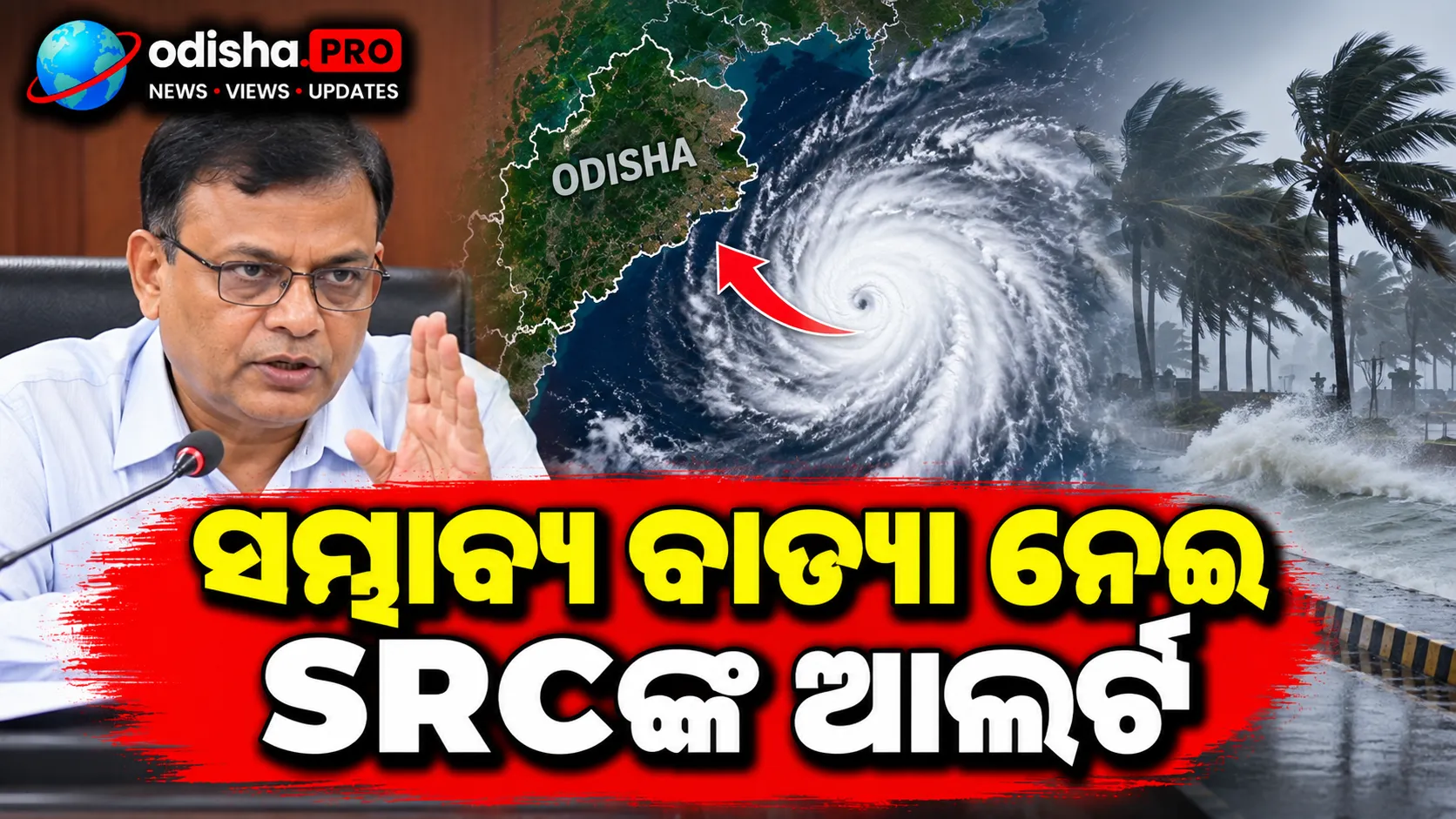
ଅକ୍ଟୋବର ୨୫ ପରେ ସ୍ପଷ୍ଟ ହେବ ଚିତ୍ର ବର୍ତ୍ତମାନ ସମୟରେ...
ସ୍ତନ କର୍କଟ ବା Breast Cancer ବିରୋଧରେ ଏକ ନୂଆ ଔଷଧକୁ ନ...
୧୩୭ କ୍ୟାନସର ଔଷଧରେ ଲାଗିଲା ମାର୍ଜିନ୍ କ୍ୟାପ୍ Nation...
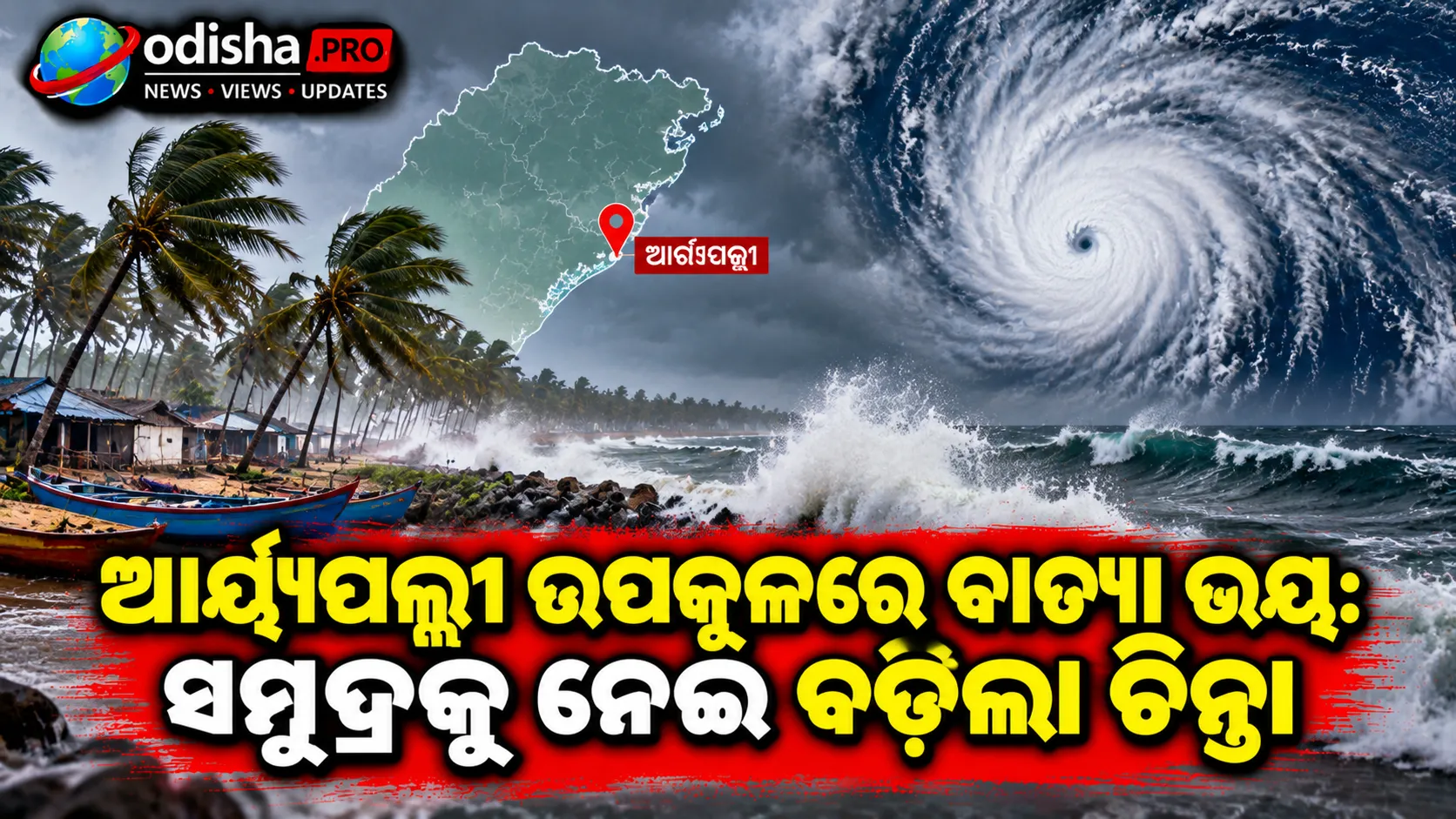
ବଙ୍ଗୋପସାଗରରେ ନୂଆ ପାଣିପାଗ ପ୍ରଣାଳୀ IMDର ସମୁଦ୍ର ବୁ...
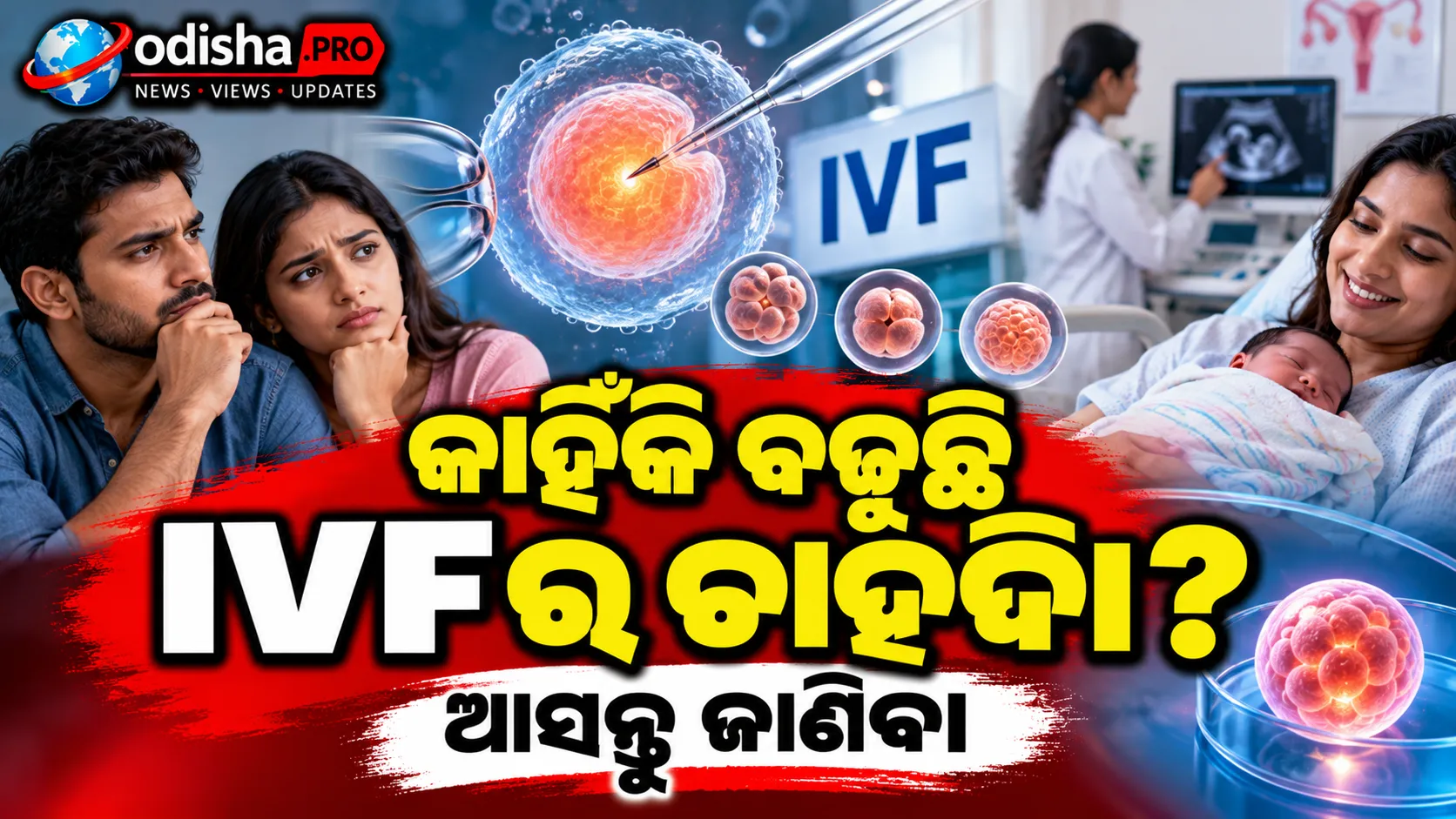
ବୟସ ବଢ଼ିବା ସହ ଫର୍ଟିଲିଟିରେ ପରିବର୍ତ୍ତନ ଅଧିକ ବୟସରେ...