



Bollywood is no longer content with telling standalone stories — it is building cinematic universes inspired by Hollywood, yet rooted in Indian sensibilities. These universes, featuring recurring characters, crossovers, and long-term storytelling, aim to create worlds that linger with audiences rather than rely on the fleeting impact of a single film. FromYash Raj Films’ spy universetoMaddock Films’ horror-comedy worldandRohit Shetty’s cop franchise, the ambition is clear: invest in franchises that endure.
Some universes began modestly and grew into box office juggernauts, while others launched with spectacle only to stumble as budgets and expectations soared. This raises a critical question: why doesn’t the cinematic universe formula always work in Bollywood, unlike in South Indian cinema?
The intent behind Bollywood universesProducer Girish Johar notes that the push is both creative and commercial: “If the storytelling is there, as a producer or production house, you want to create IPs.” Filmmaker Raghav Jairath adds a creative perspective: “The trend is exciting, but the question becomes: do we follow a trend or tell our own story?”
When universes succeed and failBox office trends show that scale and ambition don’t always guarantee success. Rohit Shetty’scop universestarted withSingham(2011), which earned ₹151.21 crore on a ₹40-crore budget. Sequels likeSimmba(₹390 crore) performed even better, but later films such asSingham Againsaw returns fall short of skyrocketing budgets. Maddock Films’horror-comedy universeexperienced a similar trajectory:Streebecame a cultural phenomenon, while follow-ups likeBhediyaunderperformed. Yash Raj Films’spy universesawPathaancross ₹1,000 crore, yetTiger 3fell short despite star power and scale. OTT spin-offs, like the IndianCitadelseriesHoney Bunny, also show that even established universes face diminishing returns if audience expectations are unmet.
Hype, stardom, and contentTrade experts say hype and star power can boost opening weekend numbers, but long-term success hinges on content. Johar emphasizes that while stardom drives initial footfall, audience expectations now demand strong storytelling. Jairath adds that continuity, writing, and narrative consistency are more important than any individual star. Tone consistency across different directors is also crucial — while style may vary, the story’s core must remain intact.
Audience fatigue and mythsCinematic universes can backfire if they prioritize spectacle over storytelling. Audiences are savvy; they reward content that progresses the story rather than just repackages familiar elements. Jairath warns that chasing trends or box office numbers can dilute intent and compromise storytelling. Johar calls out a common misconception: audiences may initially turn up for a franchise, but sustained success requires meaningful content.
The bottom lineCinematic universes are not a guaranteed formula for success in Bollywood. They can generate hype and draw audiences initially, but only compelling stories ensure long-term engagement. Successful franchises likeStree,Tiger Zinda Hai, andWardemonstrate that universes flourish when they grow organically. Conversely, follow-ups that overreach in ambition or budgets risk disappointing audiences.
Bollywood’s push to build its own cinematic universes isn’t misguided, but the industry must learn from past ebbs and flows. The key lesson: invest in stories worth returning to, and let the universe grow naturally around them.

ଭାରତର ପୂର୍ବତନ ଅଫ୍ ସ୍ପିନର ରବିଚନ୍ଦ୍ରନ ଅଶ୍ୱିନଙ୍କ ଏକ ହ...

ଦେଶରେ ଚିକିତ୍ସା ଶିକ୍ଷା ଓ ସ୍ୱାସ୍ଥ୍ୟସେବାକୁ ଆହୁରି ସୁଦୃ...

ଭାରତରେ ଦିନେ ଅଷ୍ଟ୍ରେଲିଆ ଓ ଇଂଲଣ୍ଡ ମଧ୍ୟରେ ଐତିହାସିକ ଆଶ...

ଗ୍ଲାସଗୋରେ ଆୟୋଜିତ କମନୱେଲ୍ଥ ଗେମ୍ସ ୨୦୨୬ ଅବସରରେ ପ୍ରଧାନ...

ଓଡ଼ିଶାର ବାଲେଶ୍ୱର ଜିଲ୍ଲାସ୍ଥିତ ପ୍ରସିଦ୍ଧପଞ୍ଚଲିଙ୍ଗେଶ୍ୱ...
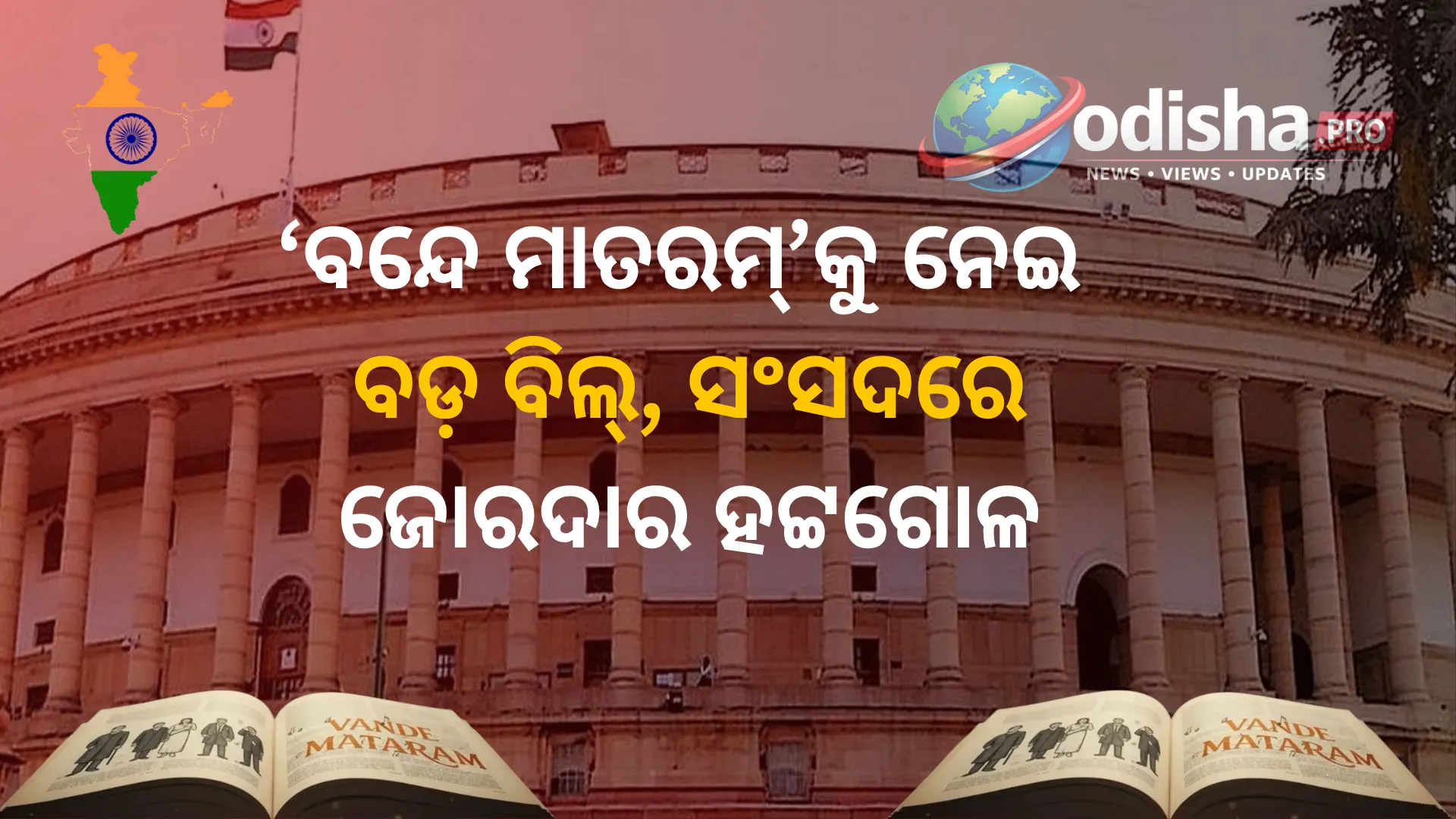
ସଂସଦର ମୌସୁମୀ ଅଧିବେଶନର ପ୍ରଥମ ସପ୍ତାହ ହଟ୍ଟଗୋଳ ମଧ୍ୟରେ...

ଲଗାଣ ବର୍ଷା ପରେ ସୁନ୍ଦରଗଡ଼ ଜିଲ୍ଲାରକୋଇଡ଼ା ବ୍ଲକରେ ଅସ୍ୱ...

କ୍ରିକେଟ୍ ପ୍ରେମୀଙ୍କ ପାଇଁ ଖୁସି ଖବର। ଭାରତ ଏବଂ ଆଫଗାନିସ...

ପ୍ରବଳ ବର୍ଷା ଯୋଗୁଁ ମୁମ୍ବାଇ ରେଳ ମଣ୍ଡଳରେ ରେଳ ଚଳାଚଳ ପ୍...

ଅଲିଭ୍ ରିଡଲେ ସାମୁଦ୍ରିକ କଇଁଛଙ୍କ ଜୀବନଚକ୍ରକୁ ନେଇ ହୋଇଥି...

ଓଡ଼ିଶାରମାଲକାନଗିରି ଜିଲ୍ଲାରେ ମାଓବାଦୀଙ୍କ ବଡ଼ ଷଡ଼ଯନ୍ତ୍...

ଦେଶର ବିଭିନ୍ନ ସ୍ଥାନରେ ଚାଲିଥିବା ଛାତ୍ର ଆନ୍ଦୋଳନ ଏବଂ ପ୍...