







“Revolution is not the cult of the bomb and pistol. Revolution is an inalienable right of mankind.”
These powerful words come from Bhagat Singh, one of India’s most influential freedom fighters and political thinkers.
Written nearly a century ago, the message behind the quote remains strikingly relevant today. It reflects Bhagat Singh’s belief that lasting change does not emerge from violence alone, but from ideas, justice, and the courage to confront oppression. Although he is often remembered for his dramatic actions against British rule, Bhagat Singh viewed himself first and foremost as a thinker. His idea of revolution extended far beyond weapons or confrontation.
For Bhagat Singh, revolution meant building a society rooted in dignity, equality, and freedom—where people are empowered to question injustice and demand change.
Bhagat Singh was born on September 28, 1907, in Lyallpur (now in Pakistan), into a family deeply involved in India’s freedom struggle. From a young age, he was drawn to revolutionary politics and later became a key member of the Hindustan Socialist Republican Association (HSRA).
His actions—including the symbolic bombing of the Central Legislative Assembly and the assassination of British officer J.P. Saunders—made him one of the most prominent figures of the independence movement. Bhagat Singh was executed by the British on March 23, 1931, at just 23 years old. Yet his ideas, writings, and courage ensured that his influence would endure far beyond his lifetime.
When Bhagat Singh said that revolution is not about bombs and pistols, he was rejecting the belief that violence alone could bring meaningful change. He argued that true revolution requires a transformation of society—politically, socially, and economically.
By calling revolution an “inalienable right,” he affirmed that people possess a natural right to resist oppression. No empire, government, or authority can legitimately deny this right. For Bhagat Singh, questioning power was not an act of rebellion, but a moral responsibility.
The quote also reminds us that protest and resistance, when directed against injustice, are not crimes but essential acts of conscience.
In a world where young people continue to challenge inequality, corruption, and injustice, Bhagat Singh’s words remain deeply relevant. He believed that change begins when individuals refuse to accept unfair systems as inevitable.
His message is not a call for chaos or destruction, but for awareness, courage, and collective responsibility—the right to imagine and demand a better future.
“They may kill me, but they cannot kill my ideas.”Reflects his faith in the enduring power of thought.
“Merciless criticism and independent thinking are the two necessary traits of revolutionary thinking.”Highlights the importance of questioning authority.
“It is easy to kill individuals, but you cannot kill ideas.”A reminder that ideas outlive violence.
“The sword of revolution is sharpened on the whetting stone of ideas.”Emphasizes how thought inspires action.
Together, these words show why Bhagat Singh remains not just a freedom fighter, but a timeless voice—one that continues to challenge society to think critically, question power, and act with courage.
କଟକର ଏସ୍ସିବି ମେଡିକାଲ କଲେଜ ଓ ହସ୍ପିଟାଲ ପୁଣିଥରେ ଚିକିତ...

ମଧ୍ୟପୂର୍ବରେ ପୁଣି ଥରେ ଉତ୍ତେଜନା ବଢ଼ିବା ସହ ଯୁଦ୍ଧର ଆଶଙ...

ଉତ୍ତର-ପଶ୍ଚିମ ବଙ୍ଗୋପସାଗର ସଂଲଗ୍ନ ଗାଙ୍ଗେୟ ପଶ୍ଚିମବଙ୍ଗ...
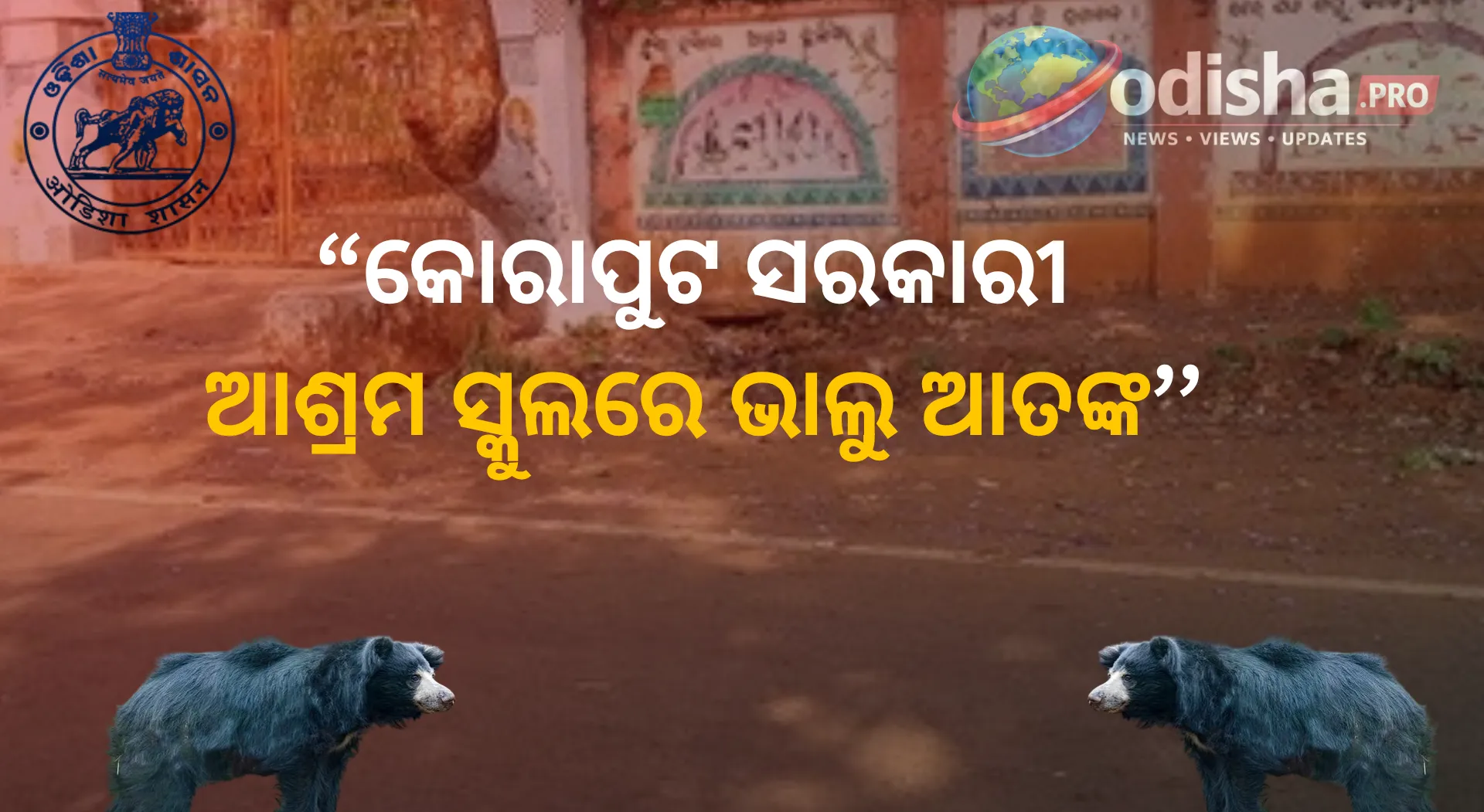
କୋରାପୁଟ ଜିଲ୍ଲାର ବୋରିଗୁମ୍ମା ବ୍ଲକ ଅନ୍ତର୍ଗତ ନୂଆଗାଁ ସର...

ଶିକ୍ଷକ ଅଭାବ ମଧ୍ୟରେ ଦୁଇଜଣ ଶିକ୍ଷକଙ୍କ ବଦଳିକୁ ବିରୋଧ କର...

ଶୁକ୍ରବାର ବିଳମ୍ବିତ ରାତିରୁ ଲାଗି ରହିଥିବା ପ୍ରବଳ ବର୍ଷା...
ଓଡ଼ିଶାର ସବୁଠାରୁ ବଡ଼ ରେଫରାଲ୍ ହସ୍ପିଟାଲ କଟକସ୍ଥିତ ଏସ୍ସ...
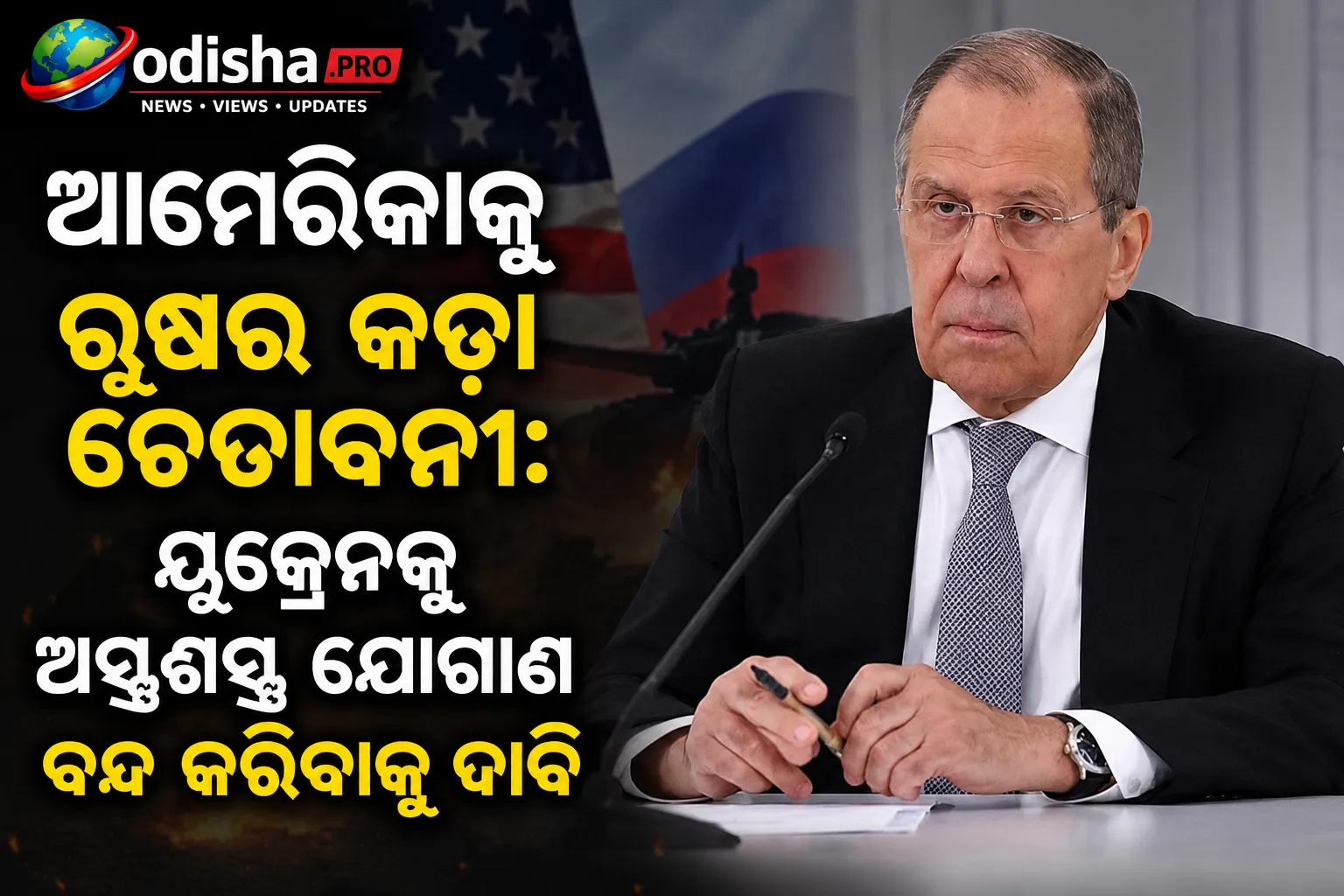
ଫିଲିପାଇନ୍ସର ରାଜଧାନୀ ମାନିଲାରେ ଆୟୋଜିତ ଆସିଆନ୍ ବୈଦେଶିକ...

ଆମେରିକା ଓ ଇରାନ ମଧ୍ୟରେ ବଢ଼ୁଥିବା ସାମରିକ ସଂଘର୍ଷର ପ୍ରଭ...
ଗଜପତି ଜିଲ୍ଲାର ମୋହନା କମ୍ୟୁନିଟି ହେଲ୍ଥ ସେଣ୍ଟର (ସିଏଚ୍ସ...
ଓଡ଼ିଶାରେ କୋଭିଡ୍-୧୯ ମାମଲାକୁ ନେଇ ଜନସ୍ୱାସ୍ଥ୍ୟ ବିଭାଗ ପ...
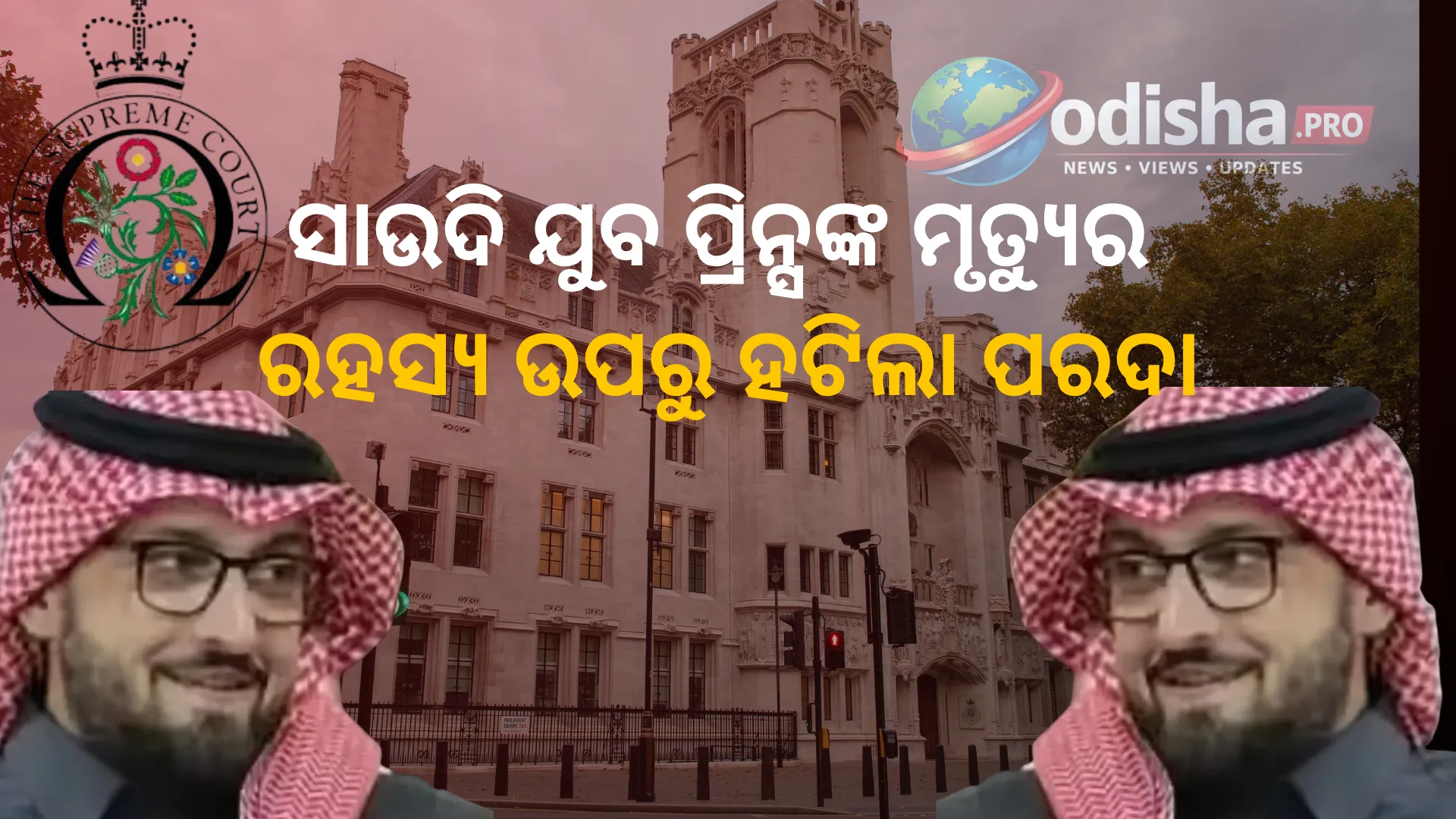
ସାଉଦି ଆରବର ଯୁବ ପ୍ରିନ୍ସ ଅବ୍ଦୁଲ୍ଲା ବିନ୍ ଫହଦ ବିନ୍ ଅବଦ...