



Iranians were able to make phone calls abroad Tuesday for the first time in days after authorities cut communications during a crackdown on nationwide protests, which activists say have killed at least 646 people. The calls provided a rare glimpse of life in Tehran after weeks of isolation.
Witnesses described heavy security in central Tehran, burned government buildings, smashed ATMs, and few people on the streets. Shops were open, but foot traffic was low, and banks struggled to complete transactions without the internet. Security forces, including anti-riot police and members of the Revolutionary Guard’s Basij force, were visibly patrolling streets and public spaces. Authorities also appeared to be searching for Starlink satellite terminals in northern Tehran.
Despite the repression, many Iranians remain concerned about the future, including possible strikes, while discussing U.S. President Donald Trump’s comments on potentially using military force to protect protesters. Trump also indicated that Iran seeks negotiations with Washington.
Supreme Leader Ayatollah Ali Khamenei praised pro-government demonstrations nationwide and warned against relying on “traitorous mercenaries.” State television aired chants of “Death to America” and “Death to Israel,” and Iran’s attorney general threatened death penalties for protest participants.
Iranian Foreign Minister Abbas Araghchi said communication with U.S. envoy Steve Witkoff continued despite the protests, though he criticized Washington’s proposals as incompatible. Meanwhile, the U.S. imposed 25% tariffs on countries trading with Iran in response to the crackdown.
Over 10,700 people have been detained in the two weeks of unrest, according to the Human Rights Activists News Agency, which reported 512 protesters and 134 security force members dead. With internet access limited, independent verification of casualties remains difficult, and the Iranian government has not released overall figures.
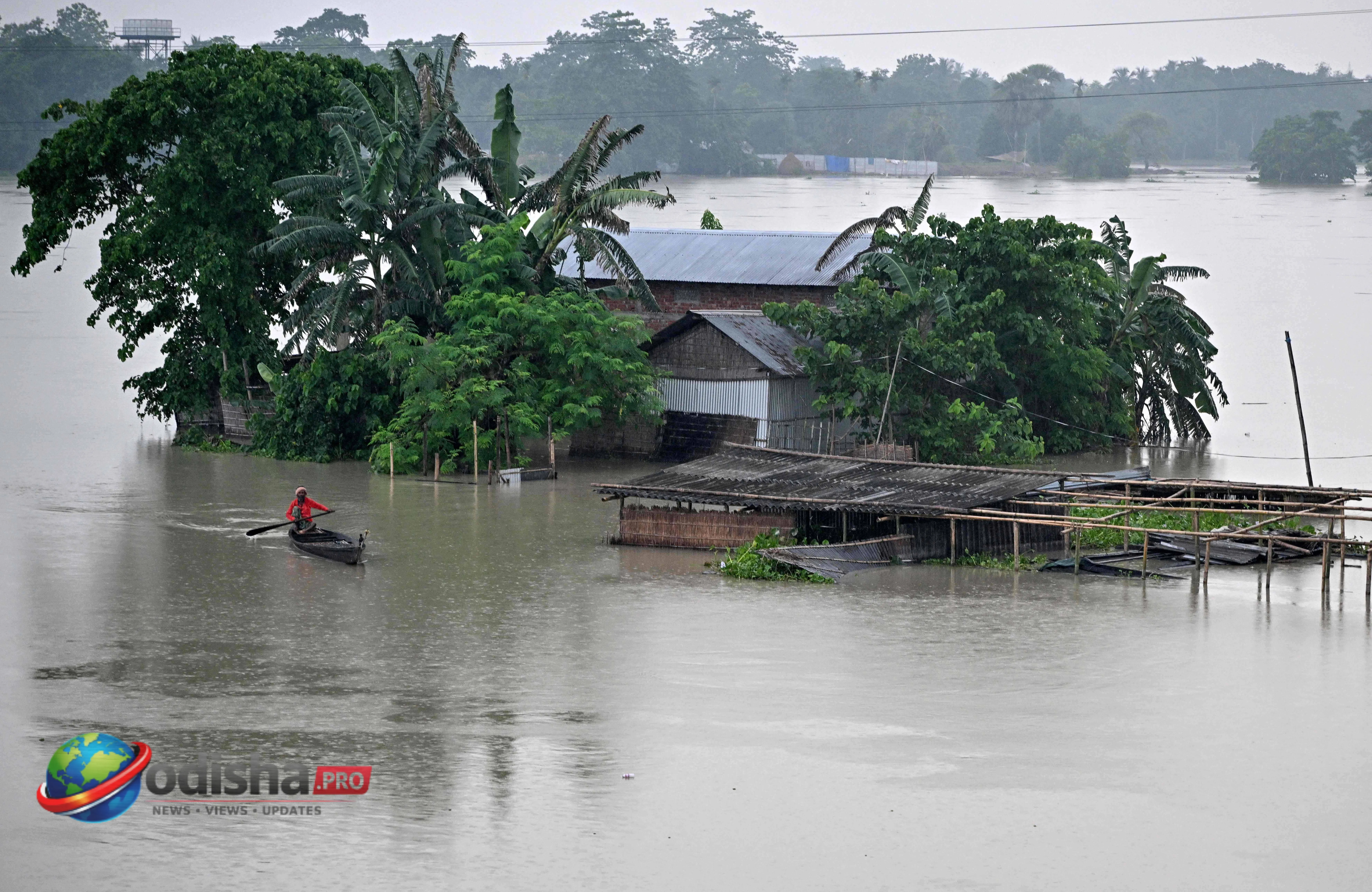
ଲଗାଣ ବର୍ଷା ପରେ ଆସାମରେ ପ୍ରକୃତିର ପ୍ରଳୟଙ୍କରୀ ରୂପ ଦେଖି...

ମାର୍ଭେଲ୍ ପ୍ରେମୀଙ୍କ ପାଇଁ ଆସିଛି ବଡ଼ ଖୁସି ଖବର। ଅଭିନେତ...
ରାଜଧାନୀ ଦିଲ୍ଲୀରେ ଚାଲିଥିବା ତୀବ୍ର ପ୍ରତିବାଦ ଓ ଆନ୍ଦୋଳନ...

ଲୋକପ୍ରିୟ ଅଭିନେତ୍ରୀ ଜେନିଫର ୱିଙ୍ଗେଟ୍ ନିଜ ଜୀବନର ଏକ ନୂ...
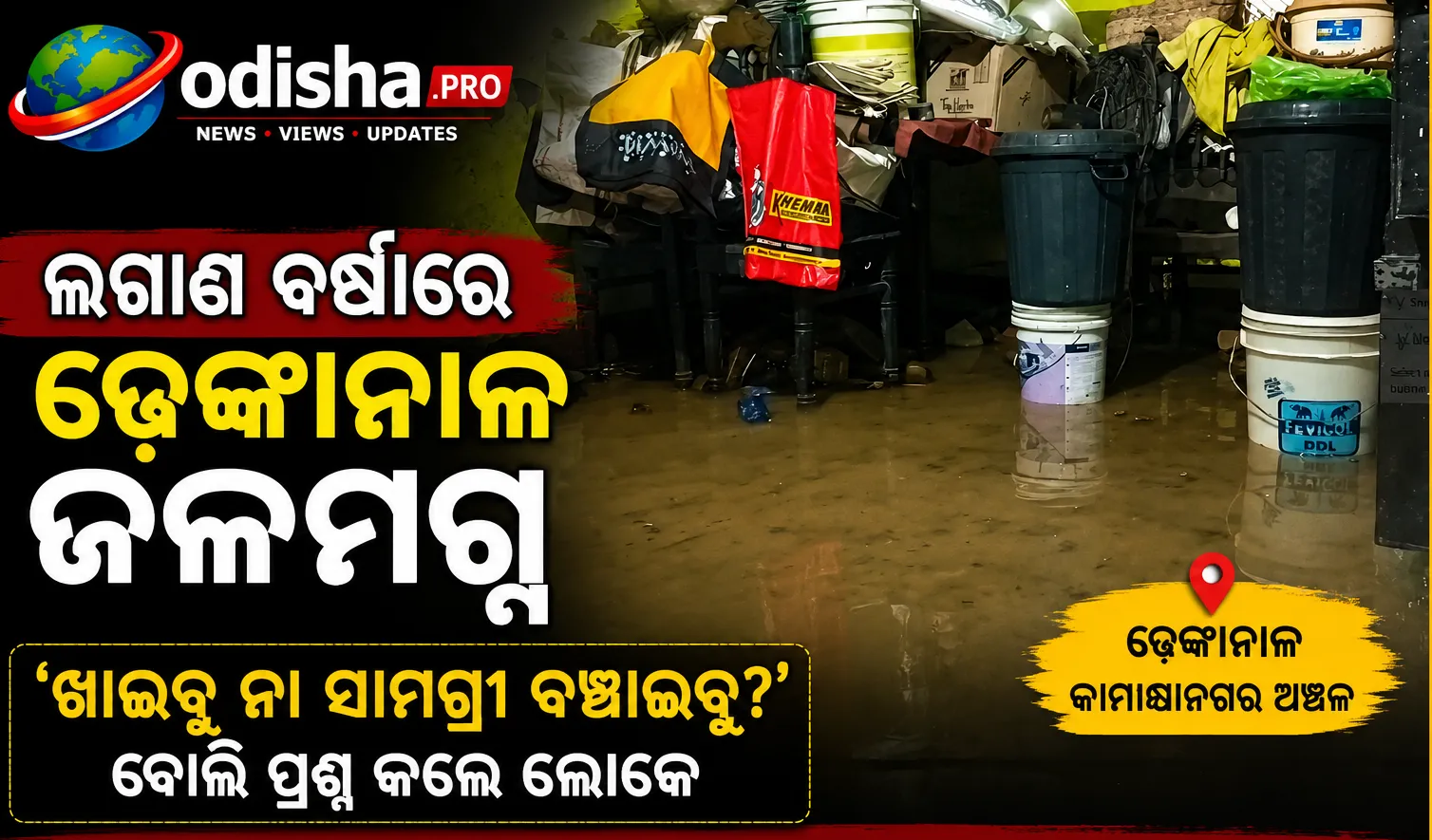
ଲଘୁଚାପ ପ୍ରଭାବରେ ଲଗାଣ ବର୍ଷା ଯୋଗୁଁ ଢେଙ୍କାନାଳ ଜିଲ୍ଲାର...
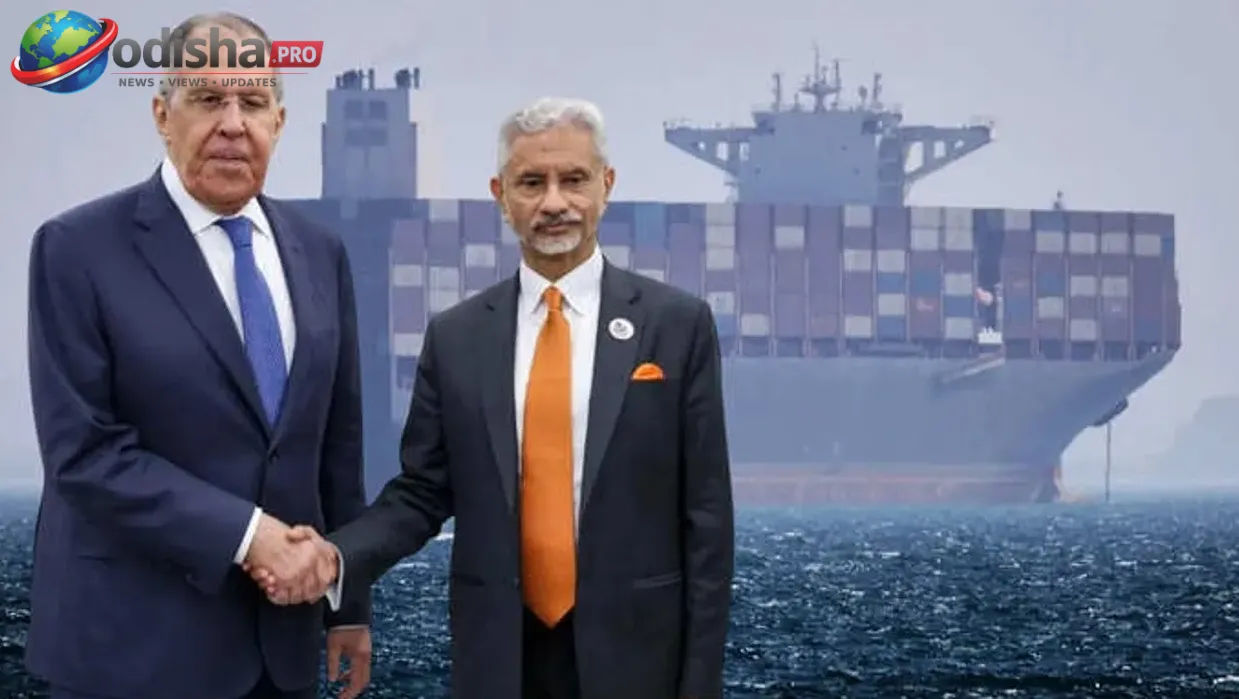
: ୟୁକ୍ରେନ ସଂଘର୍ଷ ଅଞ୍ଚଳରେ କାର୍ଯ୍ୟରତ ଭାରତୀୟ ନାବିକଙ୍କ...
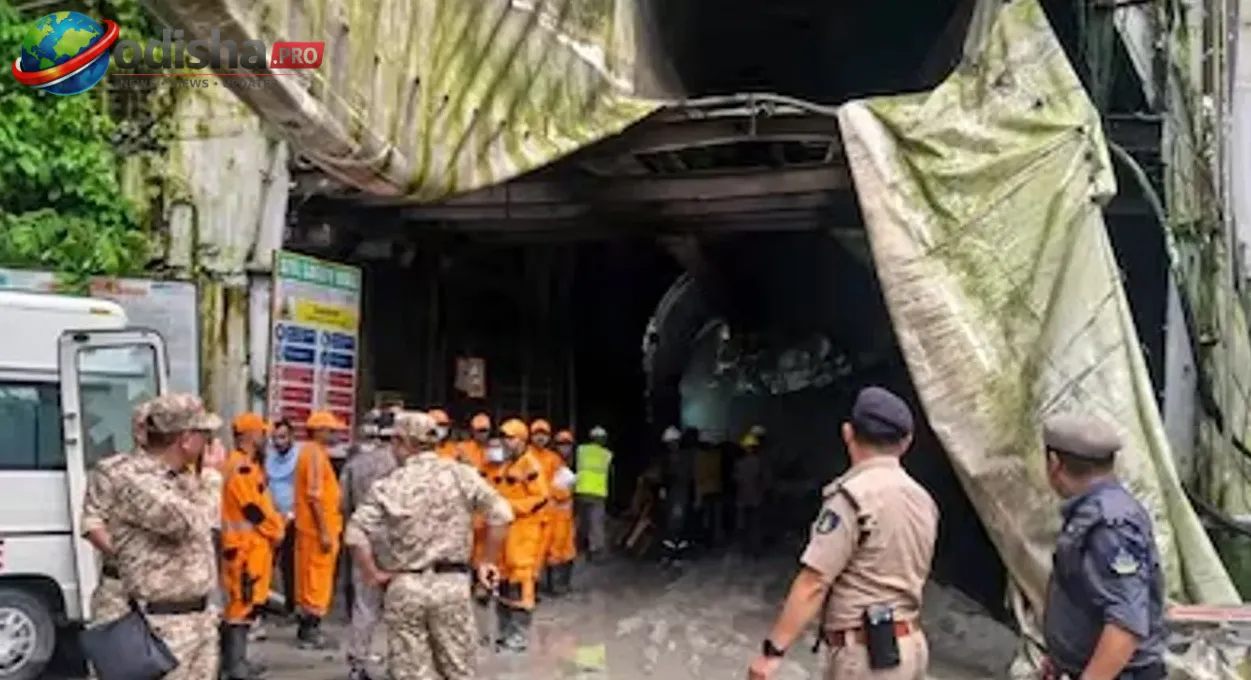
ସିକ୍କିମରେ ଘଟିଥିବା ଭୟଙ୍କର ଟନେଲ ଦୁର୍ଘଟଣା ସମଗ୍ର ଦେଶକୁ...
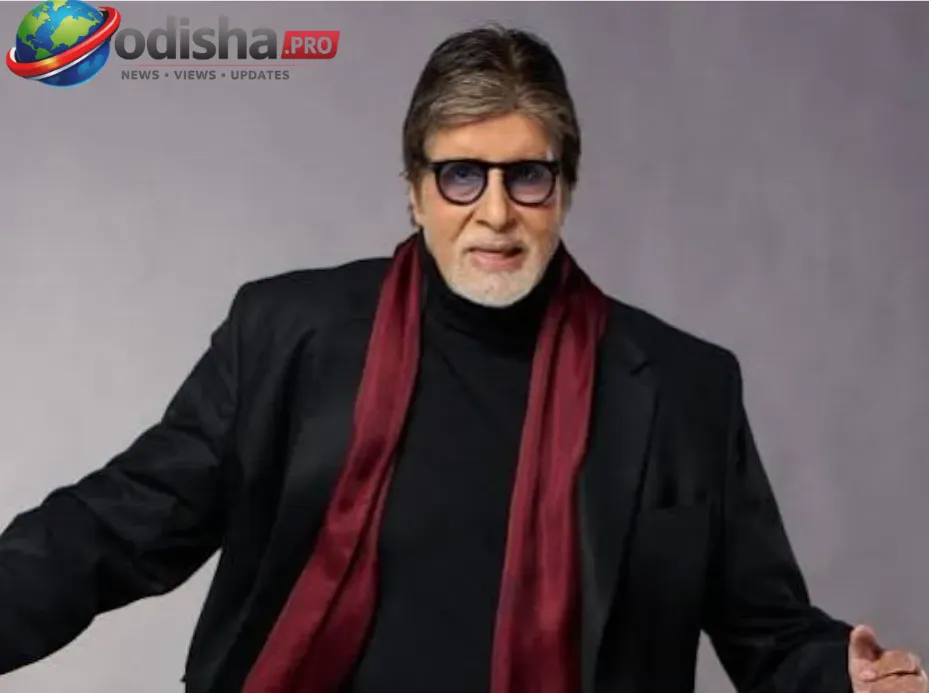
ବଲିଉଡ୍‌ର ‘ଶେହେନଶାହ’ ଅମିତାଭ ବଚ୍ଚନଙ...
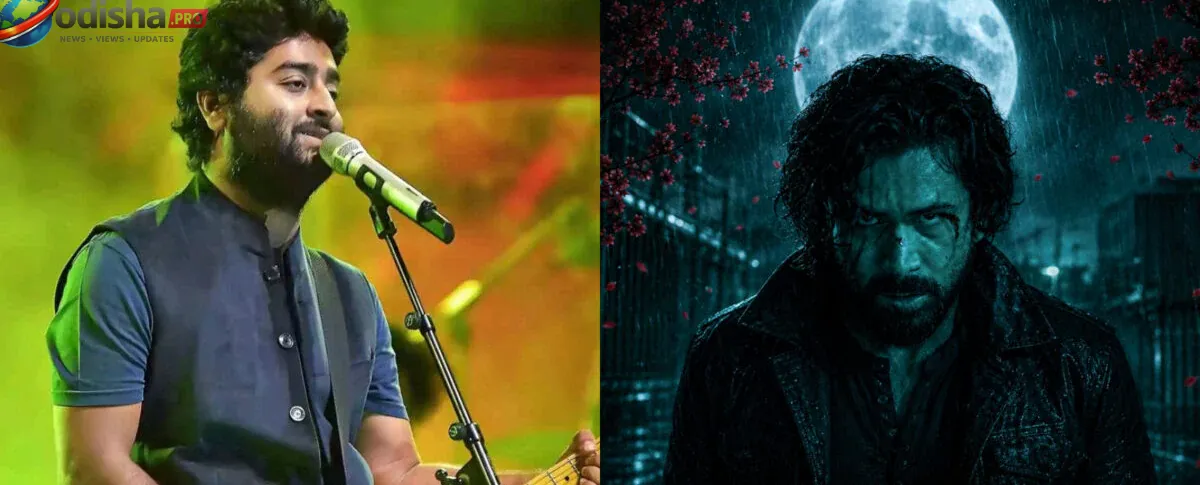
୨୦୨୬ର ବହୁ ପ୍ରତୀକ୍ଷିତ ବଲିଉଡ୍ ଫିଲ୍ମ ‘ଅୱାରାପନ୍...

ଯାତ୍ରୀ ସୁରକ୍ଷାକୁ ଅଧିକ ଆଧୁନିକ ଓ ସୁଦୃଢ଼ କରିବା ଲକ୍ଷ୍ୟ...

ପବିତ୍ର ବାହୁଡ଼ା ଯାତ୍ରା ପାଇଁ ପୁରୀରେ ପ୍ରସ୍ତୁତି ଜୋରଦାର...
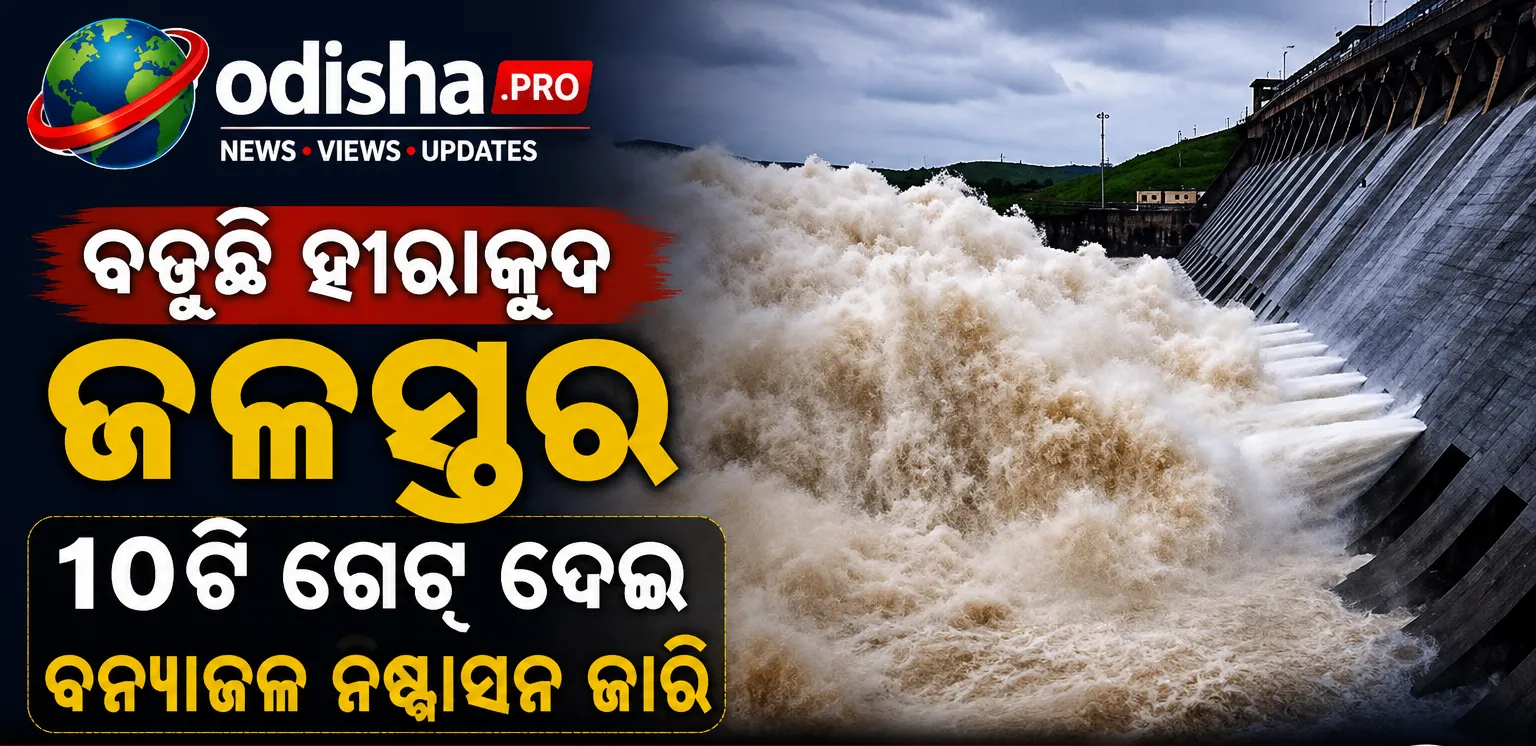
ରାଜ୍ୟରେ ଲଘୁଚାପଜନିତ ବର୍ଷା ଜାରି ରହିଥିବାରୁ ହୀରାକୁଦ ଜଳ...