





The International Cricket Council is facing one of its biggest administrative crises ahead of the T20 World Cup as Pakistan and Bangladesh appear to have aligned their positions against India, complicating efforts to salvage the tournament’s most valuable fixture.
Hours before the ICC’s scheduled meeting with the Pakistan Cricket Board, Bangladesh Cricket Board president Aminul Islam Bulbul landed in Lahore, signalling Dhaka’s active involvement in negotiations. According to sources, Pakistan is pushing for Bangladesh to be included at the discussion table as the ICC attempts to convince the PCB to withdraw its boycott of the India vs Pakistan match.
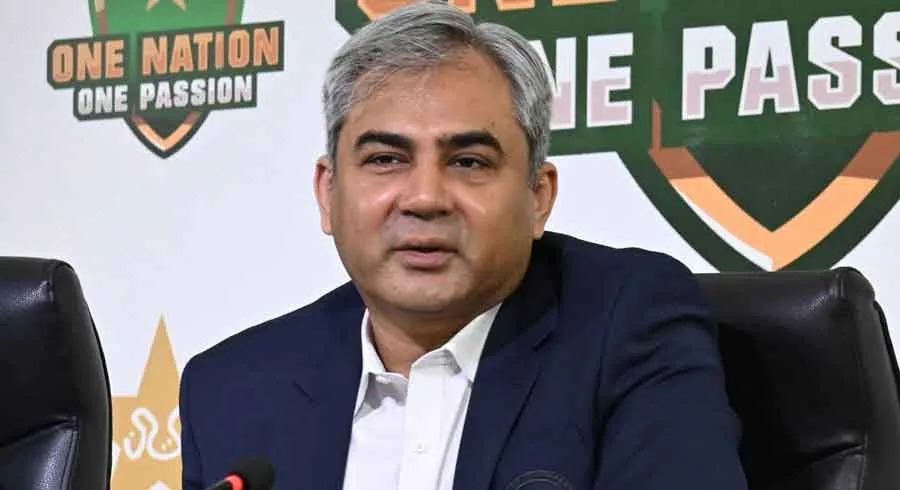
The emergency meeting, expected to take place via Zoom on Sunday evening, will involve ICC CEO Sanjog Gupta, PCB chairman Mohsin Naqvi, and Bulbul. The world body is scrambling to prevent further damage to the tournament’s integrity after Pakistan announced it would not play India on February 15 in Colombo.
The controversy began when Bangladesh refused to travel to India for the T20 World Cup, citing security concerns. Backed by its interim government, Bangladesh formally requested the ICC to shift its matches to Sri Lanka, the tournament’s co-host. The ICC rejected the request and replaced Bangladesh with Scotland, triggering political and cricketing fallout across the region.
Pakistan escalated the issue by announcing its boycott of the India match, a decision taken on instructions from Prime Minister Shehbaz Sharif’s government. Islamabad framed the move as a protest against Bangladesh’s exclusion, arguing that politics should not interfere with sport.
From the ICC’s perspective, the stakes could not be higher. An India vs Pakistan match is the single most lucrative fixture in global cricket, driving broadcast deals, sponsorship revenue and advertising interest. Any cancellation would significantly dent the tournament’s commercial value, with ripple effects across ICC revenues and annual distributions to member boards.
While Bangladesh has already been removed from the tournament and stands to gain nothing from the current broadcast cycle, the long-term implications remain severe. A reduction in ICC revenues would affect all member nations, including Bangladesh and Pakistan, in future funding allocations.
Bangladesh’s political leadership has openly backed Pakistan’s stance. Sports adviser Asif Nazrul publicly thanked Islamabad for boycotting the India match in solidarity with Dhaka, further hardening positions ahead of ICC mediation.
With Bulbul’s presence in Lahore and both boards presenting a coordinated front, the ICC now finds itself attempting damage control in a dispute that has moved well beyond cricket. As the world body seeks an “amicable solution,” questions remain over whether commercial pressure, governance authority, or political realities will ultimately decide the fate of the tournament’s biggest match.
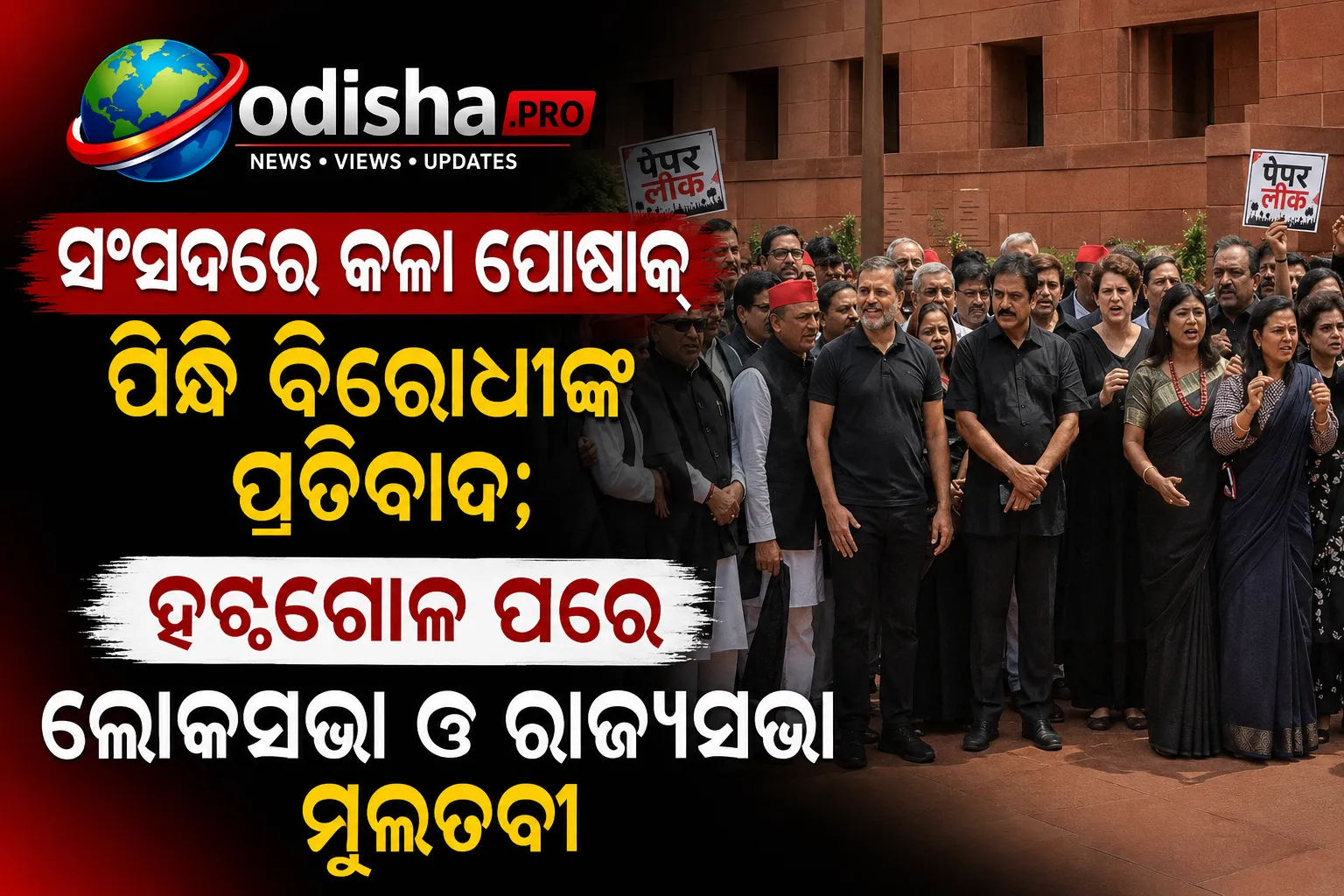
ସଂସଦର ମୌସୁମୀ ଅଧିବେଶନର ତୃତୀୟ ଦିନ ବୁଧବାର ବିରୋଧୀ ସାଂସ...
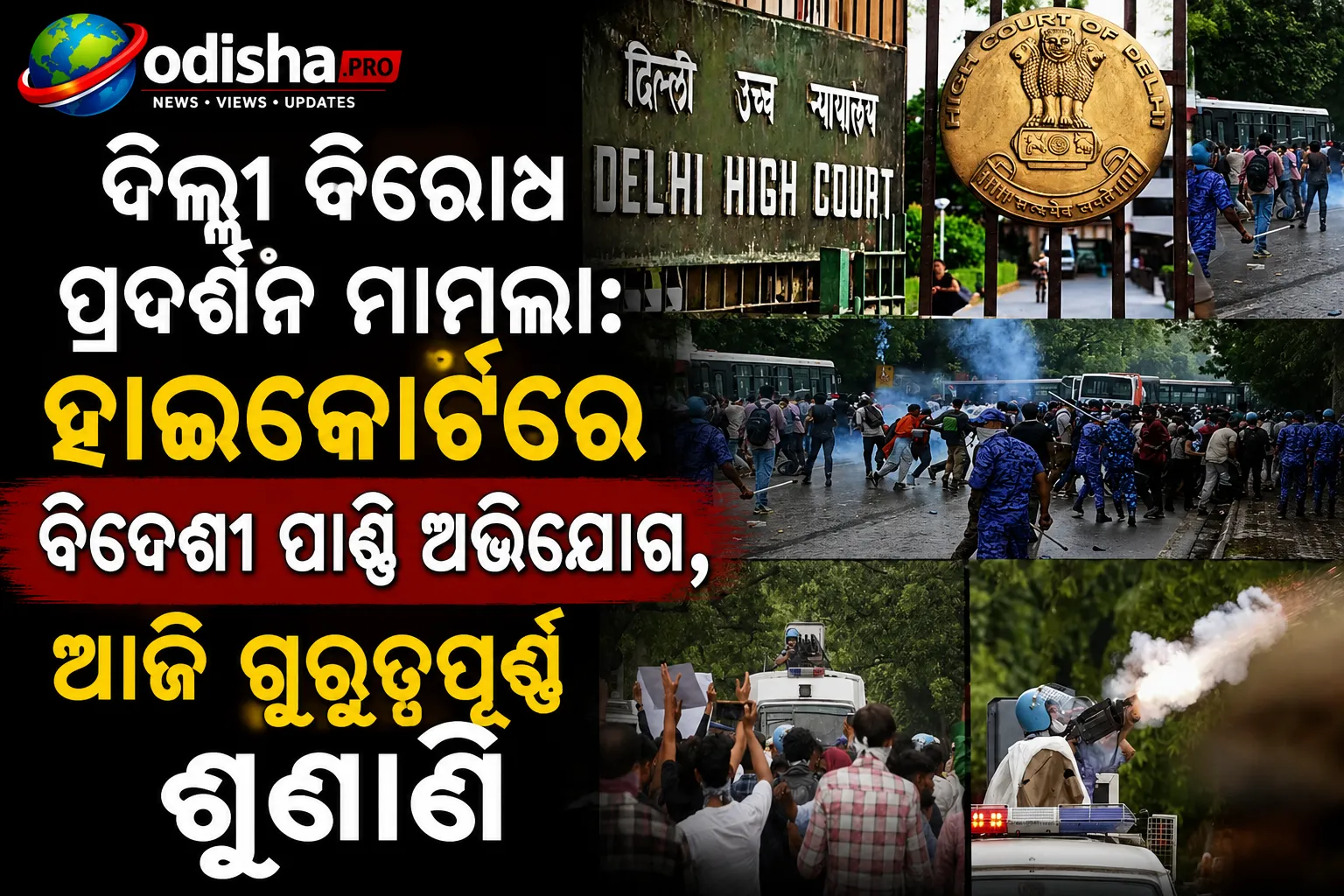
ରାଜଧାନୀ ଦିଲ୍ଲୀରେ ଚାଲିଥିବା ତୀବ୍ର ପ୍ରତିବାଦ ଓ ଆନ୍ଦୋଳନ...
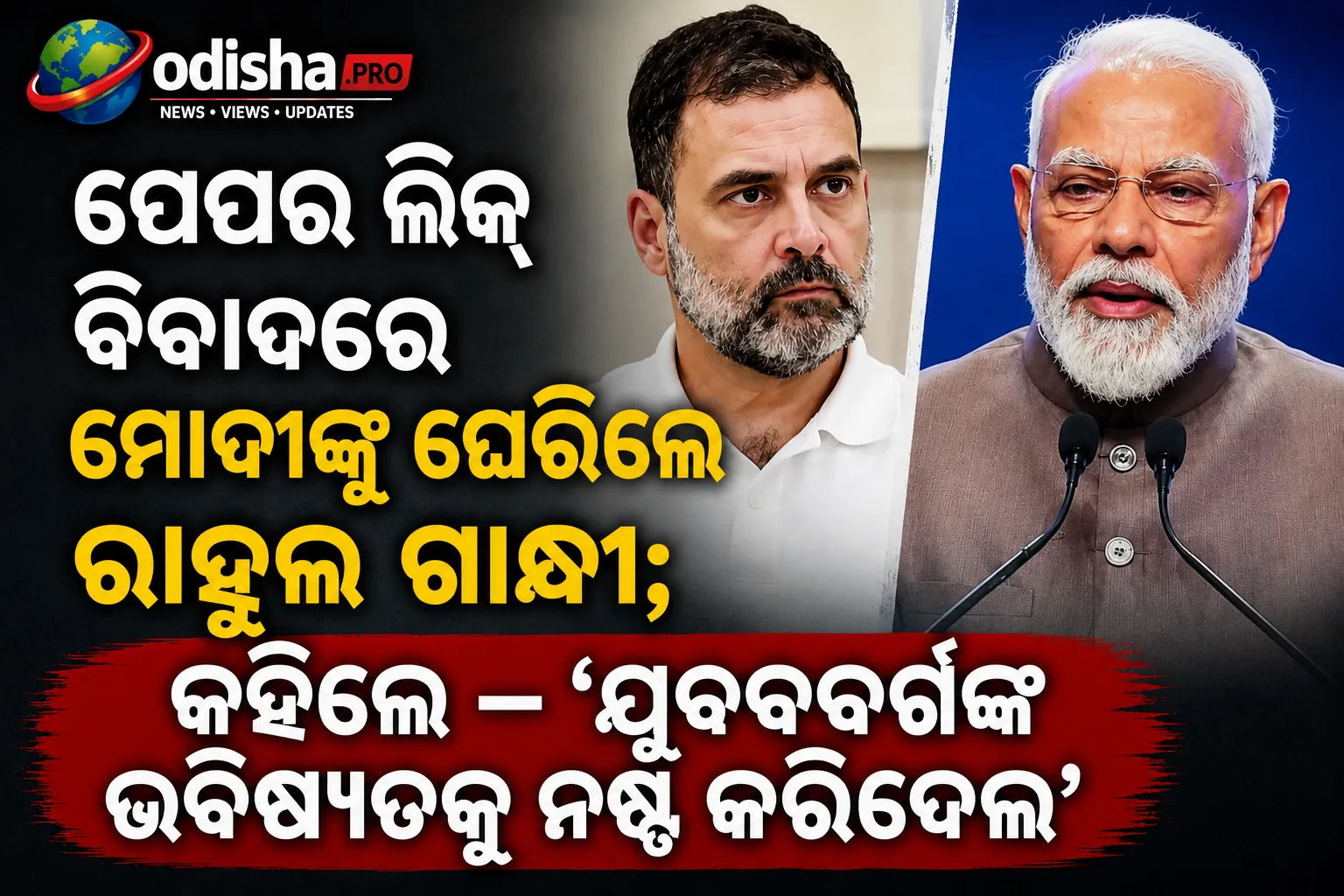
ଦେଶରେ ପେପର ଲିକ୍ ବିବାଦ ଏବେ ଚରମ ସୀମାରେ ପହଞ୍ଚିଛି। ଏହି...
ଅଦାନୀ ଗ୍ରୁପ୍‌ର ଅଦାନୀ ଏନର୍ଜି ସଲ୍ୟୁସନ୍ସ ଲିମିଟେଡ...
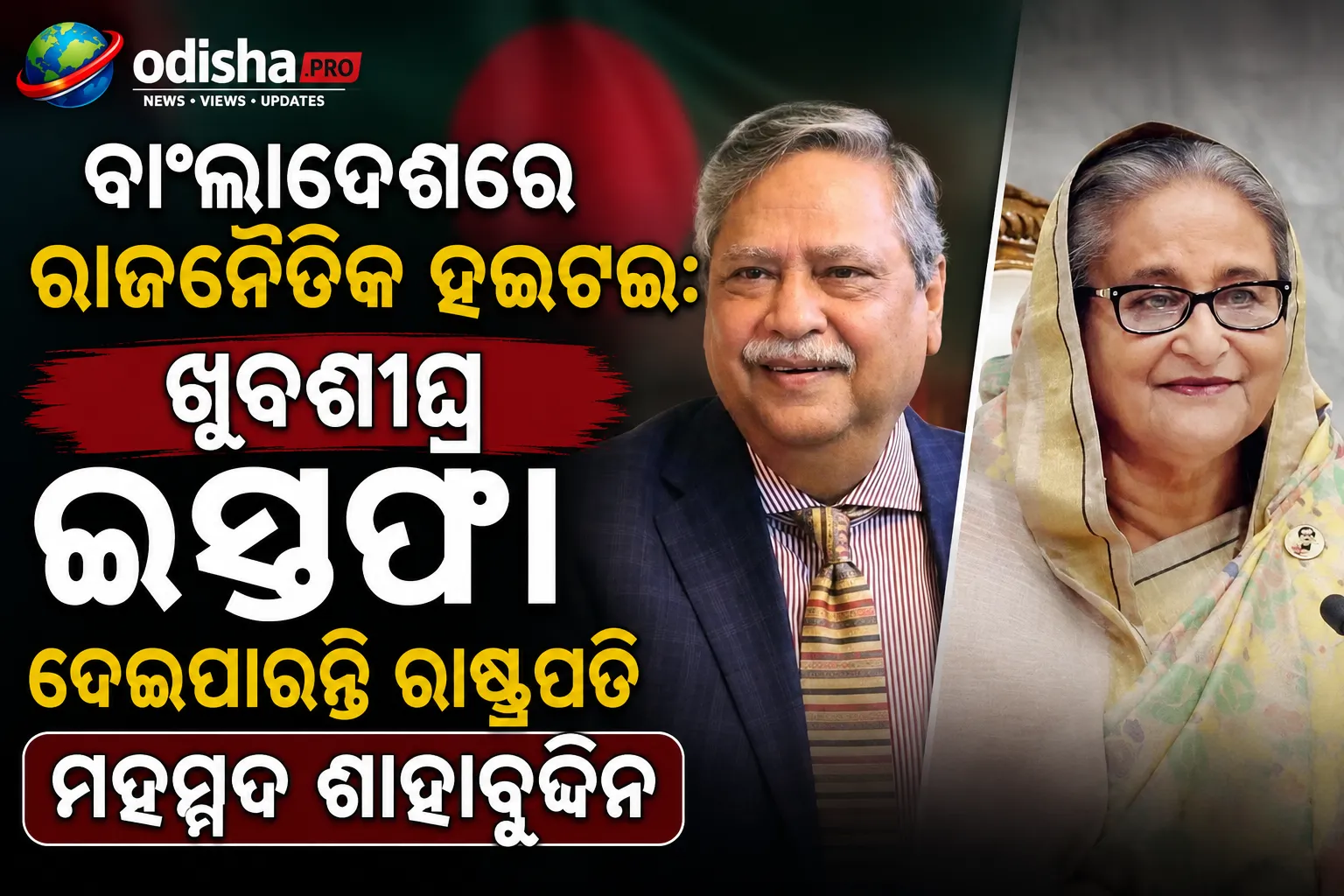
ବାଂଲାଦେଶର ରାଜନୀତିରେ ପୁଣି ଥରେ ବଡ଼ ହଇଚଇ ସୃଷ୍ଟି ହୋଇଛି...
ଦିଲ୍ଲୀର ଜନ୍ତର ମନ୍ତରରେ **‘କୋକରୋଚ୍ ଜନତା ପାର୍ଟି...
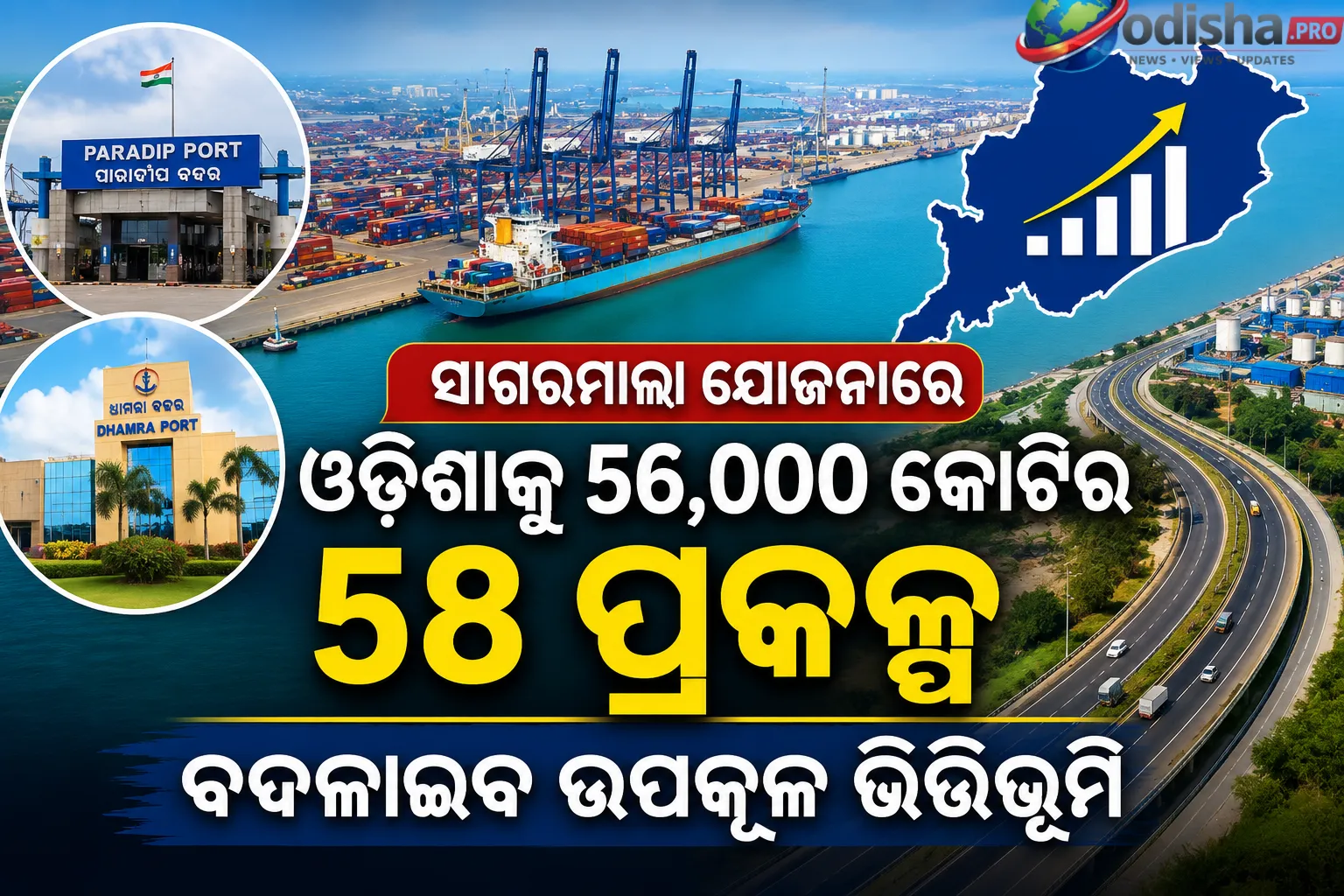
ସାଗରମାଳା କାର୍ଯ୍ୟକ୍ରମ ଅଧୀନରେ ଓଡ଼ିଶା ଦେଶର ଅଗ୍ରଣୀ ରାଜ...
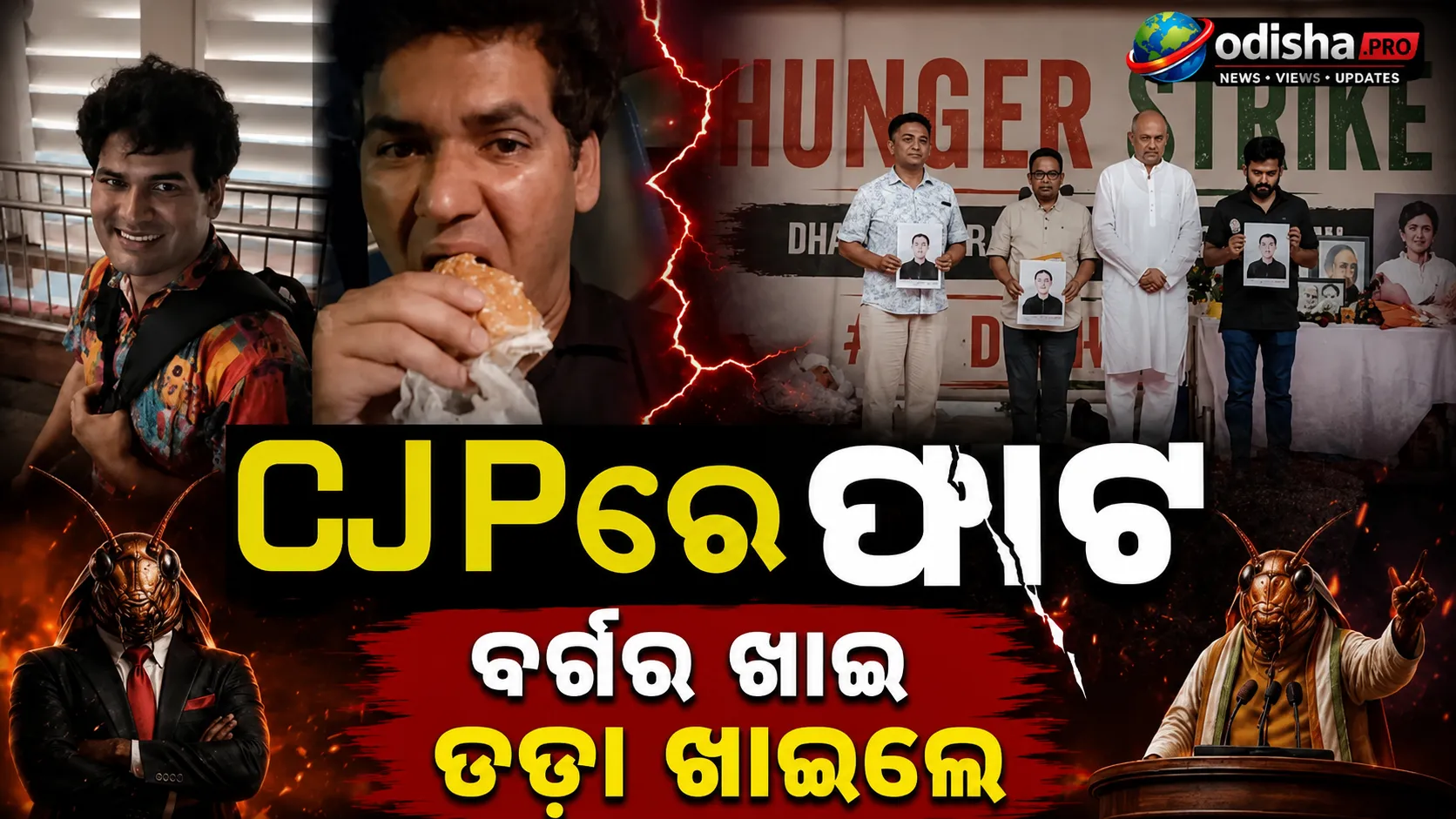
ଦିଲ୍ଲୀ ରାଜନୀତିରେ ଏବେ ଏକ ଅଜବ ଘଟଣାକୁ ନେଇ ଚର୍ଚ୍ଚା ଜୋର...
ରାଜଧାନୀ ଦିଲ୍ଲୀର ଜନ୍ତରମନ୍ତରରେ ଛାତ୍ରଛାତ୍ରୀଙ୍କ ବିରୋଧ...
ଦିଲ୍ଲୀର ଜନ୍ତର-ମନ୍ତରରେ ସମ୍ପ୍ରତି ଆୟୋଜିତ ସିଜେପିର&lsqu...
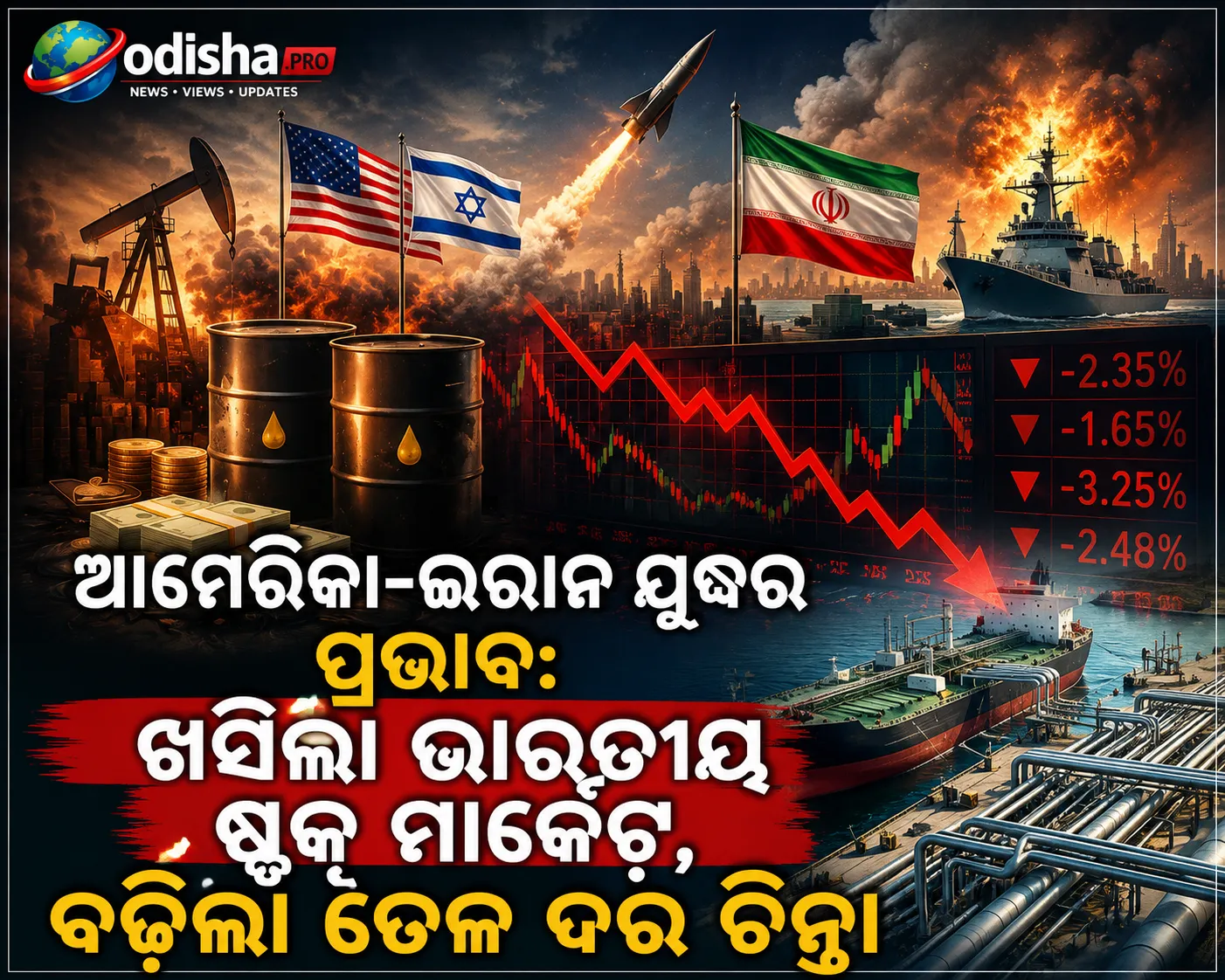
ଆମେରିକା ଓ ଇରାନ ମଧ୍ୟରେ ବଢ଼ୁଥିବା ସାମରିକ ସଂଘର୍ଷର ପ୍ରଭ...
ଓଡ଼ିଶାକୁ ମିଳିଛି ଆଉ ଏକ ବଡ଼ ଶିଳ୍ପ ପ୍ରକଳ୍ପ। କେନ୍ଦ୍ର ସ...
