







For years, Indians have searched for the perfect diet that helps with weight loss, increases energy, and prevents lifestyle diseases. While fad diets come and go, experts like Dr Rohan Mehta, Senior Clinical Nutritionist, say the key lies in balance, portion control, and consistency—not extreme food rules.
According to Dr Mehta, a universal diet framework for healthy adults includes balanced carbohydrates, protein, and healthy fats; seasonal vegetables and fruits; proper hydration; limited sugar and processed foods; and consistent meal timing. One common mistake among Indians is overloading on refined carbs while under-consuming protein, which can affect metabolism and satiety.
Here’s a general Indian diet chart suitable for most healthy adults with moderate activity levels:
Early Morning (6:30–7:30 AM):Warm water, soaked almonds or walnutsBreakfast (8:00–9:00 AM):Options include vegetable poha/upma with curd, 2 eggs with multigrain toast and fruit, or moong dal chilla with mint chutneyMid-Morning (11:00 AM):Seasonal fruit and optional coconut waterLunch (1:00–2:00 PM):1–2 multigrain rotis or 1 cup brown rice, 1 cup dal/rajma/chole or grilled chicken/fish/paneer, 1 cup sabzi, salad, and buttermilkEvening Snack (4:30–5:30 PM):Roasted chana or makhana, green tea or lemon waterDinner (7:00–8:00 PM):1–2 rotis or small portion rice, light sabzi, protein source, optional soupBefore Bed (if needed):Small cup of turmeric milk
Dr Mehta emphasizes that individuals with conditions like diabetes, thyroid disorders, PCOS, kidney disease, or heart issues should consult a doctor before following this plan. The structure can remain similar across ages and activity levels, but portion sizes and calorie intake must be personalized.
The simple rules for long-term success: eat real food, increase protein, reduce refined sugar, watch portions, and stay consistent. This approach supports sustainable health and energy while staying rooted in familiar Indian eating habits.
୨୦୨୬-୨୭ ଶିକ୍ଷାବର୍ଷ ପାଇଁ ଓଡ଼ିଶାରେ ସ୍ନାତକୋତ୍ତର (PG)...
ତାମିଲନାଡୁର ଶାସକ ମେଣ୍ଟ ଏବେ ନିଜର ଏକ ସ୍ୱତନ୍ତ୍ର ରାଜନୈତ...
ଓଡ଼ିଶା ମାଧ୍ୟମିକ ଶିକ୍ଷା ବୋର୍ଡ (BSE) ପକ୍ଷରୁ ଓଡ଼ିଶା ଶ...
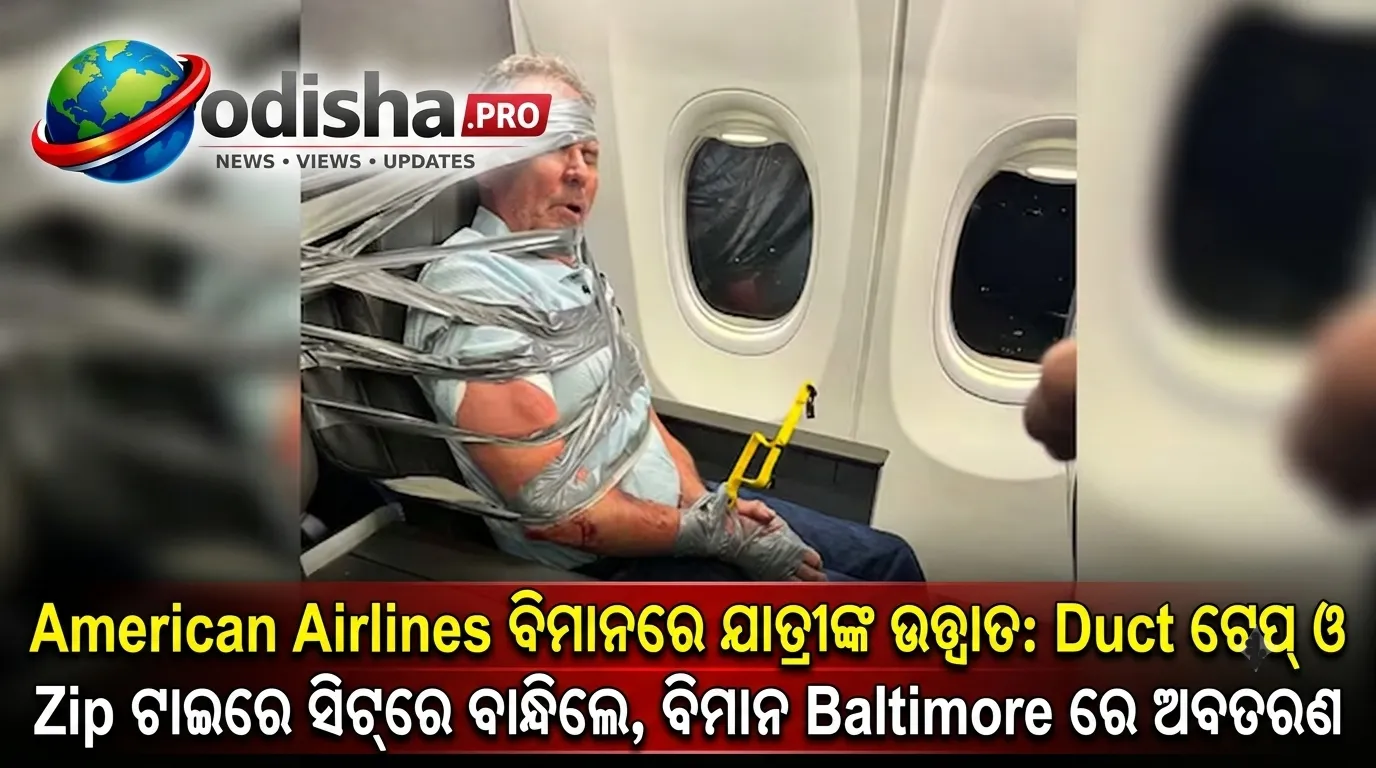
ଆମେରିକାନ୍ ଏୟାରଲାଇନ୍ସର ଏକ ଉଡ଼ାଣ ବେଳେ ଜଣେ ଯାତ୍ରୀଙ୍କ...
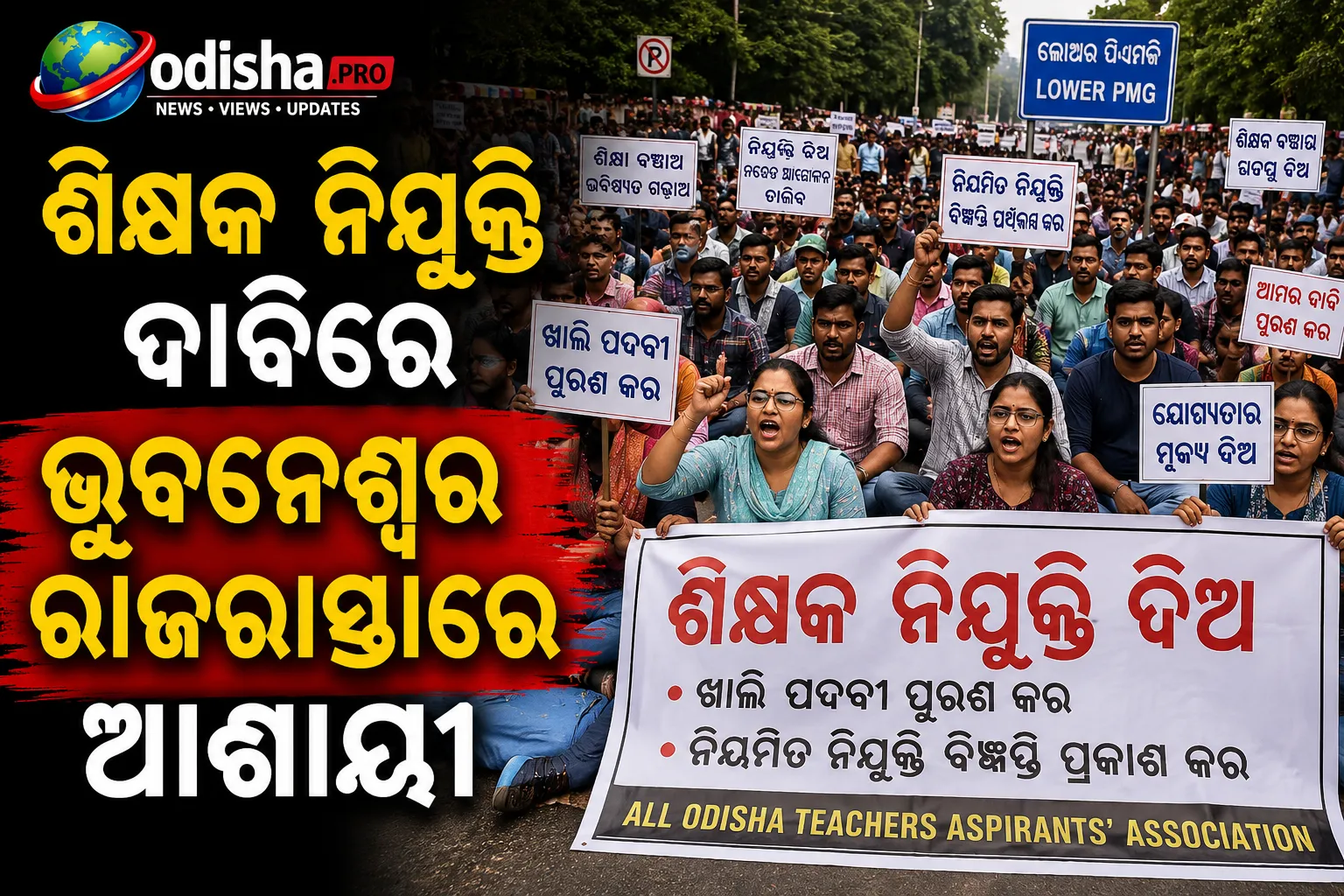
ଭୁବନେଶ୍ୱର: ଖାଲି ପଡ଼ିଥିବା ଶିକ୍ଷକ ପଦବୀରେ ତୁରନ୍ତ ନିଯୁ...
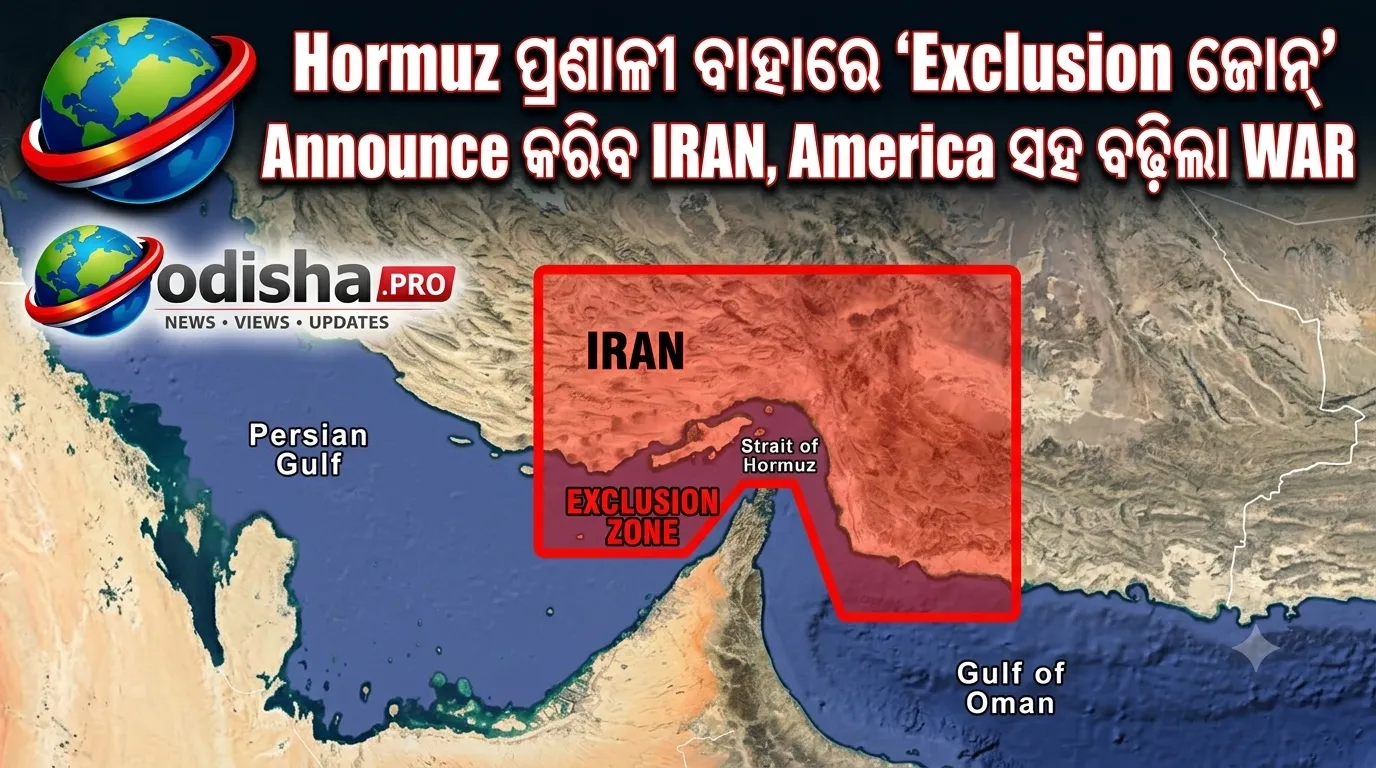
ହର୍ମୁଜ୍ ପ୍ରଣାଳୀକୁ ନେଇ ଆମେରିକା ଓ ଇରାନ ମଧ୍ୟରେ ତିକ୍ତତ...
ଆମେରିକା ରାଷ୍ଟ୍ରପତିଡୋନାଲ୍ଡ ଟ୍ରମ୍ପଆମେରିକାର ରାଜ୍ୟନ୍ୟୁ...

ନୂଆଦିଲ୍ଲୀ:ଭାରତୀୟ ବାୟୁସେନା (IAF) ନିଜର ପରିବହନ ବିମାନ...
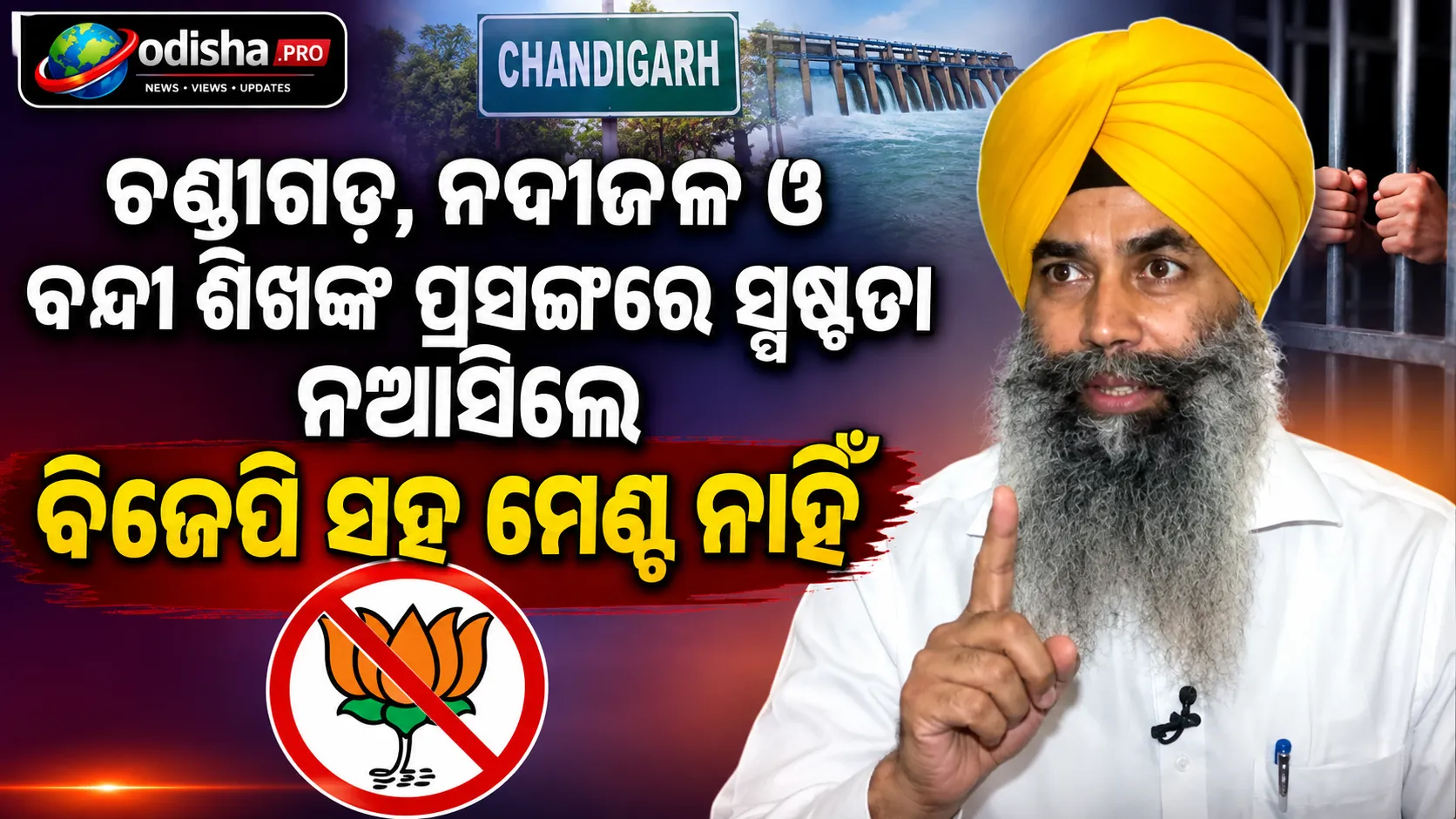
ଶିରୋମଣି ଅକାଳୀ ଦଳ (ପୁନର ସୁରଜିତ) ବିଜେପି ସହ ମେଣ୍ଟକୁ ନ...
ଉତ୍ତରପ୍ରଦେଶରେ ଶ୍ରମିକ ଓ ଅନ୍ୟାନ୍ୟ ଦୁର୍ବଳ ପରିବାରର ପିଲ...