


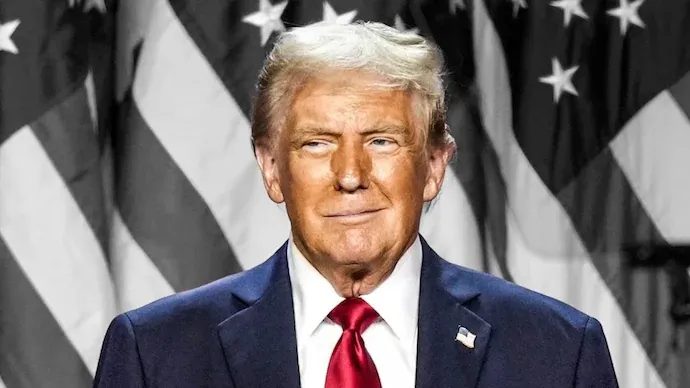
For several tense hours last week, Washington and capitals across the Middle East were preparing for what many believed would be imminent US airstrikes on Iran. Senior military and diplomatic officials anticipated that President Donald Trump was close to authorising military action against Tehran amid its violent crackdown on nationwide protests. By the afternoon, however, the expected order never came, and the United States stood down.
According to accounts from US and Israeli officials, Trump had spent days considering military options as reports of mass killings in Iran mounted. On Tuesday night, he chaired a high-level meeting in the Situation Room for a detailed briefing on the unrest and potential responses. Military planners presented strike options involving US warships and submarines targeting Iranian regime assets. While Trump reviewed and narrowed the plans, he stopped short of issuing a final directive.
By Wednesday morning, expectations hardened inside the administration and across the region that a strike was imminent. Precautionary steps were already underway. US personnel began evacuating from key bases in Qatar and Bahrain, while Iran reportedly closed its airspace, preparing for an attack. Yet hours passed without any announcement from the White House.
Officials said Trump chose to pause and continue monitoring developments. While the military was ready to act quickly, concerns began to outweigh momentum. The US did not have sufficient assets positioned in the region to sustain a prolonged confrontation, and allies privately warned that escalation could spiral beyond control.
One of the strongest voices urging restraint was Israeli Prime Minister Benjamin Netanyahu, who cautioned that Israel was not fully prepared to handle Iran’s retaliation without greater US military presence. Saudi Crown Prince Mohammed bin Salman also conveyed fears about the wider regional fallout of a US strike.
Internal doubts also played a role. Trump’s advisers questioned how effective limited strikes would be and whether they might trigger a broader war across the Middle East. With risks mounting and no clear endgame, the window for action closed.
Later, Trump dismissed suggestions that he was talked out of the decision. “Nobody convinced me. I convinced myself,” he told reporters.
The pause came as Iran warned that any attempt to target Supreme Leader Ayatollah Ali Khamenei would spark an all-out war, even as Tehran signalled a possible return to mass executions amid claims that thousands had already died in the unrest. The episode underscored how close the region came to open conflict — and how quickly it was pulled back from the brink.
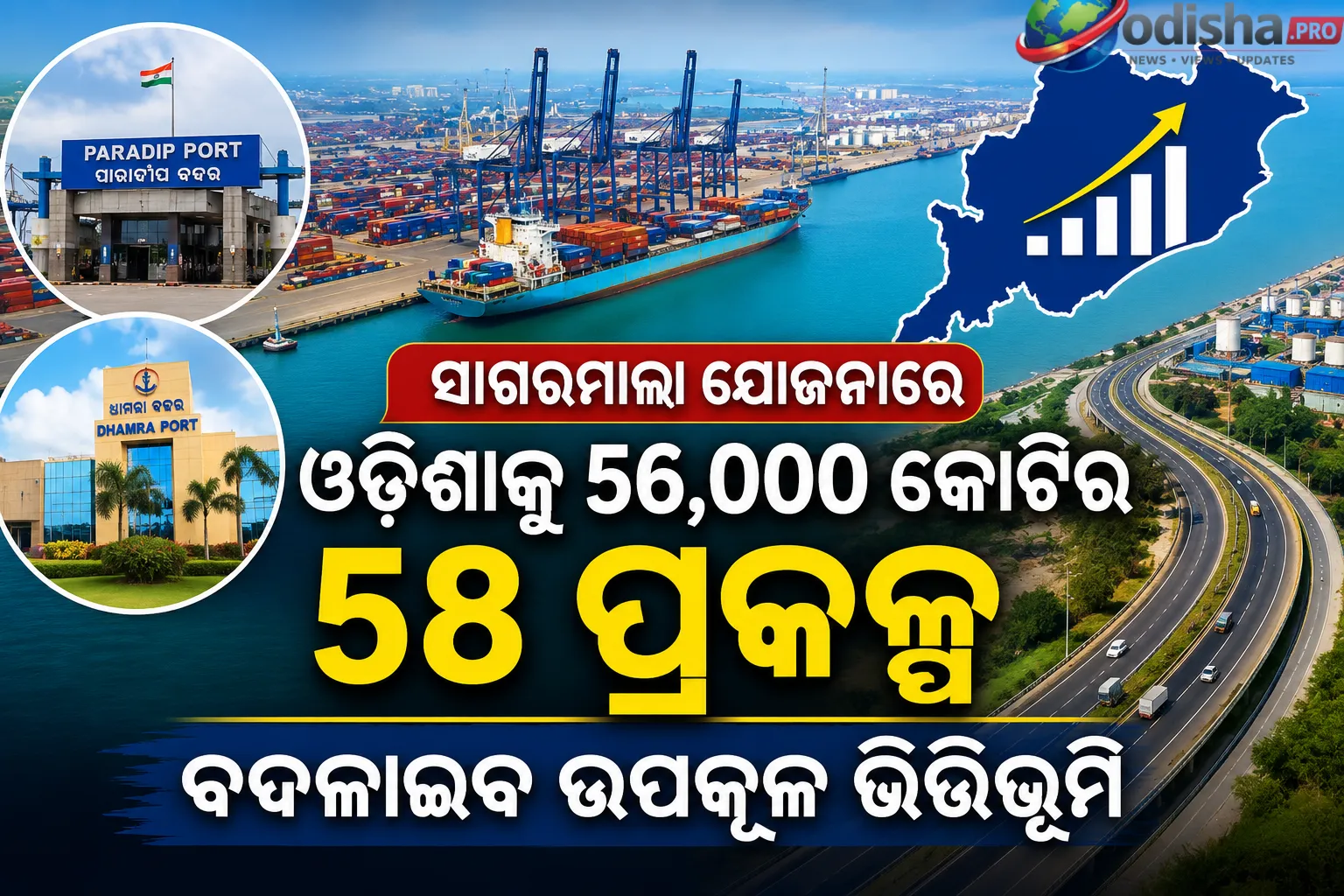
ସାଗରମାଳା କାର୍ଯ୍ୟକ୍ରମ ଅଧୀନରେ ଓଡ଼ିଶା ଦେଶର ଅଗ୍ରଣୀ ରାଜ...
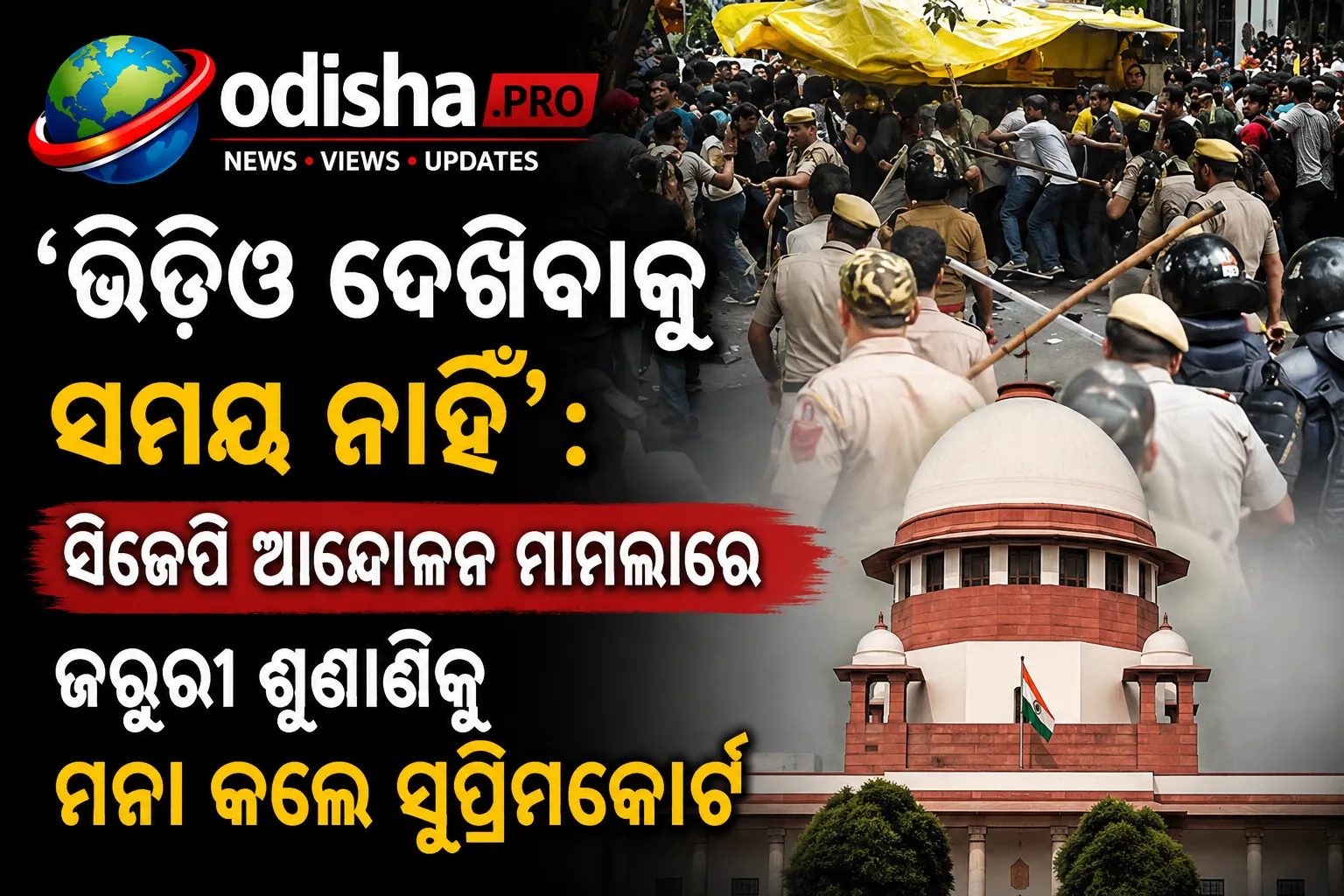
ଦିଲ୍ଲୀର ଜନ୍ତର ମନ୍ତରରେ **‘କୋକରୋଚ୍ ଜନତା ପାର୍ଟି...

ଅଦାନୀ ଗ୍ରୁପ୍‌ର ଅଦାନୀ ଏନର୍ଜି ସଲ୍ୟୁସନ୍ସ ଲିମିଟେଡ...

ରାଜଧାନୀ ଦିଲ୍ଲୀର ଜନ୍ତର ମନ୍ତରରେ ଚାଲିଥିବା ଛାତ୍ର ଆନ୍ଦୋ...

ଅନୁଗୁଳ ଜିଲ୍ଲାର ଆଠମଲ୍ଲିକ ଅଞ୍ଚଳରେ ଅବକାରୀ ବିଭାଗକୁ ଏକ...

ଓଡ଼ିଶାକୁ ମିଳିଛି ଆଉ ଏକ ବଡ଼ ଶିଳ୍ପ ପ୍ରକଳ୍ପ। କେନ୍ଦ୍ର ସ...

ବଲାଙ୍ଗିର ଜିଲ୍ଲାର ଲୋୟର ସୁକତେଲ ପ୍ରକଳ୍ପକୁ ନେଇ ମଙ୍ଗଳବା...
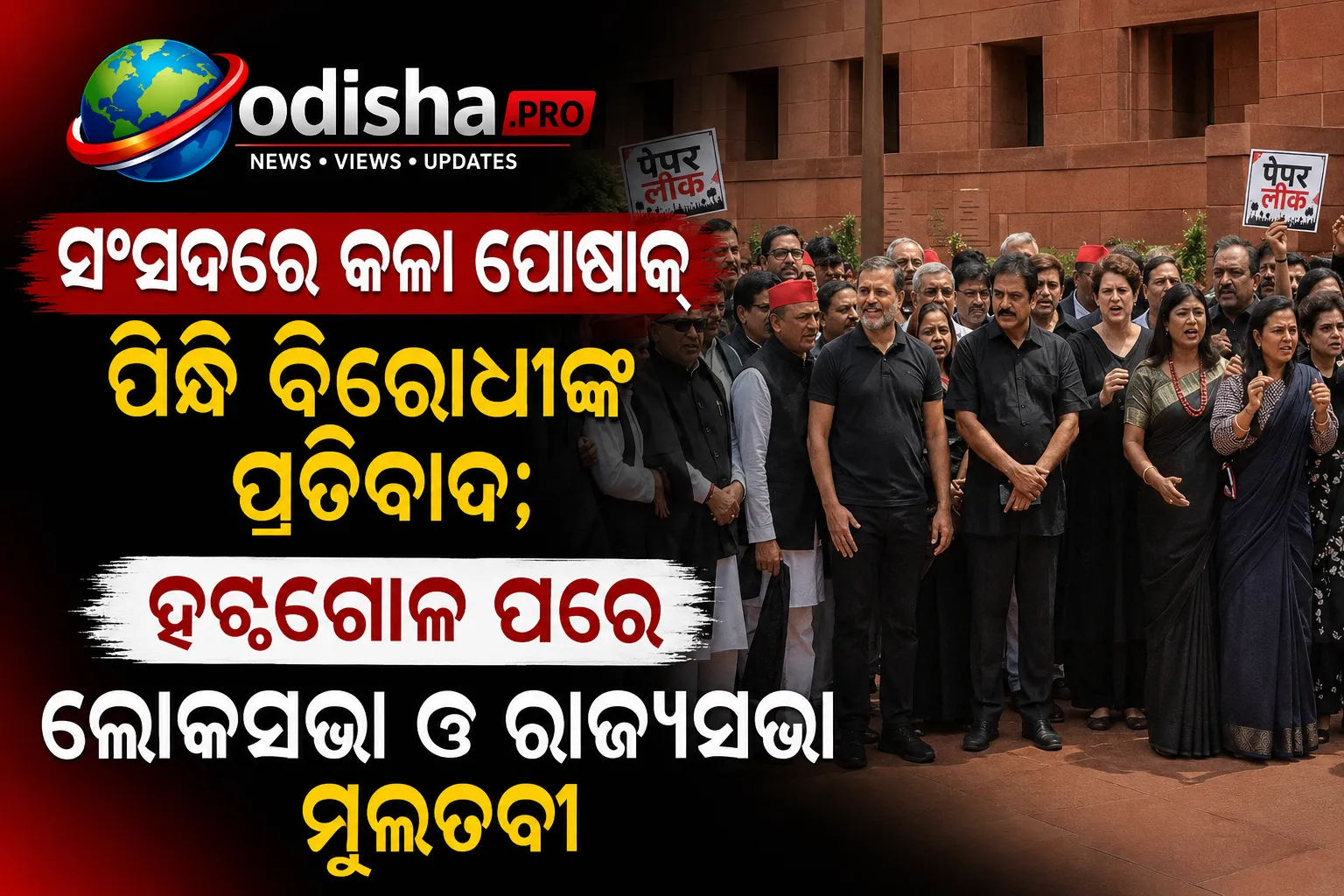
ସଂସଦର ମୌସୁମୀ ଅଧିବେଶନର ତୃତୀୟ ଦିନ ବୁଧବାର ବିରୋଧୀ ସାଂସ...

ସାଇବର ଠକମାନେ ଏବେ ସୋସିଆଲ ମିଡିଆ ପ୍ଲାଟଫର୍ମ ‘X&r...
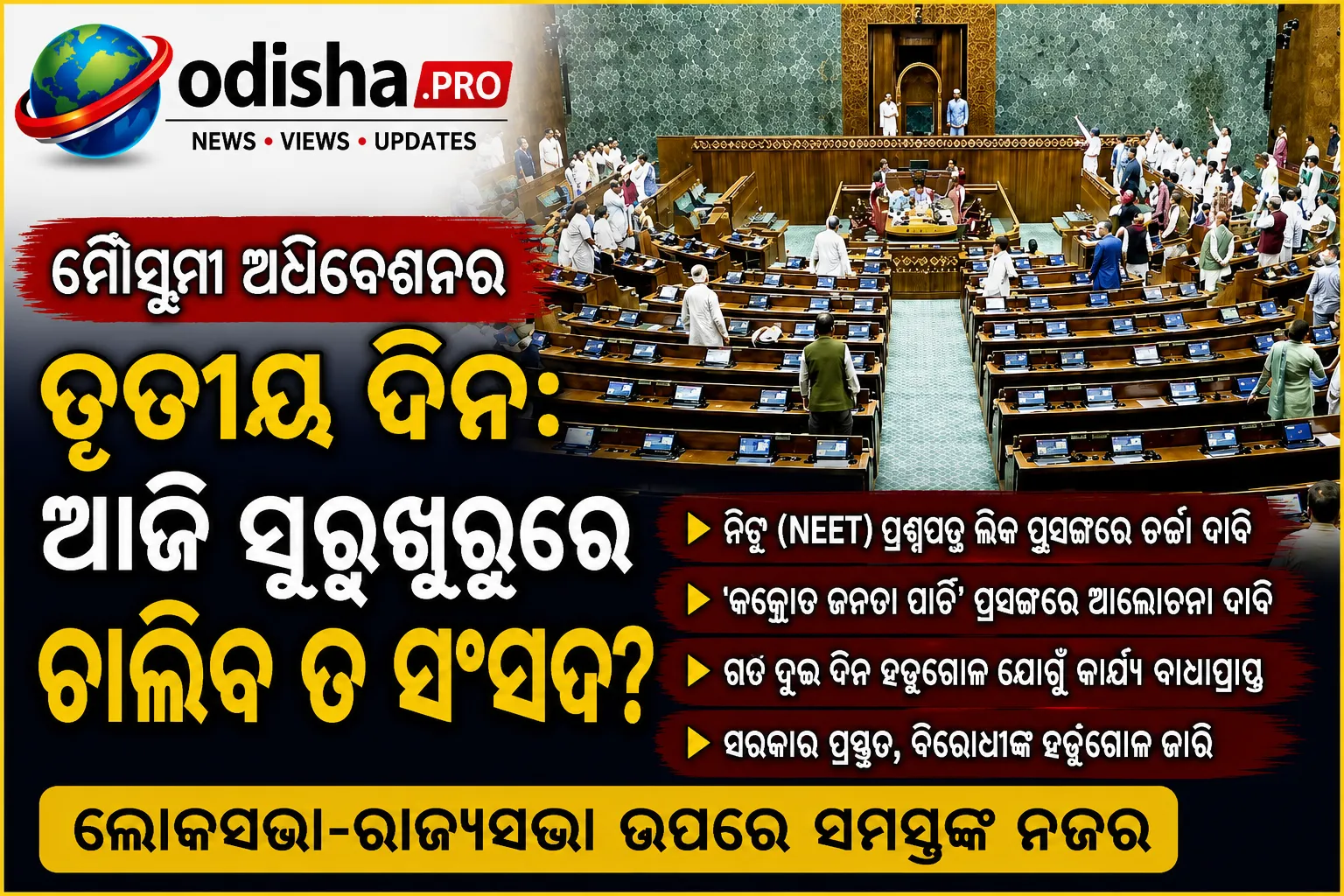
ସଂସଦର ମୌସୁମୀ ଅଧିବେଶନର ଆଜି ତୃତୀୟ ଦିନ। ଗତ ଦୁଇ ଦିନ ଧର...
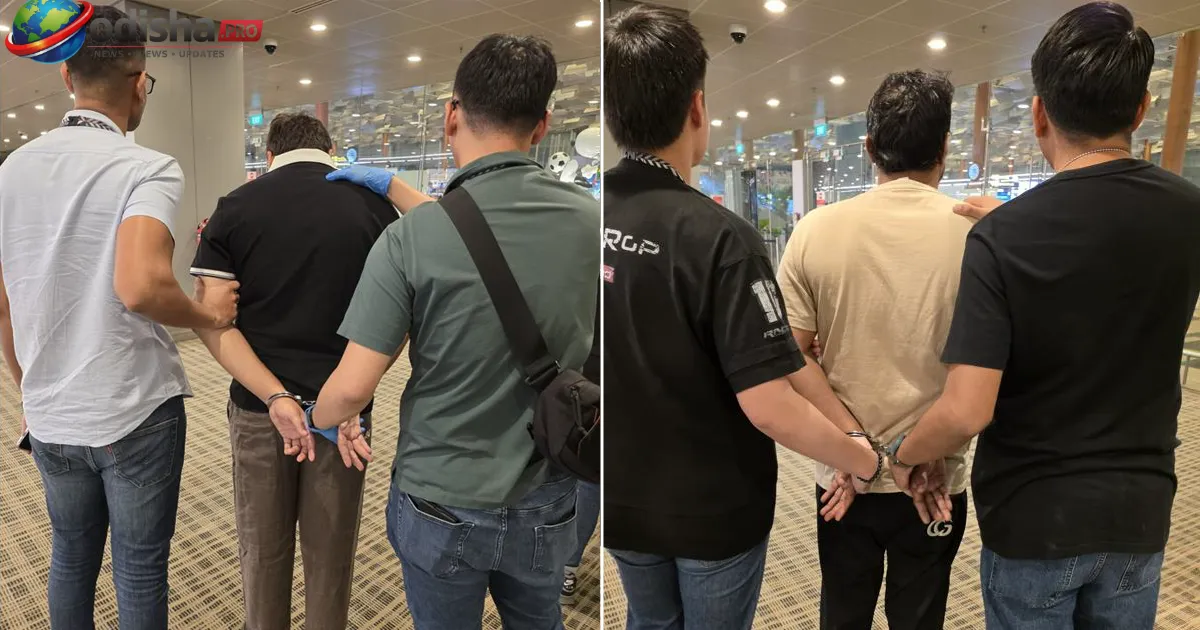
ଫିଲ୍ମୀ ଶୈଳୀରେ ଏକ ହୀରା ଚୋରି ଘଟଣା ଏବେ ଚର୍ଚ୍ଚାର ବିଷୟ...
