


India’s economy is growing, inflation has eased, and government spending remains strong — butprivate consumption, especially among the middle class, is still weak. Budget 2025 already provided big relief by making incomes up to₹12 lakh tax-free under the new tax regime, but Budget 2026 now faces a more delicate challenge: how to protect household spending without harming fiscal discipline.
The key issue is“bracket creep.”As salaries rise due to inflation, people move into higher tax slabs even though their real purchasing power does not increase. This leads to ahidden rise in tax burden, reducing disposable income and slowing consumer spending.
The most affected group is themiddle-income segment, earning between₹5.5 lakh and ₹20 lakha year. This group faces heavy costs such asEMIs, rent, education, healthcare, and insurance, and also has thehighest tendency to spend extra income. When their take-home pay rises, it directly boosts demand in the economy.
Currently, tax slabs do not adjust automatically with inflation. Countries like theUS and Canadaupdate tax brackets every year based on inflation, ensuring people are not taxed more simply because of rising prices. India does not yet follow this system, which results in gradual and unnoticed tax increases.
Experts suggest thatBudget 2026 should focus on smarter tax slab adjustments, such as:
Indexing tax slabs to inflation
Widening middle-income slabs
Reducing tax jumps for crowded income bands
These steps canprotect real income, encourage spending, and support growth — without harming the government’s fiscal targets.
The goal is not to give massive tax cuts, but tostop inflation from silently raising taxes. A rules-based and transparent system would boost trust, stabilize household finances, and help India’s next phase of growth be driven by consumption.
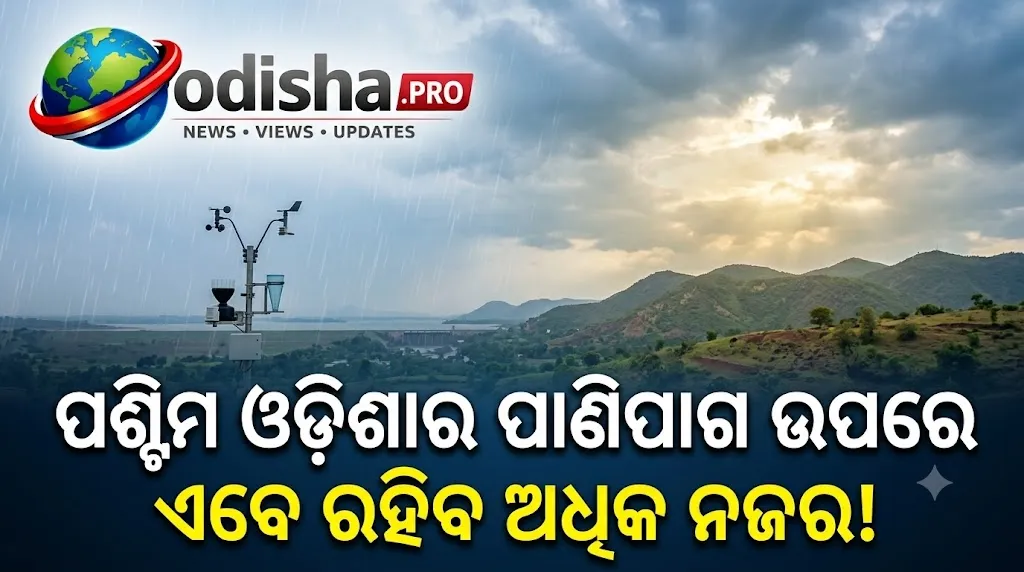
ପଶ୍ଚିମ ଓଡ଼ିଶାର ପାଣିପାଗ ପୂର୍ବାନୁମାନ ବ୍ୟବସ୍ଥାକୁ ମିଳି...
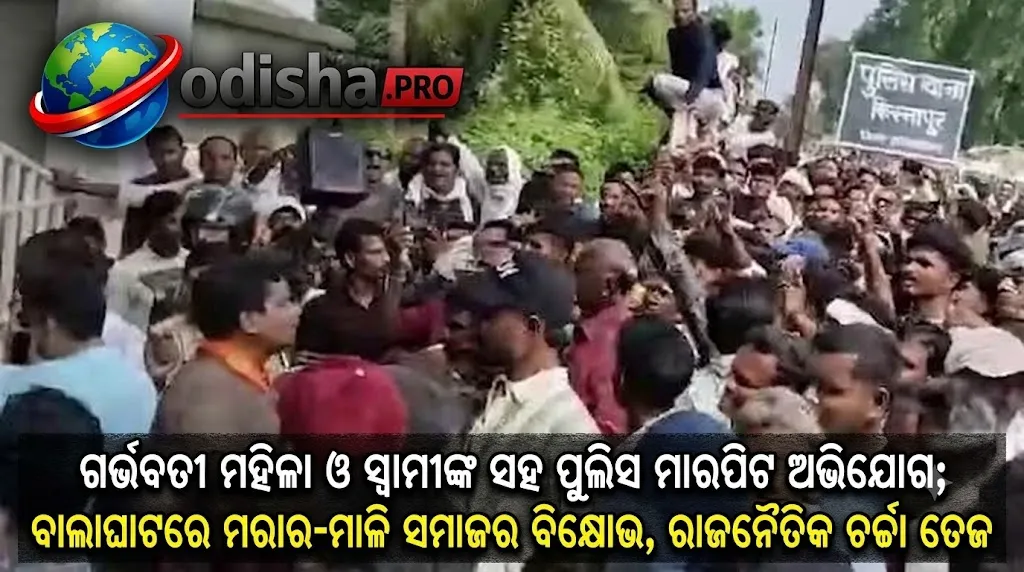
ମଧ୍ୟପ୍ରଦେଶର ବାଲାଘାଟ ଜିଲ୍ଲାର କିରନାପୁରରେ ପୁଲିସ କାର୍ଯ...
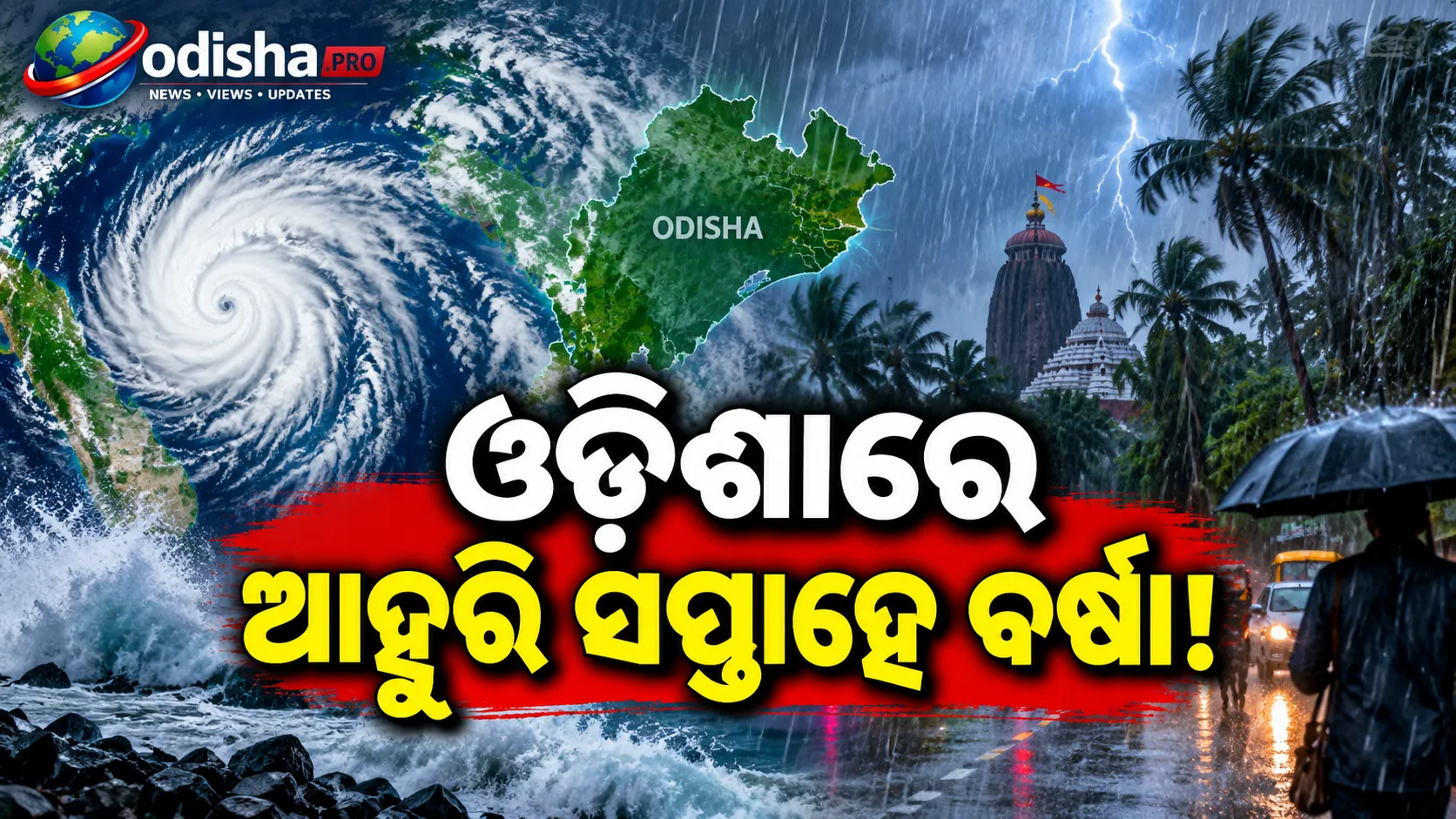
ଓଡ଼ିଶାରେ ବର୍ଷାରୁ ଏବେ ତୁରନ୍ତ ଆଶ୍ୱସ୍ତି ମିଳିବାର ସମ୍ଭା...
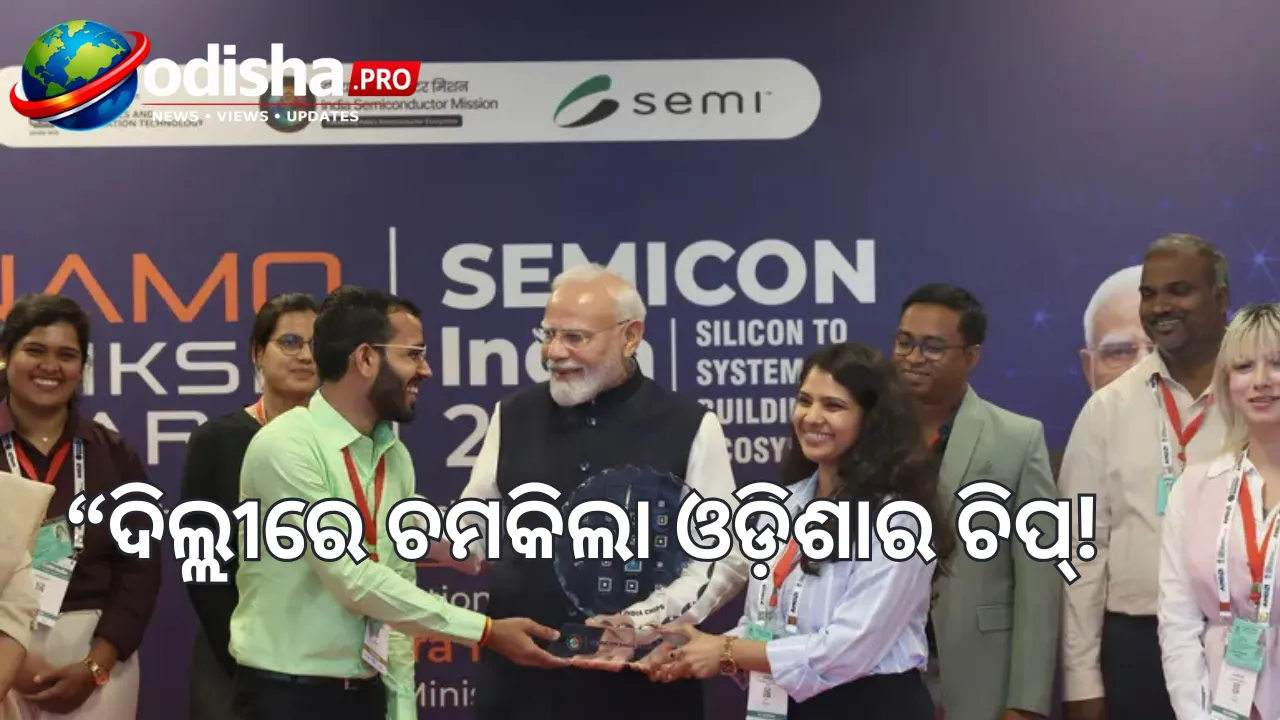
SEMICON India 2026ରେ ଓଡ଼ିଶାର ଦବଦବା, NIT Rourkelaର...
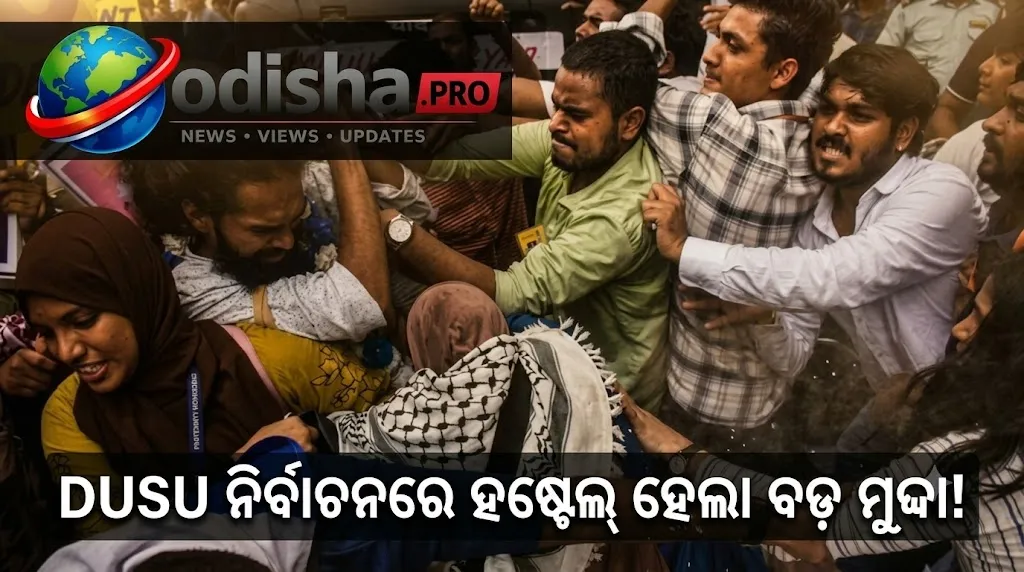
ଦିଲ୍ଲୀ ୟୁନିଭର୍ସିଟିରDUSU ନିର୍ବାଚନ ୨୦୨୬ରେ ଏଥର କେବଳ କ...
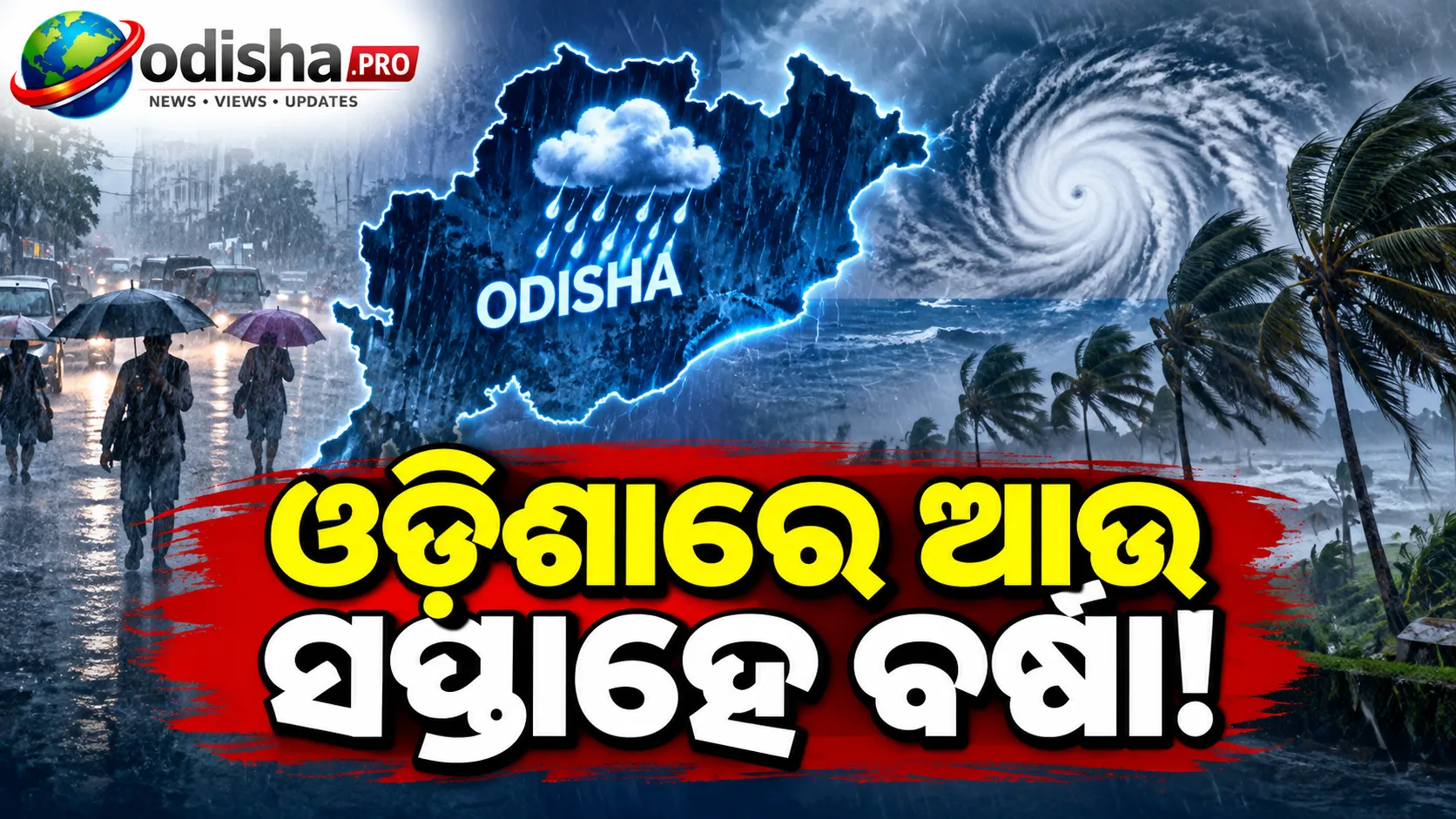
ଓଡ଼ିଶାରେ ବର୍ଷାରୁ ଏବେ ତୁରନ୍ତ ଆଶ୍ୱସ୍ତି ମିଳିବାର ସମ୍ଭା...
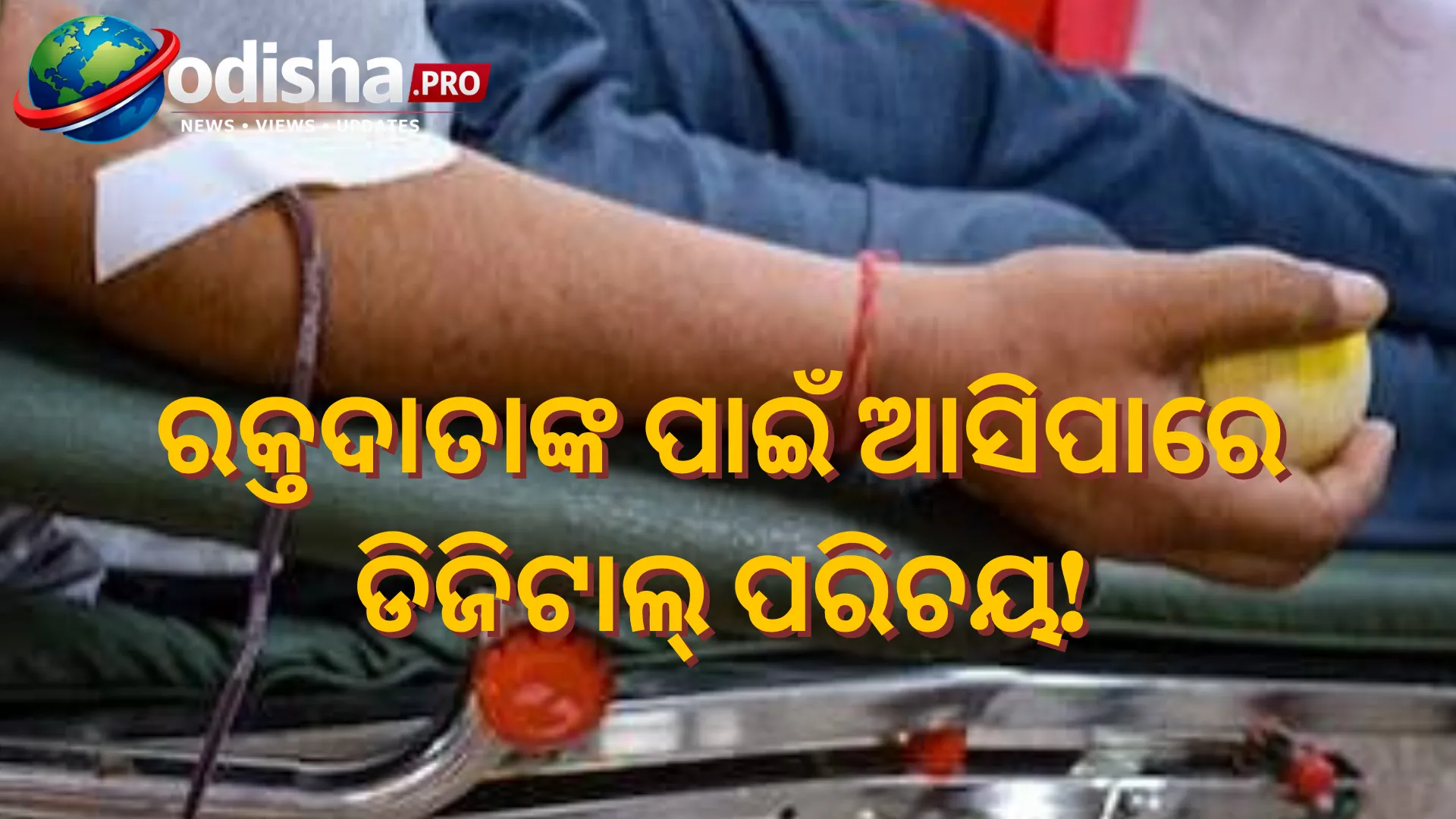
ରକ୍ତଦାନ ବ୍ୟବସ୍ଥାକୁ ଆହୁରି ସୁସଂଗଠିତ ଓ ଟ୍ରାକ୍‌ଯୋ...
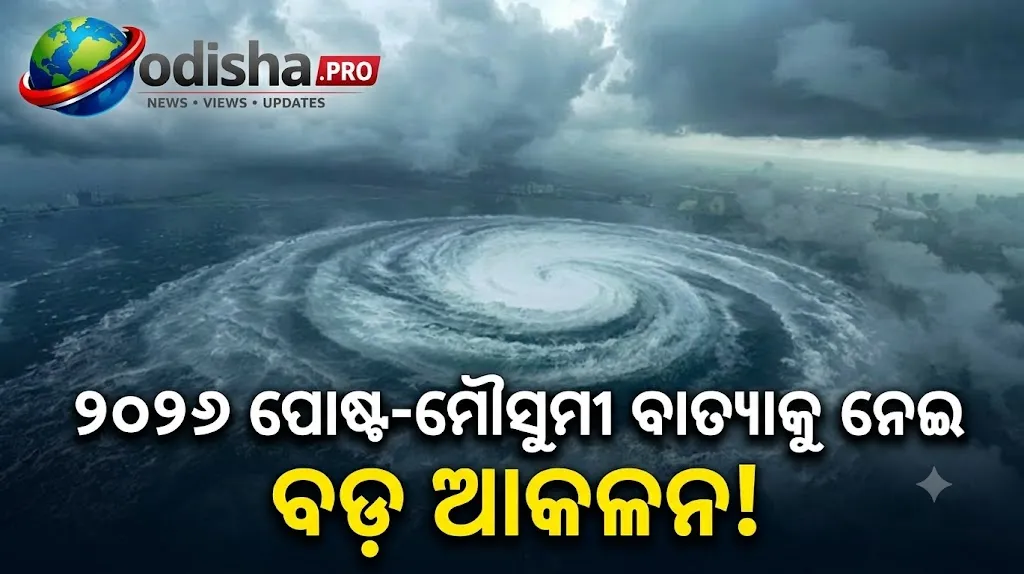
୨୦୨୬ର ପୋଷ୍ଟ-ମୌସୁମୀ ଋତୁକୁ ନେଇ ବାତ୍ୟା କାର୍ଯ୍ୟକଳାପର ଏ...