


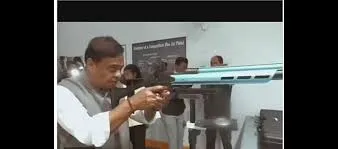
A video posted on the Assam BJP’s official social media account showing Chief Minister Himanta Biswa Sarma in a stylised, AI-generated sequence symbolically firing bullets at figures identifiable as Muslims triggered sharp political backlash, allegations of communal incitement, and demands for legal action. The video was later deleted amid mounting outrage.
The clip, captioned “point blank shot,” combined original footage of Sarma handling an air rifle with artificial intelligence-generated visuals of bullets striking images of men wearing skull caps and beards, markers associated with Muslim identity. Text overlays such as “foreigner free Assam” and “No mercy” appeared in the video, which critics described as overtly communal and inflammatory. Some frames portrayed Sarma as a Western-style action hero, while Assamese text reportedly included phrases like “Why did you not go to Pakistan?” and “There is no forgiveness to Bangladeshis.”
The Congress party condemned the video, calling it “deeply abhorrent and disturbing,” and alleged it amounted to a call for mass violence. Senior leaders including K C Venugopal and Supriya Shrinate demanded judicial intervention, stating that deleting the video was insufficient. Congress MP Gaurav Gogoi questioned Sarma’s credibility and raised allegations regarding the Chief Minister’s land holdings, asserting that the controversy had damaged his public standing.
The All India Trinamool Congress also escalated criticism, describing the video as “performative bloodlust” and accusing the ruling party of normalising hatred. Trinamool Congress MP Sagarika Ghose argued that the video constituted a criminal offence under multiple legal provisions and called for exemplary punishment, saying the BJP could not escape accountability by deleting the post.
The episode has revived scrutiny of Sarma’s past remarks targeting the ‘Miya’ community, a term referring to Bengali-speaking Muslims of East Bengal origin in Assam. Previous statements attributed to the Chief Minister, including comments suggesting economic harassment of the community and claims of large-scale voter deletions, have resurfaced amid the controversy.
The incident comes at a time of heightened political rhetoric in Assam ahead of upcoming elections, raising renewed concerns over the use of communal narratives and digital content in political campaigns.
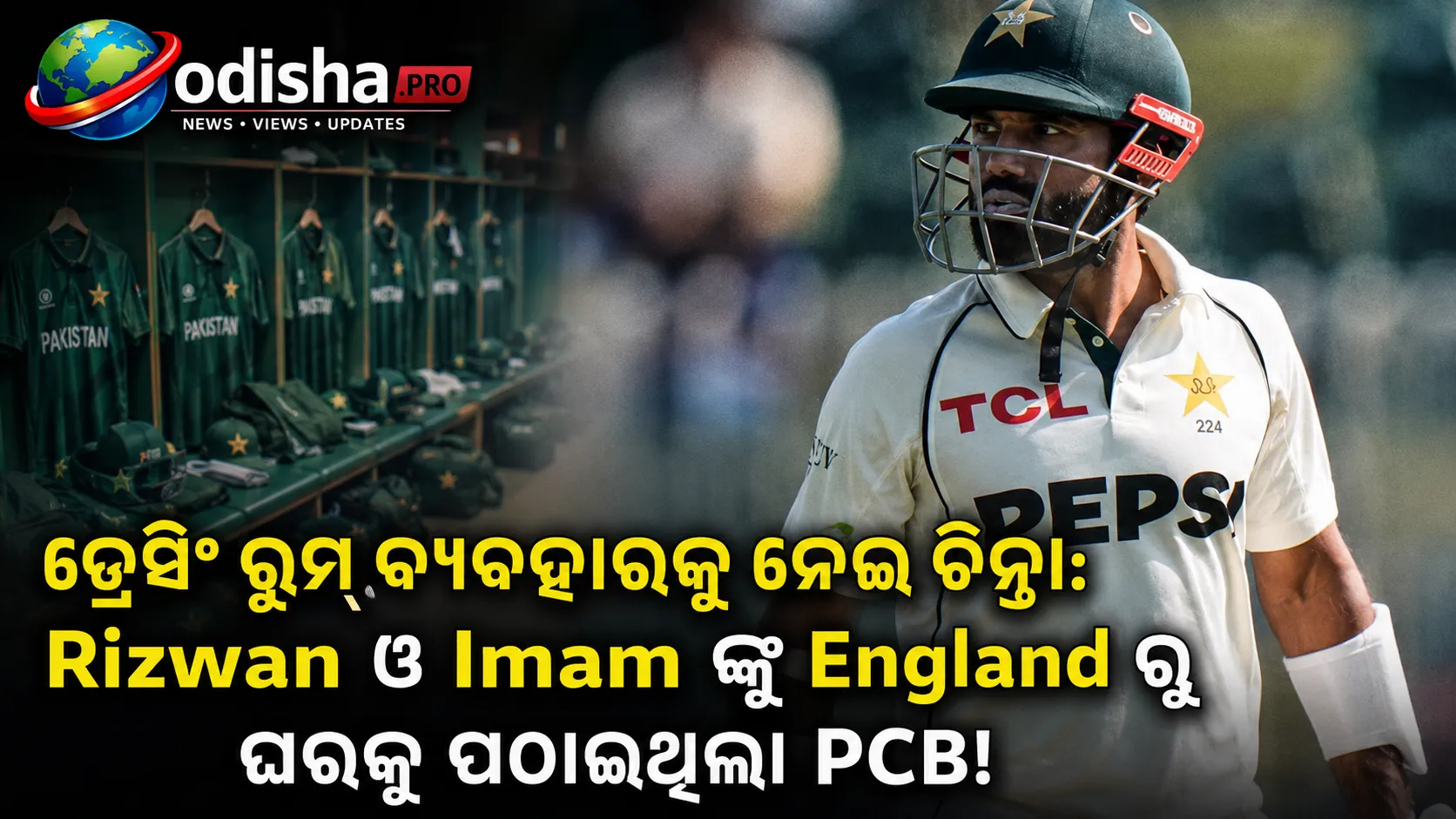
ପାକିସ୍ତାନ କ୍ରିକେଟ୍ ବୋର୍ଡ (PCB) ଏବେ ଦଳର ଚୟନ କମିଟି ଏ...
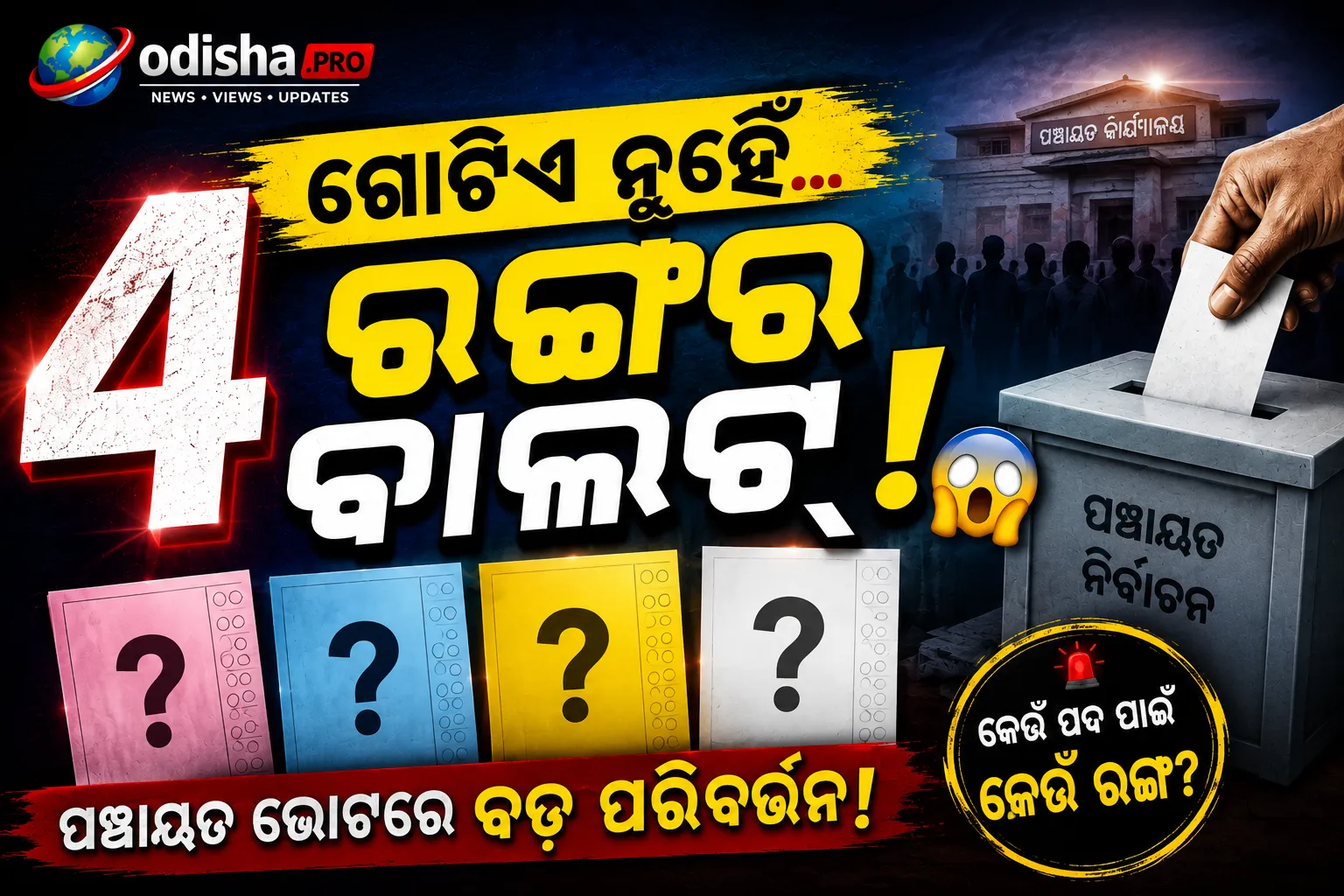
ଆଗାମୀ ଓଡ଼ିଶା ପଞ୍ଚାୟତ ନିର୍ବାଚନକୁ ନେଇ ଏକ ବଡ଼ ପରିବର୍ତ...
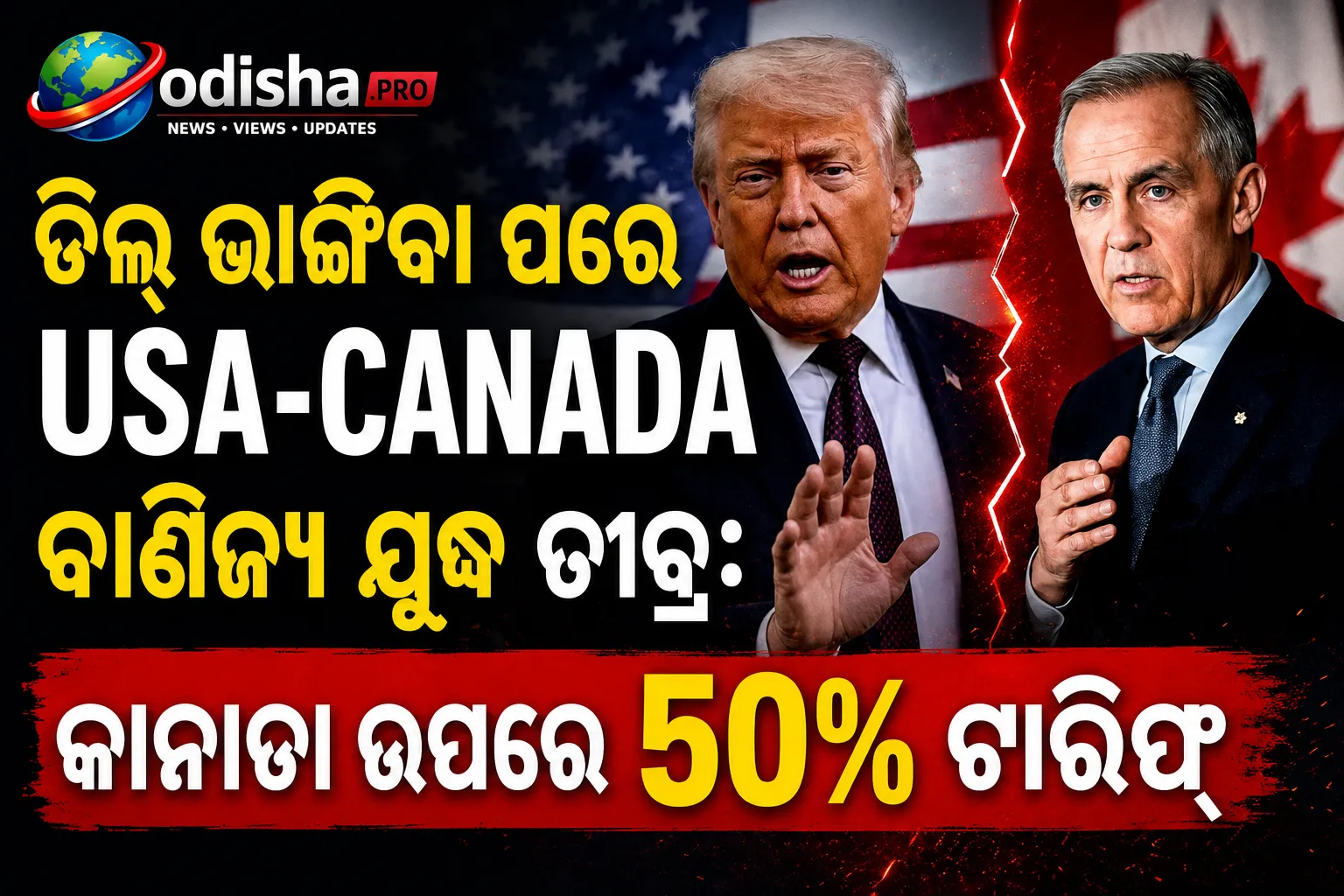
ଆମେରିକା ଓ କାନାଡା ମଧ୍ୟରେ ବାଣିଜ୍ୟ ଚୁକ୍ତି ହେବା ନେଇ ଆଶ...
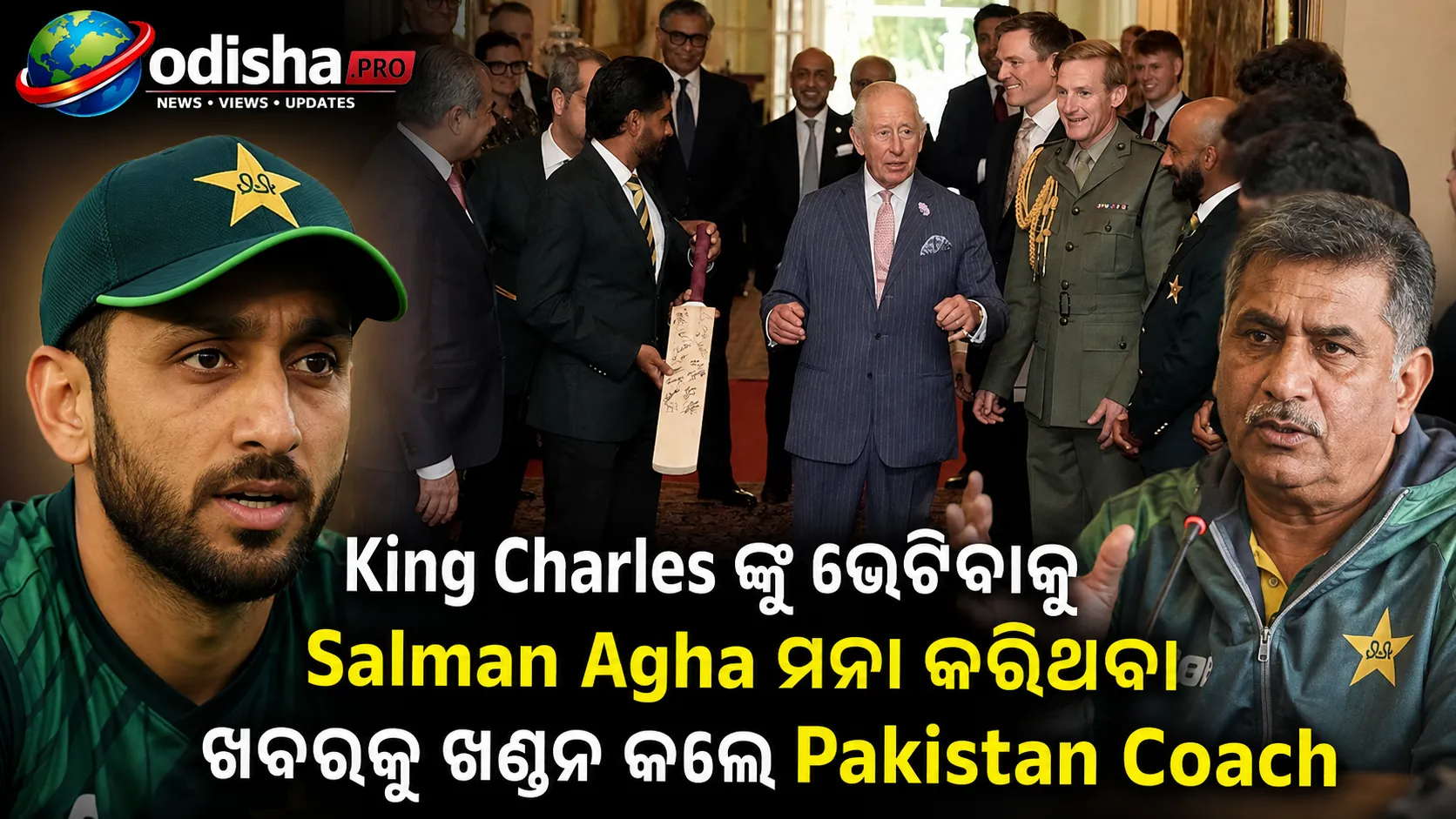
ଇଂଲଣ୍ଡ ବିପକ୍ଷ ଟେଷ୍ଟ ସିରିଜ୍ ମଧ୍ୟରେ ପାକିସ୍ତାନ କ୍ରିକେ...
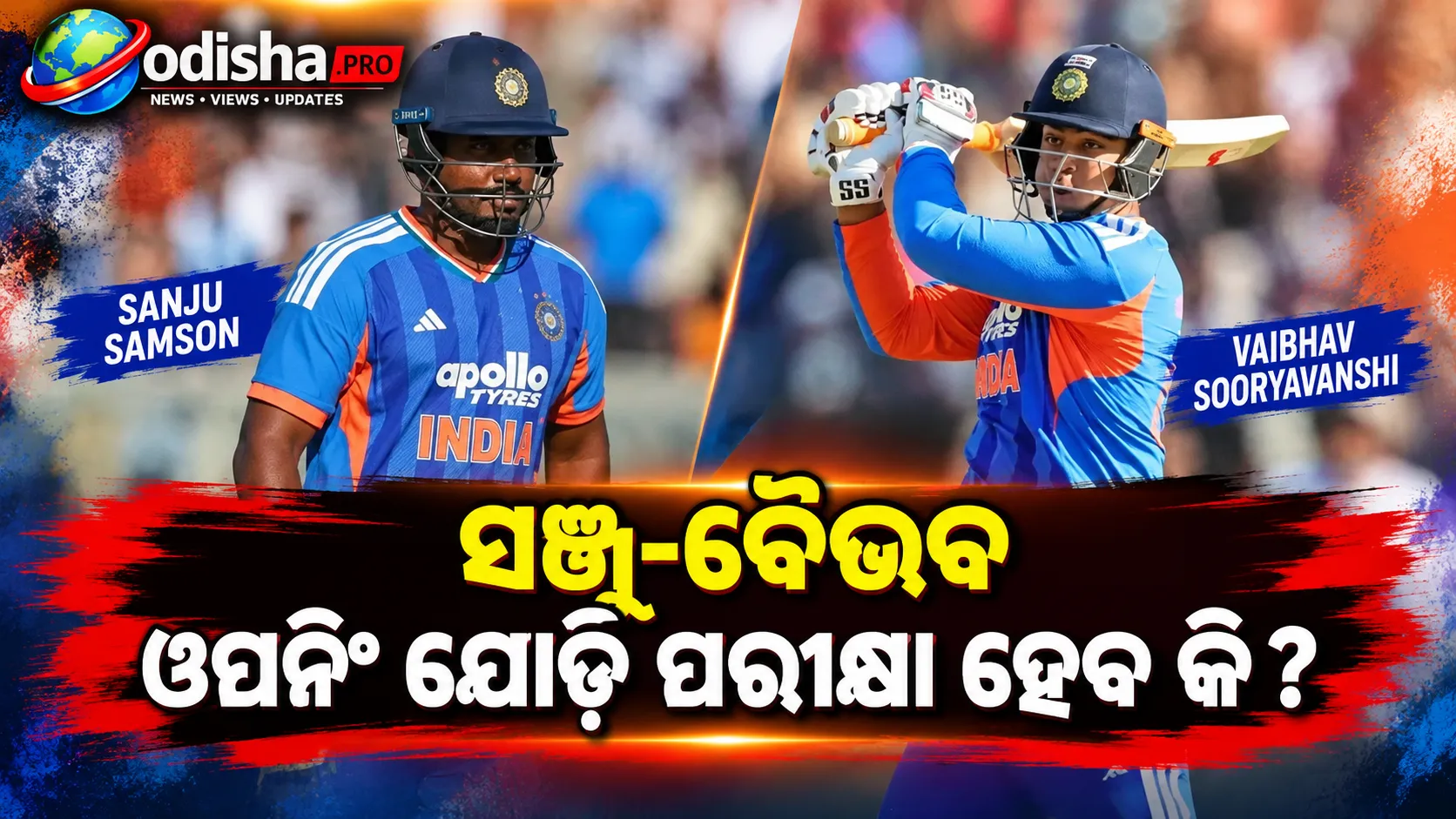
ଭାରତୀୟ ଟି-୨୦ ଦଳରେ ଓପନିଂ ଯୋଡ଼ିକୁ ନେଇ ପରୀକ୍ଷା ଜାରି ର...
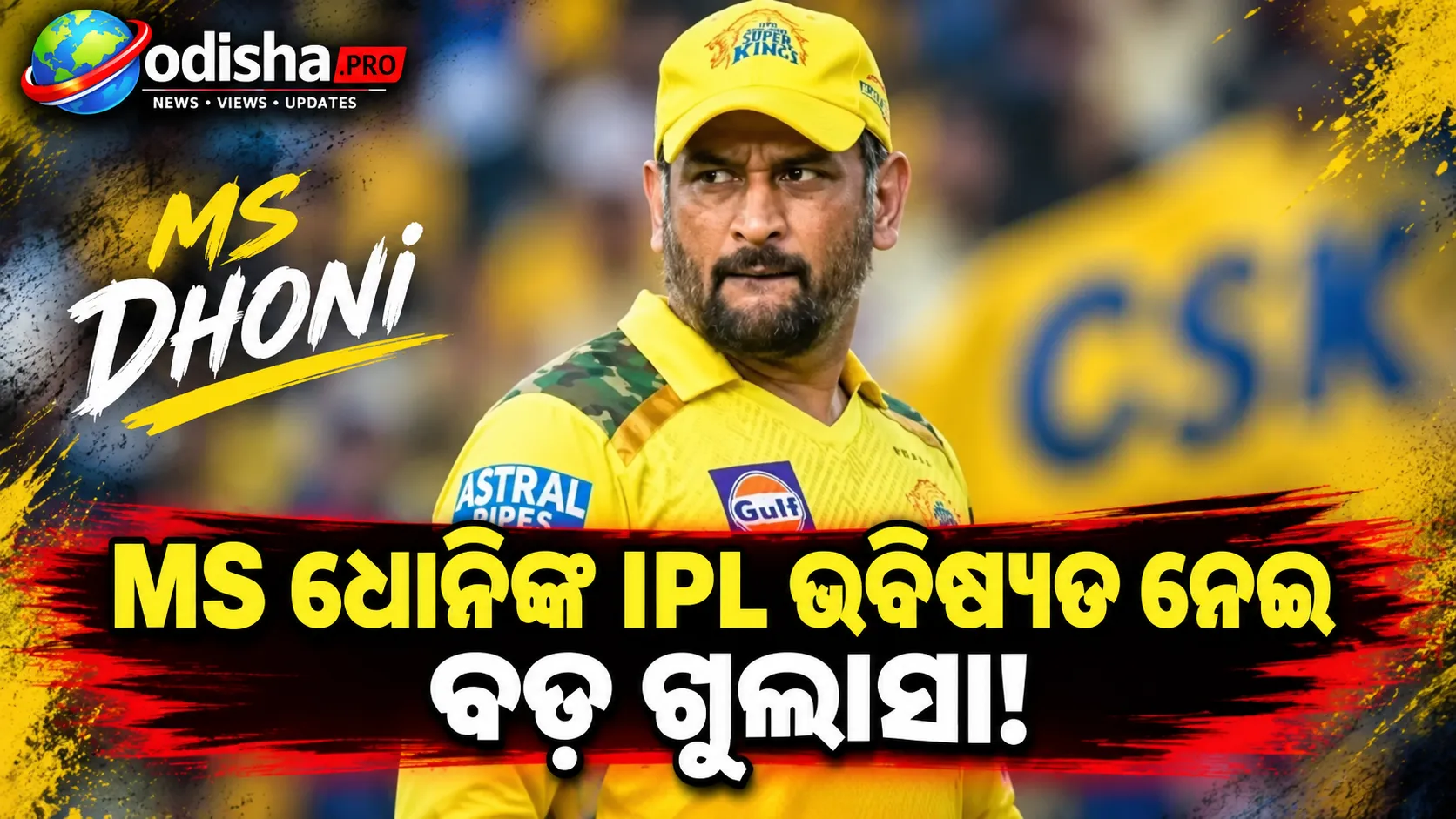
ଚେନ୍ନାଇ ସୁପର କିଙ୍ଗ୍ସର ପୂର୍ବତନ ଖେଳାଳିଏସ୍. ବଦ୍ରିନାଥଭ...
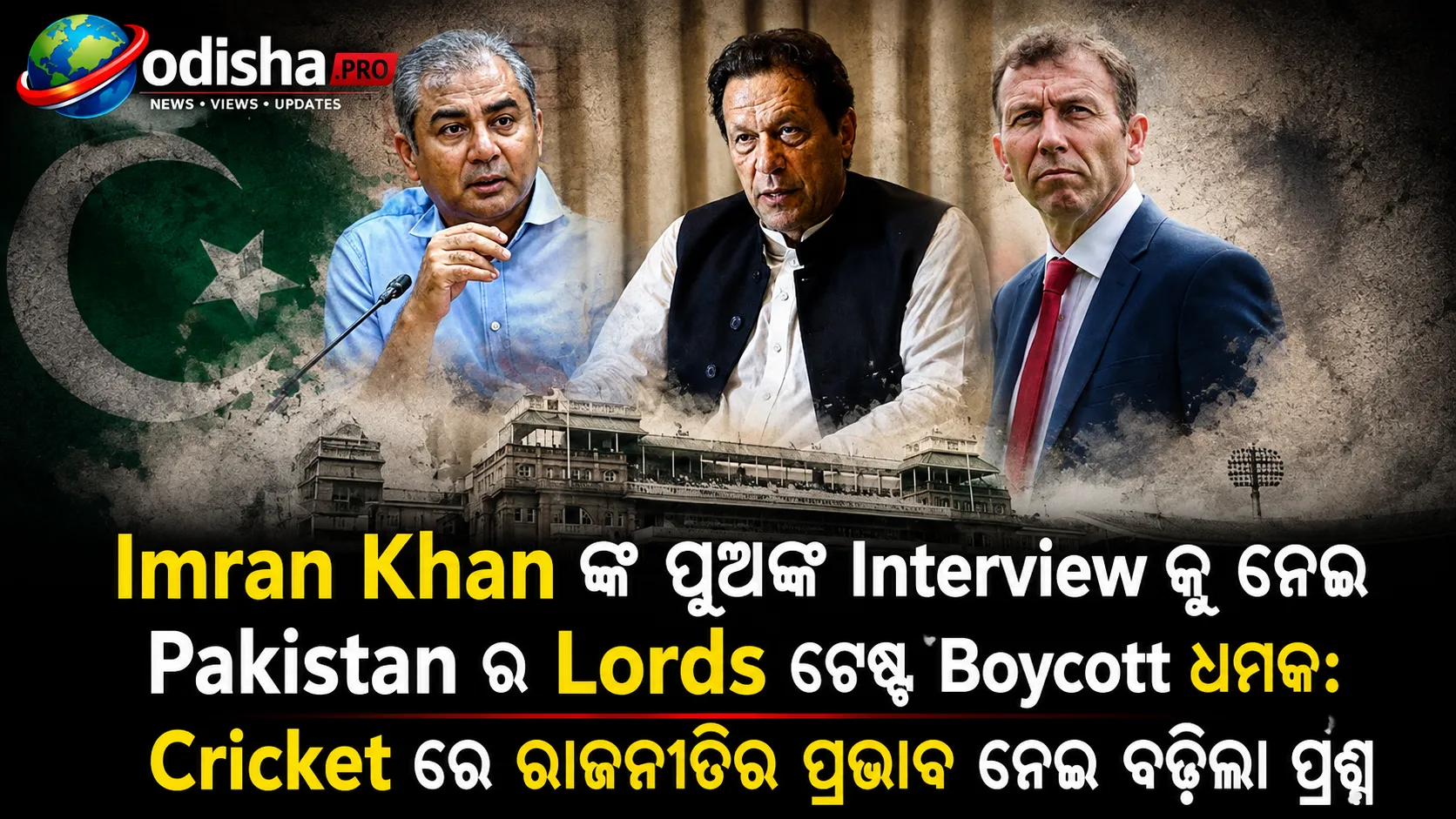
ଇଂଲଣ୍ଡ ଓ ପାକିସ୍ତାନ ମଧ୍ୟରେ ଲର୍ଡ୍ସରେ ଚାଲିଥିବା ଟେଷ୍ଟକ...
ଭୁବନେଶ୍ୱର:ବିଜୁ ଜନତା ଦଳ (ବିଜେଡି) ନିଜ ସଂଗଠନକୁ ଆହୁରି...
