










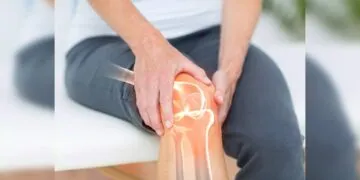
For decades, joint pain was associated with aging. But today, an increasing number of people in their 30s are reporting knee pain, back stiffness, shoulder discomfort, and even early signs of arthritis. So what’s really happening?
Let’s explore the major reasons behind this growing problem.
Modern work culture involves long hours of sitting — whether at offices or working from home. Prolonged sitting weakens muscles, reduces joint mobility, and increases pressure on the spine and knees. Weak muscles fail to support joints properly, leading to pain and stiffness.
Lack of daily movement also reduces synovial fluid circulation, which is essential for joint lubrication.
Slouching while working on laptops or scrolling on phones causes misalignment of the spine, neck, and shoulders. Over time, this leads to chronic strain, muscle imbalance, and joint discomfort.
“Text neck” and lower back pain are becoming extremely common in young adults.
Extra body weight puts additional stress on weight-bearing joints like knees, hips, and ankles. Even 5–10 extra kilos can significantly increase joint pressure, accelerating cartilage wear.
Early joint degeneration can increase the risk of conditions like Osteoarthritis, which was once more common in older adults.
While over-exercising can cause injury, complete inactivity is equally harmful. Muscles protect joints — and without strength training or mobility exercises, joints become unstable.
Weak core muscles also contribute to chronic lower back pain.
Many young adults have low levels of Vitamin D, calcium, magnesium, and omega-3 fatty acids. These nutrients are essential for bone density and joint health.
Vitamin D deficiency, in particular, is strongly linked to musculoskeletal pain and fatigue.
Chronic stress increases cortisol levels, which may contribute to systemic inflammation. Inflammatory conditions like Rheumatoid arthritis can even begin in early adulthood.
Poor sleep further worsens inflammation and slows tissue recovery.
Intense gym routines, improper form, lack of stretching, and skipping rest days can cause micro-injuries. Over time, repetitive stress leads to tendonitis and joint irritation.
Balance between strength training, mobility, and recovery is crucial.
Consult a healthcare professional if you experience:
Persistent swelling
Morning stiffness lasting more than 30 minutes
Severe pain during movement
Joint redness or warmth
Pain lasting more than a few weeks
Early diagnosis prevents long-term damage.
Strength train 2–3 times weekly
Maintain healthy body weight
Improve posture and ergonomic setup
Stretch daily
Get sunlight for Vitamin D
Stay hydrated
Sleep 7–8 hours per night
Prevention is far easier than treatment.
Joint pain in your 30s is becoming increasingly common due to lifestyle changes, stress, and inactivity. The good news? Most causes are reversible with small but consistent lifestyle improvements. Taking care of your joints now can prevent chronic problems later in life.
ନ୍ୟୁୟର୍କ: ୟୁଏସ୍‌ ଓପନ୍‌ରେ ଭାରତୀୟ ଟେନିସ୍&z...
ନ୍ୟୁୟର୍କ: US Open 2026 ଦ୍ୱିତୀୟ ସପ୍ତାହରେ ପହଞ୍ଚିଛି।...
ଉତ୍ତରପ୍ରଦେଶରେ ଶ୍ରମିକ ଓ ଅନ୍ୟାନ୍ୟ ଦୁର୍ବଳ ପରିବାରର ପିଲ...
ଦକ୍ଷିଣ ଦିଲ୍ଲୀର ସତ୍ୟ ନିକେତନରେ ଭୁଶୁଡ଼ି ପଡ଼ିଥିବା ଏକ P...

ମେଷ ଏହି ସପ୍ତାହରେ ଆତ୍ମବିଶ୍ୱାସ ବଢ଼ିବ। କାର୍ଯ୍ୟକ୍ଷେ...
ଚେନ୍ନାଇ ସୁପର କିଙ୍ଗ୍ସର ପୂର୍ବତନ ଖେଳାଳିଏସ୍. ବଦ୍ରିନାଥଭ...
ମହାରାଷ୍ଟ୍ରର ପୁଣେ ଓ ପିମ୍ପ୍ରି-ଚିଞ୍ଚୱାଡ ଅଞ୍ଚଳରେ ରବିବା...
ପାକିସ୍ତାନ କ୍ରିକେଟ୍ ବୋର୍ଡ (PCB) ଏବେ ଦଳର ଚୟନ କମିଟି ଏ...
ଦିଲ୍ଲୀର ସତ୍ୟ ନିକେତନରେ ‘Hostel Daze’ ନା...
