




Dementia — a progressive decline in memory, thinking and everyday functioning — is emerging as one of India’squietest yet most profound health challenges. With a rapidly ageing population and increasing life expectancy, India now has an estimated7.4 % of those aged 60 and above living with dementia, translating to roughly8.8 million peopleaffected today. These numbers are projected to balloon in the decades ahead as the elderly share of the population grows.
Unlike acute epidemics, dementia unfoldssilently over years, often dismissed as “normal ageing” by families and communities — which delays diagnosis and care. Alzheimer’s disease — the most common form of dementia — accounts for a majority of cases and progressively robs individuals of memory, judgement and independence, eventually requiring round‑the‑clock support.
The impact of dementia extends far beyond individuals. Families often shoulderemotional and financial burdensas caregiving responsibilities fall on relatives, and most long‑term care remains paid out‑of‑pocket due to limited insurance coverage and social support systems in India. Early symptoms are frequently overlooked until advanced stages, further limiting opportunities for supportive interventions when they might help most.
Chronic lifestyle conditions such asdiabetes and hypertension— widely prevalent in India — also raise dementia risk and compound public health concerns. India’s challenge is twofold: rising numbers of affected people and ahealthcare and social infrastructure that is still inadequately equippedto meet long‑term care needs. Improved awareness, early diagnosis and policy‑level commitment to dementia care are urgently needed to mitigate the growing toll of this silent epidemic.

ଆମେରିକାନ୍ ଏୟାରଲାଇନ୍ସର ଏକ ଉଡ଼ାଣ ବେଳେ ଜଣେ ଯାତ୍ରୀଙ୍କ...
ଦିଲ୍ଲୀର ସତ୍ୟ ନିକେତନରେ ‘Hostel Daze’ ନା...
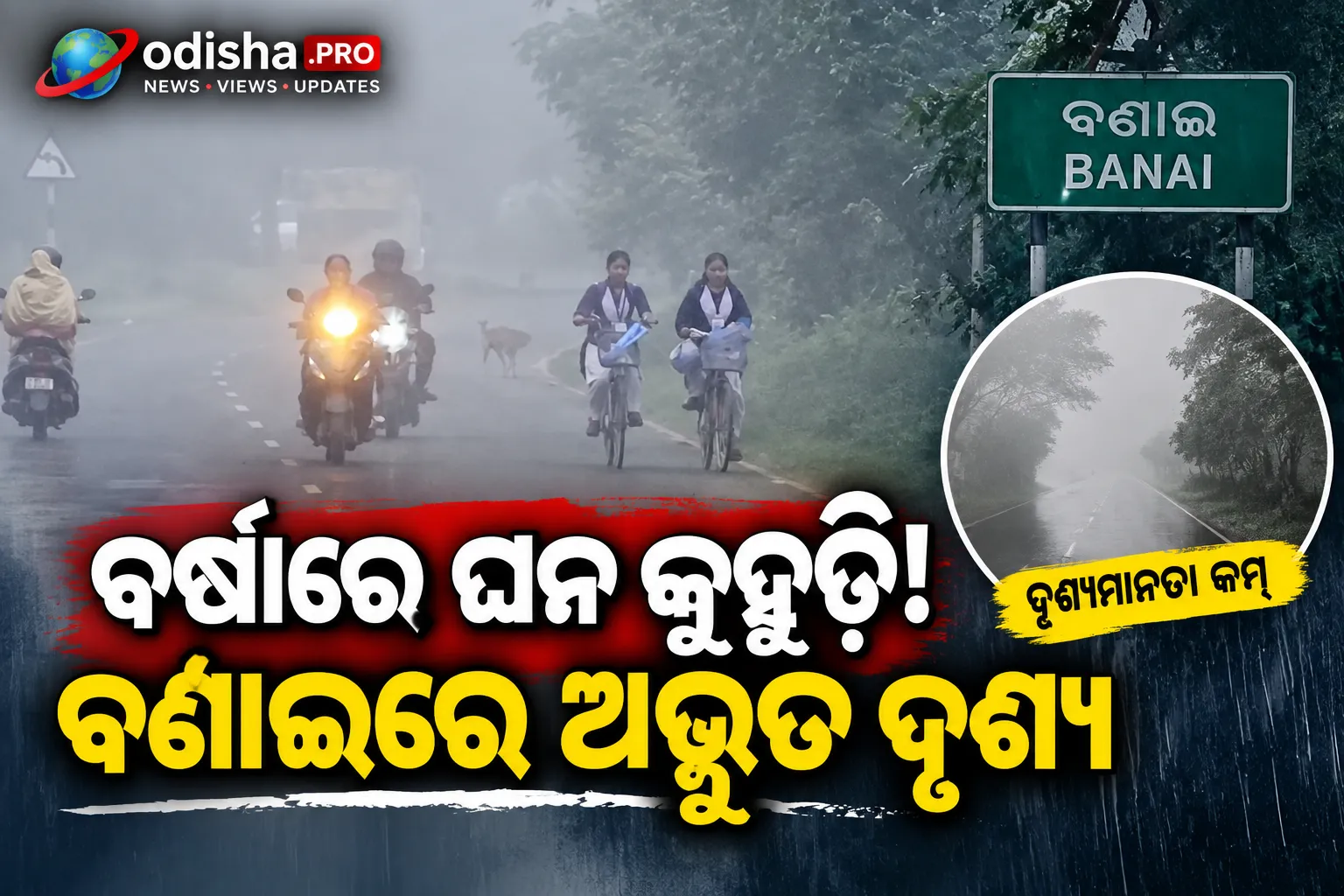
ସୁନ୍ଦରଗଡ଼ ଜିଲ୍ଲା ବଣାଇରେ ଶନିବାର ସକାଳେ ପାଣିପାଗର ଏକ ଅ...
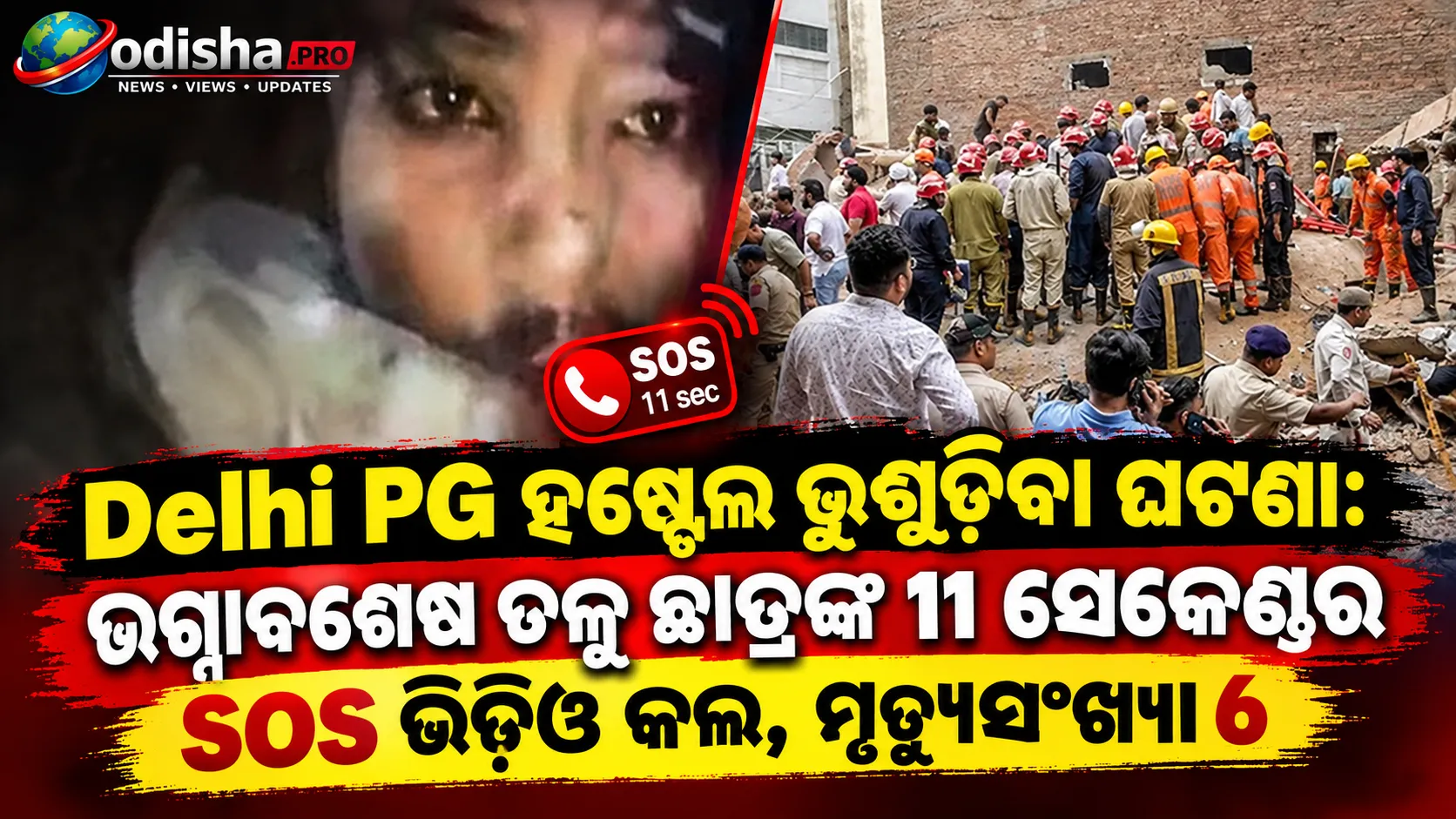
ଦକ୍ଷିଣ ଦିଲ୍ଲୀର ସତ୍ୟ ନିକେତନରେ ଭୁଶୁଡ଼ି ପଡ଼ିଥିବା ଏକ P...
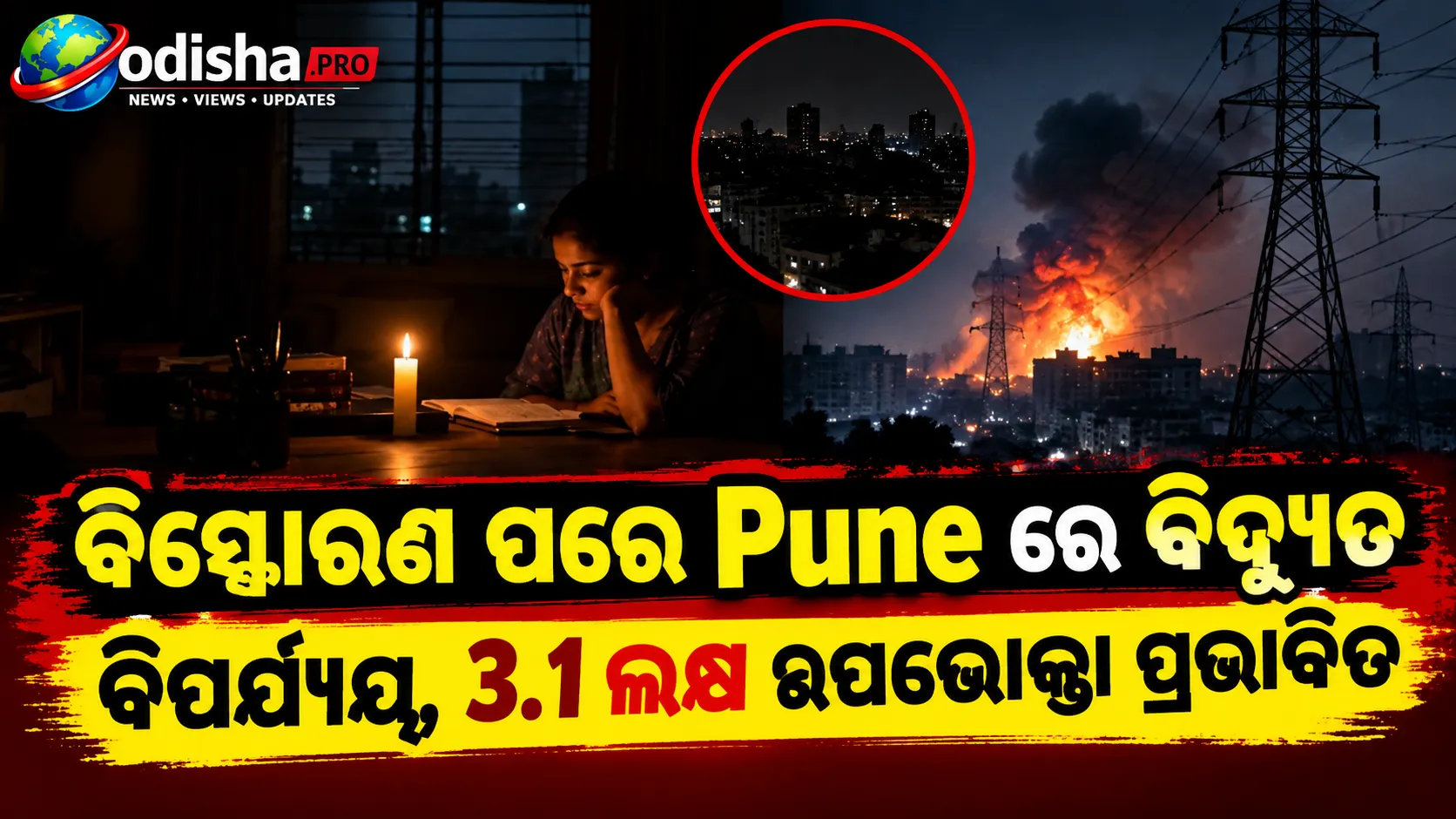
ମହାରାଷ୍ଟ୍ରର ପୁଣେ ଓ ପିମ୍ପ୍ରି-ଚିଞ୍ଚୱାଡ ଅଞ୍ଚଳରେ ରବିବା...
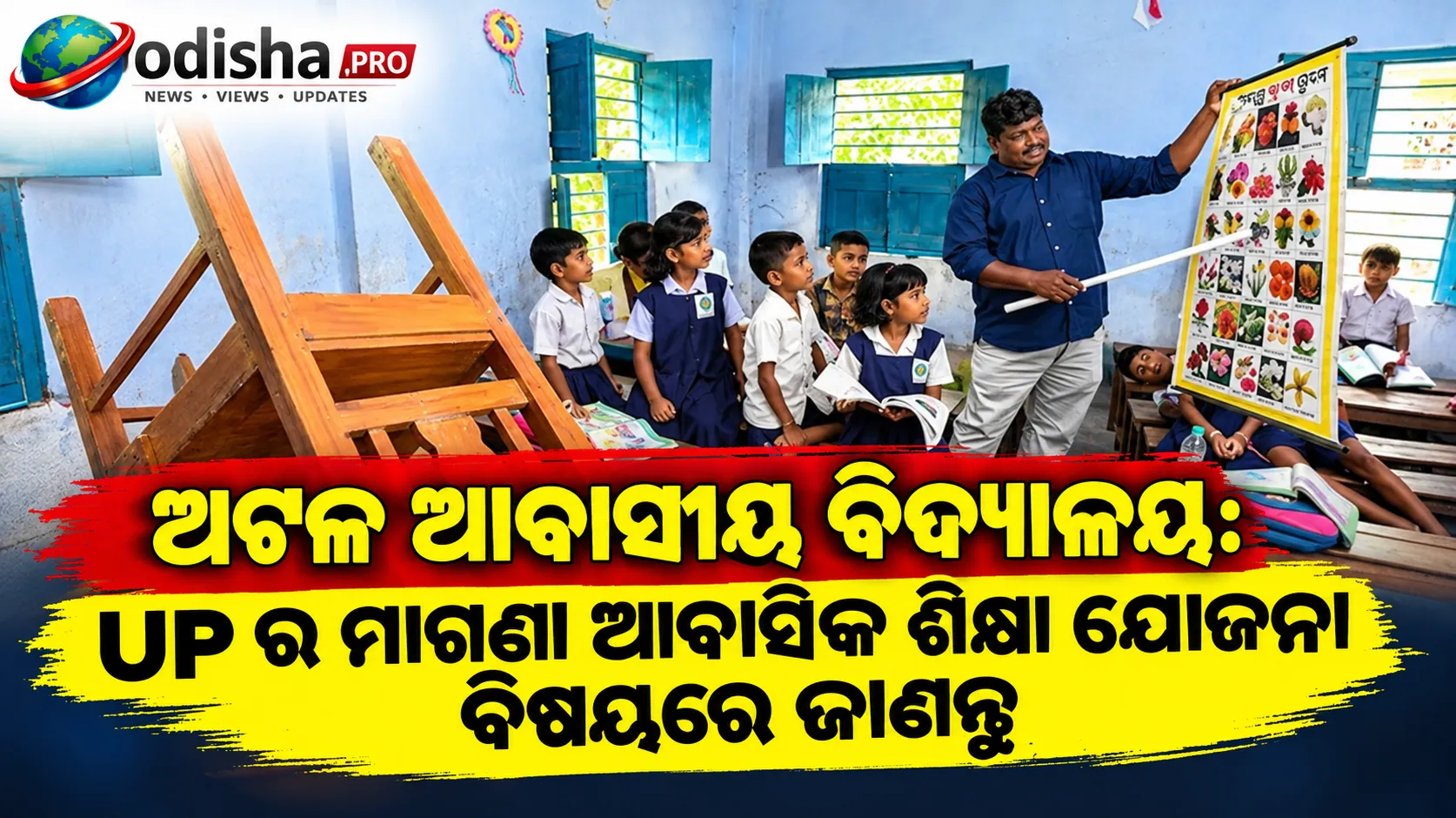
ଉତ୍ତରପ୍ରଦେଶରେ ଶ୍ରମିକ ଓ ଅନ୍ୟାନ୍ୟ ଦୁର୍ବଳ ପରିବାରର ପିଲ...