



During the ongoing Magh Mela in Prayagraj, a dispute has emerged between disciples of Swami Avimukteshwaranand and the fair administration, sparking a political and religious controversy. The administration issued a notice to the Swami, questioning the basis of his claim as the Shankaracharya of Jyotirmath, following a Supreme Court order that had halted Shankaracharya appointments and consecrations.
Swami Avimukteshwaranand has been recognised as the Shankaracharya of Jyotirmath since 2022, but his appointment has faced opposition due to an unresolved succession dispute that traces back over 80 years. The controversy began after the death of Swami Brahmananda Saraswati in 1953, leading to multiple competing claims and legal challenges regarding legitimate succession.
Historical disputes included Swami Shantanand Saraswati, Swami Dwarkesananda Saraswati, Swami Vishnudevananda Saraswati, Swami Paramananda Saraswati, and later Swami Swaroopanand Saraswati, resulting in parallel claims to the Jyotirmath Shankaracharya seat. The Allahabad High Court in 2017 declined to recognise either of the then-claimants as legitimate.
Following the death of Swami Swaroopanand Saraswati in September 2022, Swami Avimukteshwaranand declared himself Shankaracharya, though the Supreme Court halted his coronation citing an earlier order prohibiting appointments beyond October 17, 2022. Conflicting references in the Supreme Court order further complicated the matter, leaving the dispute unresolved.
The Magh Mela incident and subsequent notice have revived debates over legitimacy, religious authority, and legal adherence. Scholars, religious institutions, and the judiciary continue to examine the historical and legal complexities surrounding the Jyotirmath Shankaracharya succession, with a final verdict from the Supreme Court still awaited.
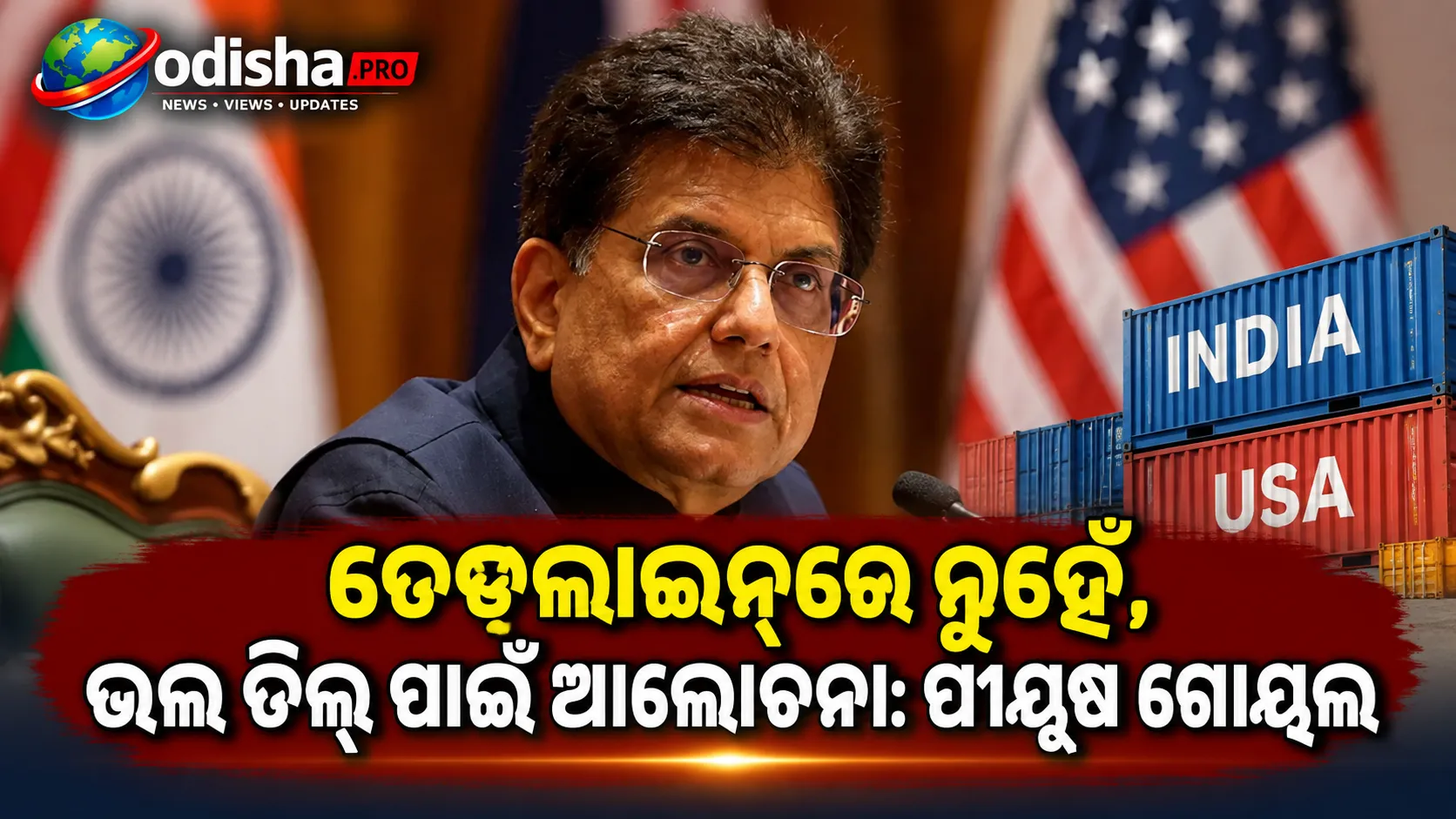
କେନ୍ଦ୍ର ବାଣିଜ୍ୟ ଓ ଶିଳ୍ପ ମନ୍ତ୍ରୀ ପୀୟୂଷ ଗୋୟଲ ଶୁକ୍ରବା...
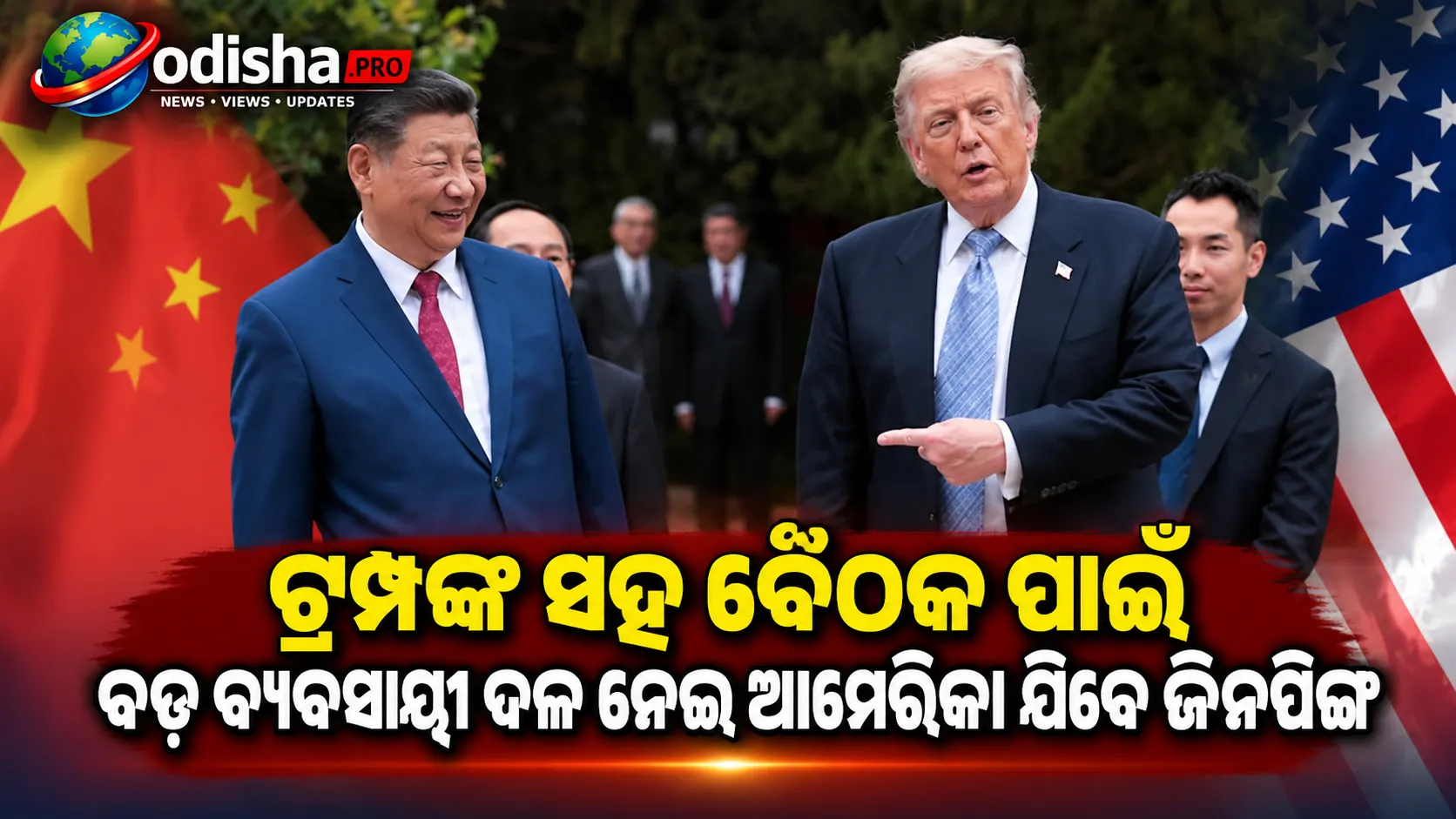
ଆମେରିକା-ଚୀନ୍ ବାଣିଜ୍ୟ ସମ୍ପର୍କ ମଧ୍ୟରେ ଆଉ ଏକ ବଡ଼ କୂଟନ...
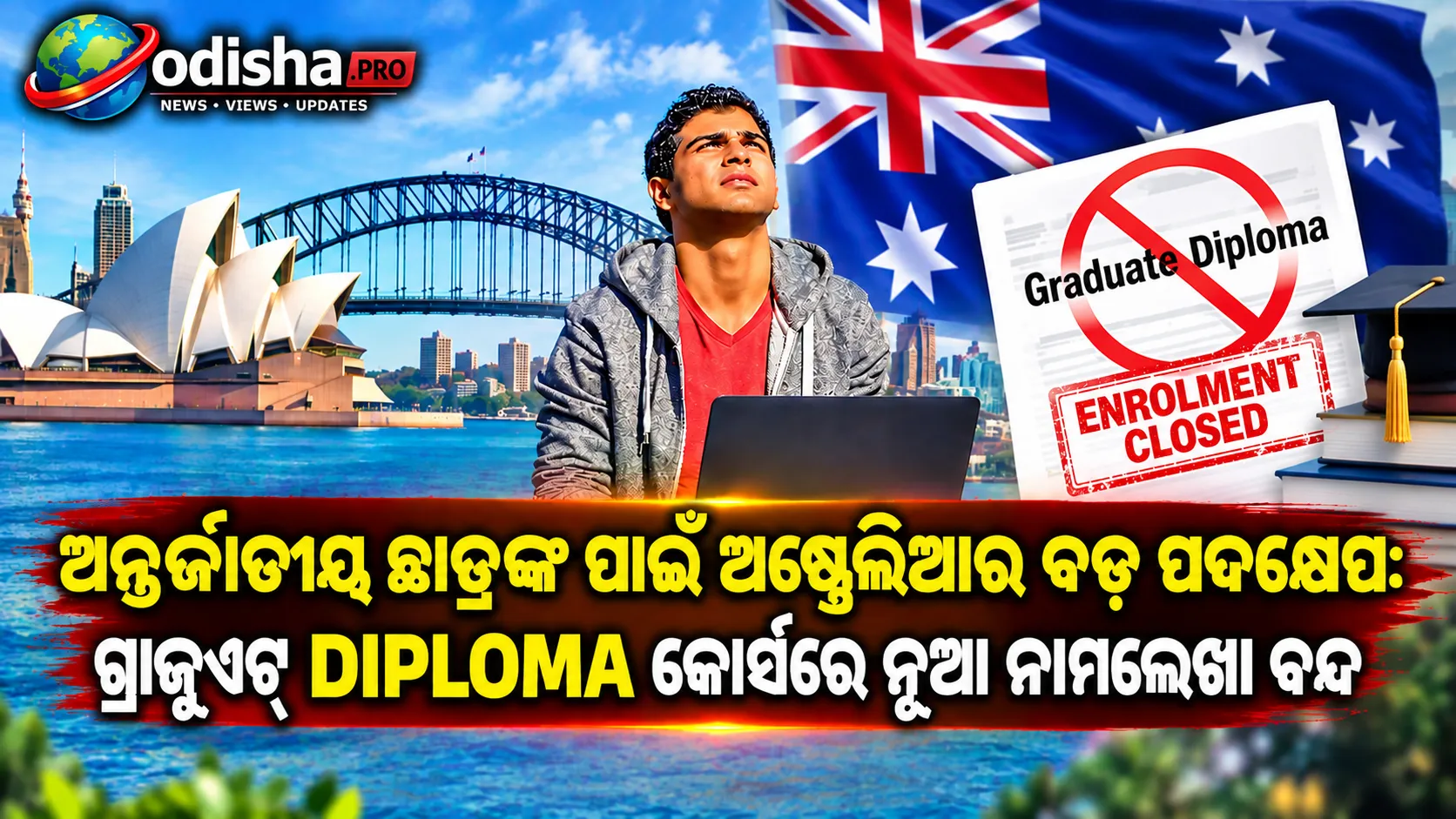
ଅନ୍ତର୍ଜାତୀୟ ଛାତ୍ରଙ୍କ ଭିସା ବ୍ୟବସ୍ଥାର ଦୁରୁପଯୋଗ ରୋକିବ...
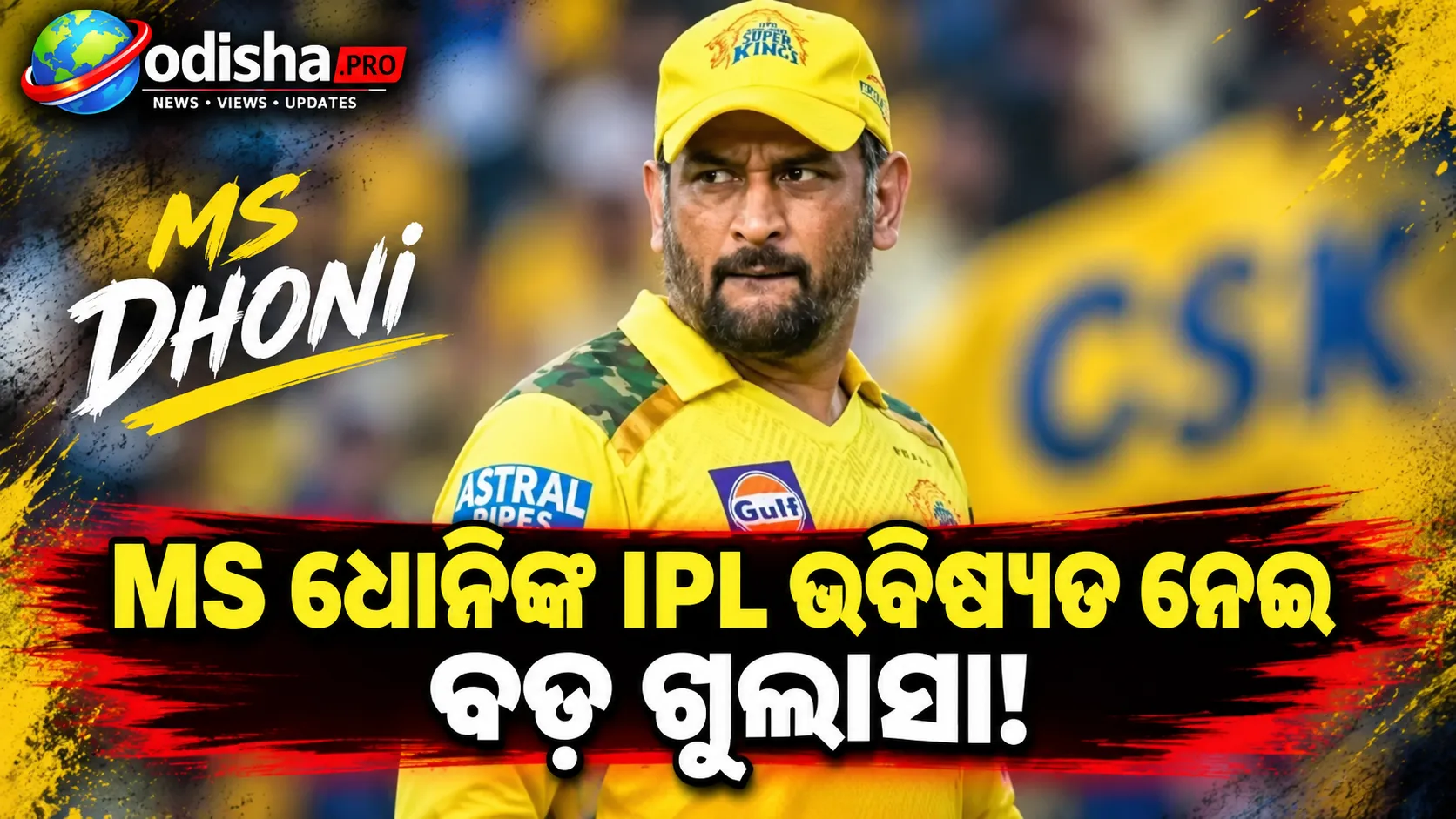
ଚେନ୍ନାଇ ସୁପର କିଙ୍ଗ୍ସର ପୂର୍ବତନ ଖେଳାଳିଏସ୍. ବଦ୍ରିନାଥଭ...
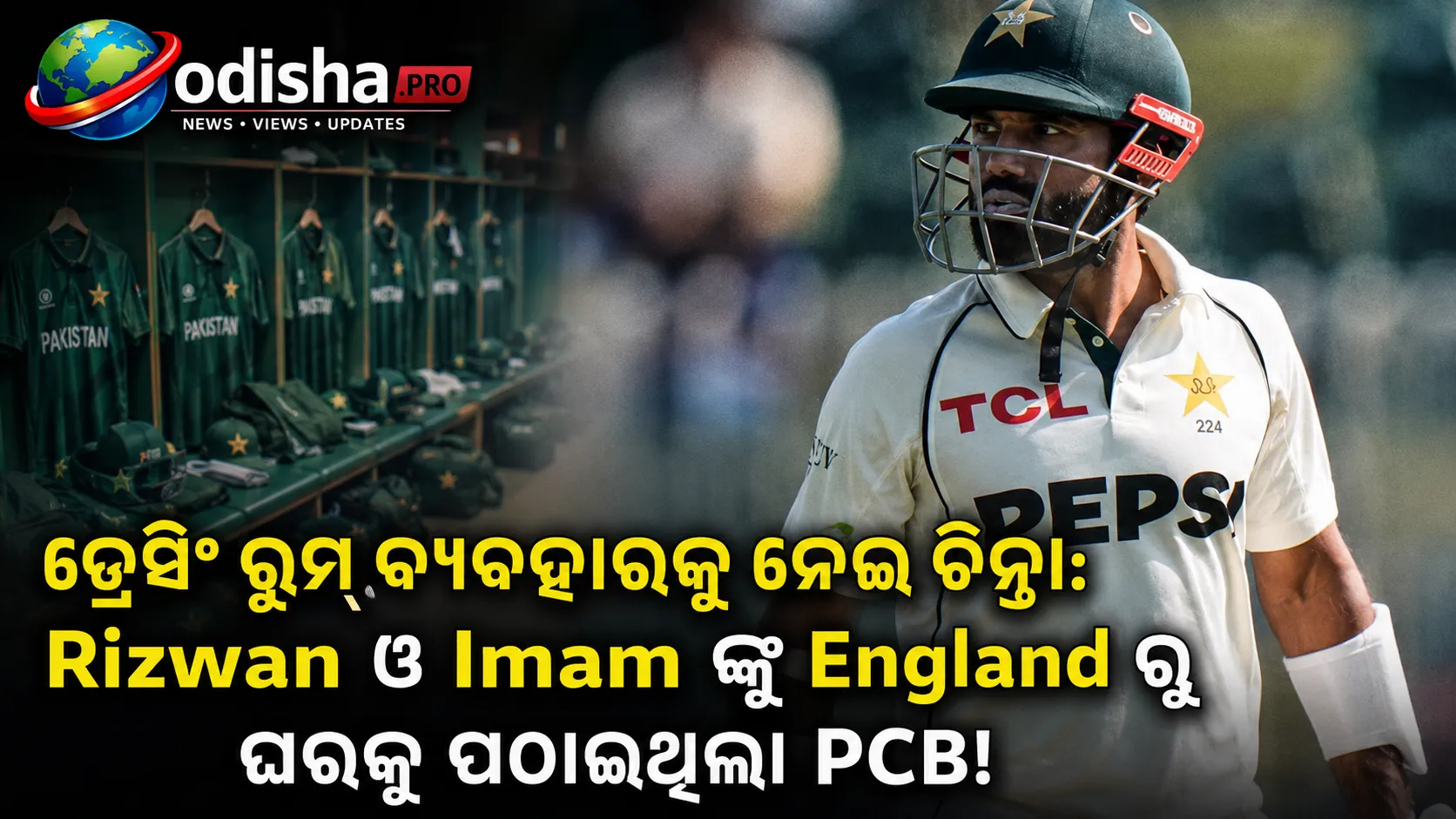
ଇଂଲଣ୍ଡ ବିପକ୍ଷ ଟେଷ୍ଟ ସିରିଜ୍ ମଧ୍ୟରେ ପାକିସ୍ତାନ କ୍ରିକେ...
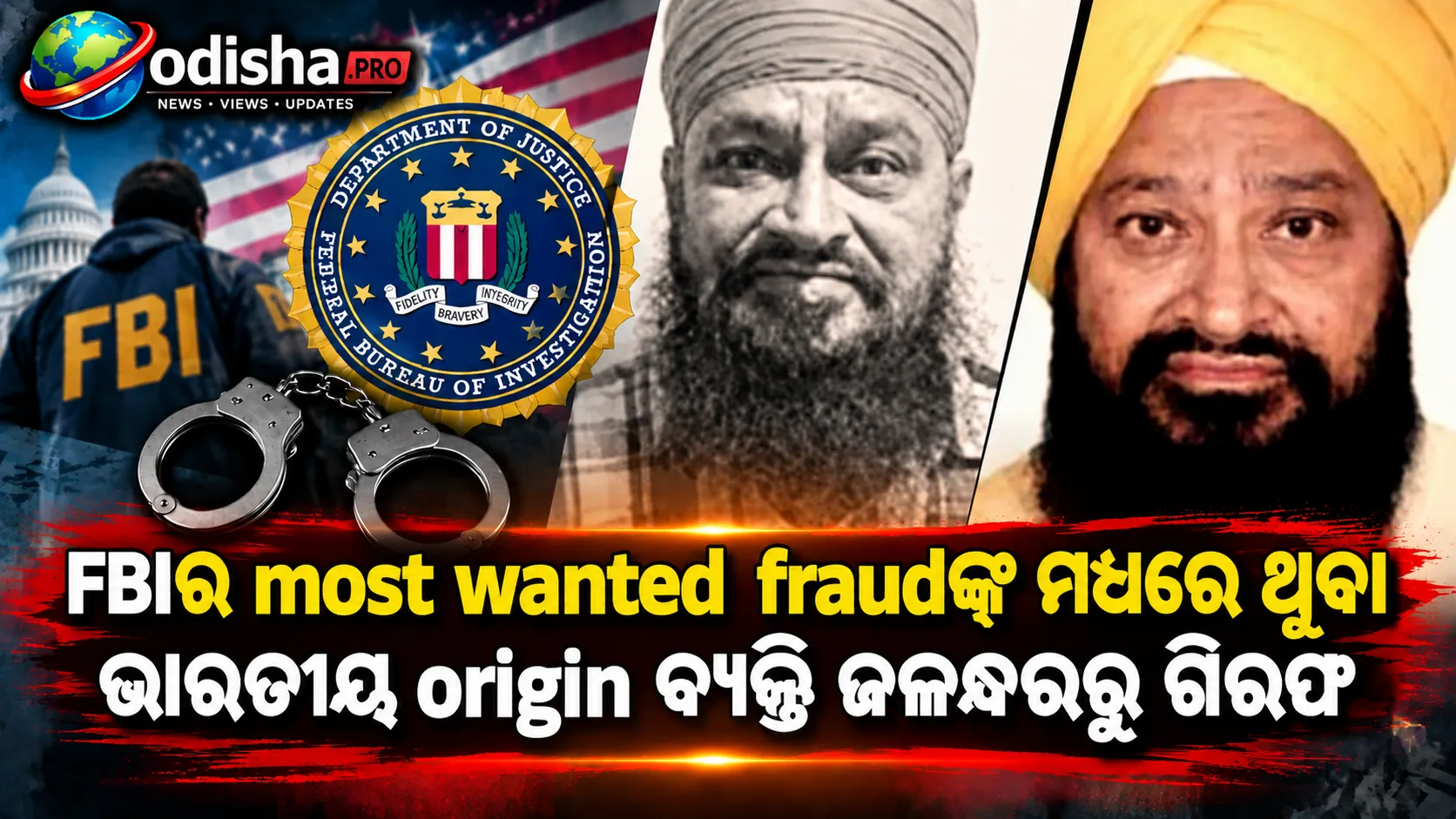
ଜଳନ୍ଧର କମିଶନରେଟ୍ ପୋଲିସ ଆମେରିକାରSupplemental Nutrit...
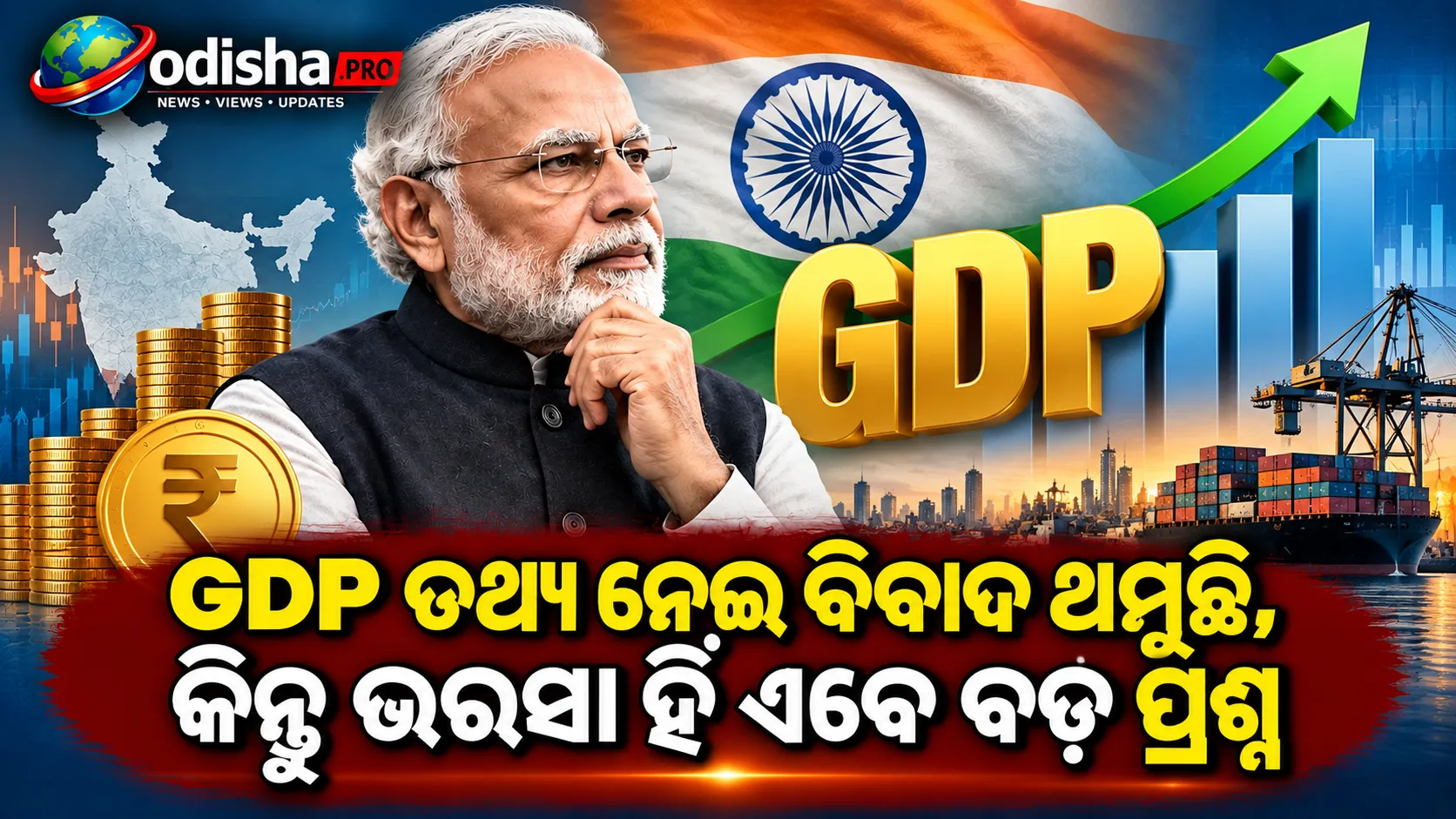
ଭାରତର ନୂଆ GDP ତଥ୍ୟକୁ ନେଇ ଚାଲିଥିବା ବିତର୍କ ଧୀରେ ଧୀରେ...
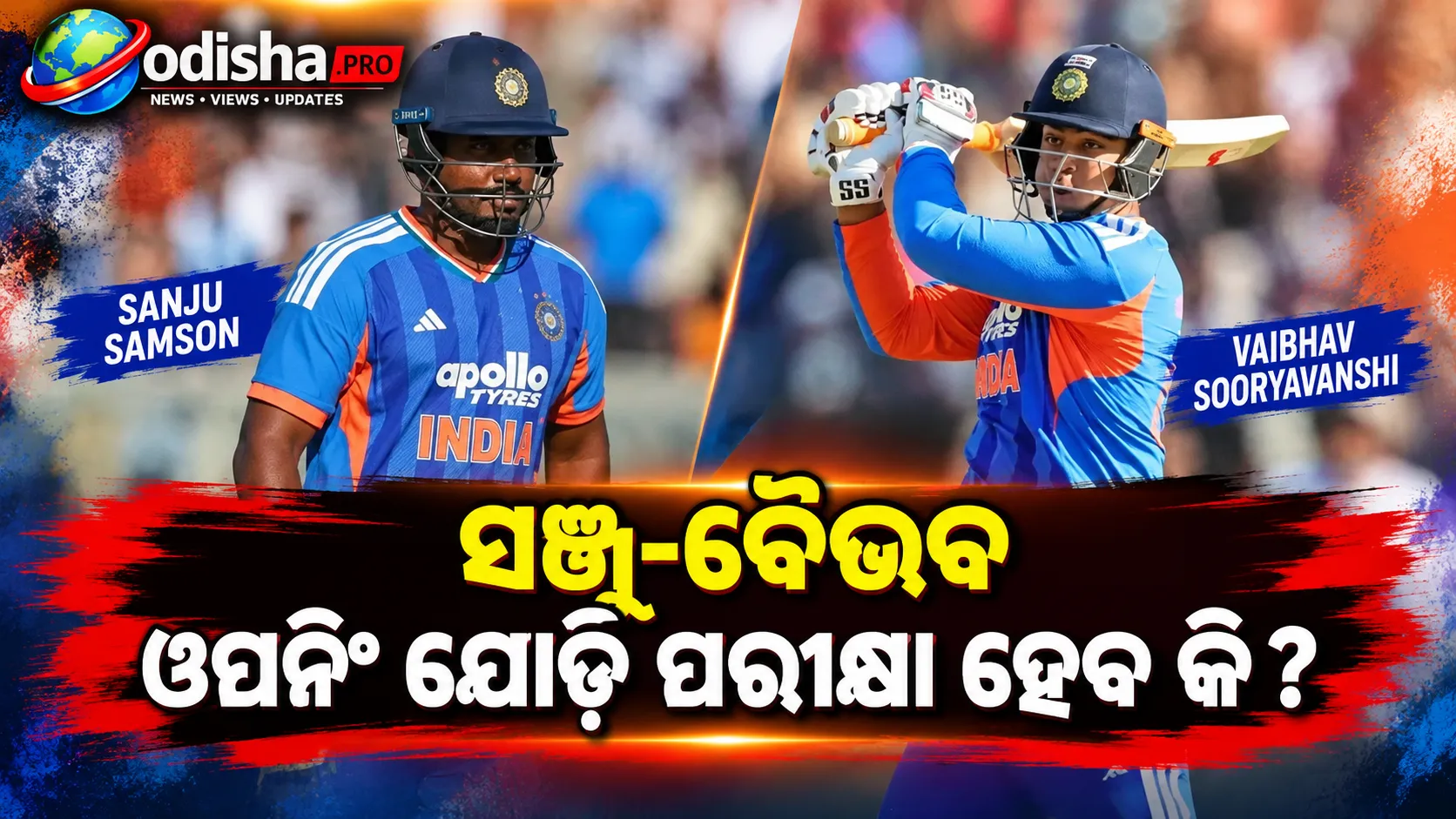
ଭାରତୀୟ ଟି-୨୦ ଦଳରେ ଓପନିଂ ଯୋଡ଼ିକୁ ନେଇ ପରୀକ୍ଷା ଜାରି ର...
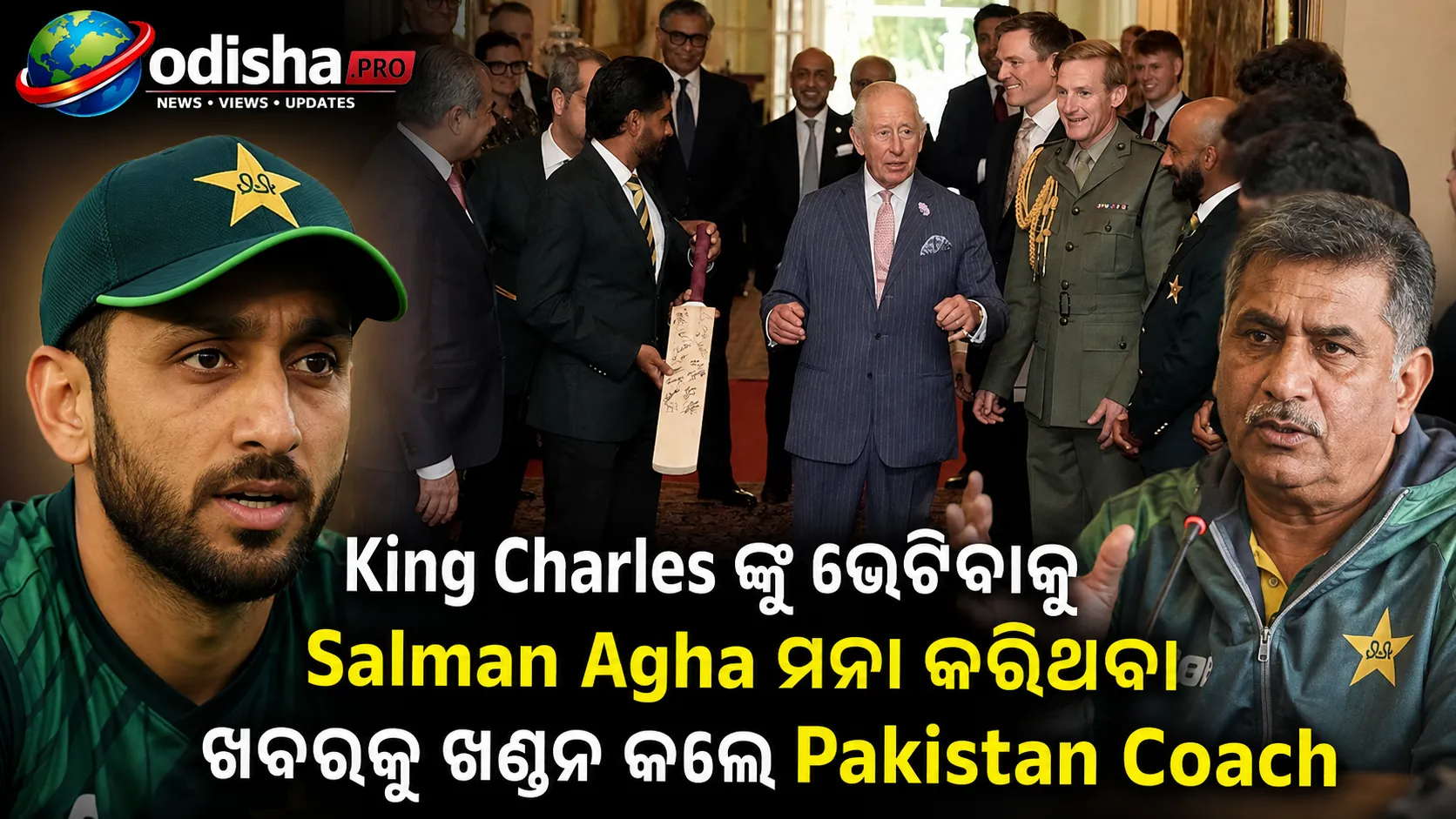
ପାକିସ୍ତାନ କ୍ରିକେଟ୍ ବୋର୍ଡ (PCB) ଏବେ ଦଳର ଚୟନ କମିଟି ଏ...
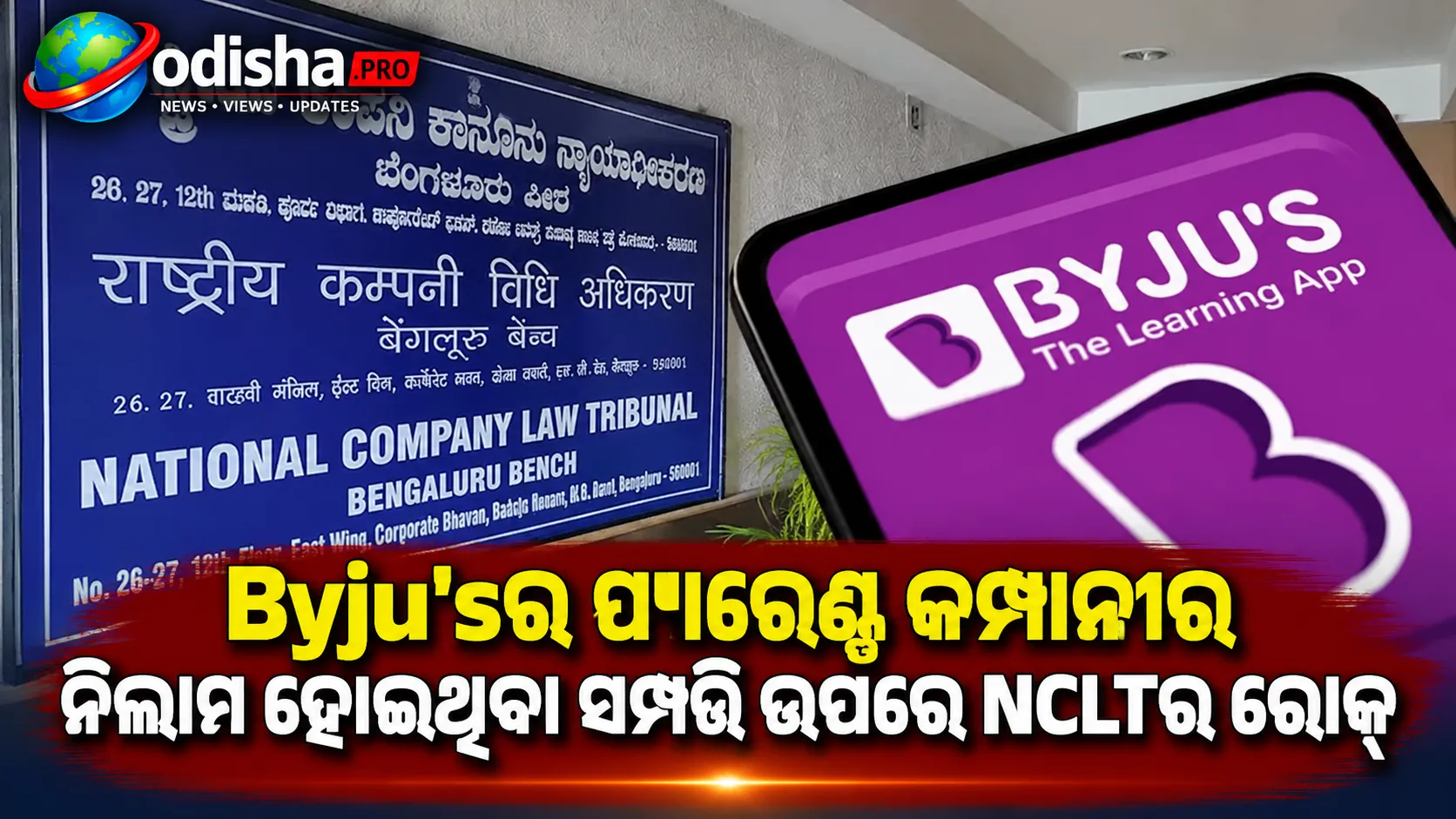
Byju’sର ପ୍ୟାରେଣ୍ଟ କମ୍ପାନୀ **Think and Learn...