


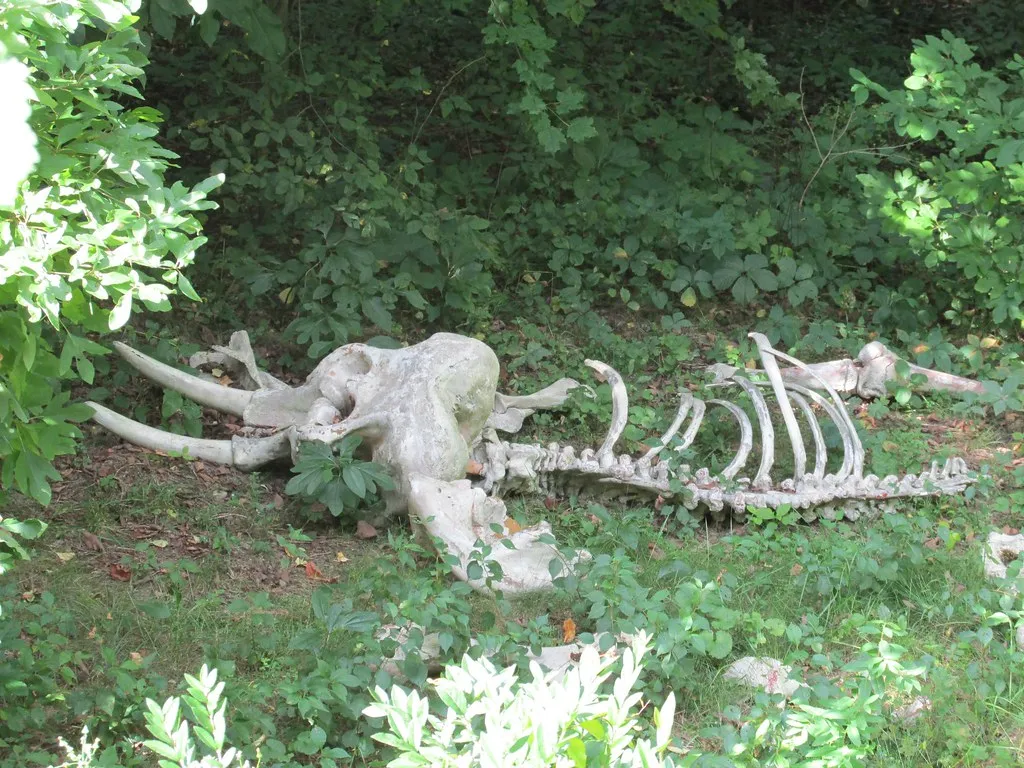
The preservation of elephant Ramu’s skeleton in Bhubaneswar is progressing steadily, with officials confirming that the restored remains will eventually be displayed for public viewing. After spending seven days submerged in a chemical solution, the bones were removed from the preservation tank on Monday. The treatment, which included immersion in formalin, was aimed at preventing long-term damage and deterioration of the skeletal structure.
Following the chemical process, the bones are now being dried under sunlight, marking the next stage of restoration. Animal expert Siba Prasad Panigrahi explained that this treatment was essential due to the skeleton having been buried, and that insect-related damage has been neutralised.
Repair work will be carried out in phases, with priority given to cracked or damaged bones such as the skull, ribs, mandible, and girdle. The skull alone may take about a week to restore, while other bones may require up to two weeks of repair. Cracks will be filled with fibre or Plaster of Paris, and the final stage will include colouring to complete the assembly.
Officials noted that protective measures, such as mesh coverings, will prevent small bones from being displaced during drying. Once fully restored, the skeleton will serve not only as a public exhibit but also as a valuable resource for scientific research in areas like elephant behaviour, toxicology, and forensics. If all processes go as planned, the entire preservation and assembly work is expected to be completed within three months.

ମଧ୍ୟପ୍ରଦେଶର ଛତରପୁର ଜିଲ୍ଲାରେ ଏକ ଅଭାବନୀୟ ଘଟଣା ସାମ୍ନା...

ଆମେରିକାର ଅର୍ଥନୀତିକୁ ନେଇ ବଢ଼ୁଛି ଚିନ୍ତା। ଦେଶର ଜାତୀୟ...

ପ୍ରସିଦ୍ଧ ଖ୍ରୀଷ୍ଟିଆନ୍ ହେଭି ମେଟାଲ୍ ବ୍ୟାଣ୍ଡ Demon Hun...

ଶିଶୁଙ୍କ ଗୋପନୀୟତା ଉଲ୍ଲଂଘନ ଅଭିଯୋଗରେ ଆମେରିକା ସରକାରକୁ...

ଭୁବନେଶ୍ୱର/ନୂଆଦିଲ୍ଲୀ: ସୁନା ଗହଣା, ଲକ୍‌ଜୁରୀ ହ୍ୟା...

୨୦୨୬ ଏସିଆନ୍ ଗେମ୍ସ ଆରମ୍ଭ ହେବାକୁ ଆଉ ଅଳ୍ପ ସମୟ ବାକି ଥି...
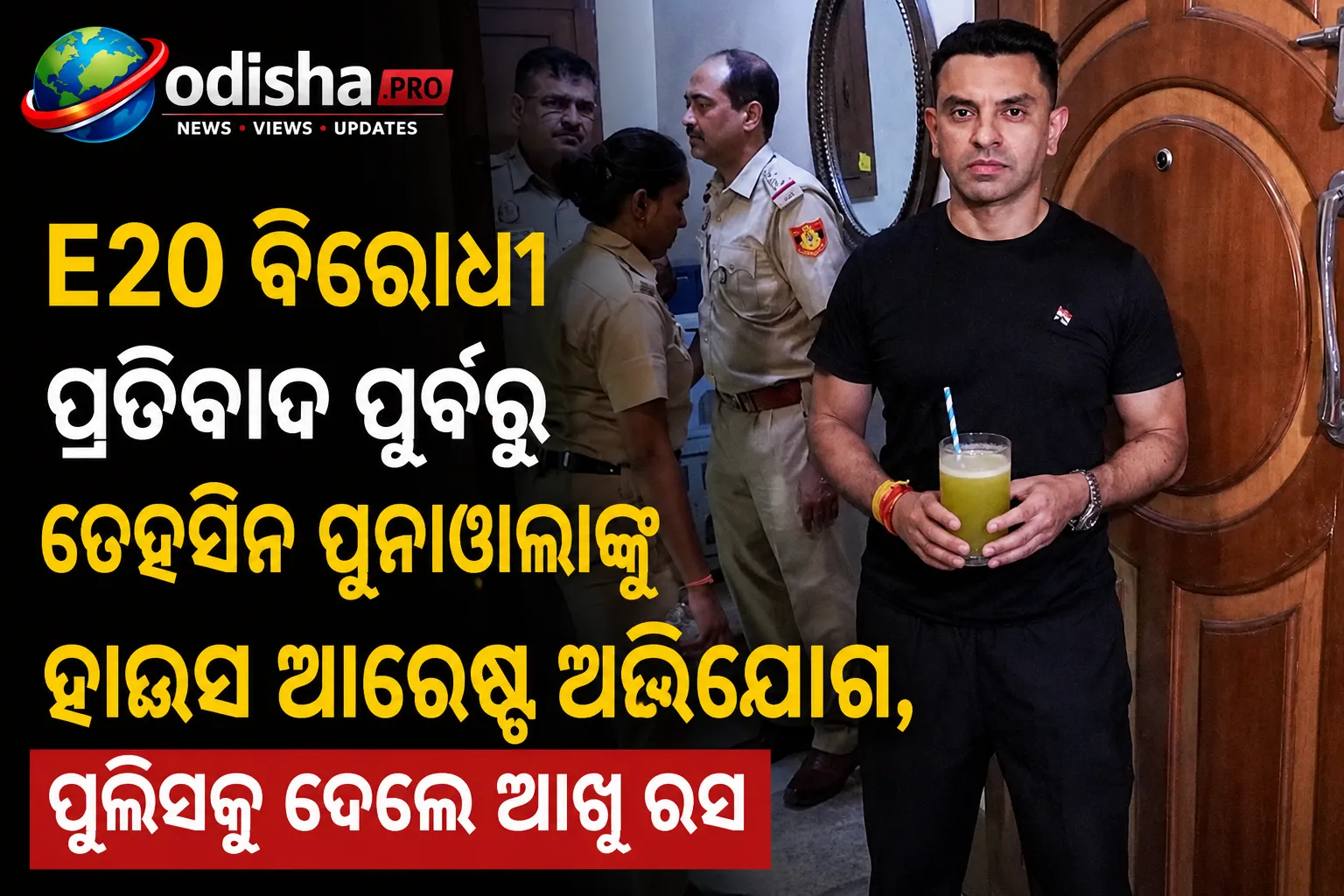
ସାମାଜିକ କର୍ମୀ ତେହସିନ ପୁନାୱାଲା ଶନିବାର ଦିଲ୍ଲୀର ଜନ୍ତର...

ଲଗାତାର କ୍ଷତିର ଧାରା ପରେ ଶୁକ୍ରବାର ଭାରତୀୟ ଶେୟର ବଜାରର...