


TheNational Council of Educational Research and Training (NCERT)recently revised itsClass 8 Social Science textbookto include a chapter onjudicial corruption, pending cases, and accountability mechanisms. (indiatoday.in)
The update, aimed at educating students about the challenges in India’s judiciary, has triggered widespread debate. Senior legal experts and politicians have criticised the inclusion, arguing that it paints a negative picture of the judiciary and could influence young minds unfairly. Senior advocateKapil Sibalcalled the chapter “biased,” while others have voiced concerns about maintaining the credibility of constitutional institutions. (edexlive.com)
The chapter coverspending cases, corruption-related challenges, judicial accountability mechanisms, and references constitutional procedures like theimpeachment of judges by Parliament. It also cites statistics to illustrate case backlogs in theSupreme Court, High Courts, and subordinate courts. (republicworld.com)
Despite the controversy, the revised books arenot yet available for salein stores or online. Schools have reportedly not received the updated editions, creating confusion among teachers and students. NCERT officials have stated that distribution will happen soon, but no exact timeline has been provided. (indiatoday.in)
The row has sparked wider discussions onhow sensitive civic topics should be introduced in school curricula, balancing transparency and factual awareness with the need to protect institutional credibility. The chapter’s publication has also attracted attention from theSupreme Court of India, which has emphasised that the judiciary should not be defamed in educational material. (deccanherald.com)
As students await the official release of the revised textbook, parents, educators, and policymakers are debating how to address suchcontroversial topics in school educationwithout compromising objectivity. (indiatoday.in)
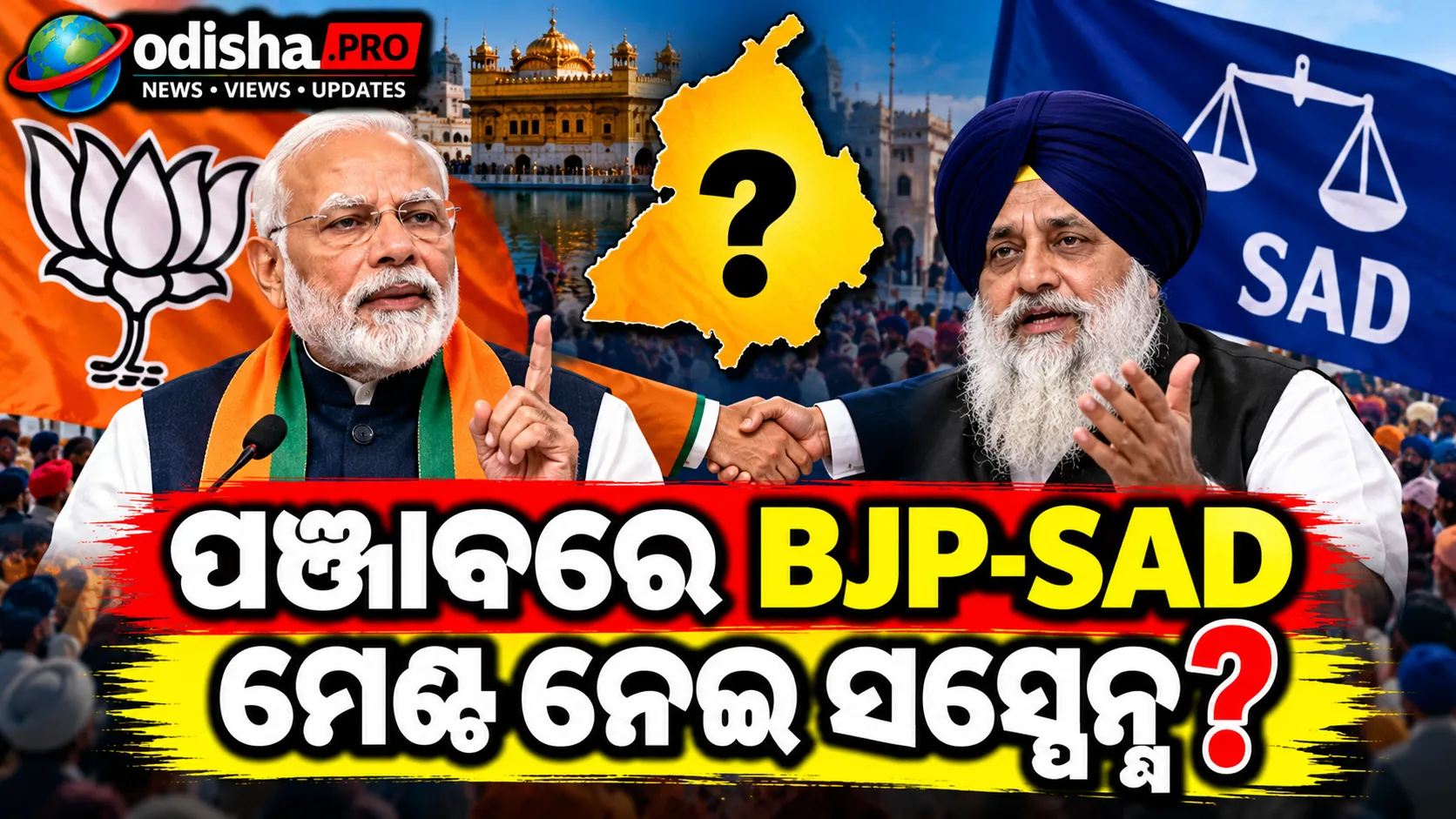
ମେଣ୍ଟ ଉପରେ ଅନ୍ତିମ ନିଷ୍ପତ୍ତି ହାଇକମାଣ୍ଡର SAD ସହ ପ...

Tata Sonsକୁ ନେଇ କାହିଁକି ଚର୍ଚ୍ଚା? Tata Sons ହେଉଛ...
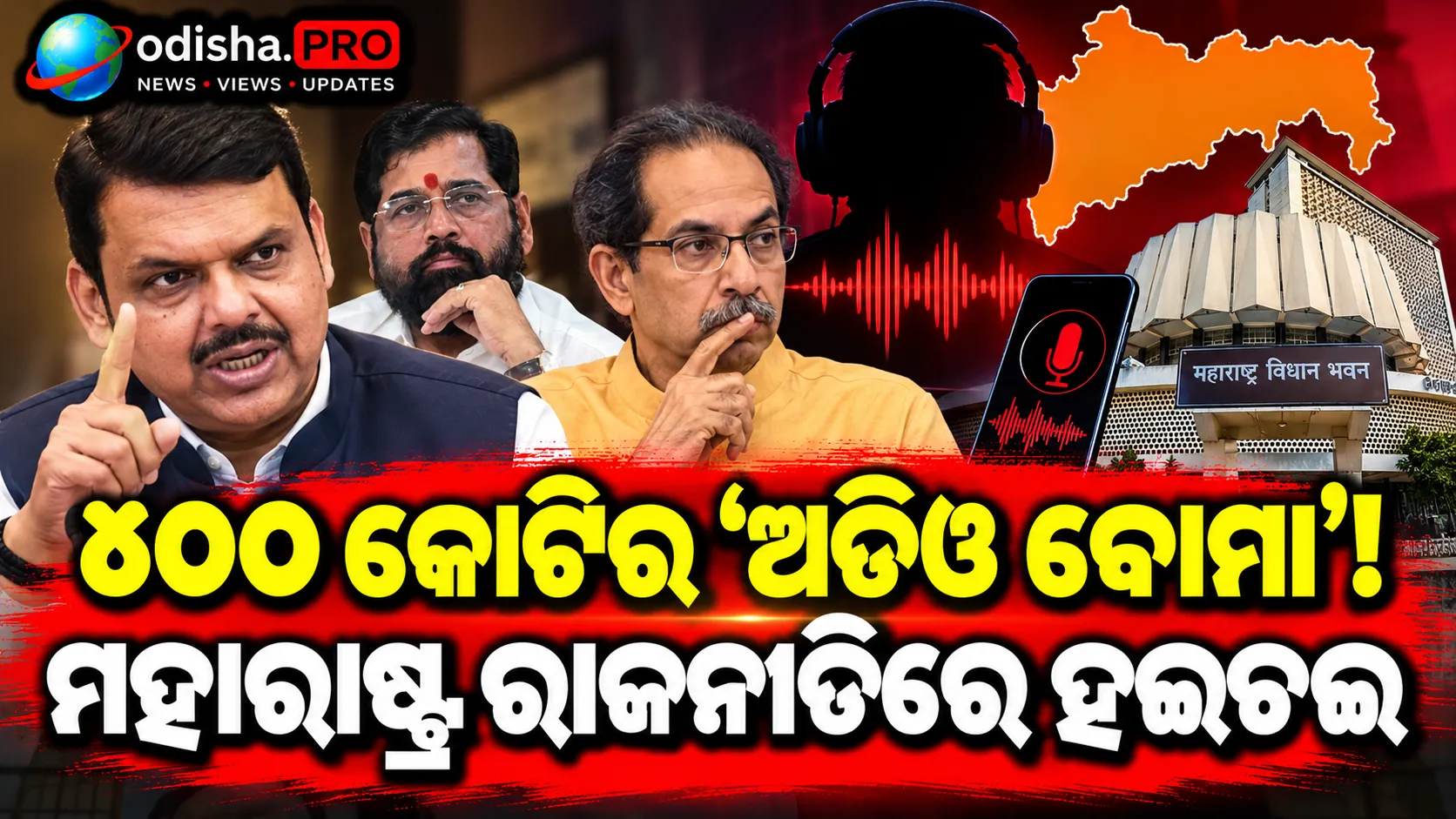
ଭାଇରାଲ ଅଡିଓରେ କ’ଣ ଦାବି? ମନୋଜ ଜରାଙ୍ଗେ ପାଟି...

ନୂଆଦିଲ୍ଲୀ: ଦେଶରେ ସଡ଼କ ଦୁର୍ଘଟଣା କମାଇବା ଏବଂ ଯାତ୍ରୀଙ୍...

କେରଳର ସାବରୀମାଳା ମନ୍ଦିରରେ ‘ଅରବଣା ପାୟସମ୍&rsquo...
ଦିଲ୍ଲୀର ଶାହଦରା ଅନ୍ତର୍ଗତ କୃଷ୍ଣା ନଗର ଅଞ୍ଚଳର ଏକ ସରକାର...
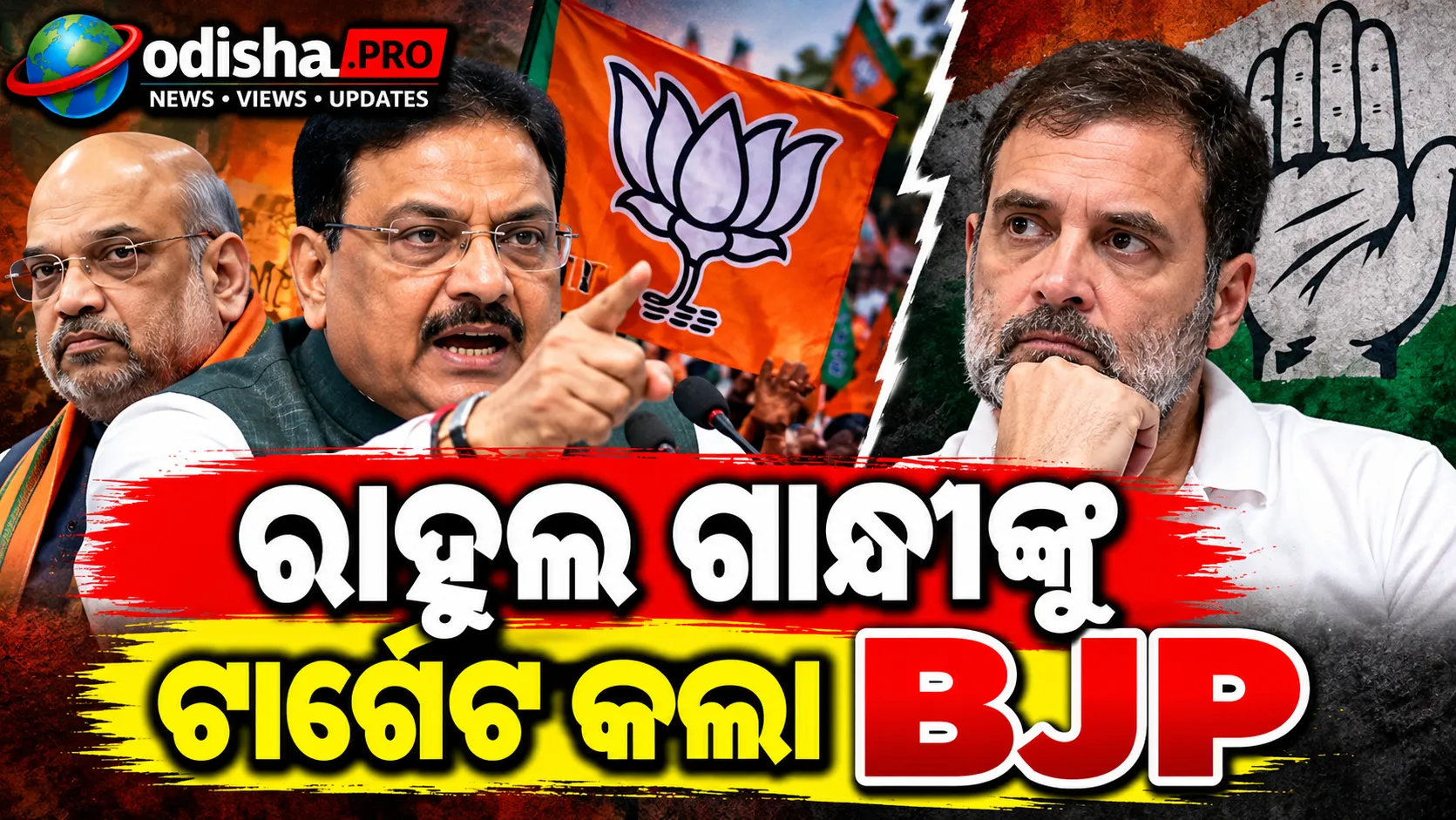
ନଭେମ୍ବର ୧ରେ ଦିଲ୍ଲୀର ରାମଲୀଳା ମୈଦାନରେ ପ୍ରସ୍ତାବିତ କଂଗ...

ନାଇଜେରିଆ ସେନା ଭାରତରେ ସ୍ୱତନ୍ତ୍ର ଜଙ୍ଗଲ ଓ ପାହାଡ଼ି ଯୁଦ...