



Makar Sankranti in Odisha marks the Sun’s entry into Capricorn and the start of Uttarayana, the six-month period when the northern hemisphere tilts toward the Sun, bringing longer days. Ancient Indian astronomers tracked this transition with remarkable precision, understanding its significance for agriculture and weather patterns. For farmers, it signals the end of the harvest season, a time to offer thanks to the Gods for a bountiful yield.
Across India, the festival takes different forms—Pongal in Tamil Nadu, Uttarayan in Gujarat, Sankramana in Karnataka, and Makar Sankranti in Odisha. In the state, the festival centers on traditional foods like Makara Chawal, prepared from freshly harvested rice mixed with banana, coconut, jaggery, chhena, and milk. The first portion is always offered to the deity before families partake, alongside other rice-based delicacies such as Arisa Pitha and Mua.
At the Jagannath Temple in Puri, Makar Sankranti coincides with Uttarayana Yatra day, marking the ceremonial return of Goddess Lakshmi from her father’s home. Central to the observance is the Makara Chaurasia Besha, when Lord Jagannath, Balabhadra, and Subhadra are adorned in elaborate Makara-inspired attire, crafted with centuries-old techniques passed down through temple servitors. Thousands of devotees gather for darshan, witnessing the ritual’s precise alignment with the Sun’s movement into Uttarayana.
Kite flying is another prominent feature of the festival, especially along Odisha’s coastal regions. The timing coincides with seasonal wind patterns, making it ideal for kite flying. Markets thrive with sales of ingredients for traditional dishes and kites, while temples manage large crowds during the Besha darshan.
Despite urbanization, Makar Sankranti continues to hold cultural significance, blending natural phenomena, community celebrations, and religious observances. Its core rituals—the offerings, the temple ceremonies, and the seasonal acknowledgments—remain deeply embedded in Odisha’s cultural fabric, serving as a reminder of the connection between human communities and the natural cycles of the Earth.
ମେଷ : ଏହି ସପ୍ତାହରେ ଆପଣଙ୍କ ପାଇଁ ଉର୍ଜା ଓ ଉତ୍ସାହର ଅଭ...
ମେଷ :ଏହି ସପ୍ତାହ ଆପଣଙ୍କ ପାଇଁ ଉତ୍ସାହ ଓ ନୂତନ ଶକ୍ତିର ସ...

ଆଜିକାଲି ଅନେକେ ସୁଗର୍ କମାଇବା କିମ୍ବା ପୂରାପୁରି ବନ୍ଦ କର...
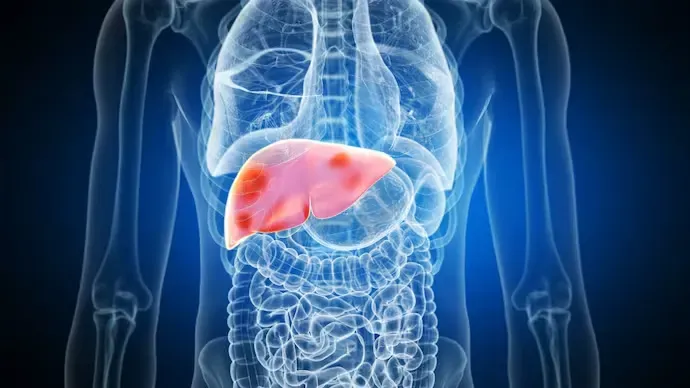
ବିଶ୍ୱରେ Fatty Liver Disease ଦ୍ରୁତ ଗତିରେ ବଢ଼ୁଛି ଓ ଏ...
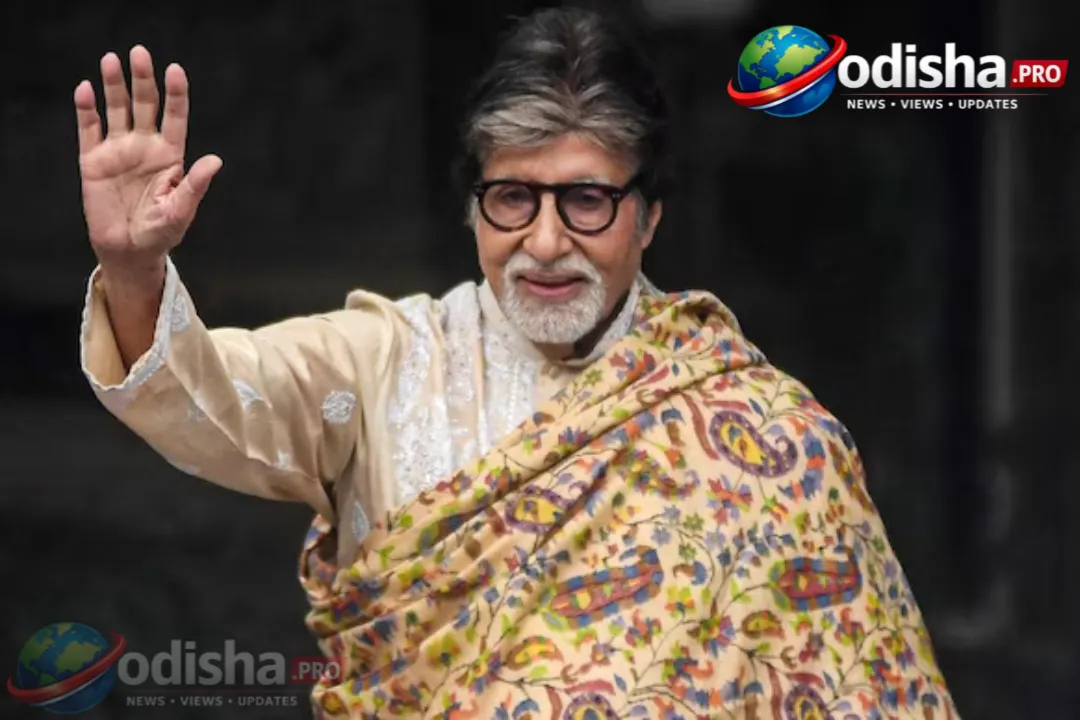
ବଲିଉଡ୍ ରେ ତିନି ପିଢ଼ୀ ଧରି ଚଳିଥିବା ଅଭିନେତାଅମିତାଭ ବଚ୍...

ଆଇପିଏଲ୍ ୨୦୨୬ ସିଜନ୍ରେ ଚେନ୍ନାଇ ସୁପର କିଙ୍ଗ୍ସ (CSK) ପା...

ଭାରତୀୟ ସଙ୍ଗୀତ ଜଗତର ଦିଗଗଜ Asha Bhosleଙ୍କ ମୃତ୍ୟୁ ସହି...

ମୁମ୍ବାଇ:ଚଳିତ IPL ସିଜିନ୍ରେ ପାଞ୍ଚଥରର ଚାମ୍ପିଅନ୍ ମୁମ୍ବ...

ଚଳିତ ଆଇପିଏଲ୍ରେ ମୁମ୍ବାଇ ଇଣ୍ଡିଆନ୍ସର କ୍ରମାଗତ ପରାଜୟ ଦଳ...
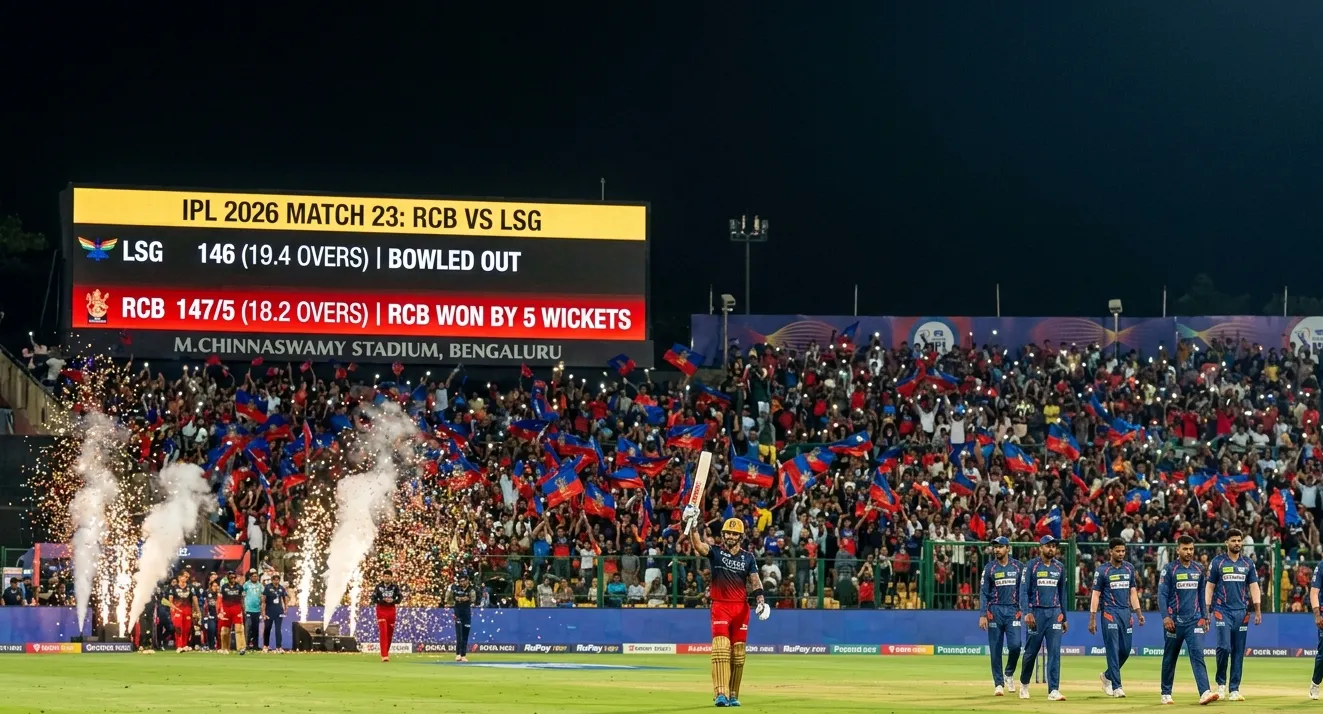
ଆଇପିଏଲ୍ ୨୦୨୬ର ମ୍ୟାଚ୍ ୨୩ରେ ମୋ. ଚିନ୍ନାସ୍ୱାମୀ ଷ୍ଟାଡି...